Races
Trail Peña Rubia 2026: date and distances
Villena’s autumn event combines trail races and a hiking walk, while key course details remain unconfirmed.

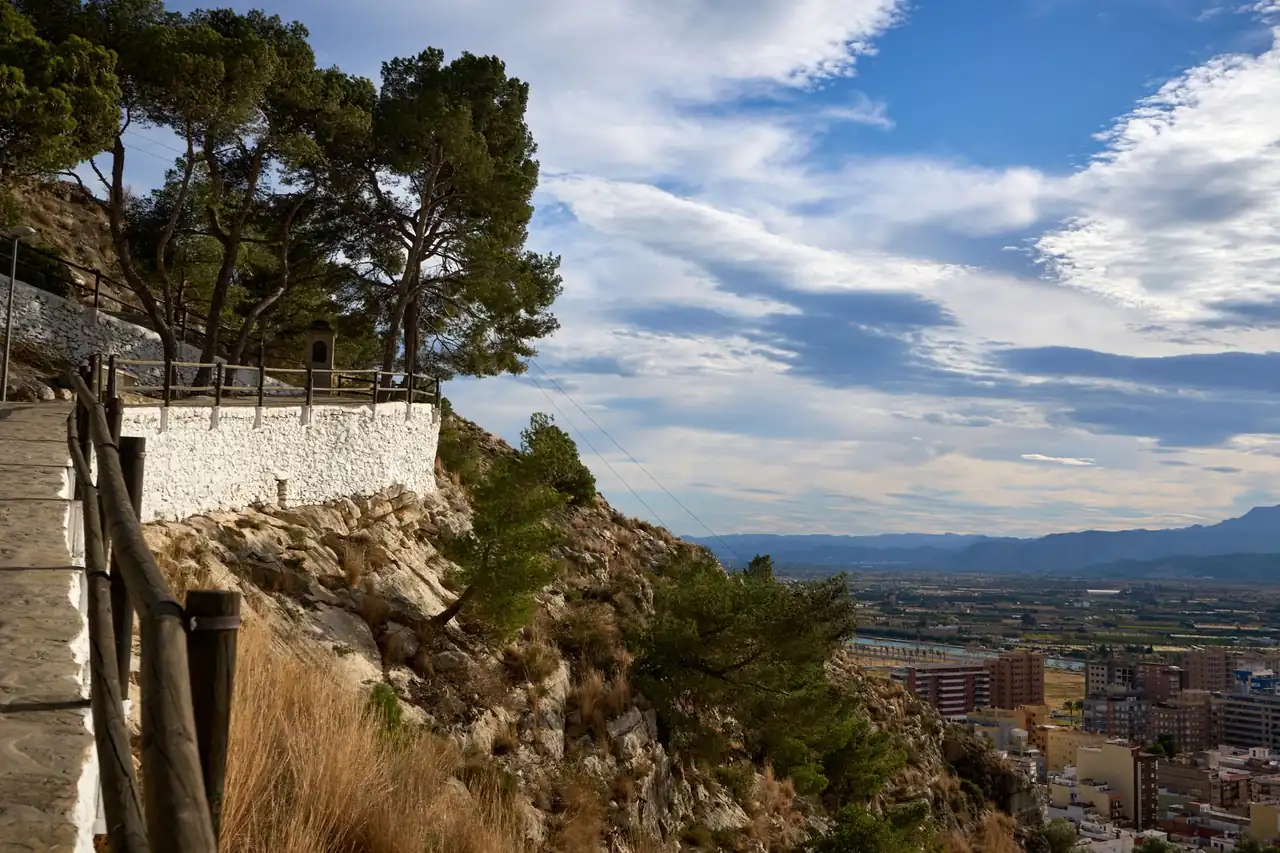
Villena will host the 12th edition of its mountain event on Sunday, Nov. 1, 2026, in the Sierra de Peña Rubia area. The announced program includes a 21-kilometer race, a shorter event whose distance is listed differently across the calendars reviewed, and a 13-kilometer hiking walk. The start is scheduled for 8:30 a.m., according to the available event information. It is organized by the Club de Deportes de Montaña y Escalada Trail Villena.
The event combines competition with a noncompetitive option, but the public listing still leaves important questions unanswered: the detailed course, elevation gain, prices and regulations for this edition have not been verified. Entrant listings show activity across all three formats, but those figures are not enough to establish the total number of participants or whether places remain available. The most reliable information confirms the date, town, planned start time and main distances; technical details require confirmation from the organizers.
An autumn edition in the Sierra de Peña Rubia
The event takes place in Villena, inland in Alicante province, and uses the Sierra de Peña Rubia area as its setting. This is not an urban race moved to the countryside: it is a mountain event on natural terrain. With no official map among the available information, it would be unwise to identify particular trails, summit crossings or dirt-road sections that have not been confirmed.
The 2026 edition is the 12th, placing the event among the established fixtures on the local calendar. It is organized by the Club de Deportes de Montaña y Escalada Trail Villena. Event information also names the Villena Town Council, its Sports Department, the Red Cross and Civil Protection as supporting organizations, providing context about the institutional and operational backing for the day.
The date falls on a Sunday in the heart of autumn, a season when trail conditions can change considerably depending on recent rain and temperatures. That does not predict what the course will be like in 2026, but it does explain why the weather forecast and the organizers’ final instructions will matter to participants. The mountain scenery is central to the experience, although its specific conditions will only become clear closer to race day.
Distances shown in the program
The long event appears as Trail 21K in the registration listing and as a 21-kilometer distance in the general event information. Another listing describes it as 22 kilometers, while a platform gives distances of 15 and 24 kilometers. These discrepancies mean that not every published figure can be treated as equivalent or definitive. Based on the most consistent information, the announced long distance is 21 kilometers, but the official mileage should be checked against the regulations or an announcement from the organizers.
The shorter event has a similar discrepancy. The calendar information puts it at 15 kilometers, while participant records call it Sprint Trail 16K. One kilometer can affect both estimated finishing time and preparation, particularly on a mountainous course where elevation and technical difficulty matter as much as distance. Until an official technical sheet is published, the most accurate description is a short event listed at between 15 and 16 kilometers.
The third format is a 13-kilometer hiking walk described as noncompetitive. That distinction matters: it is an option for walking through the area, not a race with rankings on the same terms as the trail events. It has not been confirmed whether the walk shares a course with either race. The reviewed information also does not say whether it shares a start, aid stations or part of the route with the competitive events.
The differences between listings could stem from updates, data-entry errors or course changes, but there is not enough evidence to identify which explanation is correct. It would be unwise to treat the 22- or 24-kilometer figure in an individual listing as official. For accurate planning, the regulations and final course map should take precedence over secondary calendars.
Start time, registration and participants
The listed start time is 8:30 a.m. The available information does not say whether all formats will begin together or have staggered starts, nor does it specify the exact start location or bib-pickup deadline. The time helps establish the planned start, but it is not a substitute for a full day’s schedule. Those details are essential for planning travel and arrival at the start area.
The organizers said registration opened in July. However, the information reviewed does not verify the entry fee, registration deadline, any limit on bibs or whether places are still available as of Oct. 13, 2026. Names in a participant listing confirm that entries are associated with the formats, but do not by themselves show that registration remains open or that the list is complete.
The listing includes all three options: Trail 21K, Sprint Trail 16K and Marcha Senderista 13K. The page also displays a message that no participants match a filter and a visible total of 135 participants. That number should be treated cautiously: it is unclear whether it covers every category, reflects a particular update or represents the full set of entrants. It is a snapshot of the listing, not a certified count of available places.
The public information does not support a reliable price or a claim that entries remain available. It also does not detail possible fees by format, included services or refund conditions. Before making financial or travel arrangements, participants need to check current communications from the organizers. Filling in those gaps with figures from previous editions or similar races would create false precision.
The course and the missing technical details
The Sierra de Peña Rubia provides the geographic setting for the event, but a reference to the area is not the same as a published course. Verified information on elevation gain, maximum altitude, surface by section, checkpoints and aid-station locations has not been found. Nor is there a confirmed GPX file in the reference information. Without those details, it is impossible to compare the formats’ difficulty or make realistic time estimates.
In trail running, distance is only one part of the workload. A 15-kilometer route with sustained climbs and technical singletrack can demand more than a considerably longer course on smooth tracks. Gradient, surface, sun exposure and rocky sections all affect effort and equipment needs. The announced distances indicate the scale of the event, but they are not enough to describe the full experience.
Descriptions on other calendars identify it as a mountain race in Villena, but do not provide a verifiable elevation profile. Different distances for the long event are also circulating. The lack of a confirmed map makes it impossible to present a specific route, elevation gain or passage through particular locations as fact. Runners and walkers would be better served by waiting for the technical information than relying on previous-edition routes when continuity has not been confirmed.
Once available, the profile, GPS track and regulations will make it easier to assess the challenge and participation conditions. They should also clarify whether there are cutoff times, mandatory equipment or specific restrictions. None of those requirements is confirmed in the information reviewed, so they should not be assumed for this edition.
Three ways to take part
The long race is aimed at people looking for a half-marathon distance on mountain terrain, with the caveat that the final figure needs confirmation. In a trail race, covering 21 kilometers does not automatically require the same effort as running that distance on asphalt. Pace often varies with climbs, descents and surface difficulty, while finishing time depends heavily on the profile, which has not yet been published.
The shorter event could offer a lower-distance option for people who prefer a briefer race, although the difference between 15 and 16 kilometers should be resolved before setting pace goals. On a mountain course, mileage alone also says little about intensity. The choice between formats should be based on the official course and elevation profile, not just on each category’s name.
The 13-kilometer hiking walk extends the event beyond competition. Its noncompetitive status suggests an option for exploring the landscape on foot, although there is not enough published information about permitted pace, maximum time or available services. It cannot be assumed to be a family event, and no specific conditions should be attributed to it unless they appear in the available information.
Having races and a hiking walk on the same day also requires coordination that cannot be reconstructed from the current data. It is not known how participants are separated on the trails, whether they share sections or how aid stations are arranged. The final event information should explain these details so people can choose the format that matches their expectations and understand the conditions they will face.
Preparing carefully for the terrain
Preparing for a mountain race should involve more than simply adding up miles. Adapting to climbs and descents, strength work and practice on uneven surfaces are often important, but the appropriate workload depends on each runner’s experience and fitness. Without the elevation gain or course difficulty for the Villena event, it is not possible to recommend a specific plan or assign the race a particular technical level.
Equipment choices are also easier with specific course information. Trail shoes typically offer a sole better suited to dirt and rock than road shoes, but the right tread and protection depend on the actual terrain. A forecast closer to race day will help with decisions about clothing and protection from rain, wind or heat. The regulations and official guidance should determine whether any equipment is mandatory.
In mountain racing, managing effort matters as much as fitness. Climbs invite a restrained pace, while descents require careful foot placement, especially on loose or wet ground. These are general trail-running principles, not a description of the Peña Rubia course: without a confirmed route, it is impossible to say where the hardest sections will be or what technique each one will require.
The hiking walk calls for other considerations, including a sustainable pace and attention to safety instructions. Its maximum time and specific services are also unknown. For every format, practical information from the organizers — including emergency contacts and instructions in case of weather changes — will be more reliable than assumptions based on an earlier race.
Villena as a meeting point
Holding the event in Villena places it in inland Alicante, away from an urban circuit and against a mountain landscape. Visitors from other towns should distinguish between the host town and the exact start location: the latter has not been confirmed in the information reviewed. There is also no verified information about parking, transport, bag storage or services for spectators, so no facility should be presented as guaranteed.
The planned 8:30 a.m. start makes early access potentially important, particularly if there are checks or bib pickup before the event begins. But the opening time for those operations and the amount of time required are not known. The exact address and morning schedule are outstanding details; they should not be inferred from the general location in Villena.
The Town Council and emergency services associated with the event provide context about its local scale, but their involvement does not establish what traffic closures, assistance or operational measures will be in place. Those arrangements depend on the event plan and need to be communicated by the organizers. Accurate information is especially important when travel and safety are involved.
For spectators, the day could offer a way to experience trail running at different levels of participation: racing, choosing a shorter distance or walking. However, details about viewing areas or access points along the course are still missing. An official map would turn the general reference to the mountain range into useful guidance for runners, supporters and residents.
What is confirmed and what needs checking
The most consistent information identifies the 12th edition, Villena as the host town, Sunday, Nov. 1, 2026, and a planned 8:30 a.m. start. It also lists a 21-kilometer long race, a 13-kilometer hiking walk and a shorter event that appears as either 15K or 16K, depending on the source. The event is attributed to the Club de Deportes de Montaña y Escalada Trail Villena.
By contrast, the exact short-course distance, the final measurement of the long race, elevation gain, GPS tracks, start and finish locations, regulations, price and registration status remain unconfirmed. The 22- and 24-kilometer figures in secondary listings do not match the more consistent 21-kilometer information. The discrepancy is a reason to verify, not permission to choose the most striking figure.
It is also important to distinguish the participant list from the commercial status of the event. Names on a list and a visible total do not necessarily reveal capacity, remaining places or whether registration has closed. As of Oct. 13, the reference information says entries opened in July but does not provide a conclusive current status. It is therefore not possible to say from those figures whether registration is open, sold out or closed.
A complete technical sheet would make it possible to assess the event beyond its date and name: the actual demands of each format and the logistics required to take part would become clearer. Until then, the most accurate picture is a mountain event with three announced options and several essential details still to come. The quality of the final information will matter as much as the landscape in helping participants arrive with realistic expectations.
A local event awaiting its final details
The 2026 edition brings together the familiar elements of a mountain event: a host town, a mountain setting and options for runners and hikers. Its appeal lies in that variety and in the opportunity to experience the Villena area through sport. Without a course map, profile or rules, however, any more specific description could blur the line between what has been announced and what is confirmed.
The Nov. 1 date and planned 8:30 a.m. start provide a clear reference for the day. The distances still need final clarification, particularly the short event and the larger figures appearing in some calendars. The regulations and official announcement will be decisive in resolving those differences and establishing the actual participation conditions.
Until those details are provided, the event can accurately be described as a mountain race in Villena with a long format listed at 21 kilometers, a short format shown as either 15 or 16 kilometers, and a noncompetitive 13-kilometer walk. That is enough to identify the nature of the day, but not to predict elevation gain, pace or the difficulty of individual sections.
The Sierra de Peña Rubia will provide the scenery; the organizers will provide the details still missing. That distinction between setting and technical information matters in every mountain race: the name invites people to picture the course, but only official details allow them to prepare with precision. The final information will determine whether an appealing event can also be planned without avoidable uncertainty.



How to prevent thigh chafing: causes and real solutions

Women’s running windbreakers: seven jackets and how to choose

Do more workouts get rid of soreness? A guide for runners

Jaén Half Marathon 2026: Record 3,800 Runners Registered

Men’s short running tights: how to choose the right pair

World Triathlon confirms data breach involving medical data

Izan Edo targets podium at Miyazaki World Cup

María Pérez ranks ninth in World Athletics’ 2026 top ten

Dos Santos, Duplantis and Sawe: World Athlete of the Year finalists

San Silvestre Vallecana 2026: 42,000 places, prices and start times

 Races3 months ago
Valencia Half Marathon 2027: date and registration

 Races3 months ago
Valencia Marathon 2026: entry, ballot and course

 Reviews and Comparisons4 months ago
Asics Gel-Roadmiles 3 for men: review and current price

 Reviews and Comparisons4 months ago
Asics Gel Sonoma 8 Gore-Tex: complete analysis for trail and rain

 Sneakers3 months ago
Saucony Endorphin Pro 4: full review and verdict

 News5 months ago
Strava API 2026: what changes for clubs, challenges and runner apps?

 Reviews and Comparisons5 months ago
Nike Alphafly 3: opinions, sensations, and real key points

 Reviews and Comparisons4 months ago
Under Armour running shoes review 2025-2026: models and key features

 Sports Equipment4 months ago
Shoe sizes in cm: a clear guide to getting the right fit for your footwear

 Sneakers3 months ago
Skechers GO RUN Consistent 2.0 analysis: comfort and limits

 News5 months ago
Valencia Marathon 2026 route: key tips to train and run better

 Sneakers4 months ago
Adidas Adizero Boston 13 for men: review and verdict