Races
Trail Piedra Roja Rodenas: dates, routes, and key details of the event
The Teruel event returns with two distances, red rock, and a demanding mountain course.

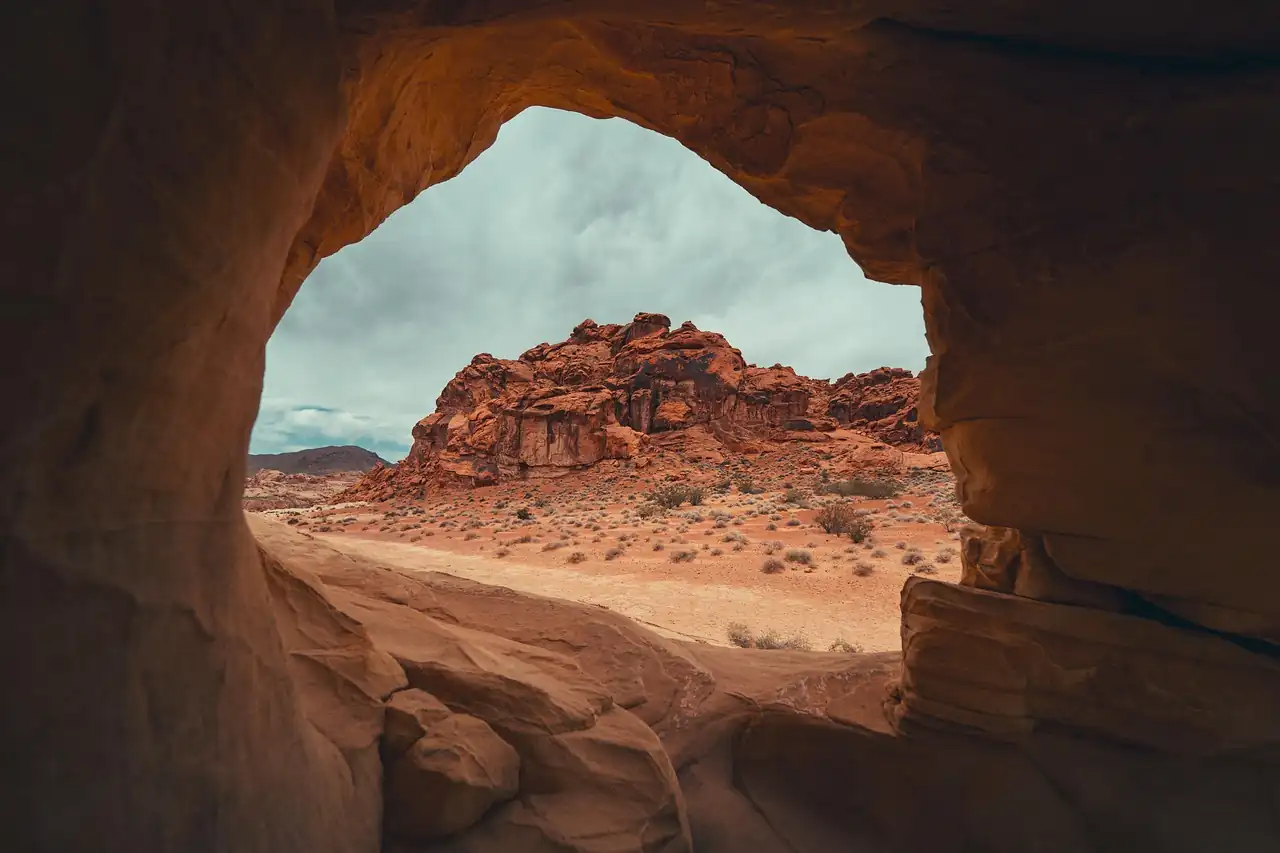
Imagen: Lenzatic / Pixabay
Ródenas is back on the trail map with a race that has built its own identity on landscape, elevation gain, and an environment very different from other mountain races in the province. The fourth edition of the event will take place on September 19, 2026, with a start at 09:00 and two official courses of 14K and 21K, both on mountain terrain and passing through rodeno rock formations that define the character of the event.
The race is presented as a compact format, with a limited scale and a cap of 300 participants, a number that reinforces the feeling of a close, highly territory-linked event. In the information released by the organizers, positive elevation gains of +617 m for the short distance and +874 m for the long one are also listed, a difference that hints at two very different effort profiles even though they share the same geographical and aesthetic roots.
A mountain race with its own personality in the Sierra de Albarracín
The Trail Piedra Roja of Ródenas cannot be understood without the red rock that gives the race and the town its name. The town in Teruel, set in the Sierra de Albarracín, offers a landscape of reddish sandstone that shapes the terrain and, at the same time, builds the event’s brand image. This is not just another mountain race: the color of the ground, the relief around the town center, and the presence of heritage landmarks turn the route into a sequence of highly recognizable settings.
The event is designed for runners looking for a trail with moderate distance but enough elevation gain to demand careful effort management from the first kilometers. That combination explains much of its appeal. Anyone taking part will find a mountain race that is accessible in format but not soft in content; a route where the terrain sets the pace and reading effort matters as much as the legs.
In the Aragon trail calendar, this event also stands out for its size. The limit on entries and the concentration of services make the atmosphere feel more like a sports gathering than a mega-event. That is noticeable in the treatment, in the pre-race rhythm, and in the way the day is experienced, much more closely tied to the town and its immediate surroundings than to a purely competitive logic.
The 14K and 21K routes, two ways of reading the same terrain
The organizers offer two official distances, and each one creates a different experience. The 14-kilometer version adds 617 meters of positive elevation and, according to information released by the event’s surroundings, can even be done on foot. That detail says a lot about the race’s open character: it preserves the essence of trail running without shutting out those who prefer to experience the mountains with less competitive pressure.
The 21-kilometer distance raises the challenge to 874 positive meters. Here the race stretches out, the margin for error shrinks, and pacing becomes more important. It is not enough to climb well; runners also have to manage the descents, read their footing on stone, and avoid letting the terrain turn into a series of small blows. In a trail like this, elevation gain is not a decorative statistic: it is the true architecture of the effort.
Both routes share the same basic setting, with passages through spots of great scenic interest around Ródenas. Among the places highlighted by the organization and local coverage are Hoyón de Ródenas, the Ermita de los Santos de la Piedra, and the area around the Castle viewpoint, locations that add visual depth to a race that is experienced as much with the eyes as with the legs.
The start and the urban setting, between the town square and local memory
The start is located in Ródenas’s Church Square, a detail that helps explain the race’s scale and its integration with the town. This is not an isolated setup in the middle of nowhere, but an event that begins in the town center and then opens out onto mountain terrain. That relationship between town and landscape gives the event a very recognizable texture: first the streets, then the rock, then the silence of the mountain surroundings again.
Ródenas, with its reddish architecture, preserves houses and corners that function almost as an extension of the race terrain. Santa Catalina Church, completed in 1588, the Muslim cistern, the Navajo washhouses, and the dovecote attached to Casa del Olmo are part of a heritage catalog that explains why the town attracts visitors beyond race day. The event makes use of that context without turning it into artificial scenery: it incorporates it as part of its natural story.
There is also a strong identity component in the town’s own topography. The rodeno stones with anchor-shaped figures, pastoral engravings, and the proximity of Peracense Castle help create an atmosphere of an ancient, eroded territory full of human traces. In a sport where every climb and every stone count, that kind of landscape does more than accompany the race: it engages in dialogue with it.
Registration, price, and entries: a contained and clearly defined race
The registration fee indicated in the sources consulted is 25 euros, a price that places the race within the usual range for medium-format mountain events. The organizers also set a ceiling of 300 runners, a figure that matters as much as the date. In events like this, the entry limit is not just a logistical adjustment: it affects the entire experience, from bib pickup to the start and the atmosphere at the finish.
Registration is listed as open in the most recent information consulted, with a period that local coverage places between May 1 and September 14 in a reference published by the provincial press. That window leaves enough time to decide in advance, although real availability always depends on the pace of registrations and the organizer’s official updates.
Beyond the price, the appeal lies in the balance between accessibility and distinctiveness. Runners are not paying only for a distance; they are paying to race in a very specific landscape, with associated services and in a town that turns the day into a sporting and territorial event at the same time. That added value explains why races like this gain importance within the regional calendar.
Runner services and a full-day atmosphere
The organizers have been shaping a package of services designed to make the experience more comfortable. Among the elements mentioned in the reference information are bib pickup, runner services, prizes, results, an image gallery, and access to previous editions. The existence of an official T-shirt and a promotional trailer is also mentioned, resources that help build brand identity around the race.
Press coverage of the race added other useful details: showers, changing rooms, runner bags, category trophies, professional photography and video at no cost to participants, and a popular meal to close the day. These elements, without turning the race into a festival, do soften the harshness of the effort and reinforce the idea of shared experience. The mountain stops being just a performance setting and becomes a shared space.
That layer of services also reveals the type of runner the event is aimed at. Not only the elevation specialist, but also the recreational athlete looking for a well-cared-for event, with a friendly setting and smooth logistics. In races like this, the small details matter almost as much as the clock: a well-organized bib pickup table, a well-placed aid station, or a finish line where the runner feels welcomed can completely change the memory of the race.
A route that combines sport, geology, and heritage
The great value of the Trail Piedra Roja lies in its visible geography. The name is not an editorial metaphor or a publicity flourish; it describes the setting with considerable precision. Ródenas’s red sandstone, the rock formations, and the nearby sinkholes create a landscape that seems designed for trail running, with uneven footing, short climbs, and relief that demands constant attention. Every bend in the path carries a lesson in geology.
Hoyón de Ródenas, a sinkhole almost 300 meters in diameter and 50 meters deep, gives the setting an almost theatrical scale. It is not just a tourist attraction; it is an element that adds character to the route and reinforces the feeling that the race crosses a landscape that is not exhausted by sport alone. Added to this are the 18th-century Ermita de los Santos de la Piedra and the Castle viewpoint, from which runners can take in the full extent of the mountain landscape at a glance.
That dialogue between heritage and sport is especially valuable at a time when many races are looking to stand out. Here the difference is not forced: it is already in the ground. The red color of the rock, the textures of the terrain, and the proximity of historical elements offer an experience remembered through very concrete, almost tactile images, more than through pure time or placing figures.
How it fits into the local trail calendar
The race has become a recognizable event within the Teruel circuit, partly because of its location and partly because of the way it has been presented in recent editions. Its place in the calendar alongside other races in the Sierra de Albarracín and nearby areas situates it within a network of events that help sustain trail culture in the province. It is not only competing to attract runners; it is competing to keep alive a specific way of inhabiting the territory through sport.
References to nearby events such as Trail Bronchales or Trama Trail reveal an ecosystem of races with their own personalities, in which Ródenas occupies a very clear position. Its combination of moderate distance, serious elevation gain, and rodeno landscape gives it a very defined profile. It does not aim to be the toughest or the longest race, but rather one of those events where runners immediately understand why they are there.
In the end, that is one of the keys to its appeal. No grand narrative is needed to explain the race: just look at the color of the ground, the elevation profile, and the town center where it begins. The image comes together easily, and that is not common in an increasingly large and homogeneous calendar.
The Teruel event that gains strength through landscape and balance
The Trail Piedra Roja of Ródenas has made its way forward with a very clear formula: less artifice, more territory. Two well-defined distances, a start in the town center, an environment of great geological and heritage value, and an organization that provides enough services for the day to have continuity beyond the pure effort. That combination explains why the event is gaining weight among those looking for a trail with a recognizable identity.
In a calendar crowded with races that look alike, this race keeps its own voice. Small towns have it when sport does not use them as mere scenery, but as part of the script. Mountains have it too when they do not need to be exaggerated to command respect. In Ródenas, the rock speaks quietly, but it leaves a mark.
That is why the race does more than just add kilometers to the calendar. It works as a window onto a singular landscape in Teruel, a day in which the clock coexists with the memory of the place and in which every climb reminds us that trail running, at its best, does not just measure strength: it also reveals territory.



How to prevent thigh chafing: causes and real solutions

Women’s running windbreakers: seven jackets and how to choose

Do more workouts get rid of soreness? A guide for runners

Jaén Half Marathon 2026: Record 3,800 Runners Registered

Men’s short running tights: how to choose the right pair

World Triathlon confirms data breach involving medical data

Izan Edo targets podium at Miyazaki World Cup

María Pérez ranks ninth in World Athletics’ 2026 top ten

Dos Santos, Duplantis and Sawe: World Athlete of the Year finalists

San Silvestre Vallecana 2026: 42,000 places, prices and start times

 Races3 months ago
Valencia Half Marathon 2027: date and registration

 Races3 months ago
Valencia Marathon 2026: entry, ballot and course

 Reviews and Comparisons4 months ago
Asics Gel-Roadmiles 3 for men: review and current price

 Reviews and Comparisons4 months ago
Asics Gel Sonoma 8 Gore-Tex: complete analysis for trail and rain

 Sneakers3 months ago
Saucony Endorphin Pro 4: full review and verdict

 News5 months ago
Strava API 2026: what changes for clubs, challenges and runner apps?

 Reviews and Comparisons5 months ago
Nike Alphafly 3: opinions, sensations, and real key points

 Reviews and Comparisons4 months ago
Under Armour running shoes review 2025-2026: models and key features

 Sports Equipment4 months ago
Shoe sizes in cm: a clear guide to getting the right fit for your footwear

 Sneakers3 months ago
Skechers GO RUN Consistent 2.0 analysis: comfort and limits

 News5 months ago
Valencia Marathon 2026 route: key tips to train and run better

 Sneakers4 months ago
Adidas Adizero Boston 13 for men: review and verdict