Races
Valdepeñas Half Marathon 2027: date and distances
The race has a confirmed date and start time; here are the distances, urban route and announced entry fees.

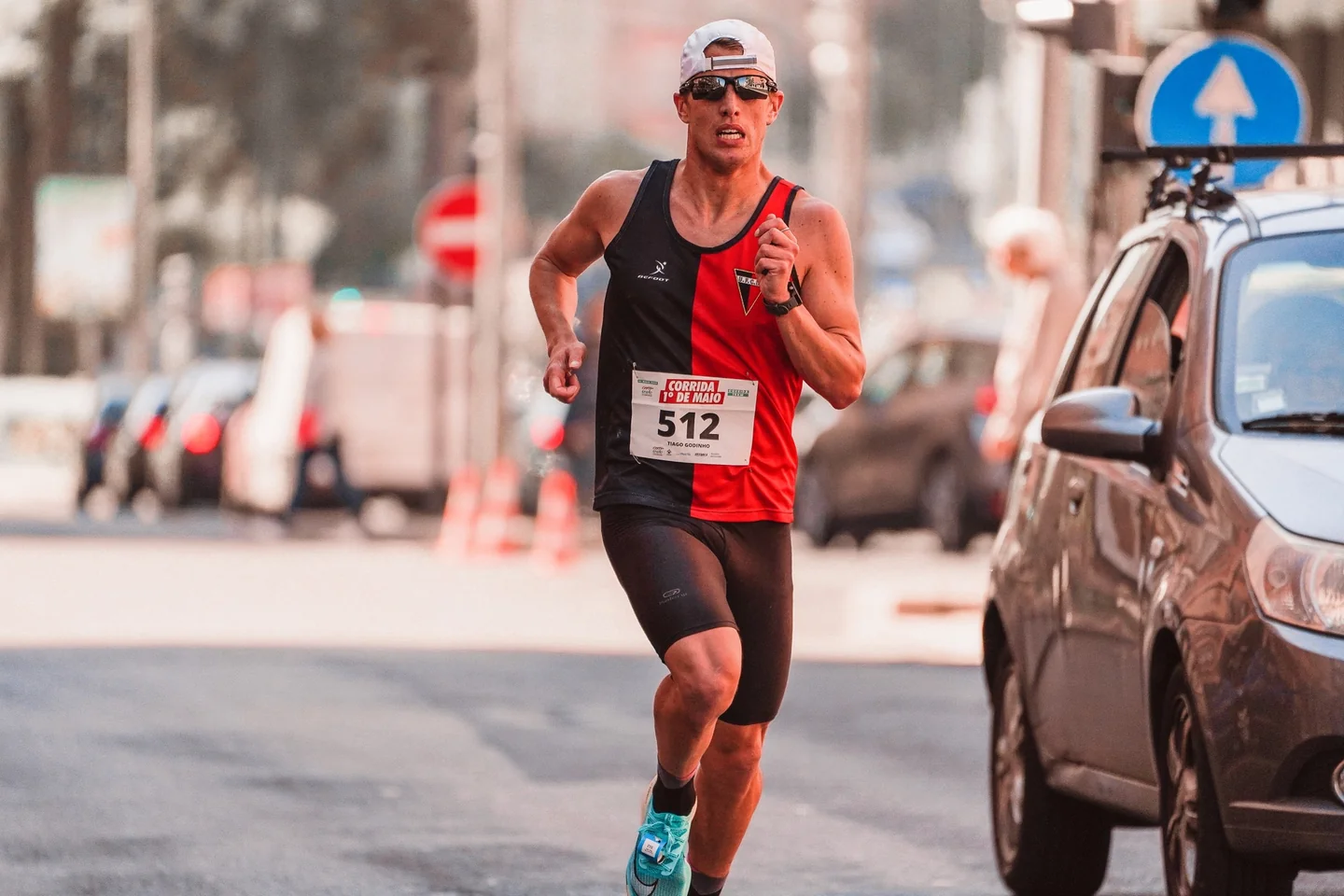
Imagen: RUN 4 FFWPU / Pexels
Valdepeñas will hold its Muy Heroica Half Marathon and 10K on Sunday, Feb. 28, 2027, with the start scheduled for 10:30 a.m. at Ciudad Deportiva Virgen de la Cabeza. The event will offer two road-race options: a 21.097-kilometer half marathon and a 10-kilometer race, both on an urban course. The date is confirmed, and the event is listed as part of the Ciudad Real Popular Race Circuit.
Details released for the event put the standard entry fee at 18 euros, with lower rates for some circuit participants and a 2-euro increase on the final registration day, listed as Feb. 22. Available information also describes a mostly flat route with gentle slopes and services including medical assistance, showers and refreshments at the finish. Some operational details may be updated before race day, so the regulations and the circuit’s registration platform remain the definitive references.
A confirmed date for another run in Valdepeñas
The 2027 edition will take place on Feb. 28, a late-winter date that places the race at a familiar point for runners preparing spring endurance goals. The date corresponds to the 32nd edition, according to information published about the event. On the provincial calendar, the race is presented as one of the leading events and as the second stop in the Ciudad Real Popular Race Circuit that year.
The announced start time is 10:30 a.m., with both distances starting on the same day. Specific schedules for course closure, bib pickup and any accompanying activities should be confirmed through the organizer’s official information; they should not be treated as final unless they appear in the current regulations. The race takes place in Valdepeñas, a municipality in Ciudad Real province, in the Castilla-La Mancha region.
The start and finish are at Ciudad Deportiva Virgen de la Cabeza, a venue that will serve as the hub for race-day activity and participant services. For visitors, knowing the location helps with planning arrival, parking and local travel, although access instructions may differ from one edition to another. The exact address and any traffic restrictions should be checked once the organizer releases final logistical information.
Two distances on the same race day
The event combines a 10-kilometer race with a half marathon, whose official distance is 21.097 kilometers. The two options give runners with different levels of experience and goals a choice without creating entirely separate routes throughout the day. Both share the start and part of the course, bringing participants in both events together on the city streets.
The 10K is completed in one lap, while half-marathon runners cover two sections of 10 and 11.097 kilometers, respectively, according to the published course description. This layout allows the longer race to reach its required distance while remaining in an urban setting. The organizer should provide a final course map and explain where the routes separate or where checkpoints are located so runners can identify their correct course.
Choosing a distance depends on preparation as well as recent experience. Ten kilometers can be a competitive goal or a first event on the road; the half marathon calls for a broader endurance base and sustained preparation. In either case, the key detail is that both races take place on the same day and share a scheduled start time, so each participant needs to register for the correct event and review the conditions attached to that entry.
An urban route through the historic center
The route is described as an urban road course, generally flat with a few gentle slopes. It passes through central Valdepeñas and by local heritage sites and places associated with the Route of Sculptures. That urban character sets it apart from rural courses: runners move between straights, turns and streets with neighborhood activity, while the city itself becomes part of the sporting experience.
A relatively favorable profile may appeal to runners aiming for a steady pace, but flat does not automatically mean easy. Wind, temperature, humidity, road conditions and runner density all affect effort. In a two-lap half marathon, the second half calls for careful energy management: starting too fast often catches up with runners when familiar sections of the course come around again.
The available description is not a substitute for the official route map. Lap lengths, turns, crossings and any changes due to construction or safety needs should be checked in the 2027 documents. It is also worth checking whether the organizer publishes split times or spectator areas. References to historic buildings and sculptures add context, but they do not establish the exact route or the kilometer markers on each street.
Registration, fees and announced deadlines
Registration is handled online through the platform linked to the Ciudad Real Popular Race Circuit. Published information lists a standard fee of 18 euros for runners who are not registered with the circuit and 16 euros for circuit members. It also says athletes who completed 14 circuit races during 2026 would pay 12 euros, a special rate tied to their participation record.
The announced final registration date is Feb. 22, 2027, with fees increasing by 2 euros that day. Under the standard rates, that would make the cost 20 euros; the circuit rate would rise to 18 euros, and the special rate to 14 euros, according to the conditions described. The organizer may set additional criteria or update the process, so runners should check the amount shown on the form for their selected category before paying.
Available references agree on the standard 18-euro fee for both the 10K and half marathon, but give specific circuit discounts for the 21K race. Runners should not assume that a discounted rate automatically applies to every participant or that the final cost is identical in every case. Registration category and sign-up date determine the price; payment confirmation should appear on the receipt.
What is known about runner services
Services announced include finish-line refreshments, a finisher medal, changing rooms, showers and medical assistance. These are useful provisions for visitors as well as runners in either distance. They support immediate recovery and post-race arrangements, although schedules, locations and access conditions may be specified later.
Reference information also mentions pace-group leaders and a children’s area, along with a charitable initiative at the finish involving medal engraving. These features give the day a broader character beyond competition, but their details should not be considered final until they appear in the 2027 program. In particular, the pace-group arrangements, children’s activities and destination of any charitable contribution need a clear explanation from the organizer.
Medical support is a basic safety feature at a mass-participation race, not a guarantee that every incident can be resolved immediately. Participants should follow officials’ instructions, report health problems and avoid racing with symptoms that could worsen under exertion. Showers and changing rooms are also subject to venue capacity and rules. Checking the event instructions helps avoid relying on a service that may have specific conditions.
A race in the provincial circuit
The event is part of the Ciudad Real Popular Race Circuit and is announced as its second race of 2027. This provincial framework gives regular runners a series of events across different towns throughout the season. It also explains the published price differences for circuit members and for runners who completed a specified number of races in 2026.
Reference information describes the course as certified by the Royal Spanish Athletics Federation. That status matters for the validity of race times, but should be checked in the regulations or official listing for the specific edition, especially for runners who want to use their result as a reference for another competition. Certification involves measuring a route to technical standards; it does not, by itself, mean every service or logistical detail remains the same each year.
Beyond its calendar role, a provincial race brings together participants from different towns and ability levels. In Valdepeñas, the route through central streets brings the event closer to residents and visitors and gives the day a visible public presence. The experience depends on the organizer as well as people cheering from the sidewalks: the urban atmosphere makes the course part of the event, not just a place to record a time.
Understanding the course and managing effort
A route described as flat, with mild slopes, often supports a steady stride and consistent pace. Still, elevation alone does not determine difficulty. Late-February weather can change how the race feels, and a street exposed to wind behaves differently from a stretch sheltered by buildings. Turns and course width also matter, details that become clear only after reviewing the final map.
In a half marathon, distributing effort matters more than chasing an ambitious pace from the first kilometer. The two-lap layout can help runners assess how they feel and adjust, provided they know the course and checkpoints. For the 10K, the shorter distance does not remove the need to pace the effort: starting faster than a sustainable pace can turn the final kilometers into a struggle.
Preparation should reflect experience, health and available time, rather than copying another runner’s plan. Anyone with an injury, chronic condition or questions about vigorous exercise should consult a health professional. In general, runners should arrive with progressive training, adequate rest and familiarity with the shoes and clothing they plan to wear. The actual conditions in Valdepeñas will become clearer closer to race day.
Valdepeñas as the setting for a popular race
Valdepeñas offers an urban setting that connects sport with local history and heritage. Passing sculptures and central buildings gives the route visual landmarks for people who know the city, while visitors can see part of it at the measured or fast pace of a race. The event need not become a sightseeing tour: the city appears naturally along the course.
The start and finish at Ciudad Deportiva Virgen de la Cabeza provide a shared point for runners, supporters and services. Even so, central streets may face temporary traffic restrictions and access changes that morning. Drivers should wait for parking and road-closure instructions, while public-transport users should check schedules and connections from their point of departure, details not included in the available information.
The local dimension is also reflected in participation by clubs and runners from across the province. At events like this, meeting at the start, neighborhood support and sharing the finish become part of the race memory as much as the final time. That mix of competition and everyday life defines urban races: for a few hours, the streets change purpose and become shared running space.
Regulations and details to verify
Before registering, runners should review the specific 2027 regulations, which should explain eligibility, categories, bib use, schedules and pickup arrangements. Reference material is aimed at adult runners for the main distances, but age limits and exceptions should be checked in the official rules. Participants should also confirm whether bibs are personal and nontransferable and what procedure applies if someone cannot start.
Course details, the precise locations of refreshment stations and time limits are not fully included in the available information. Nor does it specify road-closure times, the timing system or refund conditions. It is not safe to fill those gaps using rules from previous editions, since technical and organizational needs can change. The current edition’s regulations take precedence over summaries and third-party listings.
The confirmed date and start time provide a sound basis for planning, but they do not mean all logistics are settled. Later official updates may clarify access to the sports venue, bib pickup and guidance for spectators. Keeping the registration receipt and checking organizer messages gives participants access to the latest information without relying on outdated details circulating elsewhere.
A winter event with two ways to take part
The Feb. 28, 2027 edition brings together two challenges on the same morning: the half marathon and the 10K. The urban route, the generally flat profile and the start at Ciudad Deportiva Virgen de la Cabeza make the event appear approachable in format, though each distance calls for appropriate preparation. Its appeal lies in combining an established provincial competition with a course through the heart of Valdepeñas.
Published details provide the essentials: date, scheduled time, distances, start venue and reference fees, along with several runner services. Items such as a detailed map, access arrangements and full registration conditions remain to be confirmed in final documents. The event is best understood by distinguishing what has been announced from what is still pending: a confirmed date opens the calendar, while the regulations complete the picture of each edition.
On the streets of Valdepeñas, the 21K will test consistency over two laps, while the 10K will concentrate the effort into one route. For some, the goal will be a time; for others, a first race or a morning shared with the provincial circuit. Whatever the aim, the common element will be a city temporarily transformed into an open course, where every runner’s passage shapes another day of popular athletics.
Where to stay in Valdepeñas
Hotels available 26 February – 1 March 2027.
Affiliate links: if you book through this map we earn a commission, at no extra cost to you.



How to prevent thigh chafing: causes and real solutions

Women’s running windbreakers: seven jackets and how to choose

Do more workouts get rid of soreness? A guide for runners

Jaén Half Marathon 2026: Record 3,800 Runners Registered

Men’s short running tights: how to choose the right pair

World Triathlon confirms data breach involving medical data

Izan Edo targets podium at Miyazaki World Cup

María Pérez ranks ninth in World Athletics’ 2026 top ten

Dos Santos, Duplantis and Sawe: World Athlete of the Year finalists

San Silvestre Vallecana 2026: 42,000 places, prices and start times

 Races3 months ago
Valencia Half Marathon 2027: date and registration

 Races3 months ago
Valencia Marathon 2026: entry, ballot and course

 Reviews and Comparisons4 months ago
Asics Gel-Roadmiles 3 for men: review and current price

 Reviews and Comparisons4 months ago
Asics Gel Sonoma 8 Gore-Tex: complete analysis for trail and rain

 Sneakers3 months ago
Saucony Endorphin Pro 4: full review and verdict

 News5 months ago
Strava API 2026: what changes for clubs, challenges and runner apps?

 Reviews and Comparisons5 months ago
Nike Alphafly 3: opinions, sensations, and real key points

 Reviews and Comparisons4 months ago
Under Armour running shoes review 2025-2026: models and key features

 Sports Equipment4 months ago
Shoe sizes in cm: a clear guide to getting the right fit for your footwear

 Sneakers3 months ago
Skechers GO RUN Consistent 2.0 analysis: comfort and limits

 News5 months ago
Valencia Marathon 2026 route: key tips to train and run better

 Sneakers4 months ago
Adidas Adizero Boston 13 for men: review and verdict