Races
Vigo pancreatic cancer race 2026: date and distances
Vigo’s nighttime event combines running, walking and direct support for scientific research.

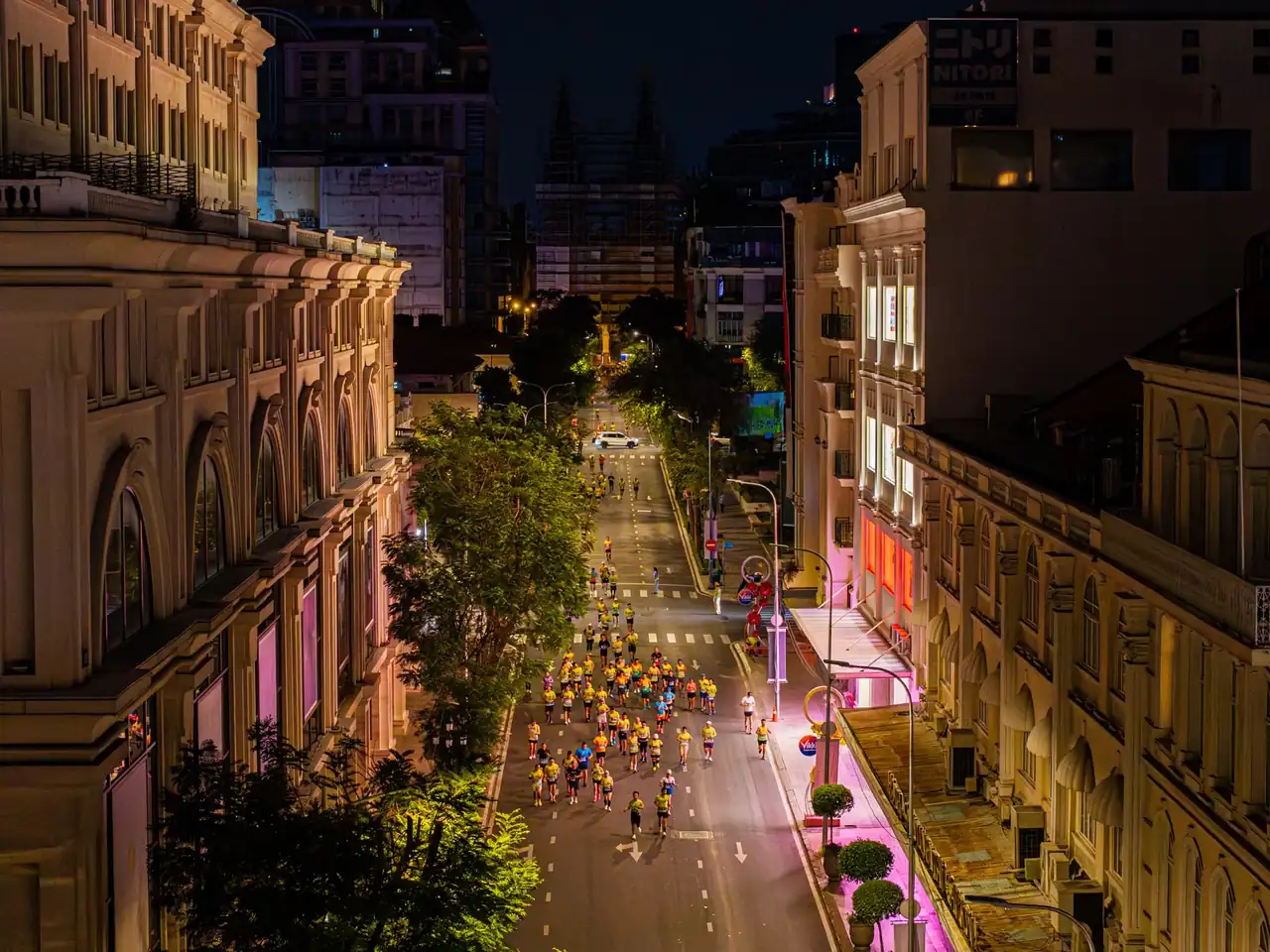
Vigo will add the Cities Against Pancreatic Cancer Race to its popular running calendar for the first time on Saturday, Nov. 7, 2026. The start is scheduled for 7 p.m. from Praza do Rei, with a night-time programme featuring a competitive 10-kilometer event, a 5K popular race and a 2K walk. The initiative will direct 100% of entry fees to research into the disease.
The Vigo event will be the first local edition, but it is part of a national initiative reaching its 12th edition and, according to the available information, already held in 15 other Spanish cities over 11 years. The date is confirmed and registration is listed as open until 3 p.m. Thursday, Nov. 5. Its format allows people to take part at different paces or walk, making the event broader than a conventional competition.
A first edition for Vigo within a national initiative
The event’s arrival in Vigo adds a new city to a race that has brought physical activity and research funding together for years. The local detail matters: this will be the first time the initiative is held in Vigo, although the project is not starting from scratch. Its record in other locations provides continuity and explains why the Vigo event is presented as a new stop in a race with national reach.
The name Cities Against Pancreatic Cancer Race reflects its approach: different cities host events with a shared purpose. Vigo’s edition maintains that link between place and cause, while taking on its own identity through a night-time format and an urban setting at Praza do Rei. For the city, it brings a new date to the calendar in which public participation and the destination of the funds are central.
The November date falls at a time of year when evenings grow shorter and lighting becomes part of the sporting experience. The race is due to start at 7 p.m., when natural light will be limited. That timing shapes the atmosphere and the way participants prepare: a route at night is different from a midday event, with illuminated streets and groups moving at varying speeds.
Schedule, start and event format
The start is set for Praza do Rei in Vigo at 7 p.m. on Saturday, Nov. 7. The information provided identifies it as the start point, but does not specify the finish location, the full route or access arrangements for the venue. Those planning to attend should therefore check the event’s operational details before travelling, particularly any guidance on road closures or route changes.
The programme includes three formats: 10K, 5K and a 2K walk. The longer distance is presented as the competitive option, while the other two allow people to take part without aiming for an official ranking. This combination gives the event a different feel from a race focused exclusively on the clock: runners aiming to complete two laps of a circuit may share the same event with families who prefer to walk together.
Registration is listed as open until 3 p.m. Thursday, Nov. 5. The deadline falls two days before the race, making it an important detail when planning to participate. The available information does not state the entry fee for each format, bib collection arrangements, collection times or whether on-site registration will be available. These details should not be assumed: they may vary by edition and should be checked for Vigo specifically.
Three ways to take part, from the 10K to the walk
The 10-kilometer event will be the competitive format. It is planned as two laps of a 5-kilometer circuit, with chip timing and an official ranking. The stated minimum age is 14. This format allows participants to track times and compare results, but it does not require an aggressive approach: completing the distance at a controlled pace can also be the goal for someone attempting their first 10K.
The 5K will not have an official ranking and can be completed running or walking. That distinction changes the relationship with the course: the focus is not on finishing position, but on taking part in a charity event at one’s own pace. It may suit people new to popular races, runners who prefer a shorter distance or participants who want to share the experience with friends.
The 2-kilometer walk makes the event accessible to an even wider group. It is designed for families and children and will not be competitive. No minimum age or specific conditions for minors have been provided, so those details should be confirmed in the registration rules. In any case, its inclusion reinforces a simple idea: participation does not depend on running fast, or even on running at all.
A Dorsal 0 option is also available for people who want to contribute without starting the race. This separates charitable giving from physical participation and offers an alternative to those unable to attend that evening. The amount and conditions of this option have not been provided. What matters is that support is not limited to those completing the distance: people can also back research from outside the course.
A night race with its own light
All participants will receive a glowing wristband, an item planned for the night-time route. As well as adding visibility, it creates a collective image: a line of points of light moving through the city as groups cover their distances. The detail distinguishes Vigo’s first edition and helps give the event a recognisable character without making night-time merely a visual device.
Running or walking after dark requires attention to practical details that are less noticeable during the day. Visibility, awareness of crossings and sharing space with other participants all matter, even at an organised event. The wristband is part of the plan, but it does not replace safety instructions or guidance from race staff. Course markings and respect for the route remain essential to keeping the different groups moving safely.
The start time points to an atmosphere different from a morning race: the city’s evening sounds, points of light and walkers alongside runners. Without a full route, it is not possible to say which streets the course will use or how long the event will last. What is known is that organisers have planned an urban night-time event, a setting that could make the initiative’s collective character especially visible.
Where entry fees go: scientific research
The organisers state that 100% of entry fees will support pancreatic cancer research through the Carmen Delgado and Miguel Pérez-Mateo grants. They also say event costs are covered by sponsors, not by entry fees. This distinction helps clarify the stated destination of the funds: according to the event information, participants’ contributions go entirely to the named grants.
The grants are part of an initiative intended to support scientific work. Research can address different questions, from understanding the disease to improving diagnostic and treatment tools. The Vigo event does not specify which projects will receive funds from this edition or how much it expects to raise, so no amount or specific scientific outcome can be attributed to it before those details are released.
Pancreatic cancer presents significant clinical and research challenges, including the difficulty of detecting it at an early stage. Still, a charity race does not replace medical care or provide individual health advice. Its role is different: to bring resources and visibility to research, turning an accessible activity into a public way to support scientific work. That distinction helps put the initiative in perspective without overstating what a single sporting event can achieve.
What is known and what still needs confirmation
The confirmed Vigo details are the date, start location and time, along with the three formats and their main characteristics. The entry deadline, luminous wristbands, Dorsal 0 option and stated use of all entry fees are also included. This provides a clear picture of the event, but it does not replace the full rules or operational information usually published for a specific race.
The available information does not specify the fee, finish location, course map, bib collection, bag storage or traffic restrictions. It also does not state whether refreshments or special arrangements for spectators will be available. Such details can influence the decision to take part, especially for people travelling from other towns or attending with children. A missing detail in the available information does not mean the service will not exist; it means it should not be claimed without confirmation.
The information provided says registration is available through the race website and the Deporticket platform, with the deadline set for 3 p.m. Nov. 5. Before completing registration, participants should check that their selected format matches their intended distance and read the rules currently in effect for Vigo. Fees are not stated in the supplied information, so no reliable cost or comparison between formats can be given.
A popular format that does not require competition
The combination of a timed distance, a race without rankings and a family walk serves different audiences while bringing them together around one cause. Those running the 10K will have times and results; 5K participants can complete the course without ranking pressure; and people in the walk can take part together. The format offers several ways in to the same event and means running ability does not determine who can participate.
In popular races, this variety often changes the atmosphere at the start and finish. Groups move at different speeds, and their motivations differ too: some are chasing a personal best, some are returning after a break and others are there because of the event’s charitable purpose. Vigo’s organisers have planned formats that reflect that range. The event’s meaning does not depend on everyone covering the same distance or finishing at the same time.
The 2K walk deserves attention precisely because it makes family participation an explicit part of the programme rather than an informal extra. A short distance can allow children and adults to share the activity without turning the day into a demanding event. Age, supervision and registration requirements for minors have not been specified and should be checked in the official information. The option to walk, in any case, broadens the event beyond the usual running audience.
Vigo prepares for a charity event that starts after dark
On Nov. 7, the city will host a new event on its local calendar, linked to an initiative with a history in other Spanish cities. The planned scene brings together a start at Praza do Rei, three ways to participate and luminous wristbands on an urban night-time course. Rather than focusing solely on recorded times, the event aims to make participants’ movement translate into support for research.
The new local edition leaves practical questions about the course and logistics unanswered, but does not change the essential details already announced: the start is at 7 p.m., registration remains open until 3 p.m. Nov. 5, and all entry proceeds will go to the stated research grants. Vigo’s event joins a shared cause while retaining its local identity, with options for runners, walkers and families.
At a charity race, the kilometres are visible; the work they help support often takes longer and is less immediate. It is worth keeping that distance between one evening’s effort and the pace of science in mind. The event does not promise quick solutions, but offers a concrete way to contribute participation and resources. For Vigo, the first edition will also be an opportunity to show how a city can come together around a cause that requires continuity, research and collective support.



How to prevent thigh chafing: causes and real solutions

Women’s running windbreakers: seven jackets and how to choose

Do more workouts get rid of soreness? A guide for runners

Jaén Half Marathon 2026: Record 3,800 Runners Registered

Men’s short running tights: how to choose the right pair

World Triathlon confirms data breach involving medical data

Izan Edo targets podium at Miyazaki World Cup

María Pérez ranks ninth in World Athletics’ 2026 top ten

Dos Santos, Duplantis and Sawe: World Athlete of the Year finalists

San Silvestre Vallecana 2026: 42,000 places, prices and start times

 Races4 months ago
Valencia Half Marathon 2027: date and registration

 Races4 months ago
Valencia Marathon 2026: entry, ballot and course

 Reviews and Comparisons4 months ago
Asics Gel-Roadmiles 3 for men: review and current price

 Reviews and Comparisons4 months ago
Asics Gel Sonoma 8 Gore-Tex: complete analysis for trail and rain

 Sneakers3 months ago
Saucony Endorphin Pro 4: full review and verdict

 News5 months ago
Strava API 2026: what changes for clubs, challenges and runner apps?

 Reviews and Comparisons5 months ago
Nike Alphafly 3: opinions, sensations, and real key points

 Reviews and Comparisons4 months ago
Under Armour running shoes review 2025-2026: models and key features

 Sports Equipment4 months ago
Shoe sizes in cm: a clear guide to getting the right fit for your footwear

 Sneakers3 months ago
Skechers GO RUN Consistent 2.0 analysis: comfort and limits

 News5 months ago
Valencia Marathon 2026 route: key tips to train and run better

 Sneakers4 months ago
Adidas Adizero Boston 13 for men: review and verdict