Races
Volta Mas Camarena 2026: date and distance
Everything known about the Bétera race: route, schedule, registration and bib collection.

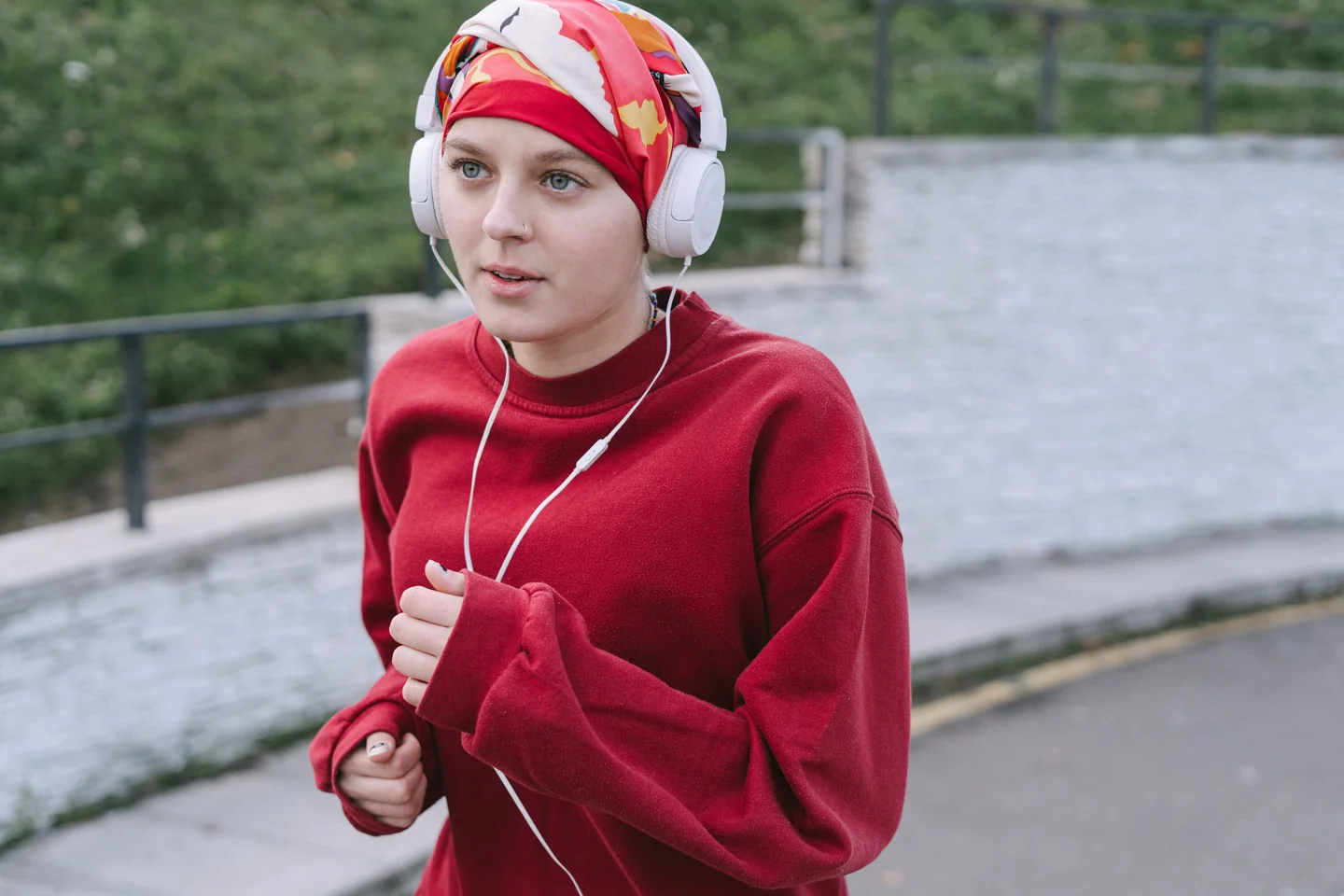
The IX Volta Caixa Popular Mas Camarena will take place on Saturday, September 5, 2026, at 7 p.m. in the Mas Camarena residential area, within the municipality of Bétera, Valencia. The popular race features a 6,200-meter course, a distance between five kilometers and a 10K that allows runners to compete hard without the specific preparation required for a long-distance event.
The start and finish will be located beside the Mas Camarena Social Club, which is also expected to host bib collection according to the available information. The event is organized by Running y más and the Nou Píndaro Sports and Cultural Association, with support from Bétera Town Hall. The race is included in the Community of Valencia popular race calendar and has a 60-minute time limit.
A September race in the late afternoon
The date places the event on one of the final weekends of summer. In Bétera, September afternoons can still be warm, but the 7 p.m. start avoids the strongest midday radiation and allows the race to move toward dusk. That combination helps explain the appeal of an event that brings together regular local runners and participants looking for a manageable distance.
The schedule also affects immediate preparation. Heat stored by the pavement may remain even after the sun loses strength, so arriving well hydrated, wearing light clothing and avoiding an excessively long warm-up are sensible decisions for most runners. The actual heat index will depend on wind, humidity and the conditions on race day.
This is not a marathon or a long-distance race, but its 6.2 kilometers allow runners to maintain a lively pace for much of the course. For an experienced athlete it can serve as a controlled race; for a beginner it is a realistic goal, provided that a foundation of continuous running has already been built.
Confirmed details of the IX Volta Caixa Popular Mas Camarena
The 2026 event has an official distance of 6,200 meters and is classified as a popular road race. The platforms consulted also describe it as approximately six kilometers, although some directories display five kilometers in their summary listings. The most precise and repeated figure in the organizational information is 6,200 meters, which should be treated as the main reference.
The course will be managed by the organizers, volunteers, local police and civil protection, with slow traffic and signage during the event. Timing will be handled by Megustacorrer. These details point to an urban or residential course on paved surfaces, rather than a trail or mountain race.
The stated cutoff time is 60 minutes. That limit equals an average pace of about 9 minutes 41 seconds per kilometer, although the actual pace will depend on turns, possible narrow sections and time spent at the start. The figure is particularly useful for people who alternate running and walking or are taking part in a timed race for the first time.
Start, finish and the Mas Camarena setting
The Mas Camarena Social Club will be the event’s operational center. The start and finish will be placed there, and the same area is expected to host bib collection. The residential development is a familiar setting for participants from Bétera and nearby towns in l’Horta Nord, with streets that generally make it easier to organize a small-scale road race.
The proximity between start and finish simplifies logistics. Runners can plan their journey, locate the main services and return to the same point after finishing without coordinating transport between separate areas. Even so, it is wise to allow time for parking or walking from available parking areas because traffic may change during the event.
The popular race map helps place this event alongside other races in the province and shows the geographical distribution of the calendar. Bétera is accessible from Valencia and nearby metropolitan towns, although arrival time will depend on Saturday afternoon traffic and any restrictions introduced on race day.
Registration and available options
The information published for 2026 includes at least two registration options: one without a shirt and another with a shirt. Both are linked to the 6.2-kilometer distance and the 7 p.m. start on September 5. The entry fee is not reliably shown in the available data, so no exact amount can be confirmed without checking the channel enabled by the organizers.
One listing gives the registration period as running from June 25 to September 4, 2026, at 2 p.m. Places, availability for each option and closing conditions may change before that deadline. The shirt option may also depend on stock or have a different deadline from the basic registration.
Registration must be completed through the platform indicated by the organizers or the event’s associated registration system. Because this editorial outlet does not manage entries or bibs, issues involving payments, transfers, refunds or categories must be handled directly with the race organizers.
Bib collection: information that needs verification
The most widely repeated reference places bib collection at the start area, beside the Mas Camarena Social Club, between 5:30 and 6:30 p.m. That leaves roughly half an hour between the expected end of collection and the start, a tight window for people arriving from other towns or dealing with parking difficulties.
There is, however, a discrepancy in the published data: one listing mentions September 6 for bib collection, while the race itself is dated September 5. This may be a transcription error, but it affects an essential logistical detail. The final date and schedule should be confirmed in the regulations or official communication before traveling.
It is also useful to check whether another person may collect the bib, what documents are required and whether there is an exceptional window for problems. None of these points is confirmed in the reference material. Bringing the registration receipt and identification usually makes the process easier, although the organizers’ stated conditions will prevail.
How to understand a 6.2-kilometer distance
A 6.2-kilometer race occupies an interesting place in the popular running calendar. It is more demanding than a standard five-kilometer race, but it allows a relatively short duration and faster recovery than a 10K. For a runner training three days a week, it can fit as a quality session or as the week’s main competition.
The distance favors an even strategy. Going out too fast to gain positions in the opening meters can take its toll after the third kilometer, when breathing deepens and any incline or change of direction disrupts the pace. A controlled start followed by gradual acceleration is usually more effective than turning the opening into a sprint.
Runners who cannot yet cover six kilometers continuously can combine running and walking without treating the result as a failure. The goal should be to respect personal fitness, maintain sustainable intensity and enjoy the race atmosphere. The distance also provides a clear benchmark for comparing performance with future five- and 10-kilometer races.
General preparation for an afternoon race
Preparing for an event of this kind does not require high mileage, but it does require consistency. The preceding weeks should include easy running, some pace changes and a session that shows how the body responds in conditions similar to race day. There is no need to reproduce every detail of the course if the final route is not yet known.
On race day, a main meal taken early enough and a simple snack can prevent both heaviness and a lack of energy. The exact food choices depend on individual tolerance. Trying new foods immediately before competing is usually a poor idea, especially on a warm afternoon.
Hydration deserves attention without becoming a burden. Drinking regularly during the day and arriving at the start without thirst is often enough for a race of just over six kilometers, although heat can change requirements. People with medical conditions, taking medication or with a history of exercise-related problems should follow professional medical advice.
Pace, warm-up and the opening minutes
The warm-up can include several minutes of very easy jogging, dynamic mobility and a few short strides. Its purpose is to gradually raise muscle temperature and assess how the body feels, not to accumulate fatigue before the start. In warm weather, an extended warm-up can be counterproductive.
The first few hundred meters are often the most disorderly. Some groups go out above their intended pace, there are overtakes and changes of line, and it becomes harder to run naturally. Starting in an area that matches the expected pace helps save energy and reduces the need for constant braking and acceleration.
In the final kilometers, the race can become an exercise in concentration. Keeping good form, relaxing the shoulders and hands and looking several meters ahead helps preserve efficiency when fatigue appears. The finish is close from the beginning, but the best race is usually built without spending every reserve in the opening kilometer.
Safety and shared use of the course
The presence of local police, civil protection and volunteers helps manage crossings and traffic during the race, but it does not remove the need to follow instructions. Participants should respect marked areas, avoid reserved spaces and make room when an incident occurs.
In an urban race, safety depends on the organization and on collective behavior. Pushing at the start, stopping suddenly in the middle of the road or wearing headphones that block important signals can create risks. Courtesy matters when runners with very different paces share the same course.
The course will have slow traffic and signage according to the published information, but its detailed layout and elevation are not fully available. It is therefore not sensible to describe the race as completely flat or predict specific finishing times. The actual profile can be assessed once the organizers publish the final route.
Which services are confirmed and which are not
The available listings confirm bibs, timing and operational support during the race. They also identify the start and finish area and the one-hour cutoff. By contrast, there is no sufficiently consistent confirmation of a cloakroom, refreshments, specific insurance, category classifications or post-race services.
Some external pages attribute services such as drinks, refreshments or a cloakroom to the event, but those details are not uniformly supported by the organizational information reviewed. Presenting them as settled facts could create false expectations. The difference between what is announced and what is assumed matters particularly in a local race, where services may change from one edition to another.
Runners should bring what they need for basic comfort: water for before and after the race, dry clothing if temperatures fall after sunset and a clear transport plan. The simple logistics of a six-kilometer event do not mean that every service found at a major race will be available.
A race with a recent tradition
The 2026 edition is the ninth Volta Caixa Popular Mas Camarena. The references consulted record previous editions in 2025, 2024, 2023 and 2022, showing continuity in Bétera’s popular race calendar. That history gives the event an identity, although each edition must be assessed according to its own schedule, route and registration conditions.
Residential races play a distinctive role in Valencian running. They do not aim to match the scale of the city’s major events, but to bring neighbors and runners from nearby municipalities together on a familiar course. The experience feels less like a major avenue filled with spectators and more like a shared sporting afternoon within a local community.
The event’s name links it to Mas Camarena and its partner organizations, but it does not by itself establish the exact nature of the course or its services. The information for each edition should take precedence over the reputation built by previous years.
Getting there and organizing the afternoon in Bétera
The location in Mas Camarena makes travel part of race planning. Arriving early allows runners to find the Social Club, collect the bib if necessary, check access points and avoid reducing the warm-up to a hurried few minutes. Saturday afternoon traffic can vary, particularly if other events take place in the metropolitan area.
The start and finish area will likely act as the meeting point, but parking availability and streets open to traffic should be confirmed through official information. It is not advisable to block residential entrances or park in areas reserved for emergencies. An urban route requires consideration for residents, public services and fellow participants.
It is also useful to plan the journey home. The race ends while there is still daylight, although awards, belongings and post-race conversations may extend the stay. A light layer and water for afterward can make the difference between finishing comfortably and making the return journey while still overheated.
What information remains to be finalized
The distance, date, time and town are sufficiently defined, but several elements should appear in the final communication. These include the exact route, elevation, participant limit, categories, price for each option and conditions for refunds or bib transfers.
It would also be useful to resolve the contradiction concerning bib collection and confirm whether the correct date is September 5. A one-day error can completely change a participant’s plans. An updated regulation should settle that uncertainty and precisely establish runners’ obligations.
The absence of some details does not mean that the race is suspended or that registration cannot take place. It simply means that the public information does not yet allow those points to be stated with certainty. In a responsible editorial listing, distinguishing confirmed facts from pending details is as important as providing a date and location.
An evening of popular running in Bétera
The IX Volta Caixa Popular Mas Camarena has the traits of a nearby community race: an accessible distance, an evening start, a residential setting and the participation of local organizations. Its 6,200 meters can serve as a pace test, a first competition or a shared sporting activity without the logistical demands of a major event.
The essential information is clear: the race will take place on September 5, 2026, at 7 p.m. in Mas Camarena, Bétera. The expected surface is urban and paved, the finish will be beside the Social Club and the stated limit is 60 minutes. The remaining details, especially the route and bib collection, should follow the organizers’ latest communication.
In the Valencian calendar, these races are small pieces of a broader sporting scene. Each has its own rhythm: the sound of bibs being pinned on, conversations near the start and the uneven pace of a group moving into the evening. In Mas Camarena, the 2026 edition will once again place that everyday setting at the service of a short, local race open to different abilities.



How to prevent thigh chafing: causes and real solutions

Women’s running windbreakers: seven jackets and how to choose

Do more workouts get rid of soreness? A guide for runners

Jaén Half Marathon 2026: Record 3,800 Runners Registered

Men’s short running tights: how to choose the right pair

World Triathlon confirms data breach involving medical data

Izan Edo targets podium at Miyazaki World Cup

María Pérez ranks ninth in World Athletics’ 2026 top ten

Dos Santos, Duplantis and Sawe: World Athlete of the Year finalists

San Silvestre Vallecana 2026: 42,000 places, prices and start times

 Races3 months ago
Valencia Half Marathon 2027: date and registration

 Races3 months ago
Valencia Marathon 2026: entry, ballot and course

 Reviews and Comparisons4 months ago
Asics Gel-Roadmiles 3 for men: review and current price

 Reviews and Comparisons4 months ago
Asics Gel Sonoma 8 Gore-Tex: complete analysis for trail and rain

 Sneakers3 months ago
Saucony Endorphin Pro 4: full review and verdict

 News5 months ago
Strava API 2026: what changes for clubs, challenges and runner apps?

 Reviews and Comparisons5 months ago
Nike Alphafly 3: opinions, sensations, and real key points

 Reviews and Comparisons4 months ago
Under Armour running shoes review 2025-2026: models and key features

 Sports Equipment4 months ago
Shoe sizes in cm: a clear guide to getting the right fit for your footwear

 Sneakers3 months ago
Skechers GO RUN Consistent 2.0 analysis: comfort and limits

 News5 months ago
Valencia Marathon 2026 route: key tips to train and run better

 Sneakers4 months ago
Adidas Adizero Boston 13 for men: review and verdict