Races
X Villa de Algorfa Night 5-10K Race 2026: date, time and entry
Algorfa prepares an evening running event with two distances, a 7:30 p.m. start and entries from 9 euros.

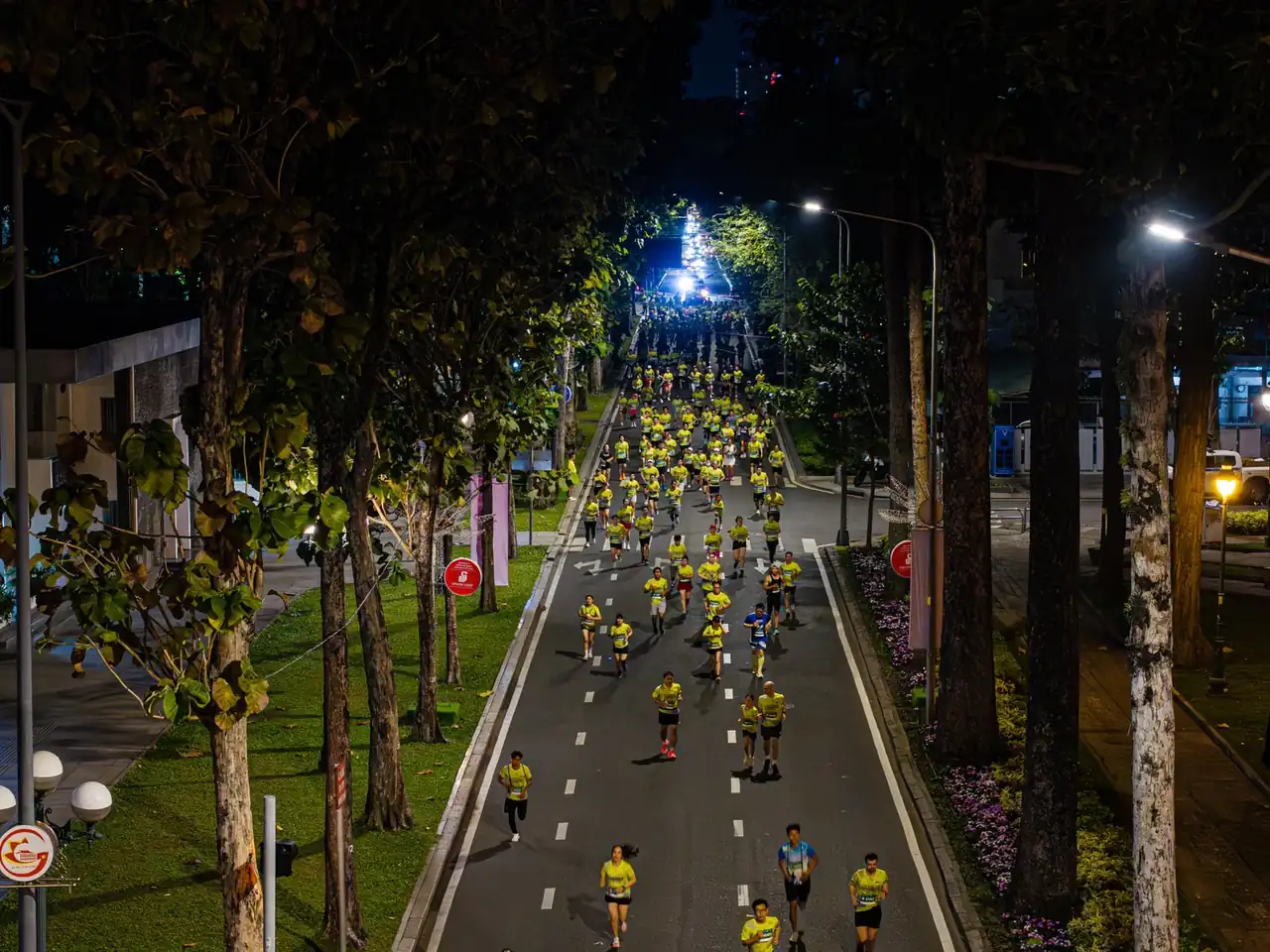
Algorfa will host the 10th edition of its night race on Saturday, Sept. 12, 2026, with two urban courses of 5 and 10 kilometers and a scheduled 7:30 p.m. start. The event will begin and finish at the Juan Carlos I Municipal Sports Complex, in Alicante province, and is organized by the Algorfa Department of Sports with support from the Corre X Crevillent Cultural Sports Association.
The event combines a short-distance format, suitable for those seeking a controlled popular race, with a 10K that allows runners to set a pace and time goal. Entry starts at 9 euros during the first period and rises to 12 euros during the final period, making the fee schedule one of the practical details of this edition.
Algorfa prepares for an evening of running in September
The race takes place at a time of year when high temperatures still affect much of the sporting calendar in the Vega Baja. Holding it late in the day creates a different setting from morning events: daylight fades, the heat usually eases and the streets change as runners move through them. That atmosphere is one reason night races remain attractive.
Algorfa lies in southern Alicante province, close to towns such as Almoradí, Rojales, Benejúzar and Orihuela. For runners from the area, the event can be a nearby and accessible competition, while participants arriving from elsewhere will find a popular race in a region where much of the calendar takes place during summer and early autumn.
The official name identifies both the night format and its two distances: the X Villa de Algorfa Night 5-10K Race. The reference to a 10th edition confirms the continuity of an event that is more than a group training session. It forms part of the local sports program, with municipal organization and a course designed for different types of runners.
Date, time and starting venue
The race is scheduled for Sept. 12, 2026, a Saturday. Both the 5K and 10K are listed with a 7:30 p.m. start. That detail is especially important in this type of event: although the race begins in the evening, the experience will depend on available daylight, each runner’s duration and the weather conditions on the day.
The start and finish will be at the Juan Carlos I Municipal Sports Complex in Algorfa. The address associated with registration is 28 Comunidad Valenciana Street, 03169 Algorfa. As in many urban races, the sports complex will concentrate much of the event operation, including bib collection when scheduled by the organizers, runner access, the finish area and possible post-race services.
The announced time allows participants to plan their journey and avoid arriving during the final minutes before the start. It is also worth remembering that an evening race does not necessarily begin in complete darkness. In September, light conditions can vary from year to year and depend on the exact time, weather and street orientation.
Two distances for two sporting goals
The program includes a 10,000-meter race and a 5,000-meter race. The longer option suits those who want to complete the classic 10K or race against a target time. The 5K reduces the total demand and may be better for a first event, a gradual return to competition or a day when the runner wants intensity without spending as long on the course.
The difference is not limited to five kilometers. In the 10K, pace management becomes more important because starting too quickly can damage the second half. In the 5K, the effort is shorter and more direct, but it also encourages a high intensity from the opening minutes. Choosing a distance depends on fitness, experience and seasonal goals, not only on usual running speed.
The available information does not provide a detailed map or a full technical description of the course. It would therefore be unwise to attribute elevation, surfaces or other features that have not been confirmed. The starting and finishing venue is known, but details about streets, turning points, aid stations, timing controls and age groups should be checked in the final regulations.
Registration and expected 2026 fees
The available reference places the first registration period between July 8 and Aug. 26, 2026, at a fee of 9 euros. From Aug. 27 through Sept. 9, the listed price rises to 12 euros. The published deadline is Wednesday, Sept. 9, at 8 p.m., although organizers may apply additional conditions linked to the participant limit or bib availability.
The difference between the two periods is 3 euros. This is not an unusual variation for a popular race, but it can alter the final cost for runners who wait until the last weeks. The published fee should be treated as a registration reference and may not include processing charges or optional products that could appear on the registration platform.
The 9-euro price is listed for both the 5K and 10K. No official participant limit has been provided, nor has it been confirmed whether registration will close early if capacity is reached. For that reason, the event is marked as open in the structured information, while actual availability should be checked through the relevant registration channel.
Documents from previous editions mention regulations and a registration calendar, but each event can change its schedule, categories, awards, course or participation conditions. The 2026 regulations will determine the legal and sporting details of the race, taking precedence over references inherited from earlier editions.
What running in the evening involves
A 7:30 p.m. race requires attention to an unusual transition. Participants may leave home in warm conditions and finish in cooler air, so clothing should adapt to both moments. In September, humidity and wind can matter as much as the thermometer reading. Perceived temperature matters more than one isolated number when judging the effort.
Hydration also needs to match the distance. In a 5K, many runners can finish without drinking during the race if they arrive properly hydrated and conditions are moderate. In a 10K, duration and heat may make it useful to use the stations provided by the organizers, without trying an unfamiliar drink or excessive quantity for the first time on race day.
Pre-race food should remain simple. A normal meal several hours earlier and a familiar small intake are usually more predictable than experimenting with new products. After the finish, especially if the race ends later than the usual dinner time, runners should replace fluids and eat familiar foods containing carbohydrates and protein. Race night does not need to become a nutrition experiment.
Visibility is another feature of this format. Even if part of the course takes place in daylight, darker areas, turns and groups of runners demand attention. Participants should follow staff instructions and avoid entering unauthorized spaces. Safety depends on both the organized support system and predictable behavior within the field.
Specific preparation for the 5K and 10K
Preparation for Algorfa can differ according to the selected distance. A 5K runner may focus on sustaining a brisk pace for a relatively short period, while a 10K runner needs to place more emphasis on endurance and the ability to hold a steady effort. In both cases, consistency usually matters more than one exceptionally hard workout.
The weeks before the event also offer a chance to test the body at the starting time. There is no need to reproduce a full race at 7:30 p.m., but an occasional evening workout can reveal how digestion, body temperature and leg sensation respond. Getting used to the time of day removes one variable on race day, especially for runners who always train in the morning.
Rest has a particular role in afternoon and evening races. A late start does not remove the need to sleep well in the preceding days, although it avoids the early alarm common with morning events. The goal should not be to compensate for poor sleep with excessive warm-up or unfamiliar caffeine. The body responds better to a known routine, reasonable activation and an opening pace that does not compromise the finish.
A night 10K can serve as a seasonal goal or a test within a longer preparation. It can also be treated as a social race without a specific time target. The same start line brings together runners with very different goals: breaking an hour, completing the distance, accompanying someone or enjoying the atmosphere. That diversity is part of the event’s popular character and does not reduce the need to respect personal ability.
The atmosphere of a popular race in the Vega Baja
Night races have a distinctive stage. The sound of shoes on asphalt, runners’ voices and street lighting replace the bright scenery of a morning event. In a town such as Algorfa, the passing field can change the municipality’s normal rhythm for several hours and turn the area around the sports complex into a meeting point for runners, relatives and residents.
The partnership between the Department of Sports and Corre X Crevillent places the event within a wider regional participation network. Such cooperation supports organizational experience and connects runners from different towns in Alicante province. It also helps explain why the race may attract both regular participants in the popular calendar and people attending their first timed event.
The combination of the 5K and 10K can expand participation without dividing the spirit of the day. Those who prefer a shorter distance have their place, while runners pursuing a 10-kilometer result face a longer challenge. The varied program makes the event accessible to different sporting profiles, from beginners to performance-focused athletes.
Information to confirm in the final regulations
The basic details are set: date, time, town, starting and finishing venue, distances and staged fees. However, a race listing does not replace the regulations. Before traveling, participants should check age categories, timing procedures, bib collection, change policies and how results will be published.
The exact course also remains to be confirmed. The map will show whether the route is fully urban, includes several turns, shares roads with controlled traffic or contains sections with different lighting. That information affects pacing, shoe choice and position at the start. Two races with the same distance should not be assumed to have the same difficulty.
The regulations should also define the services included in the entry fee. Water stations, medals, baggage storage, medical assistance, sports insurance and awards are common features, but their availability and conditions depend on each organizer. An absent detail cannot responsibly be confirmed or rejected, so any accurate summary must distinguish confirmed information from pending elements.
The published deadline of Sept. 9 at 8 p.m. may not be the effective closing time if capacity is reached earlier. Likewise, a course change caused by roadworks, safety requirements or weather could be announced later. The race is listed as open, but a place is only secured once the organizer’s registration process is completed correctly and confirmation is received.
A September event with its own identity
The X Villa de Algorfa Night 5-10K Race brings together the essential elements of a late-summer popular event: two distances, an evening start, a recognizable sports venue and municipal organization supported by a sports association. The initial 9-euro fee and the choice between 5 and 10 kilometers broaden its appeal, although the final decision should match each runner’s level and objective.
Beyond the time achieved, a night race changes the relationship with the surroundings. Streets take on a different texture, heat becomes less dominant and the finish becomes the meeting point of a day that starts with preparation and ends at night. In Algorfa, that combination will take place on Sept. 12, 2026, with attention focused on a course whose regulations will complete the sporting picture.
The Alicante event therefore enters the calendar with a simple, recognizable proposal: run with others, choose a sensible distance and face the effort as daylight fades. Night does not change the essence of a 5K or 10K, but it changes how runners experience them. That is the feature that distinguishes Algorfa’s event within the popular racing season of the Valencian Community.
You may also like: X Algorfa Night Race 2026: date and course details.



How to prevent thigh chafing: causes and real solutions

Women’s running windbreakers: seven jackets and how to choose

Do more workouts get rid of soreness? A guide for runners

Jaén Half Marathon 2026: Record 3,800 Runners Registered

Men’s short running tights: how to choose the right pair

World Triathlon confirms data breach involving medical data

Izan Edo targets podium at Miyazaki World Cup

María Pérez ranks ninth in World Athletics’ 2026 top ten

Dos Santos, Duplantis and Sawe: World Athlete of the Year finalists

San Silvestre Vallecana 2026: 42,000 places, prices and start times

 Races4 months ago
Valencia Half Marathon 2027: date and registration

 Races4 months ago
Valencia Marathon 2026: entry, ballot and course

 Reviews and Comparisons4 months ago
Asics Gel-Roadmiles 3 for men: review and current price

 Reviews and Comparisons4 months ago
Asics Gel Sonoma 8 Gore-Tex: complete analysis for trail and rain

 Sneakers3 months ago
Saucony Endorphin Pro 4: full review and verdict

 News5 months ago
Strava API 2026: what changes for clubs, challenges and runner apps?

 Reviews and Comparisons5 months ago
Nike Alphafly 3: opinions, sensations, and real key points

 Reviews and Comparisons4 months ago
Under Armour running shoes review 2025-2026: models and key features

 Sports Equipment4 months ago
Shoe sizes in cm: a clear guide to getting the right fit for your footwear

 Sneakers3 months ago
Skechers GO RUN Consistent 2.0 analysis: comfort and limits

 News5 months ago
Valencia Marathon 2026 route: key tips to train and run better

 Sneakers4 months ago
Adidas Adizero Boston 13 for men: review and verdict