Races
Zamora Half Marathon 2025: date, start, and key details
The Zamora event combined a half marathon and a 10K, with the start in Plaza Mayor and bib pickup at the Ciudad Deportiva.

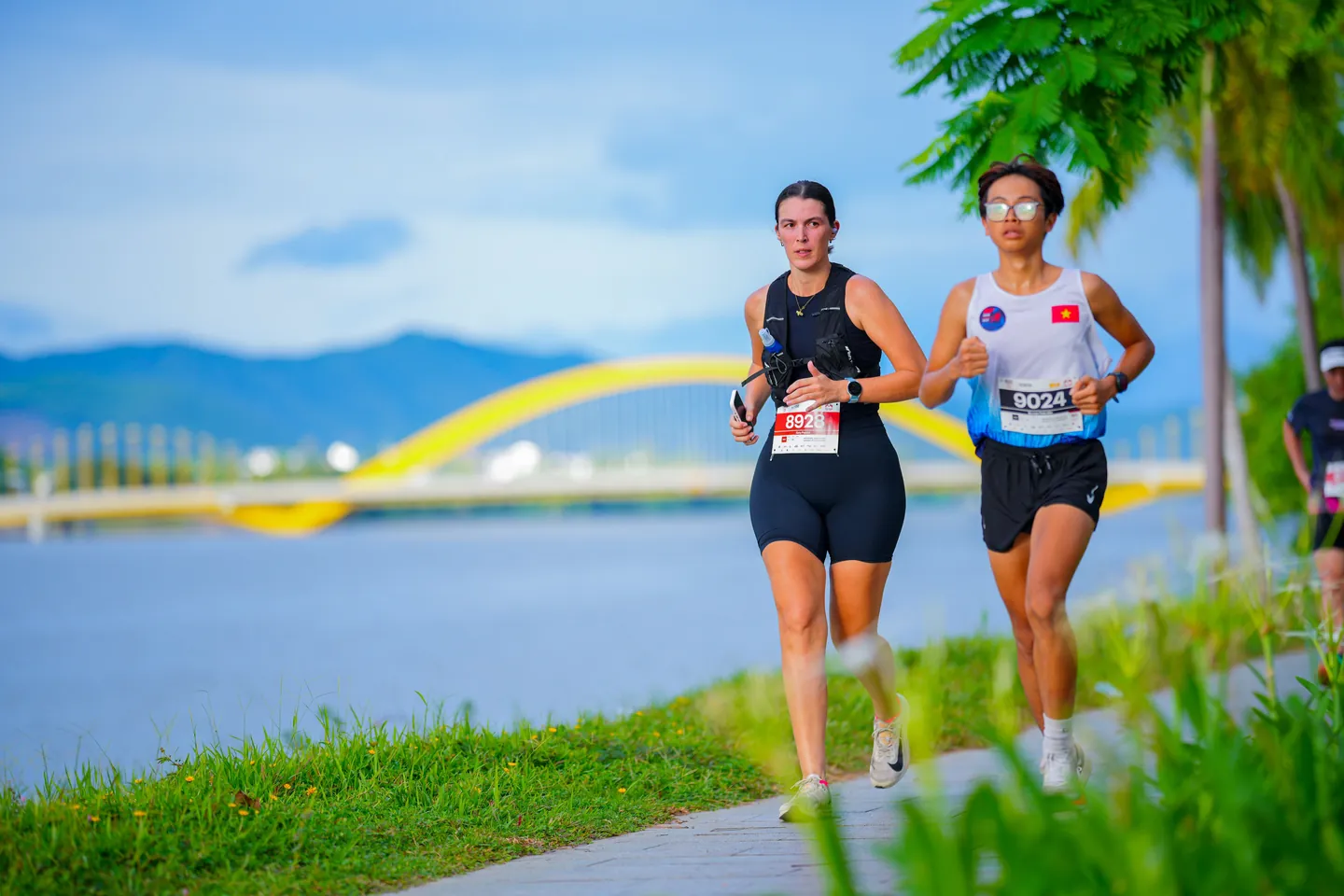
Imagen: VANNGO Ng / Pexels
The 40th Zamora City Half Marathon was held on March 16, 2025, with a start at 11:00 from Plaza Mayor and a dual format that once again put the city on the map of popular running: 21.097 certified kilometers and a parallel 10-kilometer race.
The race confirmed an idea that is already part of the Castilla y León calendar: Zamora does not host just one event, but a full athletic day, with an urban course that blends heritage, competitive pace, and logistics that are easy for runners to understand. Bib pickup, schedules, and the start point were concentrated in a very recognizable setting, with the Municipal Sports City as the collection center and Plaza Mayor as the symbolic beginning of the event.
A race with history and its own weight on the calendar
The 2025 edition had a special value for a reason that goes beyond the bib number or the personal best. It was the 40th edition of a race that has earned a clear identity within Zamora’s popular athletics scene, with enough continuity to become a local reference and, at the same time, a well-known date for many runners from outside the province.
That historical weight matters because not every half marathon survives four decades with a recognizable personality. In Zamora, the race has managed to combine a competitive spirit with an urban route that invites you to run differently: with ancient stone, bridges, and the city skyline as a backdrop. This is not an anonymous race or an improvised event; it is a race with a story, a fixed date, and a structure that runners understand immediately.
In the case of 2025, the organizers kept the most useful formula for a day like this: a shared start, two distances, and technical control by the Zamora Judges Committee, with chip timing. That combination, more than an administrative detail, is the basis of the race experience, because it brings order, precision, and comparability to the times in an event that aims to attract both pace chasers and those who simply want to finish the effort with good feelings.
Date, time, and route: what defined the edition
The start was set for Sunday, March 16, 2025, at 11:00, a reasonable time for an urban event that needs to balance temperature, traffic, and atmosphere on the streets. Plaza Mayor in Zamora was the starting point, a location that adds a very powerful visual layer to any starting photo and that, in practical terms, makes it easier for runners and spectators to gather beforehand.
The main race was run over 21.097 kilometers, the certified half marathon distance, while the 10K shared the same time and start. The reference information does not include a detailed finish, but the previous edition and the event’s own logic point to an urban design that seeks to make use of the city center and its historic fabric. For the runner, that usually translates into a course with changing scenery, open streets, and a landscape that breaks the monotony of a pure out-and-back circuit.
The value of an urban half marathon like this is not only in the distance. It is in the way the city reveals itself while you run. Plaza Mayor, the central arteries, and the area around the Duero work as pieces of a map that turn each kilometer into something more than a number on the watch. That is one of the reasons Zamora remains appealing to those who prefer races with personality over generic courses.
Registration, price, and race deadlines
Registration was handled through Sportmaniacs and had a price of 15 euros until the closing date, according to official information from the Zamora Athletics Delegation. The deadline ended on Thursday, March 13, 2025, at 24:00, a standard timeframe for this kind of race, where the organizers need to finalize bibs, prepare runner bags, and adjust race-day services.
That financial detail matters because it places the race in a very accessible range for popular runners. With a fee of 15 euros, the Zamora City Half Marathon kept a contained pricing policy compared with other urban events over a similar distance. Refunds were only planned in the event of suspension due to force majeure, a common clause that protects logistical planning once the organizers have already committed resources.
It is also worth looking at the calendar precisely. Registration opened on January 21, 2025, and the race closed on the Thursday before race day, leaving a short window between the last administrative day and the Sunday event. That sequence helps explain the real rhythm of a popular race: first the list fills up, then the details are refined, and in the end everything depends on the city bending to the runners’ pace.
Bib pickup and logistics for the day before
Bibs were collected at the Municipal Sports City in two clear time slots: March 15, 2025, from 10:00 to 14:00 and from 17:00 to 20:00, and on race day itself from 9:00 to 10:30, before the start. This distribution makes it easier for runners to arrive in waves and avoids the bottleneck that often forms when everything is concentrated into a single hour.
From a practical point of view, this is one of the elements that most affects the participant experience. Final time is not the only thing that matters; the feeling of order on arrival matters too. A clear bib pickup process reduces friction, nerves, and doubts, especially in races that attract local runners and visitors who do not know the city in detail.
The logistics also reinforce the event’s identity. The Municipal Sports City appears as the preparation hub, while Plaza Mayor sets the main stage. Between those two points, the full structure of the race is drawn: a city that welcomes, organizes, and sends off runners with the ease of a place already used to seeing strides pass through its streets.
Two distances, the same racing pulse
The day brought together the half marathon and the 10K at the same time, a decision that expands the race’s reach without breaking its sporting coherence. That coexistence is one of the keys to the success of many urban races: it allows very different profiles to share the event, from those seeking a long aerobic challenge to those who prefer a shorter, faster distance.
The half marathon requires a different mindset, a different effort distribution, and a different reading of exertion. The 10K, by contrast, is more about sustained pace and threshold control, with less room for tactical mistakes. Sharing the same start does not make the two experiences the same; it places them in the same photo, but each runner lives a different story depending on their preparation and their goal for the day.
That dual format also explains why Zamora appeals to such different audiences. A runner preparing for their first half marathon finds an aspirational but manageable distance; someone more experienced can use the race to test their fitness; and anyone who does not want to go beyond a 10-kilometer race has a shorter but equally competitive option. That variety gives depth to the event and keeps it from becoming a closed circuit of monolithic races.
A city that supports the route with its urban landscape
Zamora brings something to this race that cannot be bought with a bib number: a setting. The historic center, the bridges, and the Duero skyline turn the route into a visual narrative that accompanies the effort. This is not a decorative detail. For many runners, the emotional geography of a race matters as much as the elevation profile or the number of aid stations.
The most valued urban half marathons usually share a simple virtue: they let you run without losing context. The runner does not feel isolated on a road without reference points, but inside a city that breathes all around them. In Zamora, that feeling is strengthened by the human scale of the streets and the presence of very recognizable landmarks, which give the passage of kilometers a richer texture.
In a race like this, the surroundings act almost like a visual metronome. The stone, the squares, and the avenues create a sequence of images that help mentally organize the effort. That does not reduce the toughness of the 21.097 kilometers, but it does make it easier to remember, which is no small thing when talking about popular races.
What a certified half marathon means for the runner
Distance certification is a sporting guarantee. In an official half marathon, 21.097 kilometers is not an approximate figure, but a course measured under valid criteria for comparing times and giving meaning to the result. For popular runners, this matters more than it may seem: finishing a variable-distance fun run is not the same as recording a time in a standard race.
Chip timing also matters. That system minimizes errors and provides a cleaner reference for the actual race time. It does not turn the experience into a cold formality, but it does add rigor. The clock stops being an intuition and becomes useful data, especially valuable for anyone arriving in Zamora intending to measure progress or achieve a specific mark.
The combination of certification, chip timing, and stable organization explains why these races continue to attract runners with different profiles. A well-organized urban half marathon works as a bridge between the enthusiast who runs by feel and the runner who needs to compare results accurately. Both ways of running fit into the same morning.
Why Zamora remains appealing to popular runners
The race’s strength lies in its balance. It does not need grand staging or exaggerated marketing to attract interest. It is enough to have a well-established date, a recognizable route, an official distance, and a city that provides a distinctive urban backdrop. That restraint is, paradoxically, one of its greatest virtues.
In the Spanish runner’s calendar, the abundance of races can turn choosing one into a filtering exercise. Some races stand out for the number of participants, others for the speed of the course, others for the scenery. Zamora brings together several of those factors without creating noise: history, city, reasonable price, and dual format. That mix makes it useful for very different profiles.
The race also says a lot about a way of understanding popular running that does not depend only on major capitals. Medium-sized cities and their races sustain a fundamental part of the calendar, with events that give meaning to the year-round work of clubs, judges, volunteers, and local runners. Without that network, the map of popular athletics would lose its shape.
The real weight of the details that do not appear on the bib
The bib tells part of the story, but not all of it. Behind the half marathon there is a set of small decisions that define the experience: the pickup schedule, the clarity of the rules, runner care, the timing system, and the location of the start point. When everything fits, the race feels simple; when something fails, the runner notices immediately.
That is why the Zamora case is interesting beyond the sporting result. The 2025 organization confirmed a commitment to operational clarity and a format that is easy to understand without too many detours. Central start, two distances, affordable bib, and a well-defined deadline: that is the skeleton of many races that work year after year.
The public information also shows a refund policy limited to force majeure, which fits the logic of a race that needs certainty to close its setup. It may seem like a minor detail, but for the serious runner it is part of the implicit contract with any event: knowing what to expect, what the entry includes, and under what conditions the race operates.
An event that sums up the value of urban running in Castilla y León
The 2025 Zamora City Half Marathon was much more than a date on the calendar. It represented a way of understanding urban running in which heritage, a certified distance, and economic accessibility support one another. There is no unnecessary artifice, and precisely for that reason the race retains credibility.
On March 16, 2025, Zamora offered a familiar scene for any popular athletics fan: runners gathered in the center, chip timing, two distances, and a city open to effort. What remains afterward is not just a ranking. It is also the image of a race that has secured a stable place on the map, with enough personality to keep drawing in those looking for more than just adding kilometers.
In times of crowded calendars, that consistency is worth a lot. The Zamora race does not need to present itself as an extreme experience or a passing novelty. It is enough that it keeps being what it is: a solid urban half marathon, with 40 editions behind it, a route with identity, and an organization that makes clear why some events become regular fixtures for runners while others disappear without a trace.



How to prevent thigh chafing: causes and real solutions

Women’s running windbreakers: seven jackets and how to choose

Do more workouts get rid of soreness? A guide for runners

Jaén Half Marathon 2026: Record 3,800 Runners Registered

Men’s short running tights: how to choose the right pair

World Triathlon confirms data breach involving medical data

Izan Edo targets podium at Miyazaki World Cup

María Pérez ranks ninth in World Athletics’ 2026 top ten

Dos Santos, Duplantis and Sawe: World Athlete of the Year finalists

San Silvestre Vallecana 2026: 42,000 places, prices and start times

 Races3 months ago
Valencia Half Marathon 2027: date and registration

 Races3 months ago
Valencia Marathon 2026: entry, ballot and course

 Reviews and Comparisons4 months ago
Asics Gel-Roadmiles 3 for men: review and current price

 Reviews and Comparisons4 months ago
Asics Gel Sonoma 8 Gore-Tex: complete analysis for trail and rain

 Sneakers3 months ago
Saucony Endorphin Pro 4: full review and verdict

 News5 months ago
Strava API 2026: what changes for clubs, challenges and runner apps?

 Reviews and Comparisons5 months ago
Nike Alphafly 3: opinions, sensations, and real key points

 Reviews and Comparisons4 months ago
Under Armour running shoes review 2025-2026: models and key features

 Sports Equipment4 months ago
Shoe sizes in cm: a clear guide to getting the right fit for your footwear

 Sneakers3 months ago
Skechers GO RUN Consistent 2.0 analysis: comfort and limits

 News5 months ago
Valencia Marathon 2026 route: key tips to train and run better

 Sneakers4 months ago
Adidas Adizero Boston 13 for men: review and verdict