Routes
Sagunto beach route: coastal drive for a traffic-free summer in Valencia
A seaside itinerary in Sagunto that links beach, urban landscape, and industrial memory with easy access.

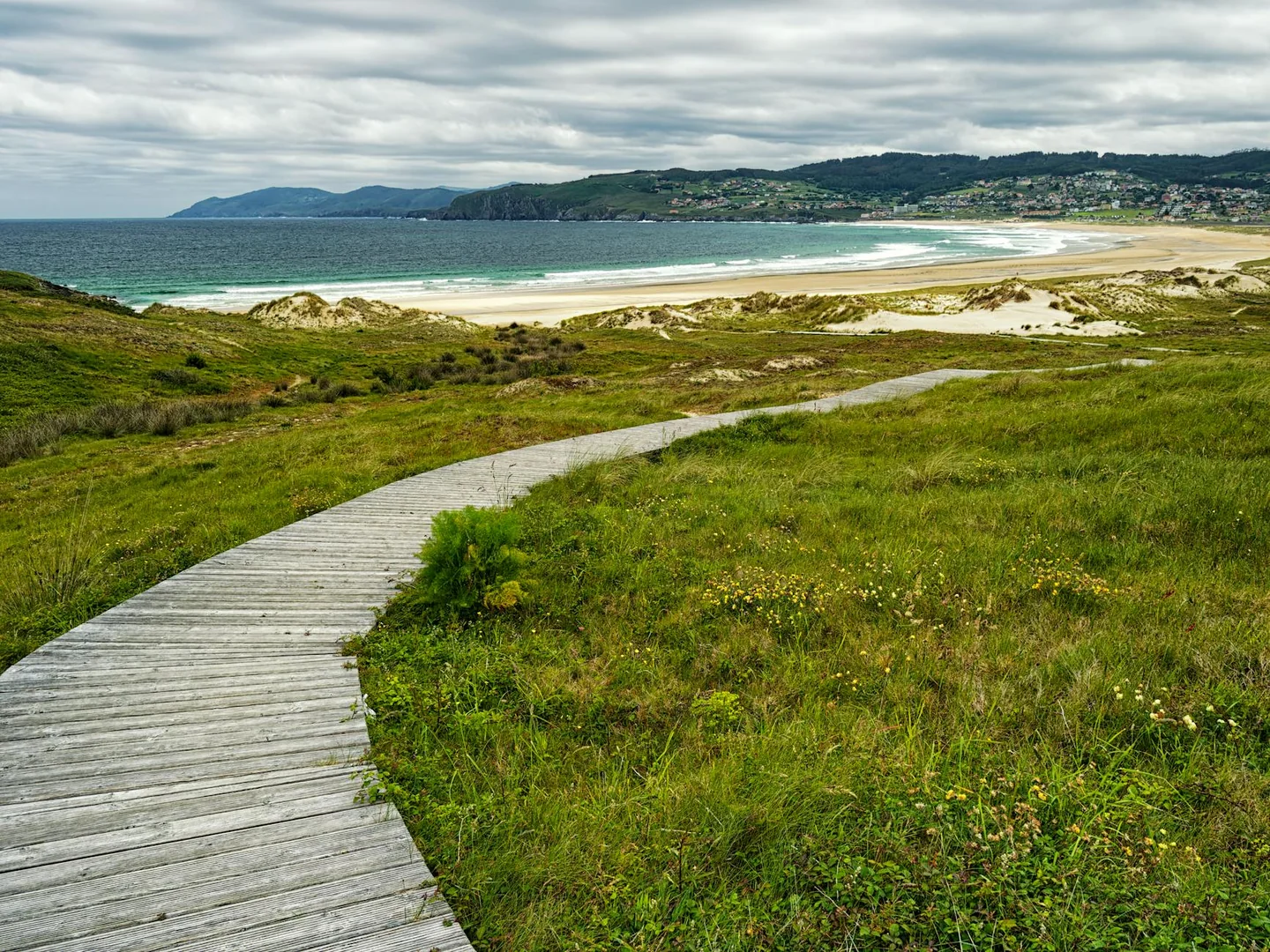
Imagen: Carsten Ruthemann / Pexels
Sagunto’s coastal strip offers one of the most complete walks on the Valencian coast: wide sand, a seafront promenade, traces of the old steel industry and the mouth of the Palancia in a single route. The path is comfortable, almost always flat and suitable for walking, gentle jogging or cycling at an easy pace, with the sea as a constant reference and the industrial urban area in the background, like a curtain of steel and salt.
The appeal is not only on the beach. The mix of landscapes also carries weight: the open sandy stretch of Puerto de Sagunto, the line of the promenade, the area of the old jetty, the church of Begoña and the memory of the Altos Hornos, which still mark the identity of the place. That combination turns this outing into a short route, but with more layers than it first appears to have.
A coastline that is easy to explore and full of personality
Sagunto beach and its immediate surroundings are a friendly terrain for walking. The shoreline usually has a clean, wide layout, with little technical complexity and none of the wear typical of mountain paths or abrupt stretches. That is why it works so well for relaxed outings, on days with moderate wind or on days when you want to add kilometres without overloading your legs.
The route is mostly on flat ground, with minimal elevation gain and a very simple reading of the space. That lets you enjoy the surroundings without having to fight slopes or complicated detours. The feeling is similar to following a line drawn on the sand: the sea on one side, the promenade on the other and, in some stretches, the presence of the industrial past reminding you that this coast is not just a postcard.
That balance between comfort and character explains why this area often appears in routes shared by hikers and cyclists. It is not a classic mountain excursion, but neither is it just a simple seafront stroll. It has its own identity, closer to coastal tourism with memory than to a beach used purely for holidays.
Where to stay near Sagunto
Accommodation in the area, with prices. Choose your dates on the map.
Affiliate links: if you book through this map we earn a commission, at no extra cost to you.
The stretch that best sums up the experience
The most representative route links the seafront promenade with the beach and the mouth of the Palancia. That axis concentrates much of what defines Sagunto’s coastline: the breadth of the sandy area, the river reaching the sea and the mix of leisure areas with quieter spaces. In a short time, you go from the activity of the seafront to an area where riverside vegetation sets a different rhythm.
The mouth of the river offers an interesting contrast. Fresh water arrives among reeds and dense vegetation, a very Mediterranean landscape in which nature pushes through with a wilder texture. The Palancia does not flow into the sea like a perfect set piece; it does so with the irregularities and vegetation typical of a Mediterranean riverbed, and that gives the surroundings a sense of truth.
From the point of view of the walk, that change of atmosphere works almost like a scene transition. The noise of the avenue, the beach bars or the distant traffic gives way to the murmur of water, birds and a more humid kind of calm. It is a short stretch, but visually effective, one of those that leave a clear image of the coastline in your memory.
Between the jetty and industrial memory
The old jetty of Puerto de Sagunto is one of the most recognisable landmarks on the route. Its silhouette, although damaged by storms and with parts that can no longer be walked on, remains a powerful reference for understanding the scale of the port and industrial activity that shaped the municipality. It is not a decorative piece: it is a material trace of another economy, another coast and another time.
Very close by is the church of Begoña, built in 1929 and linked to the Basque community that drove part of the local steel development. Its neo-baroque style and its almost unexpected presence beside the coast add an urban twist to the walk. In just a few streets, the visitor goes from the beach to a building that recalls the origins of an industrial colony and a mixed identity, very typical of Puerto de Sagunto.
The Blast Furnace also appears, probably the most powerful visual symbol of that past. Its presence, now turned into industrial heritage, serves as a reminder that this city was built around iron, the port and work. On a coastal route, coming across a structure like this creates a singular effect: the salty breeze coexists with rusted iron, and the landscape gains a historical density that is unusual on a beach walk.
What walking by the river and the sea brings
The value of this outing lies in the continuity between two worlds: the open coastline and the river mouth. In many destinations both spaces are separated, but here they brush against each other naturally. The result is a route that is very suitable for those looking for gentle physical activity with a clear scenic component, without giving up a richer reading of the territory.
The riverside vegetation provides partial shade and a sense of visual shelter that contrasts with the horizontality of the beach. The sea, on the other hand, offers breadth and a clean horizon, almost without obstacles. That alternation between vegetal enclosure and maritime openness is one of the most pleasant features of the itinerary, because it avoids monotony and keeps the interest alive even on a short route.
In addition, the walk can be adapted well to different times of day. Early in the morning, the light is usually softer and the sand reflects pale tones; at sunset, the line of the sea becomes warmer and the shadows of the urban front stretch the scene. The same stretch seems different depending on the time, something that people who repeat the walk or training sessions in the area usually appreciate.
Length, difficulty and profile of the route
The most documented coastal route in this area is around 8 kilometres in a circular format, with a very low elevation gain, close to 28 metres accumulated. That places it at an easy and accessible level for most people with average fitness. It does not require technique or special equipment beyond common sense, suitable footwear and water if the walk is extended or takes place in hot weather.
In practical terms, the profile is that of a very friendly route, ideal for adding activity without mountain-level demands. The terrain is usually stable, with a clear reading of the itinerary, and the greatest effort depends more on the wind, the temperature or the chosen pace than on the topography. For runners looking for an easy run, the setting can also work well, especially on less crowded days.
The low difficulty does not make it any less interesting. On the contrary: in a coastline like this, simplicity lets you notice details that often go unnoticed. The colour of the sand, the texture of the reeds, the geometry of the promenade, the distant chimneys or the sound of the sea against the breakwater build an experience that does not need epic scale to feel complete.
When it makes the most sense to go
Mild days are the most rewarding for exploring this stretch. In summer, the heat can make a route that looks harmless on the map feel tough; in winter, the coastal wind can give it a harsher character. Spring and autumn usually offer the best balance between temperature, light and comfort, with less crowding on the beach and a clearer atmosphere for walking at an easy pace.
If you are looking for a quieter visit, the early hours of the morning or the late afternoon are usually the best. The low-angle light draws the outlines of the jetty, the church and the Blast Furnace better, and the coast gains texture. By contrast, at midday the walk can feel harder because of the radiation and the lack of shade along much of the seafront.
It is also worth keeping the sea in mind. On stormy days, the route can become more spectacular because of the waves and the grey atmosphere, though less comfortable. On calm days, the itinerary turns into a serene, almost domestic walk, in which the Mediterranean shows itself as a clean surface, without fuss.
What to look at to really understand the place
It is not enough to follow the promenade and return to the starting point. The interest of this coastal strip lies in observing how tourist use, everyday life and industrial heritage overlap. The same horizon can serve as a backdrop for a swim, a workout or a lesson in economic history. That coexistence of uses is what makes Puerto de Sagunto so distinctive.
It is worth stopping for a moment at the edge of the river mouth and looking back. From there, you can better see how the beach is not isolated from the rest of the municipality, but integrated into a broader urban fabric. The coastline is not an appendage; it is a central piece of the local identity, just as the port was when steel activity set the city’s rhythm.
The final impression is usually that of a place that does not limit itself to offering sand and sea. It also offers a reading of time. A beach can be just a beach, but here it is also an entry point into the recent history of the Valencian Community, a history of work, expansion and urban transformation that is still visible in its structures.
How it fits into a broader visit to Sagunto
This coastal walk pairs very well with Sagunto’s historic centre and its castle. The upper town brings stone, walls and Roman memory; the port, on the other hand, brings horizontality, industry and sea. Together, the two halves explain the municipality better than either one alone. It is an almost cinematic contrast between hill and coast, between defensive height and commercial openness.
Anyone planning a day in Sagunto can go from a quiet route by the beach to a climb up to the castle or a visit to the Roman theatre. That jump in scale in just a few kilometres helps explain why the municipality attracts such different profiles: hikers, heritage enthusiasts, families and endurance athletes. The beach does not compete with the historic city; it completes it.
That is why this outing also works as a prelude to, or complement of, a larger visit. The coastline helps you slow down, look at the sea and let the city explain itself calmly. It is a simple piece within a broader map, but precisely for that reason it is useful: it orders the territory and makes it readable.
A walk that leaves a mark without needing elevation
The Sagunto beach route stands out for its ease, its mixed landscape and its historical weight. It does not need big slopes or grand scenery to convince. It is enough with the sequence of sea, river, promenade and industrial memory, a combination that sums up the character of the Valencian coastline quite well when you look at it without rushing.
You are left with the feeling of having walked along a city edge that still keeps its own texture. The sea is still there, of course, but it does not act alone. It is accompanied by industrial heritage, the Palancia riverbed and a stretch of coast that has managed to bring together leisure, walking and memory. In Sagunto, the beach is not just a summer destination; it is also a way of reading recent history from the sand.



How to prevent thigh chafing: causes and real solutions

Women’s running windbreakers: seven jackets and how to choose

Do more workouts get rid of soreness? A guide for runners

Jaén Half Marathon 2026: Record 3,800 Runners Registered

Men’s short running tights: how to choose the right pair

World Triathlon confirms data breach involving medical data

Izan Edo targets podium at Miyazaki World Cup

María Pérez ranks ninth in World Athletics’ 2026 top ten

Dos Santos, Duplantis and Sawe: World Athlete of the Year finalists

San Silvestre Vallecana 2026: 42,000 places, prices and start times

 Races4 months ago
Valencia Half Marathon 2027: date and registration

 Races4 months ago
Valencia Marathon 2026: entry, ballot and course

 Reviews and Comparisons4 months ago
Asics Gel-Roadmiles 3 for men: review and current price

 Reviews and Comparisons4 months ago
Asics Gel Sonoma 8 Gore-Tex: complete analysis for trail and rain

 Sneakers4 months ago
Saucony Endorphin Pro 4: full review and verdict

 News5 months ago
Strava API 2026: what changes for clubs, challenges and runner apps?

 Reviews and Comparisons5 months ago
Nike Alphafly 3: opinions, sensations, and real key points

 Reviews and Comparisons4 months ago
Under Armour running shoes review 2025-2026: models and key features

 Sports Equipment4 months ago
Shoe sizes in cm: a clear guide to getting the right fit for your footwear

 Sneakers3 months ago
Skechers GO RUN Consistent 2.0 analysis: comfort and limits

 News5 months ago
Valencia Marathon 2026 route: key tips to train and run better

 Sneakers4 months ago
Adidas Adizero Boston 13 for men: review and verdict