Sneakers
Asics Superblast 2: complete analysis, uses and real price
Lots of cushioning, great grip, and a precise fit in an expensive but very versatile shoe for training and racing.

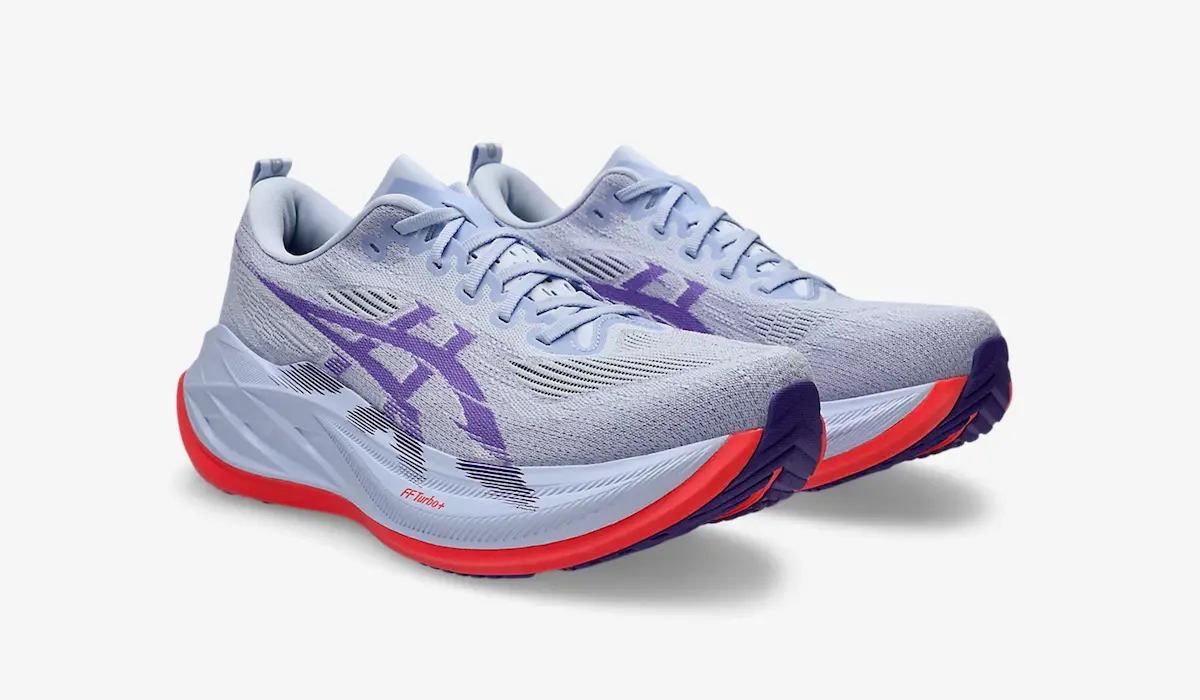
asics superblast 2
The ASICS Superblast 2 has established itself as one of the most distinctive road shoes out there: a lot of stack underfoot, restrained weight for its size, and a response that doesn’t need a carbon plate to feel fast. In practice, it works as a premium training tool capable of handling everything from brisk runs to long efforts, with enough margin to race a half marathon and marathon for many runners.
Its official price of 220 euros places it in the upper end of the market, and that’s where part of the debate lies. It’s not a model to buy on impulse or for someone looking only for comfort at easy pace. It is, however, a very complete shoe, with clear improvements over the first version in the upper, traction and durability, without losing the stability that made the Superblast family famous.
A supertrainer that doesn’t try to be like all the others
ASICS has gone for an uncommon approach: instead of pushing the Superblast 2 toward the extreme stiffness of a plated shoe, it has kept a supertrainer philosophy without unnecessary gimmicks. The result is a model with sensations closer to a highly evolved training shoe than to a disguised racer. That decision shapes the whole experience of using it.
The midsole combines FF Turbo+, a more refined and forgiving PEBA foam than the first generation, with a base of FF Blast+ ECO that adds structure, durability and a more stable ride. The mix doesn’t chase the most exaggerated rebound on the market, but rather a balance between protection, transition and control. That’s why the shoe can work well in quality sessions, but also hold up over long miles without falling apart.
That hybrid character explains why so many runners see it as an almost total package. It has the volume to cushion, the base to support, and enough spark to speed up when the pace changes. In a time when many high-end shoes specialize too much, the Superblast 2 stands out precisely for the opposite: it does a lot without losing its own identity.
Midsole: the heart of the shoe
The most important reading of this model is underfoot. The heel stack reaches 42.8 mm in lab measurements and the forefoot sits at 34.6 mm, with a real drop of 8.2 mm. That geometry places the Superblast 2 among the tallest shoes on the market, but without falling into the clumsiness that sometimes comes with such bulky designs.
The key is how those millimeters are distributed. The top layer of FF Turbo+ brings a more elastic and pleasant feel than the previous foam, while the lower base helps keep the shoe from feeling too soft or unstable. The ride doesn’t feel overly spongy, but it isn’t harsh either. That’s one of the reasons so many runners find it so easy to take on long training runs.
The Superblast 2 also keeps a visible rocker geometry, though less aggressive than its size might suggest. The transition favors both heel strikers and runners who load more toward the midfoot or forefoot. It doesn’t push violently, but it does guide you. And that, in a training shoe meant for broad use, is worth more than it seems: it lets you run relaxed without feeling like the shoe is forcing a single pace.
Impact absorption is one of its strong points. Lab measurements place it at 130 SA in the heel and 138 SA in the forefoot, a particularly interesting figure because it shows it protects even more up front than in the rear. For runners who punish the forefoot on long runs or string together hard days, that’s no small detail.
Grip and outsole: where version 2 really corrects things
The first Superblast was already notable, but the outsole still had room for improvement, especially because of the grooves that could trap stones and a more modest performance in wet conditions. With the Superblast 2, ASICS gets straight to the point: it has removed those annoying gaps, increased rubber coverage and switched the compound to ASICSGRIP, a premium material that offers much more confidence on wet asphalt.
Wet traction tests place it at an outstanding level, with a score of 0.83, well above the lab average. In real-world terms: the shoe feels secure on crosswalks, manhole covers, polished sections and cold asphalt after rain. It’s not an absolute guarantee on every surface, but it is one of the strongest options among training super shoes.
It has also improved wear resistance. Abrasion measured with a Dremel left only 0.5 mm of damage, an excellent result for such a light, performance-oriented model. The combination of grip and durability is one of the reasons the Superblast 2 justifies its price better than other models with flashy specs but more fragile outsoles.
The outsole pattern, moreover, no longer feels like decoration. The design helps the foot roll through and assists on uneven surfaces or with a bit of debris. It doesn’t turn the shoe into a trail hybrid, but it does broaden its usable range beyond perfect asphalt. That real versatility, not the marketing kind, is one of its most valuable virtues.
Upper, fit and sizing: better finish, same core idea
The upper has taken a clear step forward compared with the first version. ASICS has used a woven engineered construction, with different densities and very well-resolved ventilation in the forefoot. The change is noticeable both to the touch and while running: there’s more structure, more visual order and a more polished, more mature feel.
Breathability is excellent, with a top lab rating. That matters especially in a model designed for long distances and summer use, where heat can ruin a good geometry. Here, air moves quite freely without the mesh losing cohesion. It’s an upper that breathes and holds at the same time, a balance that isn’t always easy to achieve.
The fit, however, remains performance-oriented. The last hugs firmly and the forefoot isn’t generous. In the lab, the internal width at the widest point measured 94.7 mm and the forefoot 72.3 mm, figures that confirm a rather snug feel. It’s not an extremely narrow shoe, but it also doesn’t suit wide feet or very high insteps very well.
In sizing, the behavior is true to expectations: it fits true to size, without odd surprises. Anyone who regularly wears ASICS will find a familiar experience, though it’s worth keeping in mind that this model is meant to lock the foot in, not let it move around inside. The tongue is thin, with just 1.7 mm of padding, which reduces weight but also takes away some forgiveness for those who need more softness over the instep.
Stability and stiffness: a tall shoe that doesn’t collapse
One of the most striking achievements of the Superblast 2 is that it maintains very high stability despite its huge profile. That’s not common. A midsole this tall usually creates a boat-like or wobbly-platform feeling, but ASICS has offset the height with a wide base, well-worked sidewalls and a more robust upper that holds the whole package together better.
Torsional rigidity is maximum, and that may sound contradictory in a shoe without a plate. In reality, what happens is that the whole platform feels rigid because of its volume and geometry, not because of an internal slab. That helps running efficiency and avoids lateral energy loss, although it also means this model isn’t for those looking for marked flexibility underfoot.
The heel area, for its part, is firm without becoming harsh. That choice balances comfort and support, something very sensible in a shoe meant to rack up miles. It doesn’t squeeze where it shouldn’t, but it also doesn’t let the foot move too much when fatigue sets in and form starts to break down.
The overall impression is of a tall but controlled shoe, capable of handling varied paces without getting out of hand. For runners with some efficiency or a solid technical base, it gives a very strong feel. For others, it can feel a bit demanding at first, especially because of the last and the thin tongue.
Weight, dynamism and real running feel
On the scale, the Superblast 2 comes in at 252 grams in the lab sample. It’s not featherlight, but it is an excellent figure for a shoe with that level of cushioning. The increase over the previous version is there, though in running it’s barely noticeable. In fact, the body tends to keep the feeling of relative lightness more than the exact number.
What’s interesting isn’t just how much it weighs, but how well it hides that weight. The rocker, the well-dosed firmness and the stable platform help the shoe avoid feeling heavy at faster paces. On brisk runs, pace changes and fartlek, the Superblast 2 responds with a rare ease for such a tall shoe.
It’s not meant to sprint like a pure racer or turn on a dime like an aggressive lightweight trainer, but it is meant to cruise confidently at almost any reasonable pace. In a marathon, that has a huge advantage: the shoe doesn’t become clumsy when the runner is already tired. It keeps helping. It keeps supporting. It keeps leaving room to push a little more if the legs answer.
The energy return measured in the lab, at 65.4%, is good, though not dazzling for the price. That’s one of the few shadows over this model. The cushioning convinces more than the pure rebound, and that means you need to understand exactly what kind of shoe this is: a very capable tool, not an explosive lab machine.
Who this model suits best
The Superblast 2 works especially well for runners looking for one pair to cover much of their week, without giving up high-end sensations. It’s a very logical option for marathoners who want a cushioned, fast and stable shoe, with room to use it for long runs, threshold work, pace changes and half and full marathon racing.
It’s also very appealing for those coming from more traditional models and wanting to step up to more efficient footwear without entering rigid-plate territory. That profile usually appreciates a shoe that doesn’t force them to run only one way. The Superblast 2 lets you run easy, progressive or lively without changing tools every day.
Its other great virtue is stability. Medium- to heavier-weight runners, or simply users who value a firm base under a large dose of cushioning, will find a very balanced response here. The shoe doesn’t sink or get out of control, and that inspires confidence at sustained paces, where fatigue often magnifies the flaws of many very soft models.
On the other hand, it’s not the best choice for those with wide feet, for those who prioritize a very plush feel, or for anyone looking for the absolute best value. Nor is it a sensible buy if the intended use is only short, easy, relaxed runs. There are cheaper alternatives that make more sense for that purpose.
What puts it above many rivals
Compared with other premium training shoes, the Superblast 2 wins through the sum of details, not one single knockout feature. The upper improves, the outsole improves, durability improves and stability remains. That combination is what makes it so dangerous for the competition: it doesn’t just shine in one metric, but in almost all the important ones.
There are models that offer more immediate rebound, others that feel softer and some that cost less. But few combine so much stack, so much wet-weather security, so much durability and so much versatility without feeling bulky or clumsy. That mix is what has made it a coveted shoe among many runners who train often and value consistency over fleeting flash.
The price remains the big obstacle. There’s no way to soften it too much: 220 euros is a lot of money for a shoe, even in the high-end segment. However, the cost makes sense if you think in terms of heavy use, because the model is built to last and to partly replace two more basic shoe types in the rotation.
ASICS has also avoided the common mistake of inflating the spec sheet with elements that barely show up on the road. Here there are serious decisions: premium rubber, an engineered mesh, quality foam and a geometry worked with intent. It’s an expensive shoe, yes, but not an empty one.
The reservations worth keeping in mind
The first reservation is obvious: it’s not a cheap shoe. Anyone wanting to justify it should think in terms of usage volume, not emotional buying. If it’s only going to be used once in a while, the outlay loses a lot of sense. Its value appears when it racks up miles and replaces several less capable options.
The second is the fit. The last runs narrow and the tongue is very thin, two aspects that may delight some runners and create friction for others. In a shoe this expensive, that detail can matter. A premium piece isn’t always a comfortable piece for everyone, and here ASICS hasn’t wanted to soften the model’s character too much.
The third is energy return. It’s good, but not spectacular relative to the price. Anyone looking for the most explosive feel on the market will probably end up looking at other models, especially if they prioritize racing at very high paces over training with continuity and stability.
The fourth is that there’s no magic size for big or wide feet. The shoe is very well executed for a performance fit, but not for turning a snug last into a roomy one. That won’t be fixed by going up half a size in every case; in fact, it can make the overall feel worse.
How it stacks up against other well-known models
Compared with models like the Novablast, Endorphin Speed or Mach X, the Superblast 2 plays in another league in overall construction, though not necessarily in value for money for everyone. The Novablast offers more accessibility and a less demanding feel; the Endorphin Speed tends to be more aggressive and faster at lively paces; the Mach X sits in the middle with a different transition personality.
The Superblast 2’s differentiating advantage lies in its combination of stability, grip and versatility. In wet conditions, for example, it gives a confidence that softer or more rebound-focused rivals don’t always offer. And on long runs, its tall but solid platform helps keep muscular fatigue in check. It doesn’t aim to be the most radical, but the most complete.
That brings it very close to a benchmark shoe for training a lot and racing smart. It doesn’t replace a carbon racer for someone chasing absolute maximum performance in short, fast races, but it can do that for runners who want a very reliable tool, with no surprises and room for almost everything.
That is, probably, the real reason behind its reputation. Not because it does one thing better than everything else, but because it does many things at the level a demanding runner expects from a premium shoe. And in a market full of flashy but unbalanced models, that still carries a lot of value.
A shoe that shines for what it keeps and for what it fixes
The ASICS Superblast 2 improves where it needed to and doesn’t break what was already working. That’s the most honest summary. More ventilation, better material fit, a safer outsole, better durability and a ride that keeps the stability of the first version. All of that with a weight that remains very reasonable for the size of the platform.
It’s not a perfect shoe, because perfection in running almost never exists. It has a high price, a demanding fit and a rebound that isn’t as impressive as its tag might suggest. But its overall balance is notable, and its ability to serve as a single shoe for many runners is hard to match.
Deep down, that’s the big reason the Superblast 2 keeps generating so much interest. It’s a shoe that feels built to last, perform and not overdo it. In a catalog where many options promise more than they end up delivering, that well-executed restraint is worth almost as much as flash.
For anyone looking for a supertrainer capable of training fast, piling up miles and standing the test of time with confidence, the Superblast 2 sits among the most serious options on the current market. It doesn’t need to exaggerate to leave a mark. It just needs to work very well, almost always, and do it with a stability that never goes out of style.
You may also like: Opinions on the ASICS Superblast: complete analysis and real-world use.
Este artículo contiene enlaces de afiliado: si compras a través de ellos, se genera una pequeña comisión sin coste adicional para ti. Más información.



How to prevent thigh chafing: causes and real solutions

Women’s running windbreakers: seven jackets and how to choose

Do more workouts get rid of soreness? A guide for runners

Jaén Half Marathon 2026: Record 3,800 Runners Registered

Men’s short running tights: how to choose the right pair

World Triathlon confirms data breach involving medical data

Izan Edo targets podium at Miyazaki World Cup

María Pérez ranks ninth in World Athletics’ 2026 top ten

Dos Santos, Duplantis and Sawe: World Athlete of the Year finalists

San Silvestre Vallecana 2026: 42,000 places, prices and start times

 Races4 months ago
Valencia Half Marathon 2027: date and registration

 Races4 months ago
Valencia Marathon 2026: entry, ballot and course

 Reviews and Comparisons4 months ago
Asics Gel-Roadmiles 3 for men: review and current price

 Reviews and Comparisons4 months ago
Asics Gel Sonoma 8 Gore-Tex: complete analysis for trail and rain

 Sneakers4 months ago
Saucony Endorphin Pro 4: full review and verdict

 News5 months ago
Strava API 2026: what changes for clubs, challenges and runner apps?

 Reviews and Comparisons5 months ago
Nike Alphafly 3: opinions, sensations, and real key points

 Reviews and Comparisons4 months ago
Under Armour running shoes review 2025-2026: models and key features

 Sports Equipment4 months ago
Shoe sizes in cm: a clear guide to getting the right fit for your footwear

 Sneakers3 months ago
Skechers GO RUN Consistent 2.0 analysis: comfort and limits

 News5 months ago
Valencia Marathon 2026 route: key tips to train and run better

 Sneakers4 months ago
Adidas Adizero Boston 13 for men: review and verdict