Sneakers
Good running shoes for cross country: a guide to choosing
How to choose cross-country footwear based on terrain, technique, distance and available budget.

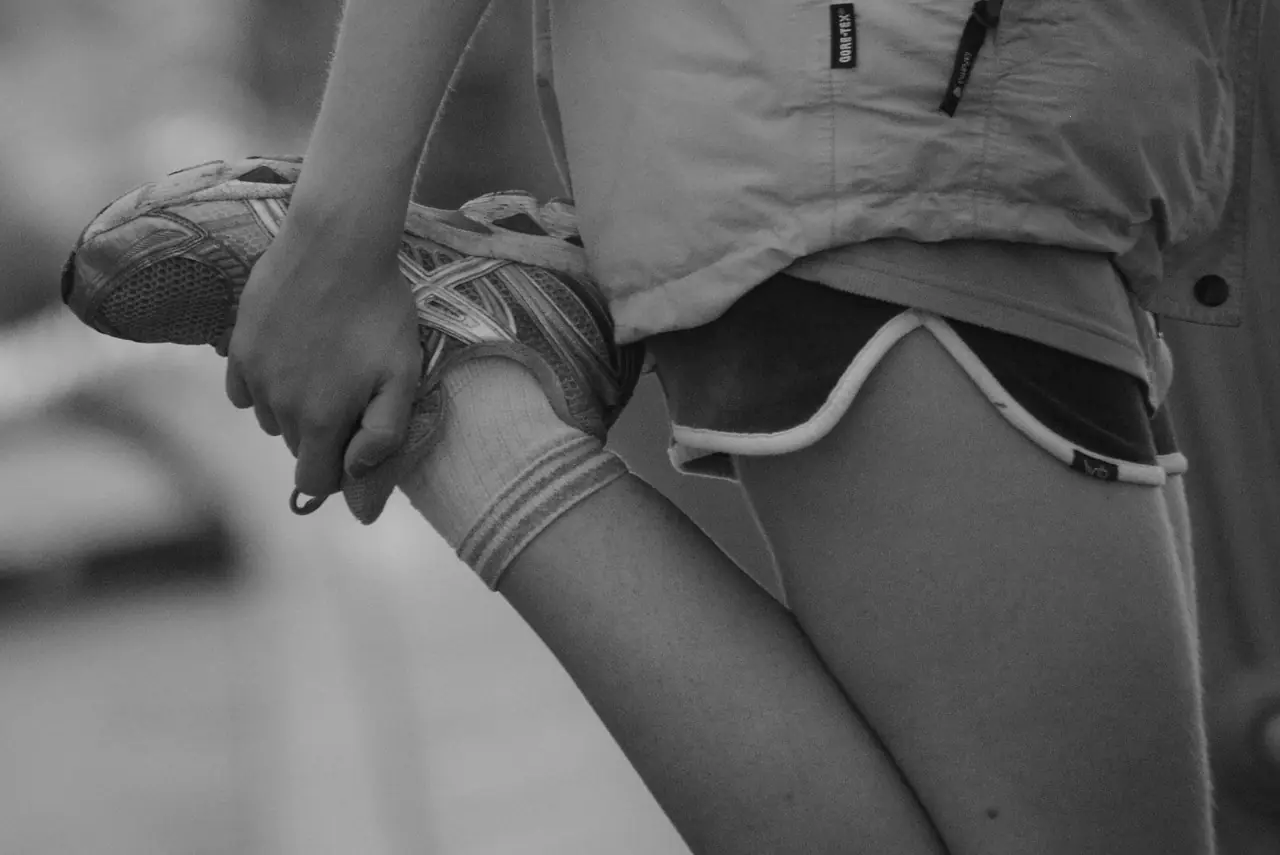
Mud, wet grass, tight corners and changes in elevation make cross country very different from road running. Good shoes for cross country are not necessarily the softest or the most technologically advanced: they need to provide grip, stability, protection and a secure fit without interfering with the stride.
The choice mainly depends on the course. On soft or muddy ground, a purpose-built spiked model can make a real difference; on dry, compact routes, lightweight trail shoes or even road racers may be more comfortable. Runner weight, foot-strike technique, distance and race rules also matter.
The terrain matters more than the label
Cross-country races may take place on grass, dirt, gravel paths, artificial turf, cinder tracks or paved sections. Every surface requires a different response. A wet, hilly course needs a sole that can penetrate the ground, while a dry, firm route rewards a flexible, lightweight shoe with quick transitions.
The idea that one shoe works for every race is misleading. Deep lugs grip loose soil well but may feel awkward on asphalt. Conversely, a road racer moves quickly on hard straights but loses confidence when turning on grass. The best starting point is to understand the entire course, not just its distance.
Spikes or no spikes: the main decision
Spikes provide the most aggressive traction because their metal elements penetrate grass and soft soil. They are particularly useful on hills, sharp corners, mud and wet grass, where a conventional outsole can slip just when the athlete needs to drive forward. Cross-country models often accept different spike lengths and shapes for different surfaces.
That grip comes with a price. The foot strike becomes more direct, the calf works harder and the heel contributes less to landing. Runners who land clearly on the heel or have never used this type of footwear need a gradual transition. Spiked shoes should not be worn for the first time on race day: the sensation can be very different, even for runners used to road models.
On flat, dry courses with lots of compact ground, spikes may be unnecessary. A spike-free cross-country model, lightweight trail shoe or road racer can offer more comfort when the route includes concrete or asphalt. Some organisers also limit spike use, their length or the sole design, so the rules for each event should be checked before racing.
Specific models that stand out in competition
High-performance options include models such as the Nike ZoomX Dragonfly XC, adidas Adizero Avanti XC and On Cloudspike XC. These are competition shoes with low profiles, close-fitting constructions and removable spike systems. The Dragonfly XC stands out by combining energetic foam with a sufficiently protective platform for longer distances, although its roughly 181 grams and price close to 175 euros place it in the premium range.
The adidas Adizero Avanti XC uses a wider platform, which is valuable for runners who need room in the forefoot or appreciate a stable feeling through corners. It weighs around 190 grams, but that is balanced by a secure ride and responsive midsole. The On Cloudspike XC, at about 153 grams, offers a more direct connection to the ground and a durable construction, although its aggressive profile requires good muscular adaptation.
The Nike Zoom Victory Waffle 5 is aimed at runners who prioritise low weight and agility. At around 130 grams, it moves quickly on grass and soft terrain, but its narrow shape and limited protection will not suit every foot. Speed on paper should not hide a basic rule: a racing shoe only works when the foot remains stable and free of pressure points.
Spike-free alternatives for dry courses
Lightweight trail shoes are a sensible alternative when a course combines compact dirt, dry grass and some rocky sections. The HOKA Zinal 2, for example, uses a Vibram outsole with lugs of about 3.7 millimetres and provides enough traction for fast trails. Its cushioning and breathability suit longer training runs, although its midsole height may not comply with the limits of some official competitions.
Road racing shoes can also work when the course is firm and well drained. The Nike Vaporfly 4 provides low weight, responsive foam and a carbon-fibre plate, but its outsole is not designed for mud or grassy corners. On a mixed course, any advantage on the straights can disappear completely when grip is lacking. A fast midsole can never replace a suitable outsole.
For training or popular races, the priority is often different. A trail shoe with moderate lugs and good protection is more versatile than an elite spike model, especially when the course is not perfectly defined. Versatility makes it possible to run to the course, train on nearby paths and handle changing surfaces without wearing the outsole prematurely.
Affordable options for getting started
The price of cross-country models can range roughly from 75 to 175 euros. At the more accessible end are the Nike Rival Waffle 6, Nike Rival XC 7 and adidas Adizero XCS, with reference prices that often range from 50 to 85 euros depending on the version and promotions. These shoes are generally more flexible and forgiving than super shoes, which is useful during early training.
The Nike Rival Waffle 6 offers a stable base, highly breathable mesh and a waffle outsole that works well on dry grass and dirt tracks. Its limitation is energy return: it does not provide the same explosive feeling as a premium model. That matters little to a runner learning cross country, training regularly or entering a race without chasing an elite-level time.
Buying cheaply does not mean choosing an unsuitable shoe. It is worth checking that the heel does not lift, that the toes can move and that the spikes, if included, can be replaced. An affordable shoe with the right fit can provide more confidence than a 170-euro option that is too narrow or too demanding for the runner’s technique.
The fit should hold without restricting
In cross country, the foot moves laterally more than it does on a straight road section. The heel must therefore be locked down and the midfoot should not slide inside the shoe. The laces need to secure the instep without compressing it, while the toe box should leave a few millimetres of room to prevent the toes hitting the front on descents.
A wide last is not always better, just as a close fit is not always faster. The adidas Adizero Avanti XC offers more room and stability for larger feet; the Nike Zoom Victory Waffle 5, by contrast, has a narrower, more competitive build. The decision should account for actual foot width, toe shape and the thickness of the socks used in competition.
The most useful test takes place at the end of the day, when the foot is usually slightly more swollen. Walk, flex the shoe and simulate several lateral movements. The big toe should not touch the front and the heel should not lift when climbing stairs or changing direction. A correct fit is revealed by the absence of unnecessary movement, not by constant pressure.
Weight, cushioning and protection
Weight matters particularly in short races, where every change of pace counts. As a reference, the specific cross-country models in the available material average around 158 grams in a US men’s size 9, although the spread is wide: the lightest options fall to about 130 grams and the more protected designs approach 190.
Reducing weight can improve agility, but it also means giving up material, cushioning or durability. The Dragonfly XC and Avanti XC show that a slightly more substantial midsole can preserve comfort over longer distances. At the other end, a very low shoe transmits the ground more clearly and helps through corners, but leaves less margin against rocks, roots and uneven landings.
Cushioning should match the surface. Asphalt is harsher than grass, and a race with several kilometres of pavement may justify a more protective platform. On soft terrain, excessive height can reduce precision. The most useful balance is usually a midsole that absorbs impact without lifting the foot too far from the ground.
The outsole and upper take a beating
Mud enters the grooves, wet grass soaks the mesh and branches strike the toe box. For that reason, a cross-country upper must withstand more than a track spike shoe. Very open mesh breathes better, but may retain less water and offer less protection against obstacles.
Durability deserves special attention in the forefoot. The On Cloudspike XC stands out for a construction that is both durable and breathable, two qualities that rarely appear together so clearly. The Nike Rival Waffle 6 also offers a reasonable balance between resistance and price. Some ultralight shoes, however, sacrifice material in the toe box and should be reserved for racing or gentle terrain.
Rubber lugs of 3 to 4 millimetres are usually enough for compact, dry trails. In deep mud, metal spikes provide a stronger bite. On asphalt, prominent lugs wear quickly and can change stability. Cleaning the outsole after every run prevents soil from hardening around the spike sockets and makes actual wear easier to inspect.
Adapting to spikes without overloading the legs
The transition should be short and gradual. Early sessions can be limited to 100 to 500 metres on grass, alternating sections with normal running shoes. Distance should increase only if there is no discomfort in the calves, soleus, shin or Achilles tendon. During the first weeks, sessions and races of 3 to 5 kilometres are more prudent than a long distance.
Initial muscle tightness does not always indicate an injury, but localised, persistent or increasing pain requires stopping and consulting a healthcare professional. Problems often appear when long spikes, hard ground and a heel-heavy technique are combined. Laces that are too tight or a size that forces the toes to curl can also contribute.
Spikes should be selected according to the ground. Shorter spikes work better on firm grass, cinder or gravel; longer ones penetrate more effectively into mud and loose soil. The maximum length should not be used by default. An excessive spike can make the landing awkward, load the calf and feel unstable when the terrain does not require such penetration.
Cross country versus track
Track and cross-country spike shoes may look similar, but they answer different needs. Track models are optimised for regular surfaces, predictable corners and short efforts. They often have a stiffer plate, less protection and shorter spikes. On a natural course, those features can become a disadvantage.
Cross-country shoes include greater stability and a construction capable of handling mud, grass, elevation changes and obstacles. Their spikes are often longer and the plate allows less extreme adaptation to the ground. Using track spikes on an uneven path can increase the risk of losing support, while wearing cross-country spikes on a track can damage the surface or break the rules.
Compatibility should never be assumed. Some facilities allow only certain spike sizes, and some races ban metal spikes altogether. Specific blanks may close the sockets on certain models, but they do not replace checking the rules. The event organiser has the final say.
Choosing according to the runner
An experienced athlete racing for faster times may value a shoe with a plate, responsive foam and a very close fit. The Nike ZoomX Dragonfly XC, adidas Adizero Avanti XC and On Cloudspike XC represent different approaches: comfort and response, room and stability, or low weight and ground contact. None is universal, and preference will depend on technique and course.
A beginner usually benefits from a less radical option. The Nike Rival Waffle 6 or a lightweight trail model can help build confidence on grass and dirt without placing as much demand on the calves. The priority should be a reliable outsole, a flexible midsole and a fit that does not create blisters. Technique will matter more than a racing plate while confidence is still developing.
For wide feet, forefoot width is as important as grip. For heel strikers, a stable platform and some cushioning may feel more manageable than an extremely low profile. For runners competing on dry, fast ground, weight and flexibility become more important. A good purchase comes from combining these factors, not from chasing the highest score in someone else’s test.
A choice that starts before the starting line
The best cross-country shoes are those that match the ground, the body and the event rules. Spikes make sense in mud, wet grass and hills; rubber lugs cover dry courses effectively; and a road racer should only appear when the surface is genuinely firm. The commercial label matters less than how the outsole behaves under pressure.
Budget can also be approached intelligently. Between 50 and 85 euros there are valid options for beginners, while premium shoes approach 150 or 175 euros and provide lighter materials, responsive foams and advanced fitting systems. A higher price does not remove the need to test the size or make an aggressive model suitable for everyone.
On a cross-country course, every landing matters: grass gives way, mud slows the stride and one corner can change a race in an instant. The right footwear does not remove those difficulties, but it makes them easier to handle with a more stable and predictable stride. That is the real measure of a good shoe: letting the runner think about the course rather than their feet.
You may also like: Nike Zoom Rival XC 6 unisex review: lightness and grip.
Este artículo contiene enlaces de afiliado: si compras a través de ellos, se genera una pequeña comisión sin coste adicional para ti. Más información.



How to prevent thigh chafing: causes and real solutions

Women’s running windbreakers: seven jackets and how to choose

Do more workouts get rid of soreness? A guide for runners

Jaén Half Marathon 2026: Record 3,800 Runners Registered

Men’s short running tights: how to choose the right pair

World Triathlon confirms data breach involving medical data

Izan Edo targets podium at Miyazaki World Cup

María Pérez ranks ninth in World Athletics’ 2026 top ten

Dos Santos, Duplantis and Sawe: World Athlete of the Year finalists

San Silvestre Vallecana 2026: 42,000 places, prices and start times

 Races4 months ago
Valencia Half Marathon 2027: date and registration

 Races4 months ago
Valencia Marathon 2026: entry, ballot and course

 Reviews and Comparisons4 months ago
Asics Gel-Roadmiles 3 for men: review and current price

 Reviews and Comparisons4 months ago
Asics Gel Sonoma 8 Gore-Tex: complete analysis for trail and rain

 Sneakers3 months ago
Saucony Endorphin Pro 4: full review and verdict

 News5 months ago
Strava API 2026: what changes for clubs, challenges and runner apps?

 Reviews and Comparisons5 months ago
Nike Alphafly 3: opinions, sensations, and real key points

 Reviews and Comparisons4 months ago
Under Armour running shoes review 2025-2026: models and key features

 Sports Equipment4 months ago
Shoe sizes in cm: a clear guide to getting the right fit for your footwear

 Sneakers3 months ago
Skechers GO RUN Consistent 2.0 analysis: comfort and limits

 News5 months ago
Valencia Marathon 2026 route: key tips to train and run better

 Sneakers4 months ago
Adidas Adizero Boston 13 for men: review and verdict