Sneakers
HOKA shoes for women with high arches: which models to choose
Bondi, Clifton, Arahi and Mach offer different options for running with a high arch while keeping comfort.

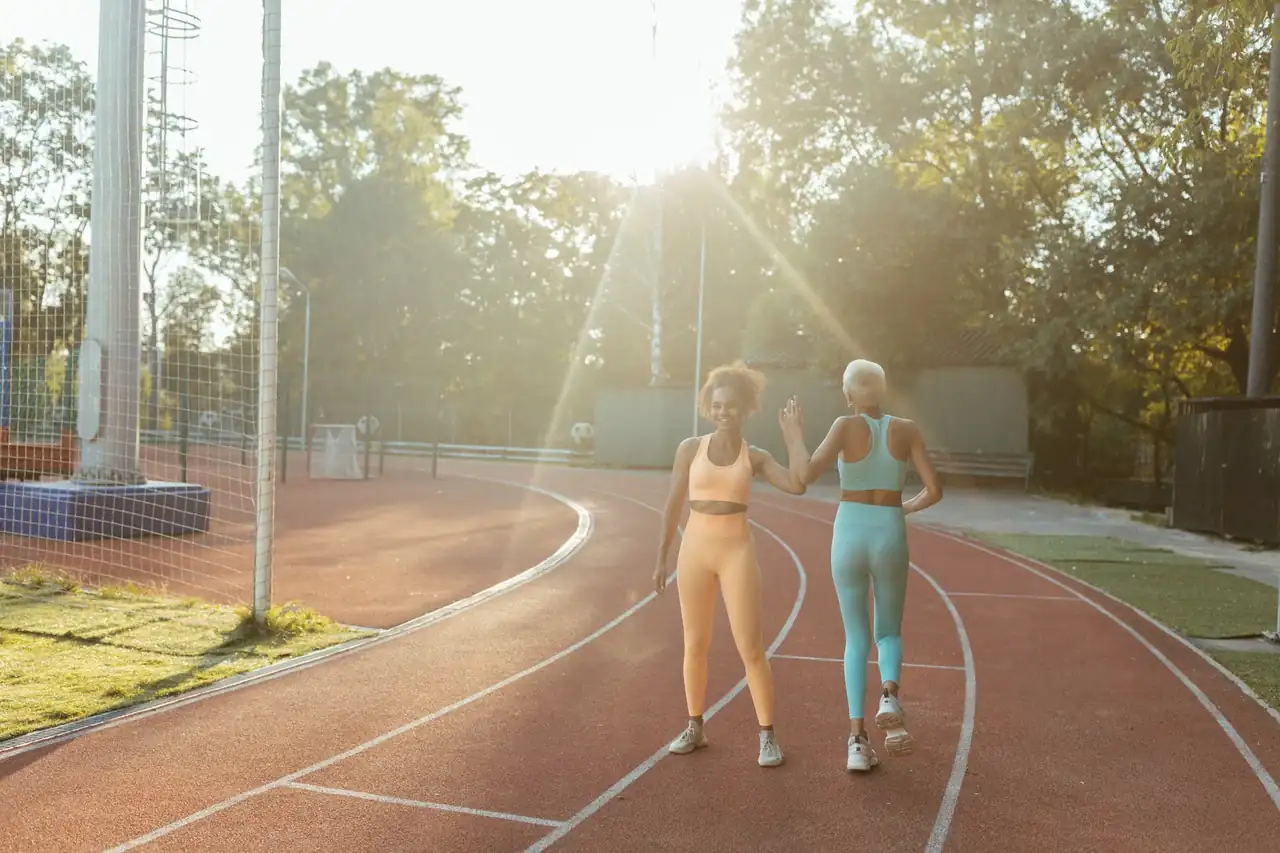
Choosing HOKA shoes for a woman with a high plantar arch is not about finding an insole that presses directly beneath the foot. The priority is finding a shoe that distributes load more evenly between the heel, midfoot and forefoot, provides enough cushioning and keeps the stride stable without forcing the natural shape of the foot. Among the brand’s current models, Bondi 9, Clifton 10, Mach 7, Rincon 4, Arahi 8 and Gaviota 6 address different needs.
A high arch, also known as a cavus foot, can reduce the amount of foot that contacts the ground. In some runners this concentrates pressure at the heel and metatarsals, while others experience almost no discomfort. That is why there is no single HOKA model for every high arch: running form, body weight, pace, foot width and injury history matter as much as midsole height.
What HOKA offers runners with high arches
HOKA is known for its generous midsoles, relatively broad platforms and MetaRocker geometry, which helps the foot move from landing to toe-off. This combination can feel comfortable when the foot receives heavy pressure in specific areas, because the foam creates a layer between the pavement and the foot. The result does not have to feel soft; density, geometry and stability all influence the ride.
Sole height alone does not guarantee protection. A very tall shoe can feel unstable if its base is narrow, the heel slips or the upper does not secure the midfoot properly. For women with high arches, geometry-led stability is often more tolerable than rigid support beneath the arch. That difference explains why some neutral HOKA models may work better than shoes designed specifically to control pronation.
Fit deserves special attention. The foot may expand during a long run, particularly in warm weather, and the toes need room to spread when landing. An overly narrow toe box can shift pressure toward the metatarsals, one of the areas most likely to suffer when the arch does not absorb force efficiently. The right fit should secure the heel and midfoot without turning the forefoot into a rigid box.
Bondi 9: maximum protection for easy runs
Bondi 9 is the obvious choice within HOKA’s range when the priority is a protected, relaxed and comfortable ride. Its tall midsole and generous platform create a cushioned feeling beneath the foot, which can be useful for walking, easy runs or accumulating mileage without chasing speed. For a woman with a high arch, that volume may reduce some of the work normally placed on the heel and forefoot.
The model makes sense for runners who land on the heel or need a gradual transition. Its curved geometry helps the shoe move forward without demanding excessive foot flex, an interesting quality when plantar fatigue is present. It may also suit runners who alternate training with long periods on their feet, although its size and cushioned feel are not designed to feel agile during intervals or fast changes of pace.
Bondi 9 becomes less convincing when the runner prefers a lively ride or has a narrow foot that is not locked securely inside its broad base. Abundant cushioning cannot replace a proper fit. Before choosing it, check that the heel does not lift, that the arch feels no localized pressure and that roughly a thumb’s width remains between the toes and the front of the shoe.
Clifton 10: the most versatile balance
Clifton 10 sits between Bondi’s protection and the faster models’ responsiveness. It is a daily trainer that can cover easy runs, moderate sessions and middle-distance races. Its main attraction for a high-arched runner is the balance between weight, cushioning and smooth transitions, without an especially intrusive structure beneath the midfoot.
The platform provides enough stability for road running, while HOKA’s geometry helps smooth the movement from heel to toe. The arch does not need to touch a prominent piece to feel supported: the upper fit, the sole width and the midsole shape do much of the work. For cavus feet that tend to load the outside edge, this passive stability may feel more comfortable than a motion-control system.
Clifton 10 is particularly appealing to runners who want one shoe for most training. Still, sensations vary with running form. A midfoot striker may feel that the foam and rocker encourage forward movement, while a heel striker seeking maximum softness may prefer Bondi. The deciding factor remains the absence of localized pressure and a natural transition.
Mach 7 and Rincon 4 for a lighter ride
Mach 7 is aimed at faster paces than Bondi or Clifton. Its lightweight construction and more direct response make it a candidate for tempo runs, progression runs and workouts where the foot needs to leave the ground quickly. For a high-arched runner, it can work when the body tolerates a less plush ride and most of the load does not fall excessively on the forefoot.
Mach 7’s advantage is that it avoids forcing a choice between a bulky shoe and a minimalist one. HOKA’s geometry maintains reasonable protection, but the ride feels more energetic and less sunken. Even so, a fast shoe should not be used as a solution for plantar pain. If the arch, heel or metatarsals already hurt, reducing weight without addressing the cause may reduce training tolerance.
Rincon 4 follows a similar idea from an even simpler and lighter perspective. It may suit runners who want an agile companion for short and medium distances, as well as those who feel that maximal shoes reduce natural movement. Its lower volume requires a more precise choice: the foot must remain secure and the transition cannot create instability, especially once fatigue appears.
Both models suit runners accustomed to a dynamic stride better than those seeking extreme protection. Arch height alone does not mean that the most cushioned shoe is necessary. Comfort during and after training is more useful than a shoe’s bulky appearance, provided there are no persistent symptoms.
Arahi 8 and Gaviota 6: stability without confusing support
Arahi 8 and Gaviota 6 sit on the more stable side of the range. That does not automatically make them better for a high-arched cavus foot. Stability can help when the foot loses control under fatigue, when there is a clear difference between both landings or when a health professional has identified a specific need. By contrast, a component that pushes directly against the arch may feel uncomfortable if it does not match the runner’s anatomy.
Arahi 8 is generally positioned as a stable and relatively light option for daily training. It may interest runners who want to manage excessive motion without using a very heavy shoe. Gaviota 6 offers a more robust and protective construction, with a base that feels reassuring on long easy runs. The choice depends more on the amount of stability tolerated than on arch height.
The word stability can be misleading. A neutral shoe with a broad base, sidewalls and a secure heel may feel safer than a shoe with control elements, without pressing into the medial arch. That is why Arahi or Gaviota should not be bought simply because a product description mentions support. The shoe should be tested while walking, jogging and changing direction.
If the shoe causes tingling, arch pain, numb toes or a pushing sensation that does not disappear after loosening the laces, the fit is unsuitable. With recurring pain, an assessment by a podiatrist, physiotherapist or sports physician provides information that no product page can replace.
Choosing HOKA according to training type
For easy runs and recovery days, Bondi 9 provides the most obvious cushioning, while Clifton 10 offers a more balanced response. The difference is not limited to weight. The shoes also differ in how they guide the foot, how quickly they transition and how much work they demand from the ankle. A runner who finishes with a loaded forefoot may prefer more protection; another who feels trapped in very tall shoes may move better in Clifton.
For faster workouts, Mach 7 offers a lighter and more direct sensation. Rincon 4 can fill a similar role when simplicity and agility are priorities, although its lower cushioning leaves less room for technical errors or sudden increases in volume. Fast shoes work best when the body already tolerates the mileage and are not used to compensate for inadequate preparation.
For long distances, the decision must include stability under fatigue. The foot may land differently after an hour of running: the heel may move more, the toes may curl and pressure may collect in areas that initially felt comfortable. Bondi, Clifton or Gaviota may be more suitable than Mach when the priority is maintaining control until the end.
For walking or standing for many hours, Bondi 9 and Clifton 10 are the most logical options among the models discussed. Heat and foot swelling matter as much as cushioning in that situation. A breathable upper, adjustable lacing and room at the front may prevent more discomfort than an especially soft foam.
Drop, cushioning and running form
Drop is the height difference between the heel and forefoot. There is no universal value for high arches, but it relates to running form and muscle loading. A higher drop can feel comfortable for some heel strikers because it reduces part of the demand on the calves and Achilles tendon. A lower drop may encourage a more natural contact sensation, although it increases posterior-chain work if the change is made abruptly.
The move to a different drop should be gradual. Switching from a high-drop shoe to a flatter model within a few days can load the calves, soleus, plantar fascia and Achilles tendon. High arches alone do not justify either a low or high drop; the decision should relate to the previous shoe, landing pattern and the body’s response over the following weeks.
It is also worth questioning the idea that softer always means more protective. Very soft foam can compress and force the foot to stabilize constantly. A somewhat firmer but well-cushioned and stable midsole may feel more comfortable over long distances. The best reference is how the whole shoe behaves after several miles, not only how it feels during two minutes in a store.
Symptoms matter. Localized plantar fascia pain, metatarsal discomfort, new calluses, repeated ankle sprains or pain on the outside of the lower leg all suggest reviewing training load and footwear. Shoes can change sensations, but they cannot diagnose an injury or correct a biomechanical problem by themselves.
Upper, laces and adaptation for cavus feet
A good choice starts by measuring the foot at the end of the day, when it is usually slightly more swollen. Length is not the only factor: instep volume, forefoot width and toe shape also matter. Women with high arches may have a higher instep, and a short tongue or poorly distributed lacing can create pressure even when the size is correct.
The closure should secure without compressing. A heel-lock lacing pattern can reduce rearward slipping, but tightening it too much creates tension across the instep. A roomy toe box lets the toes spread during landing and reduces the chance of bruised nails, blisters or metatarsal pressure. The heel should feel secure while the toes retain freedom; both conditions need to exist together.
Adaptation is also part of the choice. A shoe that feels comfortable for ten minutes may reveal pressure points during a one-hour session. The first outings should be short and on familiar ground, not on race day or a long run. This makes it easier to check whether the midsole feels too stiff, the insole moves or the upper creates heat and rubbing.
Aftermarket insoles require caution. An insole with a strongly raised arch can increase pressure in a foot that already has a high vault, even when the product is advertised for plantar fasciitis or heel pain. If an orthotic is needed, its design should follow an individual assessment, and the shoe must have enough room to accommodate it without lifting the foot too far inside the upper.
HOKA trail shoes for women with high arches
Mountain running changes the demands. Speedgoat 6 has a more technical focus, with lugs and protection for uneven ground, while Challenger 8 is better suited to mixed routes combining compact paths and pavement. A high arch needs a combination of cushioning, security and grip here, but also a platform that does not twist excessively when the trail slopes.
Speedgoat 6 may suit rocky, muddy trails and descents where the foot needs to remain locked down. However, a narrow fit or overly tight upper can increase forefoot pressure. Challenger 8 makes more sense when the run alternates between firm paths and urban sections, because an aggressive outsole loses efficiency and wears faster on pavement.
Trail lugs should not be assessed by depth alone. Spacing, outsole flexibility and rubber coverage in the landing zones also matter. For a runner who lands at midfoot, insufficient protection beneath the metatarsals can be obvious on rocks. A trail shoe should be chosen for the actual terrain, not simply because it has a tall midsole.
Water and mud add another variable. A waterproof membrane offers more exterior protection but generally breathes less and can retain heat. For hot, dry routes, breathable mesh is often more practical. A cavus foot does not change that rule: the best protection matches the weather, surface and duration of the outing.
When HOKA is not the right solution
HOKA’s popularity does not make every model an automatic answer for plantar pain. A shoe can have excellent cushioning and still fail to match the foot’s shape. The problem may also come from a rapid mileage increase, insufficient recovery, a previous injury or muscle weakness that footwear cannot resolve.
Some signs call for stopping the test: pain that increases while running, visible swelling, loss of sensation, night pain or discomfort that remains while walking. Continuing with another model may delay proper assessment. A shoe is a comfort and performance tool, not a medical treatment.
It is also worth abandoning the search for an insole that forcibly corrects the arch shape. The foot does not need to feel a bump in order to be supported. In many cases, a stable base, cushioned midsole and pressure-distributing upper work better. Neutral does not mean unstructured; it means the shoe does not try to push the foot into a specific position.
Wear provides another clue. If the foam loses height, the outsole becomes smooth in one area or the upper deforms, the shoe may behave differently even if it still looks usable. There is no universal mileage limit because weight, terrain, shoe rotation and running form all matter. Reviewing sensations and deformation is more reliable than following a rigid number.
The final choice depends on the foot, not the model name
Within HOKA, Bondi 9 represents maximum comfort for easy runs, Clifton 10 offers the most complete balance, Mach 7 and Rincon 4 provide lightness, and Arahi 8 and Gaviota 6 add more pronounced stability. For trails, Speedgoat 6 and Challenger 8 cover different terrain needs. This map can narrow the search, but it cannot replace testing the shoe on your own foot.
For a woman with a high plantar arch, the most sensible choice is usually the one that keeps the heel stable, leaves the forefoot free and remains comfortable after accumulating mileage. The best HOKA is the one that reduces discomfort without imposing unnecessary correction. Appearance, popularity and sole height become secondary once the body shows how it truly responds.
The right footwear does not remove every running load, but it can distribute that load more effectively and make training more tolerable. Patient observation during the test, after the run and the following day provides more useful information than any marketing label. With cavus feet, that difference can turn an impressive-looking shoe into a reliable companion or a constant source of pressure.
Este artículo contiene enlaces de afiliado: si compras a través de ellos, se genera una pequeña comisión sin coste adicional para ti. Más información.



How to prevent thigh chafing: causes and real solutions

Women’s running windbreakers: seven jackets and how to choose

Do more workouts get rid of soreness? A guide for runners

Jaén Half Marathon 2026: Record 3,800 Runners Registered

Men’s short running tights: how to choose the right pair

World Triathlon confirms data breach involving medical data

Izan Edo targets podium at Miyazaki World Cup

María Pérez ranks ninth in World Athletics’ 2026 top ten

Dos Santos, Duplantis and Sawe: World Athlete of the Year finalists

San Silvestre Vallecana 2026: 42,000 places, prices and start times

 Races4 months ago
Valencia Half Marathon 2027: date and registration

 Races4 months ago
Valencia Marathon 2026: entry, ballot and course

 Reviews and Comparisons4 months ago
Asics Gel-Roadmiles 3 for men: review and current price

 Reviews and Comparisons4 months ago
Asics Gel Sonoma 8 Gore-Tex: complete analysis for trail and rain

 Sneakers4 months ago
Saucony Endorphin Pro 4: full review and verdict

 News5 months ago
Strava API 2026: what changes for clubs, challenges and runner apps?

 Reviews and Comparisons5 months ago
Nike Alphafly 3: opinions, sensations, and real key points

 Reviews and Comparisons4 months ago
Under Armour running shoes review 2025-2026: models and key features

 Sports Equipment4 months ago
Shoe sizes in cm: a clear guide to getting the right fit for your footwear

 Sneakers3 months ago
Skechers GO RUN Consistent 2.0 analysis: comfort and limits

 News5 months ago
Valencia Marathon 2026 route: key tips to train and run better

 Sneakers4 months ago
Adidas Adizero Boston 13 for men: review and verdict