Sneakers
Wide-fit men’s running shoes: how to find the right fit
Guide to choosing comfortable, stable men’s footwear without rubbing: fit, width, materials, and support.

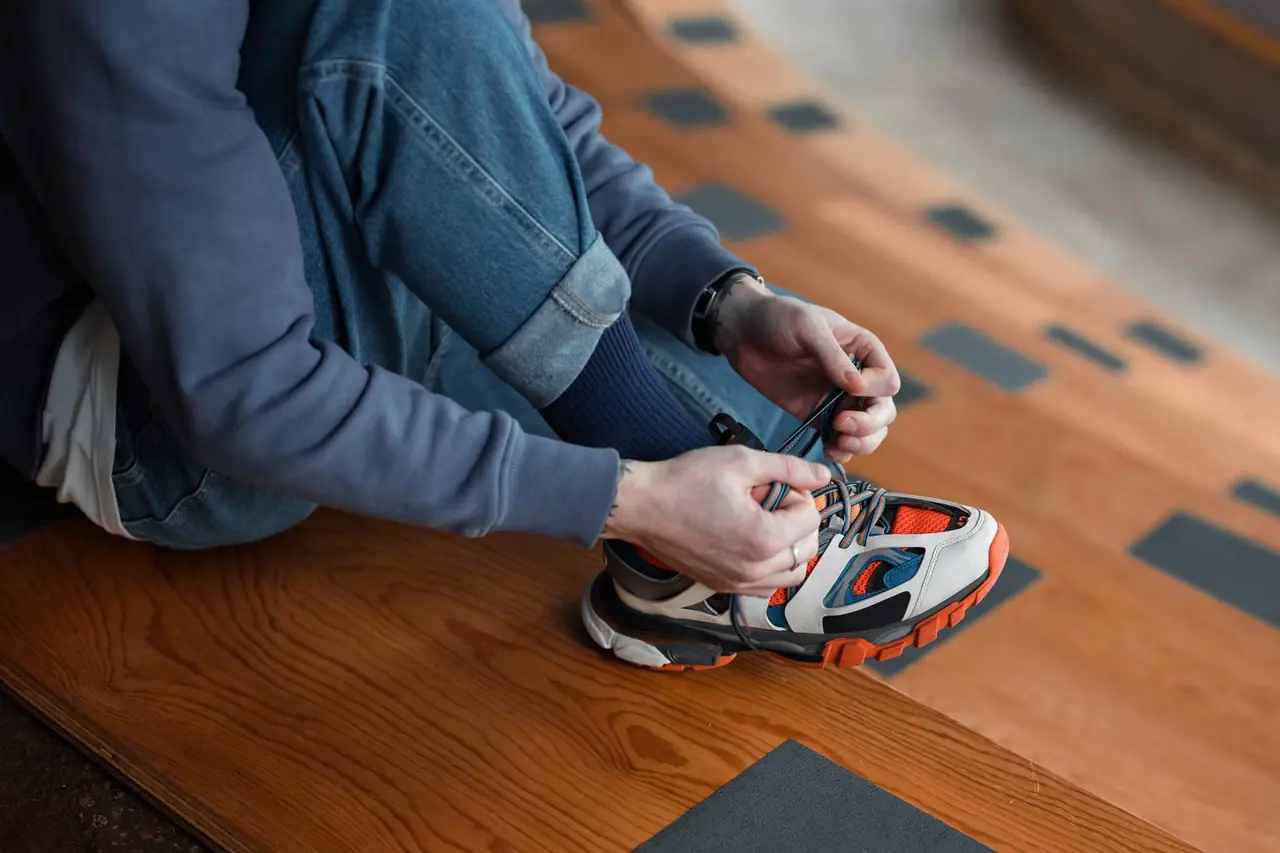
The difference between a comfortable stride and one burdened with pressure often starts at the toes. When running, the actual width of the forefoot matters as much as shoe size, and that is where many shoes fall short: they squeeze the toes, press on the instep, or leave too little room to move naturally. A shoe with more interior space is not a whim; for many runners, it can mean the difference between comfortable training and constant rubbing.
On the shelf, similar shapes abound, but not all respond the same when the foot needs more volume. That is why, when looking for men’s wide last sports shoes, it is worth looking at more than the color or the brand. What matters is how the shoe builds usable volume, what kind of support it offers, and whether it allows movement without trapping the foot like in an overly tight cover.
What a more generous last really means
The last is the pattern with which footwear is made, the silhouette on which everything else is built. When that base is wide, the shoe distributes space better in the toe area, the instep, and the midfoot. In practice, that reduces the feeling of pressure at the end of the day and improves tolerance in those with wide feet, bunions, claw toes, or simply those who prefer a less cramped step.
It is not just about buying a larger size. Going up half a size or a full size may give extra length, but it does not always solve width; sometimes it even makes fit worse because the heel moves more and the step loses stability. A well-designed wide last maintains the right length and frees the space where it is really needed, without turning the shoe into a boat.
There are also differences between models. Some sports shoes gain width through their overall design, with a higher toe box and flexible upper; others do so thanks to removable insoles, longer laces, or materials that give with use. In today’s market, brands such as Skechers, G Comfort, Propet, Fluchos, Atom by Fluchos, Bestard, or Pikolinos have worked this territory with different approaches, from urban footwear to options for walking, light hiking, or prolonged daily use.
How to recognize a good fit without trying half the store
The first clue is at the toe. A shoe that is healthy for wide feet leaves a small margin in front of the toes and does not narrow the front as if it were a funnel. The foot should rest stably, but without feeling tension on the sides of the forefoot. If the upper marks the sides or the instep too much from the first minute, that fit rarely improves over time.
The upper says a lot too. Technical mesh, stretchy fabrics, and soft leather usually give more than rigid materials or hard seams on the vamp. In models designed for lots of walking, minimal seams and padded tongues help distribute pressure. When the insole can also be removed, the room for adaptation grows, especially for those who use orthopedic insoles or need more internal volume.
The heel should not slip. It is a common mistake to confuse width with uncontrolled looseness. If the foot moves forward with every step, the result is worse: rubbing appears on the toes and precision in the stride is lost. A good wide design keeps support in the back and space in the front, like a well-ventilated room: plain on the outside, comfortable on the inside.
Models that usually work better for wide feet
The range of wide sports shoes for men has diversified a lot, and that has changed the conversation. It is no longer just about orthopedic or clinical-looking shoes. Today, very different profiles coexist: casual-looking models, shoes for walking, light trekking options, and even waterproof versions for cold or wet days. The user no longer has to choose between comfort and design; in many cases, it is possible to come quite close to both.
Lace-up shoes usually offer more adjustment room than pure elastic-closure models, because they allow you to modulate pressure on the instep. By contrast, slip-on models or those with an easy-entry system, such as some Skechers lines, are very practical when speed is the priority. There are also side-zip designs, common in G Comfort, which combine the firmness of laces with the convenience of not having to readjust everything every time.
In the area of urban walking and everyday use, Skechers’ Relaxed Fit, Arch Fit, or Memory Foam ranges have gained ground because they offer an immediate cushioned feel and, in many cases, a less aggressive toe box. For those seeking something more technical, Bestard offers mountain and hiking options with a roomy fit, while Propet or Atom by Fluchos cover the needs of walking for many hours, standing at work, or moving around with custom insoles. The key is not just the model label, but the balance between volume, flexibility, and support.
Materials, soles, and details that make comfort
Width alone is not enough. A shoe can have a generous last and still be uncomfortable if the material does not help. Breathable fabrics reduce the sensation of heat and stiffness, while napa leather, nubuck, or leather-and-textile combinations provide structure without being overly hard. When the day is long, that difference feels like a breeze compared with a closed, heavy surface.
The sole also shapes the feeling of space. A midsole that is too firm transmits every impact harshly; one that is too soft may offer immediate relief but lose stability. In shoes designed for walking or prolonged use, it makes sense to look for cushioning that absorbs impacts without sinking excessively. Soles with anti-slip design, air cushioning, or lightweight compounds usually add comfort, especially on hard sidewalks, smooth floors, or long days on your feet.
The insole deserves separate attention. If it is removable, the user can gain adaptability without forcing the foot. This is especially useful when there are orthopedic insoles, a pronounced arch, or specific fit needs. In several current models, the padded insole can be replaced by a thinner or more anatomical one, allowing the fit to be fine-tuned without giving up the space provided by the wide last.
When it is worth opting for more width
You do not need to have a condition to value this type of footwear. Many people with average foot length discover they need more room at the end of the day, when the foot expands slightly due to heat, activity, or many hours in motion. At that point, lateral pressure becomes more noticeable and narrow footwear turns into a small domestic trap that one drags around all day.
Feet with bunions, overlapping toes, or a high instep especially appreciate the extra width, as do those who use insoles or seek footwear that does not force them into constant compromises. It is also a logical solution for long walks, travel, standing at work, or daily walking routines. When the foot can breathe, the stride changes tone; it stops being a negotiation and becomes a more natural gesture.
In light running or low-impact training, the benefit is similar, though with an important caveat: not every wide shoe is suitable for running. Running requires stability, heel fit, and a clean step transition. By contrast, for walking, getting around the city, running errands, or spending hours on asphalt, a more generous last can make the difference between arriving in one piece or arriving counting blisters.
What to check before buying
Sizing can be misleading, especially between brands. A 43 in one brand may feel narrower than a 42.5 in another. That is why, beyond the number, information about the actual width, the height of the vamp, and the possibility of removing the insole matters. Useful commercial descriptions usually mention whether the model is designed for delicate feet, orthopedic insoles, or a wide fit; that information is worth more than a pretty photo with perfect lighting.
Use should dictate style. A model for everyday walking does not require the same response as one for light hiking or prolonged work. If the day includes changes of pace, stairs, or uneven surfaces, it is wise to prioritize stability and grip. If use is urban and continuous, breathability and cushioning become more important. When the day combines all of that, the best option is usually the most balanced one, not the flashiest.
The closure system also deserves attention. Laces offer the most precise fit, but side zippers make daily use easier. Velcro closures are less common in modern-looking sports shoes, although they work very well when speed and instep control are the goal. Each solution addresses a different problem, and success lies in recognizing which one is yours before being swayed by the shop window.
Signs that a model is too small for you, even if it looks right
There are fairly clear signs. If, while walking, you feel pressure on the sides of the forefoot, if the big toe rubs against the toe box, or if deep marks appear on the skin when you take the shoes off, the shoe is not working in the foot’s favor. It is also worth watching for excessive heat, small numbness, or the need to untie the laces halfway through the day to get some breathing room. These are modest but repeated symptoms, and they usually worsen with use.
The right fit should not require heroics. A well-chosen sports shoe goes on with some firmness, holds the heel, and leaves room to move the toes. It should not force you to change the way you walk or resign yourself to pressure. If the footwear feels acceptable for only five minutes and then becomes bothersome, the problem is not the foot: it is the last.
In that sense, the sector’s evolution has been useful. More and more manufacturers are working with wide versions, adaptable-thickness insoles, and anatomical designs that respect the shape of the foot better. That has widened the range for a consumer who is no longer looking only for comfort, but also to preserve mobility, support, and a sober aesthetic that reveals nothing except good judgment.
How wide footwear has changed for today’s man
For years, footwear for wide feet was trapped in an unattractive, almost medical image. That time is fading away. Today there are wide sports shoes for men with clean finishes, dark colors, discreet profiles, and modern soles that fit both jeans and casual clothing. Comfort is no longer a gray territory.
Brands like Skechers have popularized the idea of immediate comfort, while European firms such as Fluchos, G Comfort, or Pikolinos have worked more on the blend of fit, materials, and presence. In mountain and hiking, Bestard maintains a solid commitment to wide fit and adaptability. The result is a more refined market, where you no longer have to choose between happy feet and a proper look.
That change also responds to a real need. Daily life demands a lot from the foot: commutes, hard floors, few breaks, heat, extra weight, hours sitting and standing in the same week. Faced with that mix, a wide last is not a secondary detail; it is a way to reduce physical friction and gain room for well-being without turning the shoe into a technical device full of solemnity.
How to choose wide-fit running shoes
On a run, your foot takes many steps inside the shoe, so extra width needs to be where it matters: around the forefoot, without leaving the heel loose. Simply sizing up is not always the answer; the shoe may become too long and let your foot slide. Look for a toe box that lets your toes move, with a secure fit that does not squeeze the sides or press on the instep. A wide fit should create room, not make the shoe feel like a boat.
Try shoes with the socks you normally run in, and check the fit both standing and moving. Walk and jog for a few minutes: notice whether the heel lifts, your foot slides forwards, or the upper presses as your foot bends. Check for seams or overlays that rub, too. A flexible mesh upper may feel more adaptable than a stiff one, although fit varies by model and by foot. If you use insoles, make sure they fit without adding pressure across the instep or changing how securely the shoe holds your foot.
On your first runs, watch for persistent pressure, squeezed toes, rubbing, or discomfort that gets worse as you run. If these occur, do not assume the shoe will necessarily stretch: reassess the fit and try a different shape or width. When switching shoes, start with comfortable outings and see how they feel on your usual routes before wearing them for a long run or race. If pain or symptoms persist, consult a healthcare professional.
Footwear that is less noticeable and helps more
The good sports shoe is the one you stop noticing after a few minutes. In models with a wide last for men, that ideal is closer when the design truly helps: space in front, support in the back, materials that yield without losing shape, and a sole that cushions with purpose. There is no magic in it, just practical engineering applied to something as basic as walking without thinking about the foot at every step.
Choosing well means looking at the whole, not a single number. Usable width, insole, closure, flexibility, and stability matter more than an isolated size or an advertising promise. Those who find that balance usually discover that comfort is not announced with a shout; it arrives in silence, step by step, like a piece finally fitting into place.
Este artículo contiene enlaces de afiliado: si compras a través de ellos, se genera una pequeña comisión sin coste adicional para ti. Más información.



How to prevent thigh chafing: causes and real solutions

Women’s running windbreakers: seven jackets and how to choose

Do more workouts get rid of soreness? A guide for runners

Jaén Half Marathon 2026: Record 3,800 Runners Registered

Men’s short running tights: how to choose the right pair

World Triathlon confirms data breach involving medical data

Izan Edo targets podium at Miyazaki World Cup

María Pérez ranks ninth in World Athletics’ 2026 top ten

Dos Santos, Duplantis and Sawe: World Athlete of the Year finalists

San Silvestre Vallecana 2026: 42,000 places, prices and start times

 Races4 months ago
Valencia Half Marathon 2027: date and registration

 Races4 months ago
Valencia Marathon 2026: entry, ballot and course

 Reviews and Comparisons4 months ago
Asics Gel-Roadmiles 3 for men: review and current price

 Reviews and Comparisons4 months ago
Asics Gel Sonoma 8 Gore-Tex: complete analysis for trail and rain

 Sneakers3 months ago
Saucony Endorphin Pro 4: full review and verdict

 News5 months ago
Strava API 2026: what changes for clubs, challenges and runner apps?

 Reviews and Comparisons5 months ago
Nike Alphafly 3: opinions, sensations, and real key points

 Reviews and Comparisons4 months ago
Under Armour running shoes review 2025-2026: models and key features

 Sports Equipment4 months ago
Shoe sizes in cm: a clear guide to getting the right fit for your footwear

 Sneakers3 months ago
Skechers GO RUN Consistent 2.0 analysis: comfort and limits

 News5 months ago
Valencia Marathon 2026 route: key tips to train and run better

 Sneakers4 months ago
Adidas Adizero Boston 13 for men: review and verdict