Sneakers
Good running shoes for long distances: 2026 guide
The keys to choosing comfortable, stable and durable footwear for long runs, half marathons and marathons.

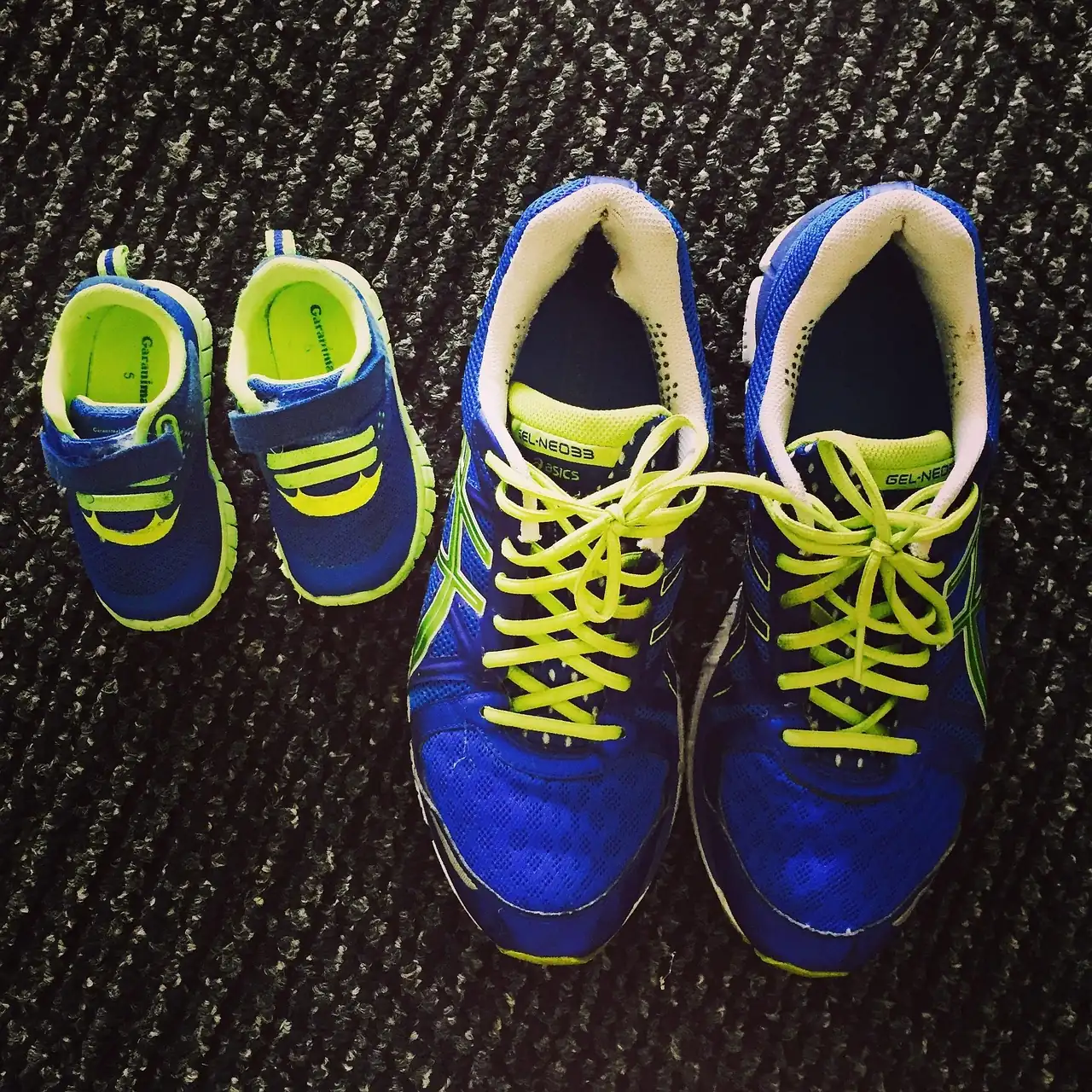
Long runs expose every flaw that may go unnoticed over five kilometres. A seam that rubs, foam that is too soft or a poorly secured heel can turn into blisters, discomfort and a stride that becomes less efficient with every mile. To build mileage safely, footwear must offer sustained comfort, sufficient stability and cushioning suited to the runner, rather than simply feeling pleasant when tried on in a shop.
There is no single perfect model for everyone. The choice changes according to pace, body weight, foot width, terrain and each session’s purpose. A runner preparing for a first half marathon will probably need more protection than someone chasing a fast time, while an outing on gravel requires a different outsole from an urban workout. This selection includes daily trainers, maximalist models, plated options and alternatives for mixed terrain.
What a shoe should offer for building mileage
The first requirement is that the shoe retains its qualities when fatigue appears. During a 20- or 30-kilometre run, the foot tends to expand, landing becomes less precise and muscles work in a less coordinated way. A midsole with stable cushioning and a smooth transition helps each step remain predictable when the legs no longer feel fresh.
Cushioning should not be confused with softness. Very soft foam may feel comfortable at first, but it can also create instability or demand more work from the ankles. Tall constructions and broad platforms usually distribute load more effectively, although they add volume. For most recreational runners, the most useful balance is a shoe that absorbs impact without collapsing and lets them move forward without fighting the outsole.
Weight matters too, but it does not come first. A light shoe can make the pace feel agile, while a heavier one often provides more durable materials, greater stability or generous protection. On long distances, a few extra grams may be offset by lower muscle fatigue when the design fits well. Lightness is only an advantage when it does not require giving up the comfort needed.
Choice depends on pace and purpose
For easy runs, the main criterion should be consistency. A daily trainer with a predictable feel, comfortable lockdown and durable rubber allows repeated mileage without forcing the runner to adapt to the shoe each time. Neutral daily trainers are often the most versatile starting point when there is no specific need for support.
A marathon runner can divide footwear use between sessions. A cushioned and durable model works well for long runs, while a lighter shoe can be reserved for faster work or racing. Two pairs are not mandatory, but alternating profiles prevents one model from being asked to serve both as a comfortable mileage vehicle and a fast tool for chasing the clock.
Shoes with carbon or composite plates belong to another category. Their geometry and stiffness can help propulsion at fast paces, but they cannot turn insufficient preparation into a good marathon. They may also feel demanding for inexperienced runners or unnatural at slow speeds. A plate is a performance tool, not a requirement for running far.
Cushioned models for long training runs
The ASICS Gel-Nimbus family has become a reference among runners who prioritise protection and softness. The Gel-Nimbus 27, included in the information reviewed, combines a generous midsole with materials designed to reduce the harshness of impact. Its profile is particularly suitable for easy runs, marathon preparation and runners who prefer a plush ride to a firm response.
The Nimbus is not the lightest or liveliest option on the list, and that distinction matters. Its strength appears when the session gets longer and the goal is to maintain a comfortable sensation, not to run at the limit. The available width, padding and platform stability may be decisive for feet that swell over time. It is a protective option for adding mileage without an aggressive feel.
The Brooks Ghost 17 represents a different idea: a neutral, stable and easy-to-use daily shoe. The series is known for an upper with several width options, a valuable feature for runners who do not fit narrow lasts. Its feel is firmer than that of some maximalist models, which may appeal to runners who want a defined base underfoot.
Firmness is not a universal flaw. It can provide a more controlled transition and a consistent response, although some runners will find it less protective after several hours. The Ghost 17 works best when the foot is secure without pressure on the toes and a neutral stride does not require specific control elements. The choice of width makes fit one of its strongest arguments.
Versatile options for training and faster running
The Hoka Mach 6 occupies the space between a trainer and a fast option. Its construction aims to reduce weight without using a carbon plate, with cushioning that feels firmer and more direct than the brand’s maximalist models. That combination may suit long runs at a steady pace, progression sessions and workouts where the runner wants a shoe capable of changing speed.
Its profile does not provide the padded feeling of a Clifton or Nimbus, but that is not its purpose. The Mach 6 rewards a relatively smooth stride and runners who enjoy a more immediate response. On long distances, it is worth checking that the firmness does not create forefoot pressure and that the heel remains properly locked. It is a balanced choice for anyone seeking one shoe with a sporty character.
The ASICS Novablast 5, mentioned among the reference models for high mileage, follows a similar line but with a livelier, bouncier feel. Its foam aims to return energy without making the landing unstable, and the fit may appeal to feet that need more room in front. In long workouts, that response helps maintain a sense of movement when pace begins to fade.
The Novablast does not replace a control shoe or a pure racing model. Its appeal lies in versatility: it can cover comfortable runs, moderate sessions and preparation mileage without feeling clumsy. On wide feet, sizing should be checked carefully because useful volume depends on more than length alone. Toe space must allow expansion without letting the foot move inside the upper.
When stability becomes more important
The ASICS Gel-Kayano 32 is aimed at runners who value additional guidance during the stance phase. Modern stability structures do not have to feel like a rigid piece blocking the foot; their role is to limit excessive movement and keep the transition organised when fatigue changes technique. The result can be particularly useful on long runs for runners who notice the ankle collapsing inward.
The Kayano also stands out for its cushioning and outsole protection. It should not be chosen simply because someone identifies as a pronator: comfort, alignment and actual fit matter more than an isolated label. Support only adds value when it solves a specific need without changing the natural stride.
A gait assessment in a specialist shop can provide guidance, but it does not automatically make a support shoe the right choice. Running form changes with speed, terrain and fatigue. For that reason, the most relevant test is checking whether the model keeps the foot stable without pressing on the arch or creating hot spots underfoot.
Plates and responsive foams for racing
The New Balance FuelCell SuperComp Trainer v3 combines responsive foam with a carbon-fibre stabilising plate. In concept, it sits among fast trainers that can also be used for racing. Its foam volume aims to cushion repeated landings, while the plate organises the transition and creates a feeling of forward impulse at sustained paces.
This type of geometry can work very well in a marathon, but it is not universal. Some runners find the toe box narrow, while others need several sessions to adapt to the stiffness. Before wearing it in a race, it should be tested during long workouts and at similar target paces. A fast shoe should feel familiar when the final kilometres arrive, rather than becoming an experiment during competition.
The Saucony Endorphin Speed 5 uses a semi-rigid nylon plate, generally more flexible than a carbon racing plate. That construction provides a dynamic transition without always reaching the stiffness of the most extreme models. It can appeal to runners who want an agile shoe for intervals, quality runs and middle- or long-distance races.
Its feel tends to be firmer than that of maximum-cushion shoes. That firmness helps when accelerating, although it can be tiring if used for every easy run. The choice depends on how much the runner values reactivity and whether their technique tolerates a more demanding platform. Perceived speed must come with control and comfort, especially beyond the 25-kilometre mark.
The Mizuno Wave Rebellion Pro 3 Lo represents the most specialised end of this selection. Its design favours a transition from the midfoot towards the toes, with a highly pronounced geometry and a clear performance focus. It is not a shoe for every workout or technique: it requires adaptation and generally makes more sense for experienced runners competing at high speeds.
The On Cloudboom Max takes a different approach, combining a glass-fibre plate with abundant cushioning and a less radical sensation. This may suit runners who want protection during a marathon without the harshness of a pure racer. Fit should be checked carefully, including laces and heel lockdown, because small details become important after thousands of landings. With plated shoes, comfort remains the decisive filter.
A wider toe box can change the experience
The Altra Vanish Carbon 2 gives priority to a different feature: a wide toe box that lets the toes spread and contribute to the landing. That can be valuable over long distances, when swelling makes a narrow last press against the nails. The shoe includes a full-length carbon plate and a geometry aimed at racing, so it should not be confused with a casual comfort model.
A wide forefoot does not guarantee that the shoe will work for everyone. Low drop changes load distribution and may place more demand on the calves and Achilles tendon if the runner is used to higher profiles. Adaptation should be gradual, especially when introducing it into half-marathon or marathon preparation. A free-moving foot also needs a transition the body knows how to manage.
For gravel, dirt and wet paths
The Salomon Aero Glide 3 GRVL is designed for mixed terrain, where asphalt alternates with compact gravel, dirt and simple paths. Its proposal combines generous cushioning with an outsole offering more grip than a purely urban model. It is not a technical trail shoe, because the stack height and midsole structure are not designed for roots, loose rock or demanding descents.
Its natural setting is greenways, parks, forest tracks and gravel paths where an asphalt shoe may lose confidence. Extra protection should not encourage runners to exceed its limits: technical mountain terrain requires lugs, lateral protection and a platform adapted to greater irregularity. The outsole should follow the real terrain of the run, not the model’s commercial label.
The Nike Pegasus Trail 5 GORE-TEX approaches the same use from a more weather-protected perspective. Its waterproof membrane can keep feet dry in light rain, puddles and wet grass, although it also reduces some ventilation in hot weather. The collar and toe box add protection, while the shoe aims to retain sensations closer to those of a conventional running model.
GORE-TEX does not make every path safe or remove the need to choose appropriate socks. In warm climates, reduced heat evacuation may be uncomfortable; in winter or on wet surfaces, the protection makes more sense. Water resistance is a contextual advantage, not an automatic improvement for every run.
Fit, sizing and drop: the details that decide
The foot should be secure through the midfoot and heel, while the toes need room to move. As a practical reference, it is usually sensible to leave about a finger’s width between the longest toe and the front of the shoe, especially when several hours of running are expected. The test should be made with usual running socks and preferably late in the day, when the foot is closer to its volume during a long run.
A shoe that is too short can cause black toenails and toe pressure; one that is too large creates slipping and blisters. Lacing can adjust the instep, but it cannot correct an unsuitable last. Narrow, standard, wide and extra-wide versions available in some models may be more decisive than a small weight difference. The correct size is not chosen by the usual number alone.
Drop is the height difference between the heel and forefoot. Profiles between 6 and 10 millimetres often feel familiar to many runners and may reduce some of the work demanded from the calves and Achilles tendon compared with a very low drop. However, there is no universally best value: the key is avoiding sudden changes and observing how the body responds over several sessions.
A rockered transition can help a high-volume shoe move smoothly, while a flatter design offers a different sense of ground contact. No geometry replaces adaptation. Drop should be understood as a stride variable, not a guarantee of performance or injury prevention.
How to break in footwear without risking a race
Shoes intended for a half marathon or marathon should be tested before race day. The first workout can reveal pressure points, but it is not enough to understand how the foam behaves when the foot has been working for hours. A sensible progression is to use them first for short sessions, then for a moderate run and finally for a long workout approaching race conditions.
The complete combination should also be checked: socks, insoles, lacing and, when used, race nutrition. A shoe that feels perfect for 40 minutes may reveal problems after two hours. Wearing new footwear on marathon day is an unnecessary gamble, even when the model has excellent reviews.
Service life depends on runner weight, technique, terrain, rubber quality and weather. There is no exact mileage figure that applies to everyone, although clear loss of rebound, a deformed midsole or uneven wear are more reliable signs than the calendar. It is also worth checking whether the outsole still grips on wet ground and whether the upper retains its original lockdown.
Which model suits each runner best
For maximum comfort on easy runs, the ASICS Gel-Nimbus 27 and other high-volume options are the most logical candidates. The Brooks Ghost 17 makes sense for runners who prefer a neutral, firm platform, particularly if they need to choose between different widths. The Hoka Mach 6 and ASICS Novablast 5 suit those looking for a versatile shoe capable of handling long workouts and moderate paces.
The Gel-Kayano 32 adds guidance when stability is a genuine priority. The New Balance FuelCell SuperComp Trainer v3 and Saucony Endorphin Speed 5 target runners who want a faster response without limiting the shoes to race day. At the most specialised end are the Mizuno Wave Rebellion Pro 3 Lo and Altra Vanish Carbon 2, two models requiring more careful adaptation.
For gravel paths or wet surfaces, the Salomon Aero Glide 3 GRVL and Nike Pegasus Trail 5 GORE-TEX address needs different from those of an asphalt shoe. The first bridges the gap to mixed terrain; the second adds protection against water. The final decision should begin with a specific scene: distance, pace, surface and how the foot feels after an hour. The best shoe is the one that preserves comfort and control when the run stops being easy.
The decisive test comes after the twentieth kilometre
Foams, plates and shoe geometries have greatly expanded running footwear options, but the main rule has not changed: a shoe must adapt to the runner rather than forcing unnecessary changes to their running form. Price, brand and the presence of a plate may guide the search, but they cannot replace an extended and honest test.
Over long distances, footwear succeeds quietly. It is there in a heel that does not move, a toe box that does not squeeze, an outsole that keeps its grip and a midsole that still provides support when the asphalt feels harder. Choosing by these criteria separates an attention-grabbing novelty from a genuinely useful tool for training and racing. Comfort that remains when fatigue arrives is the most reliable sign of a good choice.
You may also like: Are Saucony Running Shoes Good? 2026 Guide.
Este artículo contiene enlaces de afiliado: si compras a través de ellos, se genera una pequeña comisión sin coste adicional para ti. Más información.



How to prevent thigh chafing: causes and real solutions

Women’s running windbreakers: seven jackets and how to choose

Do more workouts get rid of soreness? A guide for runners

Jaén Half Marathon 2026: Record 3,800 Runners Registered

Men’s short running tights: how to choose the right pair

World Triathlon confirms data breach involving medical data

Izan Edo targets podium at Miyazaki World Cup

María Pérez ranks ninth in World Athletics’ 2026 top ten

Dos Santos, Duplantis and Sawe: World Athlete of the Year finalists

San Silvestre Vallecana 2026: 42,000 places, prices and start times

 Races3 months ago
Valencia Half Marathon 2027: date and registration

 Reviews and Comparisons4 months ago
Asics Gel-Roadmiles 3 for men: review and current price

 Races3 months ago
Valencia Marathon 2026: entry, ballot and course

 Reviews and Comparisons4 months ago
Asics Gel Sonoma 8 Gore-Tex: complete analysis for trail and rain

 Sneakers3 months ago
Saucony Endorphin Pro 4: full review and verdict

 News5 months ago
Strava API 2026: what changes for clubs, challenges and runner apps?

 Reviews and Comparisons5 months ago
Nike Alphafly 3: opinions, sensations, and real key points

 Reviews and Comparisons4 months ago
Under Armour running shoes review 2025-2026: models and key features

 Sports Equipment4 months ago
Shoe sizes in cm: a clear guide to getting the right fit for your footwear

 Sneakers3 months ago
Skechers GO RUN Consistent 2.0 analysis: comfort and limits

 News5 months ago
Valencia Marathon 2026 route: key tips to train and run better

 Sneakers4 months ago
Adidas Adizero Boston 13 for men: review and verdict