Sneakers
Salomon Ultra Flow 2 Gore-Tex: analysis of the waterproof trail running shoe
Complete analysis of a waterproof trail shoe designed for comfort, grip, and use on mixed terrain.

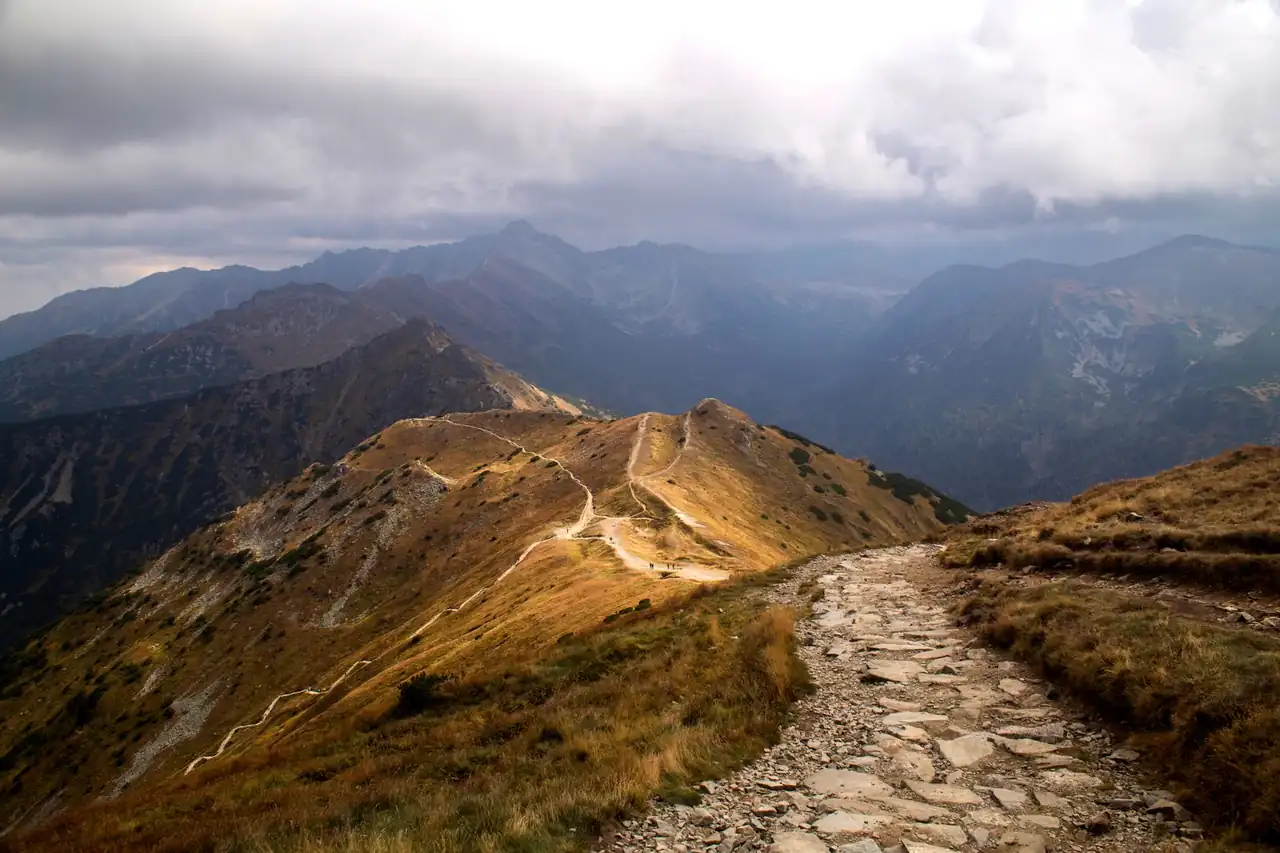
The Salomon Ultra Flow 2 Gore-Tex arrives with a very specific proposition: to add plenty of cushioning, protection from water, and reliable grip without losing naturalness in the stride. It is a trail shoe designed for those who run on tracks, trails, and uneven sections on a regular basis, and need footwear that does not fall apart when the terrain gets complicated or when rain appears without warning.
Salomon places it at that middle point between the comfort of a training shoe and the solidity of a sole ready to leave the asphalt behind. It does not aim to impress with extreme numbers, but to solve a very real problem: running longer, with less punishment underfoot and with the feeling that mud, moisture, or cold ground do not dictate the outing.
A shoe designed for running without looking at the sky
The feature that defines the model’s character is its GORE-TEX membrane, a solution already well known in the outdoor world for its ability to block outside water while still maintaining a certain level of breathability. In practice, that means a long outing on wet paths, a dawn run with dew, or a day of light rain does not force you to give up the plan. The foot stays drier and more stable, and that is especially noticeable when the workout goes on longer.
The other major asset is the optiFOAM midsole, a lightweight, cushioned EVA foam that aims for generous cushioning. It is not just about softening the landing; it also provides a smoother rolling sensation, almost as if the stride found a spongy yet firm base, useful on long runs and on days when the body is not especially fresh. That approach makes the shoe an appealing option for runners who prioritize comfort over aggressiveness.
The package is completed with a sole geometry designed to distribute pressure underfoot and reduce repeated impact. Salomon sums this up with relieveSPHERE technology, a wavy finish that does not by itself change the runner’s biomechanics, but does add another layer of stability in feel. On a long day, that nuance can make the difference between finishing with battered feet or ending with the impression of having been well cushioned from start to finish.
Grip, stability, and a outsole that does not rely on the lab alone
In trail running, theory matters little if the outsole does not perform on wet rock, loose dirt, or roots. That is where All Terrain Contagrip comes in, one of the brand’s most recognizable signatures. Its goal is to offer broad, dependable traction on dry, wet, hard, or slippery surfaces. This is not an abstract promise: the design is aimed at making the runner feel supported when the terrain changes character within just a few meters, something very common on mountain routes and Mediterranean trails.
The 4 mm lug depth places the shoe in a versatile zone. It is not an extreme outsole for deep mud, nor a low-profile base intended to run on compact tracks as if they were asphalt. It works better on mixed terrain, where gravel, hardened dirt, small wet sections, and the occasional loose patch coexist. That versatility makes it more logical for someone who often goes out in varied environments than for someone looking for a purely technical tool for alpine mountain running.
It also helps that the overall behavior is neutral, without aggressive pronation corrections. This allows for a freer stride and avoids the feeling that the shoe is over-directing movement. For many recreational or middle-distance trail runners, that neutrality brings peace of mind: the foot works naturally and the platform supports it without imposing an artificial mechanic.
Real-world comfort, not just numbers on a spec sheet
One of the data points that best defines this model is its 258-gram weight in the women’s version referenced by the brand. It is not featherlight, but it is not in the heavy-shoe category either. The interesting part is how that mass is distributed: the shoe does not feel clunky, but centered on providing stability and a reserve of cushioning. For outings of two or three sessions per week, that balance often fits better than an ultralight build that punishes more as the miles pile up.
The 6 mm drop also contributes to a fairly conventional feel that is easy for many runners to understand. It does not demand a radical adaptation and keeps the transition from heel to forefoot reasonably smooth. In a relaxed trail context, with comfortable or moderate paces, that geometry favors an experience that is less demanding on calves and soleus muscles than other, lower or more radical platforms.
Salomon’s own usage sheet places it on mixed terrain and a training frequency of 2 to 3 times per week. That combination paints a fairly clear profile: a shoe for regular use, not for occasional outings or knife-edge racing. Its best version appears when the runner wants to accumulate miles with less mental and physical friction, while still moving across routes with changing surfaces.
Fit matters as much as protection
Salomon uses a 3D Mesh upper combined with sensiFIT construction, a solution that wraps the foot from the midsole to the lacing system. The practical effect is a more snug and enveloping fit, especially useful when the route starts to tilt or when the terrain requires small lateral supports. It does not tighten mechanically, but it does help keep the foot from sliding around inside the shoe.
The lacing system is the classic one, and in a model like this, that makes sense. Less gimmickry, fewer moving parts, fewer distractions. Attention shifts to the overall fit, which aims for security with a standard last. In the referenced version, the shoe appears with standard width, so it is not intended to solve especially wide feet or become a highly specific solution for difficult foot shapes.
That balance between fit and comfort is important because an impermeable membrane always involves a compromise. The foot gains protection from water, but can lose some ventilation compared with a membrane-free upper. Salomon tries to offset that with a lightweight, breathable upper, although the runner must accept that the model’s purpose is closer to stable protection than to absolute freshness in the heat.
What the waterproof layer really adds
The presence of GORE-TEX should not be read as a mere commercial label. In a trail shoe, that layer has very concrete effects: it delays moisture entry when stepping into a puddle, allows you to keep training on wet grass or shallow mud, and improves the feeling of thermal control on cold, rainy days. For those who run in winter or early in the morning, that detail can completely change the running experience.
The trade-off is well known. A waterproof shoe is usually a bit less versatile in summer or in very warm climates, because extra protection can reduce ventilation. That is why this model fits better with runners who value the climatic consistency of protection over maximum freshness. In damp mountain areas, coastal routes with rain, or autumn and winter training, that decision makes a lot of sense.
The user most likely to get the most out of this formula is someone who does not want a huge rotation of models for every season. They need a shoe capable of performing in more than one scenario, with enough cushioning to accumulate miles and a outsole that does not fold at the first change of terrain. That is where the Ultra Flow 2 Gore-Tex finds its place quite clearly.
Who it suits best, and who it does not
This model moves comfortably among trail runners seeking lasting comfort, protection against moisture, and a reasonable sense of security on varied routes. It is also interesting for those who regularly head out on forest roads, compact tracks, or easy trails where mud appears occasionally rather than as the main feature. In that setting, its cushioning and protective approach add more value than any pretension of radical performance.
The usage sheet published by Salomon targets profiles that train 2-3 times per week on mixed terrain. That is not incidental: it shows that the brand does not present it as a pure racing shoe or as a tool for technical mud specialists. Its best customer is someone who wants to run with confidence, without making too many concessions to weather or terrain, and without having to think too much about the shoe while moving forward.
On the other hand, it may fall short for those seeking a livelier, more explosive response at high paces, or for runners who prioritize very open ventilation on hot days. Nor is it the most radical option if the goal is to tackle very muddy trails, highly technical alpine terrain, or intensive use in demanding mountains. Its strength lies not in drama, but in consistency.
How it sits within Salomon’s lineup
Philosophically, this shoe fits better alongside the brand’s versatile models than with products aimed at pure competition. Salomon presents it as a solution for lasting comfort, with climate protection and traction designed for different surfaces. Compared with more aggressive or lighter options, the Ultra Flow 2 Gore-Tex opts for a calmer, more rounded experience, almost like a dependable all-rounder for those who run outdoors frequently.
The brand indirectly compares it with other trail models and makes it clear that its value lies in the combination of cushioning, grip, and waterproofing. It does not aim to be the fastest or most specialized, but it does aim to be one of the most balanced for training without surprises. In a market where many shoes exaggerate a single virtue and sacrifice the rest, that moderation is almost refreshing.
That approach also explains the interest of those looking for a trail shoe for winter or uncertain weather. The runner does not need a hyper-specific tool, but rather footwear that can handle the cold, respond on uneven terrain, and avoid turning every puddle into a problem. The model’s restrained construction fits that expectation better than any flashy pitch.
The sensations on the trail
Beyond the technical sheet, the behavior suggested by its materials points to a stride that is friendly, cushioned, and relatively stable. The optiFOAM foam provides a base that softens contact with the ground, while the relieveSPHERE geometry helps distribute pressure more evenly. In motion, that usually translates into less harsh impact and a more continuous transition between foot strikes.
The Contagrip outsole, for its part, brings the confidence factor. The terrain does not need to be extreme for that to matter: a loose-dirt corner, a wet slab, or a gravelly downhill track can already expose the weaknesses of a mediocre outsole. Here the design aims for the opposite, a grip that inspires calm and allows the pace to be maintained without hesitation at every step.
The combination of both worlds, cushioning and traction, ends up creating a shoe with stable sensations. It does not push the runner to go faster, but it does encourage running with less stress. And in trail running, where fatigue often comes from the accumulation of small impacts rather than a single dramatic gesture, that difference carries a lot of weight.
The size, the use, and the details worth checking before deciding
The referenced version shows a standard last and women’s sizing in the analyzed model, although the family is sold in other markets with different variants. That means it is worth checking the fit carefully, because a waterproof membrane and an enveloping upper slightly change the interior feel compared with a road shoe or a more open trail model. A fit that is too tight is felt sooner when the foot swells on a long outing or when thicker socks are worn in the cold.
It is also worth interpreting the 6 mm drop together with the stack height, which in the cited women’s version sits at around 34 mm in the heel and 28 mm in the forefoot. It is a construction with substantial presence underfoot, designed to isolate from the ground and support extended use. That volume reinforces the shoe’s comfort character and moves it away from minimalist or highly direct sensations.
Another important nuance is climate versatility. A waterproof shoe can be a magnificent ally in autumn, winter, and the shoulder seasons, but it is not always the best companion for a hot July. Those choosing the Ultra Flow 2 Gore-Tex usually do so knowing they are prioritizing protection and comfort over maximum freshness. That choice is a good one when the training calendar includes wet, cold, or simply uncertain days.
A model that makes more sense in daily use than in the showroom
The Ultra Flow 2 Gore-Tex does not try to seduce with racing language or a technical showroom aesthetic. Its merit lies elsewhere: in solving the triangle of comfort, grip, and waterproofing with considerable coherence. That combination makes it a very logical shoe for those who run on light mountain trails, forest roads, or paths where the ground changes texture more than once in the same outing.
Its contained weight, generous cushioning, outsole prepared for different surfaces, and GORE-TEX presence outline an honest tool. It does not promise the impossible, but it delivers reliably where it really matters: when the workout gets long, the terrain gets tougher, and the weather stops cooperating. That is where this model finds its place and where its approach gains journalistic, technical, and practical sense.
In a market saturated with acronyms and promises, the Salomon Ultra Flow 2 Gore-Tex stands out for something less flashy and more useful: coherence. It protects from water, cushions generously, and grips a wide variety of terrain with confidence. For many trail runners, that equation is worth more than any marketing embellishment.



How to prevent thigh chafing: causes and real solutions

Women’s running windbreakers: seven jackets and how to choose

Do more workouts get rid of soreness? A guide for runners

Jaén Half Marathon 2026: Record 3,800 Runners Registered

Men’s short running tights: how to choose the right pair

World Triathlon confirms data breach involving medical data

Izan Edo targets podium at Miyazaki World Cup

María Pérez ranks ninth in World Athletics’ 2026 top ten

Dos Santos, Duplantis and Sawe: World Athlete of the Year finalists

San Silvestre Vallecana 2026: 42,000 places, prices and start times

 Races3 months ago
Valencia Half Marathon 2027: date and registration

 Races3 months ago
Valencia Marathon 2026: entry, ballot and course

 Reviews and Comparisons4 months ago
Asics Gel-Roadmiles 3 for men: review and current price

 Reviews and Comparisons4 months ago
Asics Gel Sonoma 8 Gore-Tex: complete analysis for trail and rain

 Sneakers3 months ago
Saucony Endorphin Pro 4: full review and verdict

 News5 months ago
Strava API 2026: what changes for clubs, challenges and runner apps?

 Reviews and Comparisons5 months ago
Nike Alphafly 3: opinions, sensations, and real key points

 Reviews and Comparisons4 months ago
Under Armour running shoes review 2025-2026: models and key features

 Sports Equipment4 months ago
Shoe sizes in cm: a clear guide to getting the right fit for your footwear

 Sneakers3 months ago
Skechers GO RUN Consistent 2.0 analysis: comfort and limits

 News5 months ago
Valencia Marathon 2026 route: key tips to train and run better

 Sneakers4 months ago
Adidas Adizero Boston 13 for men: review and verdict