Sneakers
Running shoes for women with high arches: how to choose
Keys for choosing women’s footwear with a high arch: fit, cushioning, sole, insoles, and warning signs.

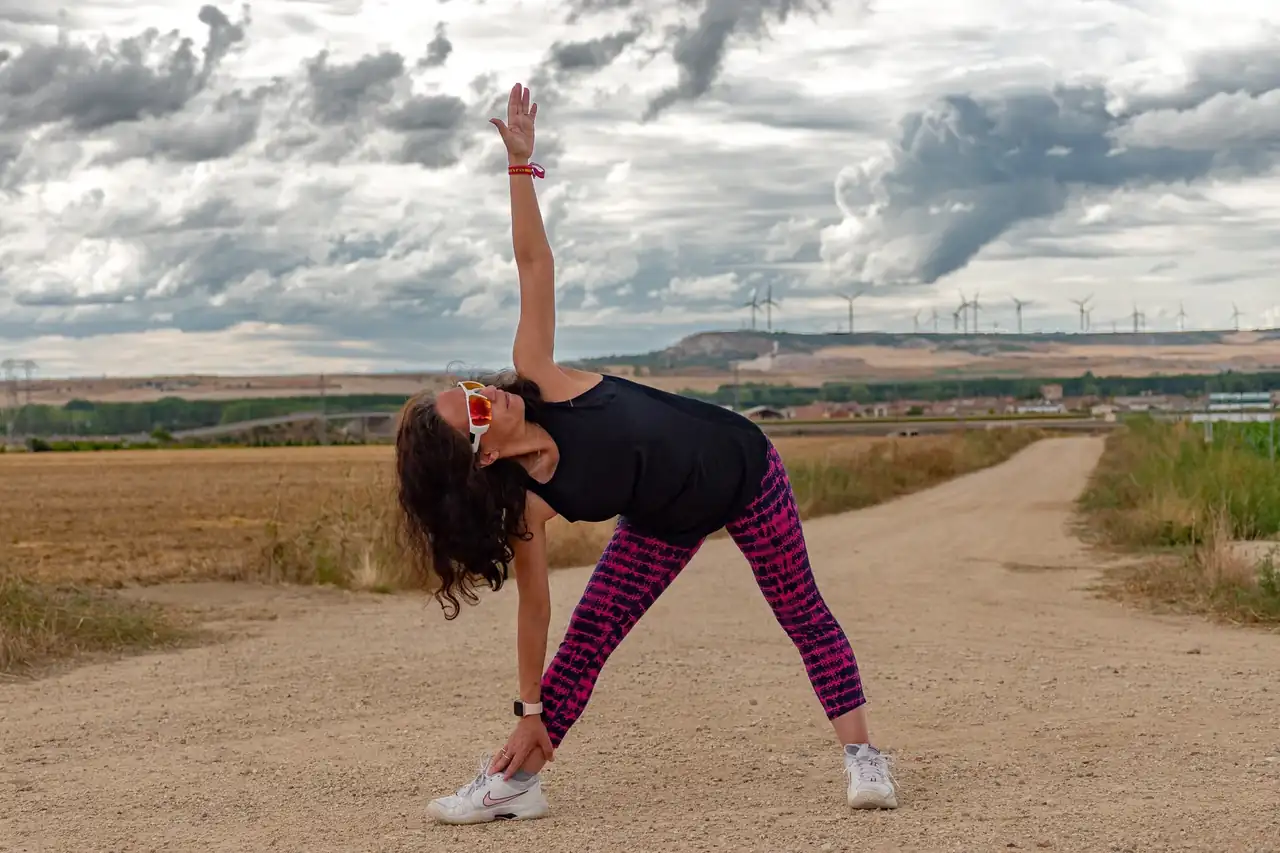
If you have a very pronounced arch, the way your foot meets the ground changes when you run. Instead of distributing the load evenly, pressure concentrates on the heel and forefoot, which is why ordinary shoes can feel hard, unstable or even painful.
For running, walking, or everyday use, the right choice comes down to a delicate balance: enough cushioning, a stable base, and real space for the foot. The goal is not to look for an ultra-soft shoe or a strictly orthopedic model, but for a design that spreads impact, supports without squeezing, and does not force the sole to work against the shoe.
What changes in a foot with a high arch
A cavus foot usually has a high, rigid longitudinal arch, with less ability to absorb impact on its own. That rigidity can come with claw toes, metatarsalgia, calluses, and sensitivity on the outer side, especially when walking for long periods or on hard surfaces such as asphalt, office floors, or uneven sidewalks.
Biomechanics also change. Because there is less contact with the ground, the body looks for compensation in the ankle, calf, and sometimes the knee. That is why it is not enough to focus on aesthetics or the usual size: the fit of the last and the response of the sole matter as much as the size. A short, narrow, or overly firm model can worsen pressure on specific points.
In active women, this problem becomes especially noticeable in the last miles of a run or at the end of a long day. The foot starts to load in very specific areas, the stride becomes less fluid, and there is a feeling of walking on a rigid surface. That is where a good pair of shoes makes the difference between relief and accumulating discomfort.
What truly useful footwear should provide
The first requirement is generous but not unstable cushioning. In a cavus foot, shock absorption does not work the same way as it does in a foot with a medium or low arch, so a midsole with a good feel helps reduce punishment to the heel and forefoot. The important thing is that softness does not turn into a shaky base.
The second key is shape. A wide last in the forefoot area gives the toes room, and in many cases they need more space than usual. When the toe box squeezes, the foot looks for room wherever it can and you end up with rubbing, battered nails, and a tingling sensation. A roomy fit in the metatarsal area is often more valuable than a sleek look.
The heel counter also matters. A well-structured heel helps keep the foot in position and prevents the support from shifting abruptly. At the same time, breathable materials reduce moisture and heat, which is especially useful when the foot is working harder and friction increases. If the closure also lets you adjust tension, the result is usually much more adaptable.
In practice, a recommended model combines several features: a stable base, smooth transitions, an interior free of irritating seams, and the option to remove the insole. That last detail is important because many women with cavus feet use custom insoles or support insoles, and not all shoes accept them naturally.
Models that usually work better
Training shoes with moderate or high cushioning usually fit better than minimalist or overly hard models. On asphalt, the priority is reducing repeated impact; for walking, the goal is to keep the foot from having to fight with every step. That is why very flat profiles or extremely rigid soles usually give poorer results.
Running shoes with a relatively stable platform are a common option, as long as they do not have a midsole so soft that the foot sinks and loses support. In women with a high arch, too much softness can be almost as uncomfortable as a lack of cushioning. Lateral stability matters a lot, especially if the stride tends to move toward the outer edge.
Casual shoes with a removable insole and good instep support also tend to work well. There is no need for complex mechanisms or aggressive corrections; in fact, a simple but well-executed design is often kinder. In summer, sandals with adjustable straps and arch support can provide significant relief, as long as the heel is not left too loose.
In boots and ankle boots, the priority changes a bit: the shaft should not pinch, the base should be firm, and the front should have volume. A pretty but narrow boot can be a problem from the very first walk, while a less flashy but well-built one becomes a quiet ally for months.
Insoles and support: when they help and when they do not
Custom or support insoles can be a very useful addition for a cavus foot because they help redistribute pressure and soften forefoot overload. However, not all insoles work for everything. An insole that is too aggressive, rigid, or high can create a strange sensation, almost as if the foot were being pushed into an uncomfortable position.
For that reason, the fit between insole and shoe has to be clean. The shoe must have enough volume so it does not crush the insert or raise the foot too much inside. When that does not happen, rubbing appears, the instep gets pressed, and the heel may slip. Compatibility between the two elements is just as important as each one separately.
In running, many runners with high arches prefer to combine stable neutral shoes with a well-fitted insole. That combination usually works better than a supposedly corrective model that tries to do everything at once. The body appreciates gradual changes; forced solutions, on the other hand, usually end with the pair being abandoned quickly.
It is worth remembering an important point: insoles do not replace proper footwear. If the base model is narrow, dry, or unstable, the insole will only mask the problem. The whole setup must behave like a coherent system, almost like a well-tuned team, not like loose parts that barely get along.
Signs that a model does not fit
There are fairly clear clues. If you feel pressure on the outer part of the foot when trying on the shoe, if the toes cannot spread naturally, or if the heel moves too much, the fit is not good. Pain should not appear during a short try-on; if it shows up quickly, it is unlikely to improve with use.
Another common sign is the feeling that the arch is not being supported, but instead is receiving a strange, localized pressure point. In a cavus foot, ideal support should not feel like a hard piece digging into the sole, but like a discreet aid that follows the stride. When the support feels like an uncomfortable wedge, it is either unnecessary or poorly designed.
Early fatigue also deserves attention. A model that forces compensation through the calf muscles, or makes the toes work too hard to hold the foot in place, eventually takes its toll. In these cases, initial comfort can be misleading: a very soft shoe in the first minute can become a burden after half an hour.
In everyday life, repeated rubbing often reveals poor fit before pain does. Damaged nails, reddened skin, marks on the instep, or new calluses are clues that the shoe geometry is not working. A cavus foot tolerates poor compromises badly; either the model works well, or it shows the problem quickly.
Sport, walking, and long days: not everything requires the same thing
For walking, the main goal is continuity. A comfortable shoe should allow hours of use without the sole becoming harder step by step. In that situation, forefoot flexibility, toe room, and the feel of the midsole matter a lot. Footwear that is too rigid may feel fine in the store and worse on the street.
In running, however, pace comes into play. A runner with a high arch usually appreciates a smooth transition, a base that does not twist the ankle, and enough cushioning for asphalt or compact paths. Too much correction is usually not a good idea, but neither is a lightness that lacks support. The key is an orderly response, not a hollow-tube feeling under the foot.
For long hours on your feet, such as working in retail, hospitality, or long urban commutes, models with a forgiving fit and removable insole usually work better. If the day ends with feet hot, tense, and more sensitive than at the start, the footwear needs reviewing. In these cases, soft interior materials and a well-padded ankle collar reduce accumulated strain.
In summer, many women with high arches gravitate toward technical sandals with good support. Not all sandals are suitable: flat ones without grip make the foot work too hard. Arch support and rearfoot hold turn a sandal into a real option, not just an apparent relief for hot days.
Brands and footwear families that usually offer more options
Rather than chasing a specific label, it is better to look at product families. Neutral training lines, some soft-stability shoes, and certain walking models with a wide base usually feel kinder than aggressive or very narrow designs. Construction matters more than the logo.
In today’s market, there are brands that pay special attention to the last, cushioning, and the possibility of using your own insole. A useful decision rarely depends on a single feature; it is usually the sum of several small things. A roomy interior, a stable base, and a sole that does not deform excessively on landing are much more important than the advertising campaign around the product.
It is also worth checking whether the model comes in wide or extra-wide versions. That simple difference solves many problems at once, especially when there is a bulky forefoot or toes that need freedom. In a cavus foot, space is not a luxury: it is part of functional comfort.
Women who use custom insoles should pay attention to two very specific details: internal depth and whether the factory insole can be removed. If the shoe does not provide enough volume, the insole raises the foot too much and compromises support. That is where many promising pairs fall short, even if they seem perfect at first glance.
How to test them without fooling yourself in the store
A useful test does not last thirty seconds. You need to walk, turn, stop, and notice whether the foot slides. Correct fit is recognized by calmness: it does not pinch, it does not wobble, it does not poke, and it does not force your toes to grip. If everything seems too easy, it is worth giving it more time; if something bothers you right away, the signal is clear.
Trying them on at the end of the day helps, because the foot is usually slightly more expanded. It also helps to wear the socks you will normally use or the insole you plan to add. Small changes in volume alter the final result quite a bit, and in a cavus foot that difference is noticed quickly.
After walking for a few minutes, it is worth paying attention to pressure distribution. A good model does not concentrate the load in one area or force your muscles to compensate. If the instep feels squeezed, the heel lifts, or the toe box rubs, the problem is not minor and will not be solved by patience alone.
In practice, the best purchase is the one that leaves you feeling calm after a while, not the one that impresses you when you open the box. A cavus foot usually rewards common sense: less show, more discreet engineering. What looks understated on the outside often works better than a spectacular design that is poorly executed.
What usually brings the most relief in the long run
The most reliable combination is usually simple: roomy footwear, reasonable cushioning, a stable base, and compatibility with insoles. There is no universal recipe, but there is a fairly consistent logic. The less the foot has to compensate, the more likely comfort is to last for hours or miles.
Very hard, very flat, or overly narrow models tend to be more punishing. So do those that try to overcorrect a stride already shaped by a rigid high arch. Moderation, in this area, is worth more than technical grandstanding. A sensible shoe can perform better than one full of promises.
In women with cavus feet, success usually comes when three ideas are respected: space, support, and feel. Space so the toes do not fight, support so the heel and midfoot do not move loosely, and enough cushioning so impact is not felt at every step. That combination, when well tuned, visibly changes the wearing experience.
The right footwear does not erase anatomy, but it can make it much kinder. And in a high arch, where the terrain is already tilted from the start, that difference translates into less friction, less fatigue, and a more civilized relationship between the foot and the ground.
How to choose running shoes if you have high arches
When you run, each foot strike repeats the load on your heel and forefoot. If you have high arches, pay attention to how a shoe feels on your runs, not just while standing still in the shop. Adequate cushioning may feel comfortable, but the platform should also feel stable: if your foot sinks or wobbles, the shoe may not provide the support you prefer. There is no single setup that works for everyone; fit and comfort matter most.
Check that your toes have room and that the toe box does not squeeze the ball of your foot. Your heel should feel secure without rubbing or being pinched, and the laces should not create excessive pressure across the top of your foot. If you use insoles, try the shoes with them and make sure they fit without altering the shoe’s fit. Walking around is useful, but a gentle run can reveal more before you wear a new pair on a long run or race.
On your first outings, look out for localised discomfort, rubbing, tingling or a feeling of instability, especially if it gets worse as the miles go by. If it does, stop testing the shoes and check the size, width, lacing and fit with your insole; do not try to fix the problem by tightening the laces. Change footwear if needed, and avoid wearing a new pair for the first time in a race. Choose according to your routes and what feels comfortable, rather than relying only on cushioning or stability labels. If pain or symptoms persist, consult a healthcare professional.
Correct fit is noticeable on the first serious walk
The best reference is not the display window, but the real route. Shoes for a high arch should remain stable while walking, leave room in the forefoot, and not punish the heel or instep. If the foot feels accompanied rather than watched, the choice is on the right track.
Ultimately, useful footwear for this profile works like a silent base: it does not call attention to itself, it does not fight the stride, and it does not demand the spotlight. That discretion is precisely its greatest virtue. When the model fits, attention stops being on the shoe and returns to what matters: moving with less discomfort and more naturalness.
Este artículo contiene enlaces de afiliado: si compras a través de ellos, se genera una pequeña comisión sin coste adicional para ti. Más información.



How to prevent thigh chafing: causes and real solutions

Women’s running windbreakers: seven jackets and how to choose

Do more workouts get rid of soreness? A guide for runners

Jaén Half Marathon 2026: Record 3,800 Runners Registered

Men’s short running tights: how to choose the right pair

World Triathlon confirms data breach involving medical data

Izan Edo targets podium at Miyazaki World Cup

María Pérez ranks ninth in World Athletics’ 2026 top ten

Dos Santos, Duplantis and Sawe: World Athlete of the Year finalists

San Silvestre Vallecana 2026: 42,000 places, prices and start times

 Races4 months ago
Valencia Half Marathon 2027: date and registration

 Races4 months ago
Valencia Marathon 2026: entry, ballot and course

 Reviews and Comparisons4 months ago
Asics Gel-Roadmiles 3 for men: review and current price

 Reviews and Comparisons4 months ago
Asics Gel Sonoma 8 Gore-Tex: complete analysis for trail and rain

 Sneakers3 months ago
Saucony Endorphin Pro 4: full review and verdict

 News5 months ago
Strava API 2026: what changes for clubs, challenges and runner apps?

 Reviews and Comparisons5 months ago
Nike Alphafly 3: opinions, sensations, and real key points

 Reviews and Comparisons4 months ago
Under Armour running shoes review 2025-2026: models and key features

 Sports Equipment4 months ago
Shoe sizes in cm: a clear guide to getting the right fit for your footwear

 Sneakers3 months ago
Skechers GO RUN Consistent 2.0 analysis: comfort and limits

 News5 months ago
Valencia Marathon 2026 route: key tips to train and run better

 Sneakers4 months ago
Adidas Adizero Boston 13 for men: review and verdict