Training
Gavela test: adjust your real marathon pace
The 2×6000 provides a cautious estimate of possible pace and finishing time before running 42.195 kilometers.

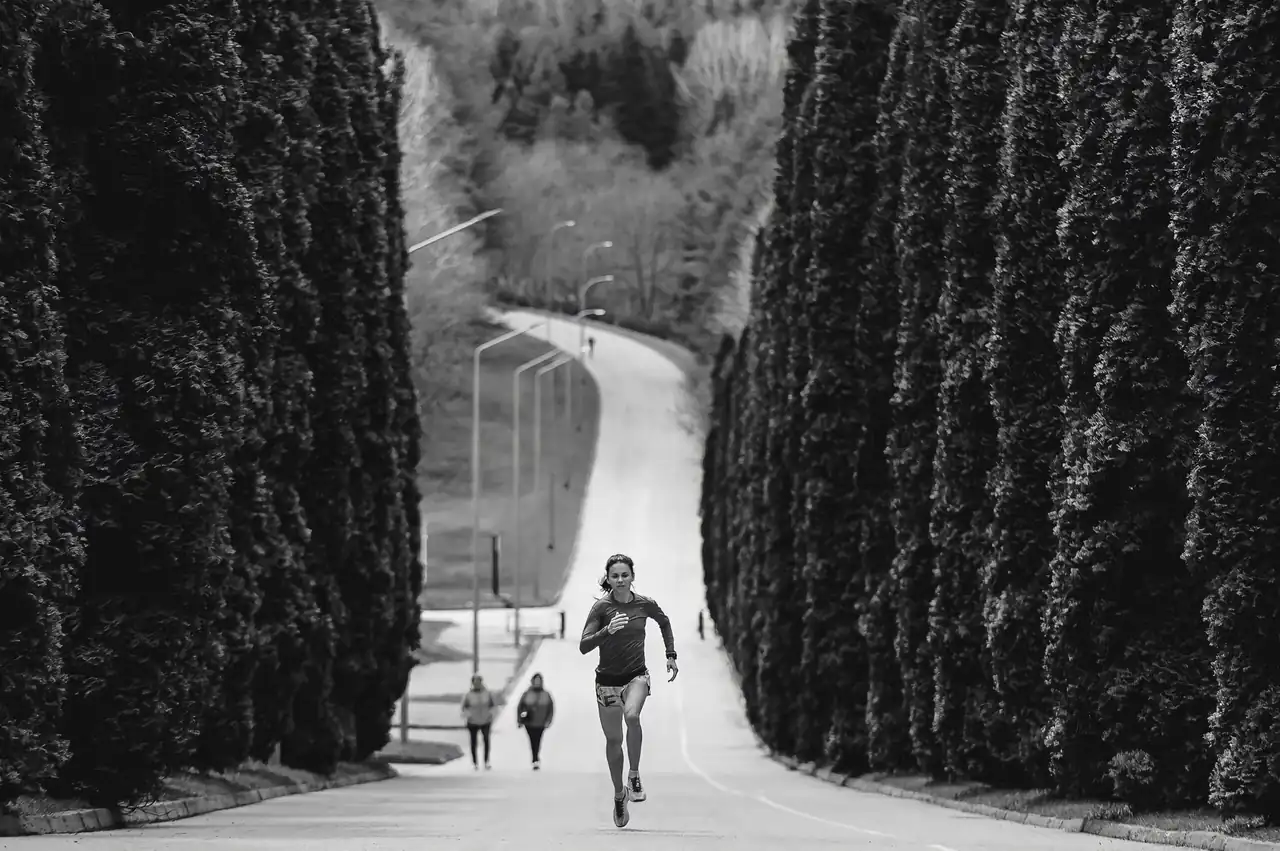
The Gavela Test turns a major question, the pace a runner can sustain for 42.195 kilometers, into a specific 12-kilometer session. The protocol combines a controlled first block with a demanding second one, separated by 90 seconds of recovery. Its result can guide race strategy, although it cannot guarantee a finishing time or replace experience gained through long runs.
The test should normally be completed 10 to 14 days before the marathon, when specific training is already well advanced and the gradual reduction in workload begins. The first 6,000 meters are run at the planned marathon pace; after that, a second 6,000 is completed at the fastest sustainable effort. The difference between both paces helps assess whether the initial goal is realistic, too ambitious or excessively cautious.
What the Gavela 2×6000 actually measures
The method emerged from the work of Antonio Serrano and Rodrigo Gavela observations of many runners. The idea is not to reproduce a marathon in miniature, something that would create excessive fatigue, but to examine the relationship between a sustained pace and the ability to accelerate after a short break. That relationship provides an approximate picture of current fitness.
The first block represents the pace the athlete believes can be maintained during the race. It should feel controlled, without becoming either an easy run or a competition. The second block requires six kilometers at high intensity, but at a speed that can be maintained to the finish. The key is not to finish the second section completely empty, but to execute both blocks honestly.
The difference is calculated per kilometer, not only by subtracting total times. A first 6,000 in 30 minutes equals 5:00 per kilometer. A second block in 26:42 equals 4:27 per kilometer, so the gap is 33 seconds per kilometer. That figure is compared with the closest reference line in the traditional table.
How to perform the test without distorting the result
The course should be flat, measured and clear enough to maintain an even pace. An athletics track provides precision, although eight laps and one third can feel monotonous. A stretch of asphalt with few turns, limited elevation change and reliable distance measurement also works. GPS may be inaccurate in urban areas, so physical markers or a previously checked distance are preferable.
The warmup should prepare the body without creating fatigue. Between 15 and 20 minutes of easy running, dynamic mobility and a few short strides are usually enough to reach the first meters with stable breathing. The goal is not to accumulate distance before the test, but to raise body temperature and activate coordination. Course conditions should resemble those of the marathon as closely as possible.
After the warmup, the first 6,000 begins at the target pace. If the aim is to run the marathon at 5:00 per kilometer, the block should take around 30 minutes. Do not speed up because the opening feels easy. That sensation is normal: there is little fatigue yet and a properly selected marathon pace should feel sustainable.
There are 90 seconds of recovery after the first block. Most runners jog very slowly or walk a few meters, without turning the pause into a full rest that is too long. A small amount of fluid is fine, but there is no reason to stop for an extended routine. The second interval begins when the 90 seconds end, not when every uncomfortable sensation has disappeared.
The second 6,000 is run at the fastest sustainable pace. Starting several seconds faster than you can maintain often causes a severe slowdown in the final kilometers and distorts the reading. Intensity should be high, close to a nine out of 10 effort, while still allowing good technique and completion of the distance. A gentle 10- to 15-minute cooldown is advisable afterward.
The first interval matters more than it seems
The most common error occurs before the recovery. The runner feels fresh, sees a comfortable pace and decides to run the first block faster than planned. The comparison then stops answering the original question: it no longer checks marathon pace, but an intermediate pace that may be too close to threshold effort.
An excessively fast first interval can produce an impressive second time, but the information loses value. The test may suggest greater marathon capacity because the initial reference was not sustainable for the full distance. Conversely, an excessively slow first 6,000 makes the second appear disproportionately fast and may lead to an overly optimistic interpretation.
The traditional table was built around approximate pairs of times. For example, a first block of 24:00 equals 4:00 per kilometer and is associated with a second block of 21:36, or 3:36 per kilometer. That 24-second difference points to a possible marathon pace of 4:00 and a favorable scenario close to 2:48:47. The probable time for the same line is around 2:52.
Around three hours, the usual reference is a first 6,000 in 25:00 and a second in 22:24. The difference is 26 seconds per kilometer. The table associates that performance with a possible pace of 4:10 per kilometer, a potential time of 2:55:49 and a probable time close to 2:59:00. These are useful guidelines, not targets that should be pursued without considering the rest of the preparation.
Near 3 hours and 30 minutes, a classic example is a first block in 30:00 and a second in 26:42. The gap reaches 33 seconds per kilometer. The traditional reading points to 5:00 per kilometer as a possible pace, with a potential time close to 3:30:59 and a probable prediction of 3:39:00. The gap between the possible and probable scenarios shows that the marathon always contains uncertainty.
How to interpret the paces and estimated time
When the second block is close to the reference time for the selected line, the first-block pace is reasonably validated. That does not mean the race will unfold exactly that way, but the relationship between both efforts is compatible with the goal. Final sensations matter too: finishing with sound technique and no unusual symptoms is different from crossing the line completely depleted.
If the second 6,000 is slower than the reference, the planned marathon pace was probably too fast, or the runner arrived tired, ill or affected by poor conditions. The result does not need to be treated as failure. Adjusting by five or 10 seconds per kilometer can change the final time by several minutes and, above all, reduce the risk of losing a great deal of time after kilometer 30.
If the second block is clearly faster, there are two possible interpretations. The first is that the opening pace was too cautious. The second, especially common among first-time marathoners, is that the runner has enough speed for 12 hard kilometers but has not yet developed the endurance needed to sustain that performance for more than three hours. A fast result does not erase the importance of weekly volume, long runs and fueling.
An example clarifies the process. An athlete targets 3 hours and 30 minutes and starts the test at 4:59 per kilometer. The first 6,000 takes 29:54, followed by 90 seconds of recovery, and the second is completed in 26:20. The difference is approximately 36 seconds per kilometer. The result appears compatible with the opening pace, but it does not require a faster race start. The cautious decision would be to keep the original target and evaluate sensations during the race.
Another runner completes the first block in 27:00, equal to 4:30 per kilometer, but can only finish the second in 25:00, or 4:10. The gap is 20 seconds. If the goal was to sustain 4:30 throughout the marathon, the result deserves caution: the second interval does not reach the expected reference for that line. Slowing the planned pace may be wiser than turning a warning sign into a risky bet.
How reliable is it for a marathon
The test does not have universal scientific validation that can turn its figures into an exact prediction. Its usefulness comes from accumulated experience and relationships observed in certain runner profiles. Historical guidance places its greatest reliability approximately between marathon times of 2:50 and 3:30. Outside that range, the margin may become wider.
Accuracy also depends on familiarity with the distance. A first-time marathoner may have good speed and complete both blocks comfortably while lacking the muscular endurance needed for the final 10 kilometers. At the other end, an experienced runner may interpret sensations better and balance small test deviations with data from previous training and races.
Weather adds another variable. Heat, humidity, wind and uneven surfaces can slow the second interval without showing a real loss of fitness. Sleep in previous days, time of day, stress, recent strength training and glycogen availability also matter. The number must be read within the context of preparation, not in isolation as a verdict.
The marathon adds factors the 2×6000 cannot reproduce. Running economy after 30 kilometers, carbohydrate management, hydration, sleep and the ability to hold back during the first half all matter. A hilly or windy course can move the final time away from the prediction, even when fitness is exactly as expected.
When to trust the result and when to be cautious
The test provides more information when it matches other indicators. A well-executed long run, marathon-pace sessions without excessive heart-rate drift and a recent half marathon can confirm or challenge the reading. Every detail does not need to match perfectly, but the overall picture should point in a similar direction. Major contradictions favor the more conservative pace.
A first marathon deserves special consideration. To finish the distance safely, endurance and pacing experience matter as much as speed. A runner with a strong 10K time may handle the second 6,000 easily and still discover too late that the selected marathon pace cannot be sustained. In that situation, the test is better used to establish a ceiling than to set an aggressive target.
Physical discomfort changes the interpretation completely. Pain that alters stride, fever, unusual fatigue or an active injury are reasons not to perform the session. The protocol requires intensity and provides no useful information if the body is protecting itself. Repeating it every week to chase a better number is also counterproductive: the fatigue may interfere with the taper.
Performing it once, 10 to 14 days before the race, is usually enough. Afterward, a planned reduction in volume should begin, while maintaining some moderate-intensity stimulus according to individual training. The purpose of the test is to make a decision, not to start another hard training phase.
Starting pace and strategy for 42.195 kilometers
The most useful test data is not always the probable finishing time, but the pace that should not be exceeded early. The marathon punishes impulsive decisions with a bill that usually arrives between kilometers 30 and 35. Running five seconds per kilometer faster may seem like a small advantage, but it accumulates fatigue and reduces the reserves needed when the muscles have already been working for more than two hours.
A sensible strategy is to start close to the probable pace without chasing the best-case scenario from the first kilometer. The pace should feel stable, breathing controlled and technique relaxed. On a flat course, an adjustment of one or two seconds per kilometer can be made later if sensations remain good. A sharp acceleration before halfway is usually a poor investment.
Fueling should be part of the strategy rather than improvised on race day. The test does not measure the effect of gels or drinks, so long runs should have been used to test quantities, timing and digestive tolerance. Planned pace must also adapt to the course profile. A long climb may require focusing on effort rather than becoming obsessed with the watch instant pace.
The probable time deserves more weight than the best possible time when conditions are normal and the runner lacks a strong reference. The former represents a more realistic scenario; the latter requires preparation, weather, course, rest and fueling to align almost perfectly. Caution does not reduce the value of the goal: it increases the chance of still racing at the finish.
A useful indicator, but never a crystal ball
The 2×6000 has lasted because it is simple, demanding and easy to compare. It requires no special equipment beyond a reliable stopwatch and a measured course. Its language is also accessible: a known pace, a short pause and a second interval that reveals how much reserve remains. That clarity explains why it remains part of many recreational marathoners preparation.
Its limitation is confusing correlation with certainty. The result can guide pace, identify a poorly chosen goal and organize confidence, but it cannot predict a specific morning. A race may unravel because of poor sleep, gastrointestinal trouble, a fall, unexpected heat or badly managed aid stations. The opposite can also happen: favorable conditions can beat the prediction.
The best reading combines the table with recent history, specific training and real sensations. A runner who uses the test as a compass gains a useful reference; someone who treats it as a verdict becomes exposed to false confidence or unnecessary disappointment. In 42.195 kilometers, preparation lays the foundations, but execution determines how much of that potential reaches the finish line.



How to prevent thigh chafing: causes and real solutions

Women’s running windbreakers: seven jackets and how to choose

Do more workouts get rid of soreness? A guide for runners

Jaén Half Marathon 2026: Record 3,800 Runners Registered

Men’s short running tights: how to choose the right pair

World Triathlon confirms data breach involving medical data

Izan Edo targets podium at Miyazaki World Cup

María Pérez ranks ninth in World Athletics’ 2026 top ten

Dos Santos, Duplantis and Sawe: World Athlete of the Year finalists

San Silvestre Vallecana 2026: 42,000 places, prices and start times

 Races3 months ago
Valencia Half Marathon 2027: date and registration

 Races3 months ago
Valencia Marathon 2026: entry, ballot and course

 Reviews and Comparisons4 months ago
Asics Gel-Roadmiles 3 for men: review and current price

 Reviews and Comparisons4 months ago
Asics Gel Sonoma 8 Gore-Tex: complete analysis for trail and rain

 Sneakers3 months ago
Saucony Endorphin Pro 4: full review and verdict

 News5 months ago
Strava API 2026: what changes for clubs, challenges and runner apps?

 Reviews and Comparisons5 months ago
Nike Alphafly 3: opinions, sensations, and real key points

 Reviews and Comparisons4 months ago
Under Armour running shoes review 2025-2026: models and key features

 Sports Equipment4 months ago
Shoe sizes in cm: a clear guide to getting the right fit for your footwear

 Sneakers3 months ago
Skechers GO RUN Consistent 2.0 analysis: comfort and limits

 News5 months ago
Valencia Marathon 2026 route: key tips to train and run better

 Sneakers4 months ago
Adidas Adizero Boston 13 for men: review and verdict