
Improve your times with our running training plans. Strength routines, running technique, and tips for 5K, 10K, and marathon.


A very widespread approach in endurance training divides the effort between easy runs and demanding sessions, with key nuances.


Endurance isn’t improvised: the heart, muscles, and rhythms change with a solid, steady foundation.


Keys to improve your aerobic capacity with data, reliable tests, and sessions that really fit runners of all levels.


Garmin’s metric combines sleep, recovery, and recent load to estimate your daily status and guide each workout.


A useful metric for reading accumulated fatigue, organizing weekly effort, and avoiding going overboard in training.


Two training models, two different philosophies, and a decision that depends much more on your habits than on your watch.


An updated selection of apps to log runs, follow plans, and get the most out of every outing with more data and less noise.


AI already fine-tunes plans, measures fatigue, and analyzes data in running, but it does not replace human judgment or sensations.


AI already suggests plans and adjustments, although it doesn’t always get them right. These are its real uses and its limits when running.
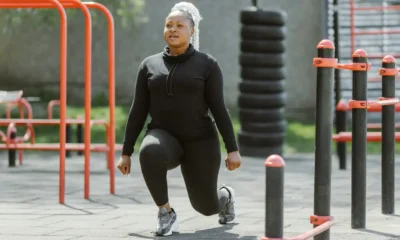

More power, better technique, and fewer overloads: the physical foundation that changes how a runner runs.


Well-applied strength improves stride, reduces injuries, and makes it possible to sustain high paces with less wear and tear.
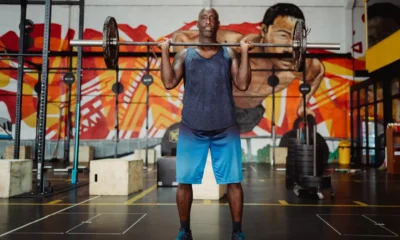

Well-chosen strength improves your stride, protects your joints, and helps you sustain high paces with less wear and tear.


