Training
3D gait analysis at Paragon Sports: what to know
3D technology can show how the foot lands while running, but its findings need context and careful interpretation.

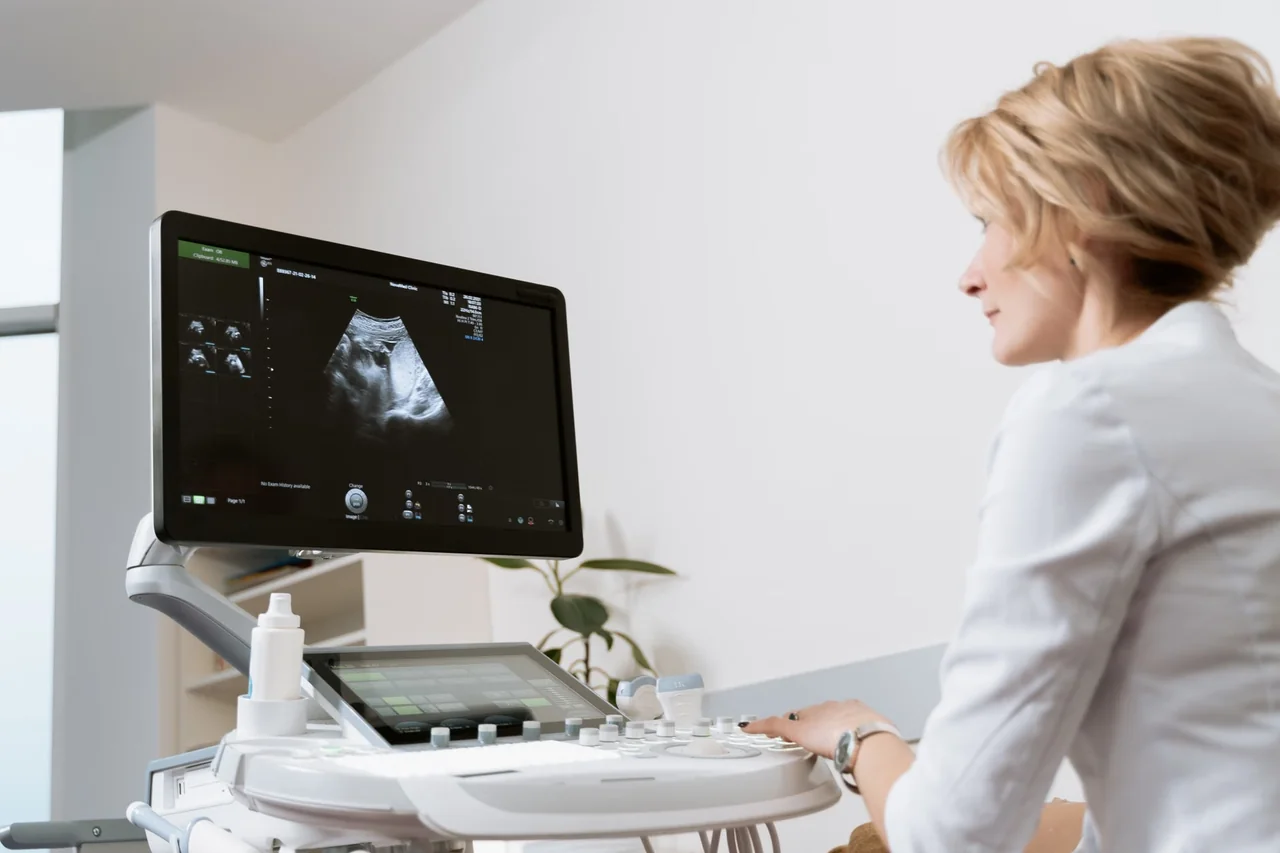
A three-dimensional gait analysis can show how the foot lands, how the body moves and what differences exist between both sides while walking or running. In the case of Paragon Sports, the public information available does not reliably confirm the current price, availability, exact equipment or protocol used by each location. That caution matters: a commercial assessment is not automatically a clinical evaluation.
The clearest reference found for a similar activity comes from a 2009 Asics campaign connected to its Tech Tours program. That event offered 20-minute sessions for 19 euros at selected stores in Madrid, with advance booking. It is historical information, not a current Paragon Sports price. The difference between those periods makes it necessary to separate the general technology from the specific service a store may offer today.
What a three-dimensional platform actually observes
The term 3D analysis usually describes a system of cameras, sensors or pressure platforms able to record movement from several angles. While the runner walks or jogs, the equipment may capture heel position, knee trajectory, pelvic tilt and the way the foot contacts the ground. The result is broader than a simple visual observation while standing still.
A pressure platform adds another layer of information. Its sensors detect where load is concentrated, how long each area remains supported and how the center of pressure moves from the heel toward the forefoot. It does not only measure whether the foot moves inward or outward; it records the dynamic distribution of forces during each landing, although accuracy depends on the device, calibration and test conditions.
In a well-designed session, the professional compares several steps or strides instead of drawing conclusions from a single image. Speed, fatigue, surface and footwear alter movement. Running barefoot on a treadmill does not necessarily produce the same pattern as running in training shoes on asphalt. The context of the measurement therefore matters as much as a screen filled with graphs.
The difference between walking and running
Many assessments begin with walking so the runner can get used to the treadmill and the sensors can be checked. A comfortable running phase may then be added. Walking involves longer support phases and lower mechanical demand; running introduces a flight phase, higher loads and a stronger elastic response from the ankle, knee and hip.
A foot that appears stable while walking may move differently as speed increases. Stride length, contact time and the location of the first landing can also change. Three-dimensional observation is useful because it allows movement to be compared in different situations, not because it gives every runner a definitive label.
The interpretation should avoid simplistic conclusions. Moderate pronation is part of normal movement and is not, by itself, an injury or proof that a runner must use a motion-control shoe. Supination does not automatically predict discomfort either. Movement must be related to injury history, training volume, surface, technique, comfort and actual symptoms.
What the report graphs mean
Reports commonly show pressure maps, trajectory lines, support percentages and comparisons between the right and left sides. Some systems calculate rearfoot angle, pronation speed or the time needed for load to move toward the toes. These figures can help identify differences, but they should not be read as a simple good-or-bad score.
Asymmetry also needs context. Nobody runs in a perfectly identical way on both sides; dominance, an old injury or pelvic structure can play a role. A small, stable difference may not matter, while a recent change accompanied by pain deserves a fuller assessment. The useful information is not an isolated percentage, but its relationship with the runner’s experience.
Peak pressure does not always equal risk. One area may handle a high load for an instant without causing problems, while another may become irritated through repetition, poor footwear adaptation or a sudden increase in mileage. Technology describes what happens; it does not replace the reasoning needed to understand why it happens or what intervention, if any, makes sense.
Paragon Sports and the details worth confirming
The Paragon Sports name is associated with a sports retailer and, in related searches, with questions about gait tests and shoe selection. However, the available reference material does not document a current event, specific address, price, duration or proprietary scanner model. Presenting those variables as facts would confuse a search intention with verified information.
Before visiting any store, it is sensible to check directly whether the test takes place in-store, whether an appointment is required, whether it includes walking and running and whether a report is provided afterward. It also matters who interprets the results and what happens if pain appears. Transparency about the procedure matters more than a commercial technology label, because it clarifies the real scope of the service.
A short session may be designed mainly to support a purchase. That does not make it useless: observing foot contact and trying several models can support a decision. Its purpose, however, differs from a physiotherapy, podiatry or sports medicine assessment, where medical history, joint mobility, strength, injuries and symptom progression are examined.
The historical 19-euro price mentioned in the 2009 Asics campaign is only a reference to the type of promotion some brands have organized in stores. It should not be used to estimate the current cost at Paragon Sports. Prices, schedules and conditions can change by city, season, participating brand and staff availability.
How to prepare for a useful session
Clothing should allow the alignment of the legs to be seen and make running comfortable. Very loose trousers or restrictive clothing can make observation harder. It is also preferable to bring the shoes used most often and, if the aim is to choose a racing model, explain the event type, approximate distance and surface where it will be used.
The session should not take place immediately after a demanding workout. Fatigue changes technique, shortens the stride and may cause the runner to load one side more. It is also unwise to test a new insole or footwear geometry for the first time that day. The aim is to record representative movement, not to create perfect posture for a few minutes.
Personal history matters too. Previous plantar fasciitis, calf overload, knee pain or hip discomfort changes how the findings should be read. Someone may have apparently neutral movement and still need to review training load. Likewise, a visible difference may cause no symptoms and may not need correction.
During the test, the runner should say if the pace feels too fast, discomfort appears or the shoes clearly change the sensation. Natural movement is essential. Running stiffly to follow instructions or constantly looking at the screen can alter the mechanics being measured.
Choosing shoes from evidence, not a label
A scanner result can help narrow the options, but it cannot decide the ideal model by itself. The shoe should match intended use, runner weight, usual pace, surface, weekly mileage and personal feel. Comfort during several minutes of easy running often provides a more practical signal than an automatic classification based on foot movement.
Traditional categories such as neutral, stability or motion control describe design tendencies, not personal diagnoses. A stability shoe may use a wider platform, different foam densities or features that partly limit certain movements. Its actual effect changes with foot shape, ankle mobility and interaction with the rest of the body.
Trying two or three alternatives with a similar running action makes it possible to notice differences in fit, pressure, flexibility and transition. The upper should not feel tight, the toes need room to extend and the heel should remain secure without rubbing. The strongest recommendation combines measurement, movement testing and the runner’s preferences.
A gait test also cannot predict shoe lifespan on its own. Wear depends on runner weight, surface, temperature, storage and running style. Brands often mention broad ranges, but there is no universal mileage figure requiring every pair to be replaced. Loss of cushioning, visible deformation and new discomfort are more useful signs.
When a health assessment is needed
A commercial test can provide an initial record, but it should not be used to diagnose an injury. Persistent pain, swelling, loss of strength, tingling, instability or discomfort that changes walking require assessment by a qualified health professional. A screen may show a difference between the feet, but it cannot independently identify tendon injury, a stress fracture or a neurological problem.
A sudden change also deserves attention. If the runner keeps the same shoes and training load but develops new pain or a limp, the issue is not necessarily solved with more support. The cause may be a rapid increase in volume, insufficient recovery, a different surface or limited mobility. Addressing the cause requires a broader assessment than choosing a shoe.
Podiatry and physiotherapy can examine factors that a typical store session does not include: calf strength, hip control, first-toe mobility, ankle range, injury history and response to exercises. Additional tests may be requested when clinically appropriate. Motion-capture technology can form part of that assessment, but it does not replace it.
A useful tool when interpreted carefully
The main contribution of a three-dimensional study is making an otherwise unnoticed movement visible. Seeing how pressure travels under the foot or how alignment changes while running can improve the discussion about footwear and reveal differences worth monitoring. The information is valuable when explained clearly and related to real sporting life.
At Paragon Sports, anyone interested should confirm the exact session conditions beforehand, because the available information does not establish a single protocol or current fee. The history of brand campaigns shows that such activities can be temporary, move between stores and require advance booking. Checking current information prevents an old detail from becoming a present-day promise.
The best interpretation is not about finding a perfect foot. It is about understanding how the body moves, which shoes feel comfortable and whether any sign justifies a health assessment. A colour map does not run for anyone, strengthen a tendon or compensate for poorly planned progression. It may act as a compass, but the route is shaped by context, adaptation and the runner’s response.
Este artículo contiene enlaces de afiliado: si compras a través de ellos, se genera una pequeña comisión sin coste adicional para ti. Más información.



How to prevent thigh chafing: causes and real solutions

Women’s running windbreakers: seven jackets and how to choose

Do more workouts get rid of soreness? A guide for runners

Jaén Half Marathon 2026: Record 3,800 Runners Registered

Men’s short running tights: how to choose the right pair

World Triathlon confirms data breach involving medical data

Izan Edo targets podium at Miyazaki World Cup

María Pérez ranks ninth in World Athletics’ 2026 top ten

Dos Santos, Duplantis and Sawe: World Athlete of the Year finalists

San Silvestre Vallecana 2026: 42,000 places, prices and start times

 Races3 months ago
Valencia Half Marathon 2027: date and registration

 Reviews and Comparisons4 months ago
Asics Gel-Roadmiles 3 for men: review and current price

 Races3 months ago
Valencia Marathon 2026: entry, ballot and course

 Reviews and Comparisons4 months ago
Asics Gel Sonoma 8 Gore-Tex: complete analysis for trail and rain

 Sneakers3 months ago
Saucony Endorphin Pro 4: full review and verdict

 News5 months ago
Strava API 2026: what changes for clubs, challenges and runner apps?

 Reviews and Comparisons5 months ago
Nike Alphafly 3: opinions, sensations, and real key points

 Reviews and Comparisons4 months ago
Under Armour running shoes review 2025-2026: models and key features

 Sports Equipment4 months ago
Shoe sizes in cm: a clear guide to getting the right fit for your footwear

 Sneakers3 months ago
Skechers GO RUN Consistent 2.0 analysis: comfort and limits

 News5 months ago
Valencia Marathon 2026 route: key tips to train and run better

 Sneakers4 months ago
Adidas Adizero Boston 13 for men: review and verdict