Training
10K beginner plan in PDF: complete guide
A progressive guide to completing 10 km safely, without rushing, and with an easy-to-follow structure.

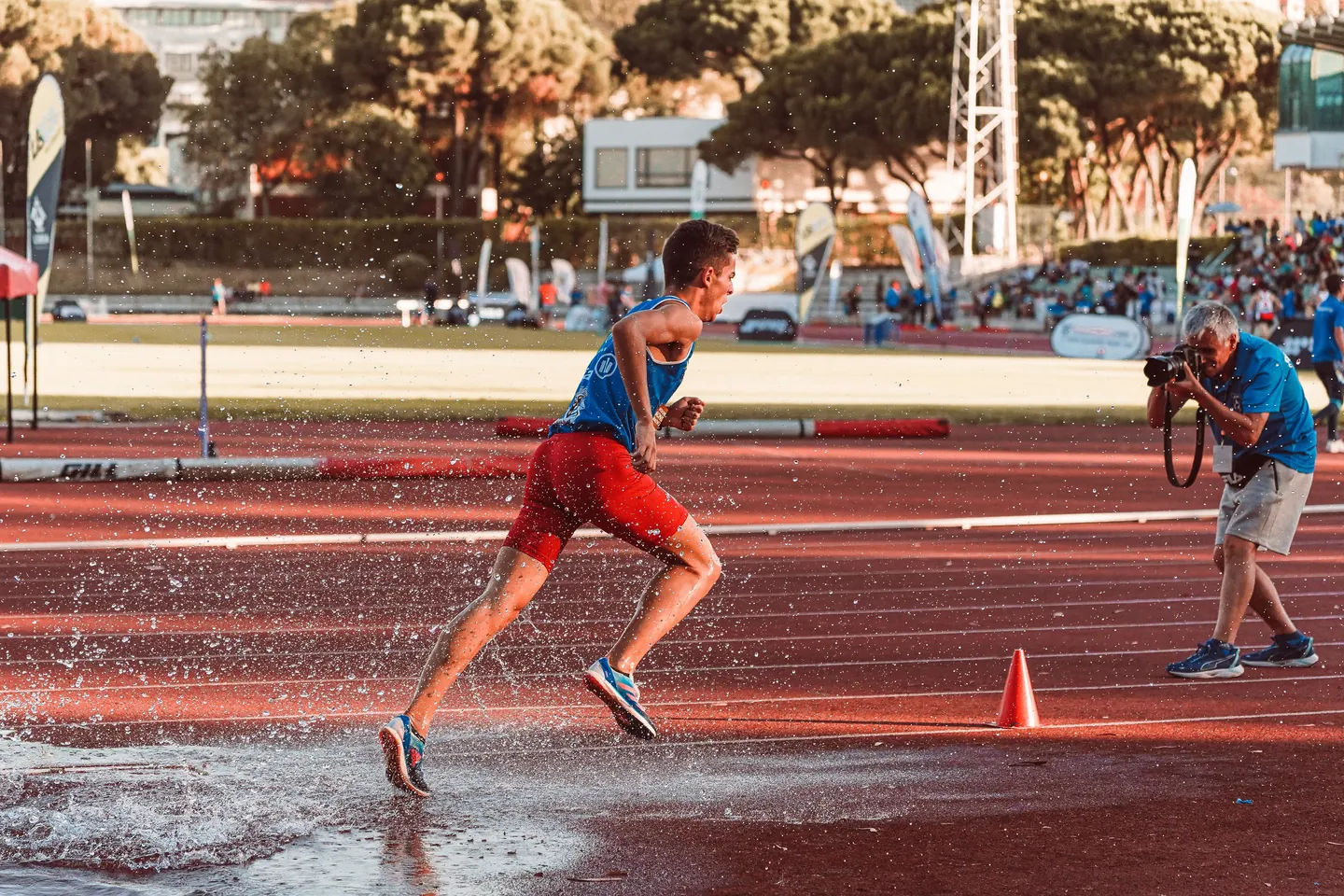
Imagen: RUN 4 FFWPU / Pexels
Taking the leap to 10 kilometers is often the first serious goal for anyone who has already moved past improvised outings and needs a clear structure. A good beginner plan is not about squeezing everything out of you, but about organizing: it alternates easy runs, real rest, and the occasional slightly livelier session so the body learns to sustain the effort without breaking down along the way.
The PDF format is still the preferred one for a simple reason: it can be printed, saved on your phone, and checked without depending on a connection. For a new runner, having the week visible, with its days marked and sessions summarized, reduces improvisation and helps maintain consistency, which is the most important piece in a distance like 10 km.
What a realistic plan should offer to reach 10 kilometers
A useful plan does not start with speed, but with consistency. Before thinking about paces, the runner needs to tolerate several days of weekly activity, accept that there will be easy days, and understand that rest is part of training. That foundation is what prevents the enthusiasm of the first weeks from turning into discomfort, accumulated fatigue, or premature abandonment.
In the plans for first-timers that work best, progression usually goes from less to more over between 6 and 10 weeks. There is no magic number, but there is a common logic: at first, what matters is sustaining short, comfortable outings; then, lengthening the runs a little; and finally, getting close to the target distance without every session feeling like a test. The 10 km distance requires more than enthusiasm, but it does not demand elite-level preparation.
The most valuable reference is the time you can run comfortably. Anyone who already completes 30 minutes in a row is at a reasonable starting point; anyone who still needs to walk between blocks can keep progressing with the run-walk method without losing effectiveness. The goal is not to look the part, but to build it patiently, like someone laying bricks one by one rather than starting from the roof.
How to read the structure of a PDF plan without getting lost in the attempt
A well-built document is understood at a glance. The week is usually divided into three or four running days, with a combination of an easy run, a slightly more intense session, a recovery session, and, in some cases, a somewhat longer outing over the weekend. That combination gives the body different stimuli without overloading it.
Easy workouts, usually at 60% to 75% of maximum intensity, serve a purpose that many underestimate. They do not make headlines, they do not leave you feeling emptied out, and yet they are the cement of the whole process. That is where the aerobic base is built, efficiency improves, and space is left to absorb what comes next. Running easy is not running worse; it is running intelligently.
The livelier sessions, for their part, do not have to be long. For a beginner, short blocks, pace changes, small repeats, or continuous stretches at a controlled effort are enough. What matters is that the body gets to know a slightly faster speed than the comfortable one, without turning training into a fight. Technique, breathing, and recovery matter just as much as pace itself.
The starting point before following a beginner table
Not all beginners start from the same place. Some have been power walking and jogging for months, some can already cover 5 km without stopping, and some are only managing twenty minutes of continuous running. That is why a valuable PDF should not sell one single path for everyone, but rather offer room for adjustment. Distance matters, but the runner’s background matters more.
For those who still cannot run 5 km continuously, it is best to think of the plan as a staircase. The first steps may include a few minutes of easy running alternated with walking, and that does not diminish the achievement. In fact, it reduces the risk of overuse in tendons, calves, and the plantar fascia, three areas that tend to complain when you try to advance too quickly.
It is also useful to review the personal context. Sleeping little, working many hours sitting down, training after a very demanding day, or returning from an injury completely changes how the plan should be read. The same volume can be manageable for one person and excessive for another. Sensibility here is worth more than heroics.
A sensible weekly outline for someone starting from zero
The most stable typical week usually combines three pieces: an easy run, a moderate stimulus session, and a longer outing. In some cases, a fourth very easy day is added to consolidate habits. The key is that no session should feel like an exam. The novice runner needs to finish with the feeling that they could have done a little more, not that they barely survived.
A reasonable example, with no claim to be a universal recipe, might start with 20 or 25 minutes of easy running or run-walk, include another day with short blocks at a controlled pace, and reserve the weekend for a 35- to 50-minute run. As the weeks go by, that base is stretched prudently. In beginner distances, progress is felt more by how easily a run is completed than by the stopwatch alone.
Recovery between sessions is not an extra. If the plan says rest, rest means rest. Walking, moving gently, or doing light mobility work can be useful, but adding hard workouts where they do not belong usually brings the problem back in the form of fatigue, heavy legs, or small discomforts that grow in silence. The beginner runner improves both on the days they run and on the days they let the body organize the work.
Paces, sensations, and a common mistake when chasing the 10K
The big mistake beginners make is starting out too fast. The excitement of early progress is deceiving; the legs feel light, breathing seems under control, and the watch invites you to push harder. But in a 10 km race, that extra effort comes at a price. Usually, the effort starts to unravel around kilometer five or six, right when the race begins to demand brainpower in addition to fitness.
That is why beginner plans should teach effort perception. There is no need to always train by heart rate, although it can help; it is enough to learn to distinguish between an easy jog, a sustained pace, and a hard but controlled effort. The ability to talk is still a very useful compass: if you can speak in short sentences without gasping, you are probably in the right zone for many base sessions.
In quality sessions, it is better to seek firm effort, not a chase for pain. The work can be done in one-, two-, or three-minute blocks, or with short repeats and generous recoveries. For a novice, that dosage teaches more than a heroic session. The body learns to recognize paces; the mind learns not to dramatize every interval.
What role does strength play in a simple 10 km preparation?
Strength is the runner’s invisible insurance. There is no need to turn the week into a gym routine, but it is wise to include some basic work for glutes, core, hips, and legs. Two short general exercise sessions can make a noticeable difference in stride stability, movement economy, and load tolerance.
Squats, lunges, calf raises, planks, and balance exercises are usually enough in the initial phase. The aim is not to lift a lot of weight or pursue technical complexity, but to give the body a sturdier structure. A runner with stable hips and strong ankles tolerates the repetition of impacts better, and there are plenty of those over 10 km.
Strength also helps you run better without running more. That simple phrase sums up an important reality: not all progress comes from adding kilometers. Sometimes, what helps improve a time or complete a session with less effort is the ability to maintain posture when the legs are already tired. There, strength, however subtle it may seem, works like the frame of an umbrella on a windy day.
How nutrition fits into a short plan for beginners
In a 10 km build-up, there is no need to overcomplicate things, but it is important to eat and drink sensibly. Most of the work is supported by a normal, varied, and sufficient diet, one that includes carbohydrates, protein, and some healthy fat. A runner who is just starting does not need supplements as a rule; they need consistency at the table and to avoid training with an empty tank on a regular basis.
Before longer or harder sessions, a light meal with carbohydrates usually works better than a heavy or improvised dinner. After training, it is wise to recover with a simple combination of food and fluids, without falling into excessive rituals. Hydration deserves special attention on hot days, when a short run can feel much harder than in cooler conditions. In Spain, the calendar and the climate mean the thermometer deserves respect.
It is also sensible not to try anything new on race day. Not shoes, not breakfast, not strange gels, not odd schedules. The 10 km distance rarely requires fuel during the race, but it does ask you to arrive with a stable body and no digestive surprises. Normality, in this area, usually beats improvisation.
The value of a well-designed PDF compared with a generic table
Not all PDFs are equally useful. Some simply dump a table on the page and stop there; others explain the purpose of each session, clarify paces, offer alternatives if a day does not go as planned, and make week-by-week reading easier. For a beginner, that difference is huge. A table without context can confuse; a table with explanation gives confidence.
A well-designed document should indicate what to do if a session becomes too hard, how to reduce volume without breaking progression, and which signs require easing off. The reader is not just looking for a list of days, but for a small compass. Clarity prevents silly mistakes, like stacking two hard sessions back to back or trying to make up for a weak week with too many kilometers the following Sunday.
It is also useful for the plan to be portable. Saving it on your phone, printing it, or underlining it with a pencil helps the runner make it part of the routine. A practical PDF does not stay on the screen; it enters real life, between work, family schedules, and the streets where you go out to run at dusk or first thing in the morning.
What a 8-week preparation to make your debut usually includes
Eight weeks is a very common duration because it allows progress without making the wait too long. The first two weeks usually serve to organize habits and consolidate the routine; the middle ones, to introduce more running time and some pace changes; and the final ones, to sharpen up and arrive fresh on the target day. It is a short journey on the calendar, but a broad one in learning.
During that cycle, the long outing gradually grows until it approaches the race distance or leaves it nearly within reach. Some weeks the load drops a bit to absorb what has been trained, and that fluctuation is a good sign. The body does not improve in a straight line; it improves in waves. There are days when it seems like you are going backward, when in reality you are just consolidating.
Eight-week plans work especially well for someone who already has a minimal base. If the person still cannot run 20 or 30 minutes in a row, it is better to build that base first. Starting with the goal before laying the ground can be costly. The 10K rewards patience more than impatience.
What signs indicate that you are on the right track
Improvement is not always visible on the watch. Sometimes it appears in breathing, in how you recover the next day, or in how easily a route that once felt long is now completed with less effort. Those are valuable signs, because they reflect real adaptation. The beginner moves forward when training stops feeling like an intrusion and becomes part of the week.
It is also a good sign to finish sessions without unusual pain, with normal hunger, and with the desire to repeat them two or three days later. Logical tiredness should not be mistaken for a warning alarm. A persistent ache, however, does deserve attention. Running with occasional mild discomfort can be part of the process; normalizing sustained pain is not.
As the weeks go by, the stride usually settles and the mind stops counting every minute. At that point, the plan begins to fulfill one of its most valuable functions: turning a distance that seemed serious into a manageable one. That opens the door to the next step, whether that means repeating 10 km more comfortably or thinking about a faster time later on.
The final stretch before the race calls for less noise and more order
The week before is not the time to invent anything. It is best to reduce the load, keep a few brief touches of intensity, and sleep better. The urge to keep pushing until the last day usually leaves the legs flat just when it matters most to arrive alive. Tapering is an act of discipline, not fear of losing fitness.
In those days, it also helps to review practical details: bib number, clothing, shoes, transportation, and start time. None of that runs, but it does matter. A beginner who arrives at the starting corral with a clear mind and no pending decisions usually manages the start better and, above all, the final stretch. The race starts long before the gun goes off.
When crossing the finish line, what matters is not just the time. It also matters having arrived with an orderly preparation, without shortcuts or excesses, with a body that understands effort better and a mind that already knows 10 kilometers are not a wall, but a distance you learn to inhabit. That learning, more than the PDF file, is what leaves a mark.
A simple plan well executed is worth more than a complicated table
The best preparation for making your 10 km debut is usually the most understandable one. It does not need flourishes or a pile of technical terms. It needs progression, rest, a reasonable dose of intensity, and an honest reading of one’s own physical state. When the plan is well designed, the runner stops improvising and starts recognizing their paces, limits, and room for improvement.
That is why a good PDF for beginners should not feel like an order, but like a clear-use guide. What matters is not that it impresses, but that it works in real life, amid weeks with work, fatigue, and little time. A well-prepared 10K is built in silence: with sessions that seem modest, with rest that is not negotiated, and with enough patience for the body to do its part.
In the end, completing that first distance has something of a rite of passage about it. Not because of the number itself, but because of what it organizes around it: consistency, prudence, a cool head, and sustained motivation. And that, in running, is often worth much more than any quick promise.



How to prevent thigh chafing: causes and real solutions

Women’s running windbreakers: seven jackets and how to choose

Do more workouts get rid of soreness? A guide for runners

Jaén Half Marathon 2026: Record 3,800 Runners Registered

Men’s short running tights: how to choose the right pair

World Triathlon confirms data breach involving medical data

Izan Edo targets podium at Miyazaki World Cup

María Pérez ranks ninth in World Athletics’ 2026 top ten

Dos Santos, Duplantis and Sawe: World Athlete of the Year finalists

San Silvestre Vallecana 2026: 42,000 places, prices and start times

 Races3 months ago
Valencia Half Marathon 2027: date and registration

 Races3 months ago
Valencia Marathon 2026: entry, ballot and course

 Reviews and Comparisons4 months ago
Asics Gel-Roadmiles 3 for men: review and current price

 Reviews and Comparisons4 months ago
Asics Gel Sonoma 8 Gore-Tex: complete analysis for trail and rain

 Sneakers3 months ago
Saucony Endorphin Pro 4: full review and verdict

 News5 months ago
Strava API 2026: what changes for clubs, challenges and runner apps?

 Reviews and Comparisons5 months ago
Nike Alphafly 3: opinions, sensations, and real key points

 Reviews and Comparisons4 months ago
Under Armour running shoes review 2025-2026: models and key features

 Sports Equipment4 months ago
Shoe sizes in cm: a clear guide to getting the right fit for your footwear

 Sneakers3 months ago
Skechers GO RUN Consistent 2.0 analysis: comfort and limits

 News5 months ago
Valencia Marathon 2026 route: key tips to train and run better

 Sneakers4 months ago
Adidas Adizero Boston 13 for men: review and verdict