Training
Starting to run at 50: real keys to doing it right
A clear guide to starting running at 50: health, progression, strength, rest, and mistakes to avoid.

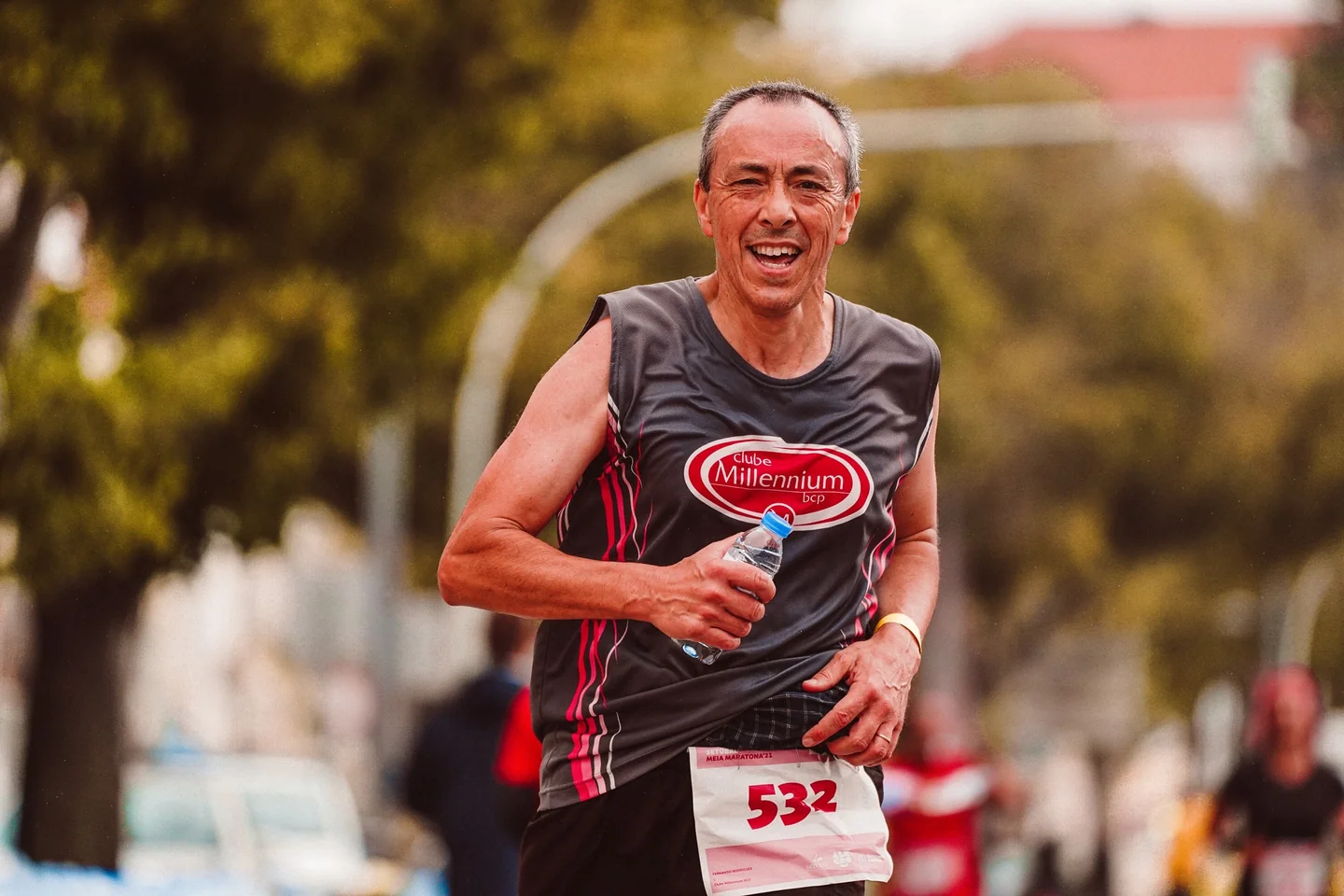
Starting to run at 50 is neither a rarity nor a late eccentricity: it is an increasingly common decision among people looking to move better, sleep better, and reach the following decades with more independence. Age does not erase the body’s capacity to adapt, although it does change the way it responds to effort. The heart improves quickly; tendons, muscles, and joints call for more patience.
The difference is not in forbidding yourself to run, but in approaching the habit with a more refined logic: progression, rest, and strength. From the age of 50 onward, running can help protect bone density, maintain muscle mass, and give cardiovascular health a clear boost, as long as volume and intensity do not skyrocket in the first few weeks. The reward comes when the initial impulse stops being a race against the clock and becomes a sustainable routine.
A mature age to gain health, not to rush
The idea that running is hard on the joints is often repeated, but the reality is more nuanced. Impact exists, yes, but it also stimulates bones, muscles, and cartilage when introduced gradually. In healthy adults, the problem is usually not running, but doing it too fast, too far, or with a body that is not yet prepared to absorb the load. The key is dosage.
The benefits are especially valuable at this stage. Running helps improve aerobic capacity, supports weight control, contributes to regulating glucose, and can be an ally against the decline in bone mineral density, a relevant issue in women after menopause and also in men as the years go by. In addition, continued exercise often translates into more stable sleep, a more consistent sense of energy, and a better perception of daily effort.
What changes with age is not the possibility of running, but the way the habit is built. At 50, the sensible question is not how much the body can endure in a single outing, but how it responds over the sum of weeks. Consistency, more than one day’s heroics, is what defines real progress.
The first serious step is a medical checkup
Before putting on a pair of running shoes, it is wise to have a clear picture of your health status. There is no need to dramatize, but common sense is essential. A medical checkup can detect hypertension, undiagnosed heart problems, metabolic disorders, a history of injuries, or medications that may influence the response to exertion. For someone starting from scratch or after years of sedentary living, that screening provides peace of mind and context.
In practical terms, an exercise stress test can be especially useful at this age, particularly if there is overweight, a family history of cardiovascular disease, or a very sedentary lifestyle. A blood test with parameters such as glucose, cholesterol, kidney function, iron, and, when the doctor deems it appropriate, vitamin D, can also help. The point is not to seek permission to run, but to reduce gray areas before getting started.
The goal of that checkup is not to turn running into a clinical act, but into an informed one. The confidence gained from knowing that the heart and the musculoskeletal system are not hiding surprises is often, in itself, a push to stick with the plan over time.
The body improves more with walking and jogging than with misguided bravery
The most common mistake when starting to run at 50 is wanting to look like a runner before building the foundation. At this stage, the temptation to head out at a brisk pace, last ten minutes, and return exhausted usually takes its toll in the form of shin splints, calf overload, plantar fascia discomfort, or knee pain. The cardiovascular system can adapt in just a few sessions; connective tissues need much more time.
The most reasonable strategy is to combine brisk walking and very easy jogging. This format makes it possible to increase total time in motion without subjecting the body to a sudden load. The feeling should be that you can speak in short sentences while running. If your breath is breaking too soon, the pace is too high. There is no merit in turning the first workouts into an emotional endurance test.
In practice, the first few weeks benefit greatly from being understood as a transition. Walk purposefully, jog a little, walk again, and repeat—this creates a friendly pattern for the joints. At this stage, speed builds nothing useful; what builds something is consistency. The body learns through repetition, not through shocks.
The useful plan looks at time, not distance
Starting to run at 50 works better when the clock matters more than the kilometer. Measuring by time reduces anxiety and avoids unrealistic comparisons. A 20- or 30-minute workout, well executed, is often more valuable than an improvised outing of several kilometers with accumulated fatigue. The goal is to feel fresh the next day, not emptied out.
A sensible progression can start with three weekly sessions separated by rest days. In the first two weeks, brisk walks of 25 to 30 minutes are enough to wake up the legs, tendons, and cardiorespiratory system. After that, a very short jogging block can be introduced, even as little as one minute, alternating with several minutes of walking. If a week feels hard, repeating it is not a setback: it is adaptation.
The unwritten rule is simple: build tolerance first and only then increase the load. When the body can already handle half an hour of movement without drama, then more continuous running time can be added. Real progress is noticeable when an outing stops feeling like a test and becomes an almost domestic habit, as accepted as going down the stairs or picking up bread.
Strength protects more than it seems
Running is not sustained by running alone. From the age of 50 onward, strength becomes more important because the body loses muscle mass more easily and because strong legs absorb impact better. Glutes, quadriceps, hamstrings, calves, and the core act as natural shock absorbers. When they fail, the load shifts to the knees, ankles, and lower back.
There is no need to build a home gym or dive into intimidating technical jargon. Two short, well-designed strength sessions a week make a noticeable difference. Sitting down and standing up from a chair with control, climbing stairs, doing calf raises, or working on trunk stability are simple movements with a direct translation into running. Here, strength is not about aesthetics; it is about mechanical resilience.
It is also worth understanding that strength does not compete with running, but rather makes it more viable. A runner in their 50s or 60s who includes it usually needs fewer recovery weeks and tolerates small increases in volume better. In other words: less fragility, more room to keep adding outings without the body complaining at every step.
Recovery stops being a detail and becomes part of training
Recovering well at 50 is not a luxury; it is a functional requirement. The body no longer repairs itself as quickly as it did at 25, and that means giving more value to sleep, hydration, and impact-free days. If a session leaves persistent fatigue for 48 hours or more, the message is clear: the load was too high or the foundation was not yet mature.
Sleep deserves a central place. Sleeping 7 to 8 hours, with relatively stable schedules, helps consolidate training adaptations and maintain daily energy at useful levels. Hydration also needs attention, because with age the sensation of thirst may become less obvious. Not drinking because you do not feel like it often takes its toll in the form of poorer recovery and greater muscle heaviness.
The rest days, when used well, have an almost silent value. Walking gently, moving a little during the day, and avoiding the idea that any pause means losing fitness completely changes the relationship with training. In athletic maturity, resting is also moving forward.
The most cost-effective technique is the one that avoids unnecessary wear and tear
You do not need to run beautifully to run well, but it is wise to run efficiently. Overlong strides, aggressive heel striking, or a rigid torso usually increase impact and the feeling of punishment. A slight lean from the ankles, somewhat shorter steps, and a relaxed arm movement are often enough to improve economy without resorting to gimmicks.
The terrain also matters. In the beginning, softer surfaces such as compact dirt or well-worn park paths are usually kinder than hard asphalt or concrete. That does not mean living in search of the perfect ground, but it does mean varying routes and seeking areas where impact is better distributed. The same effort in a friendlier environment feels different in the calves, hips, and feet.
Running shoes deserve attention, though without obsession. Good cushioning, a comfortable fit, and a stable hold are usually more important than the trendy model. If the foot suffers, the whole body feels it. Ideally, footwear should support you, not force you to compensate with tense ankles or an unnatural stride.
Progress is also measured outside training
The run begins long before you step outside and ends long after you return. Sleeping better, climbing stairs without panting, carrying bags with less effort, or getting up from the sofa more easily are real signs of improvement. Sometimes the most important progress does not appear on the stopwatch, but in daily life.
Your relationship with your own body also changes. People who start running at 50 often do so with less urgency to prove anything and with more awareness of what they want to preserve: mobility, independence, and the ability to enjoy free time without the body becoming a constant limitation. That perspective is often more stable than motivation based on appearance or a one-off goal.
In that sense, running can become a kind of thread connecting health and routine. It does not solve everything, of course, but it does organize the day, provide structure, and force you to listen to internal signals that once went unnoticed. That listening, in maturity, is worth almost as much as the training itself.
The mistakes that most often hold back late beginners
There are mistakes that happen very often and explain why some people quit after just a few weeks. The first is going out too many times in a row, as if consistency depended on punishing yourself at the start. The second is ignoring small aches that, if respected from the beginning, would barely be a mild warning. The third is measuring success by pace before the body has learned to tolerate the repeated gesture of running.
Another common mistake is relying entirely on motivation. Motivation rises and falls; habit, when properly built, holds up much better. Leaving your clothes ready, going out at a reasonable time, and accepting that some days the workout will be short are humble decisions, but very effective ones. Adult running is almost never built with heroics; it is built with repetition and common sense.
It is also unwise to copy plans designed for younger or already-trained people. An aggressive program may look impressive on paper and be disastrous in practice. At 50, the victory lies in sustaining weeks, not in forcing a peak that later requires stopping. Less noise and more continuity is usually a much smarter formula.
What changes in the mind when running enters the routine
The transformation is not only physical. Many people discover that going out for a run introduces an unexpected mental order. The mind clears, the day begins to have its own time slot, and the feeling of competing with yourself becomes calmer. There is no need to chase records from the very first minute; it is enough to notice that the body responds and the mind goes along with it.
A kind of satisfaction also appears that is less noisy than that of youth sports. Running at 50 has something of a long conversation with your own body: gentler today, a little farther tomorrow, rest the day after. That alternation teaches patience and reduces the tendency to demand instant results. In a time when almost everything promises immediacy, running reminds us that valuable adaptations are usually slow.
That is why this stage of life can be especially good for starting. There is more awareness of limits, greater clarity about what matters, and, in many cases, less pressure to impress anyone. The result is a more mature relationship with exercise, one that does not need drama to work and can last for years.
An investment in mobility that looks far beyond the stopwatch
Starting to run at 50 does not require a previous athletic identity or a history of medals. It requires something more practical: consistency, prudence, and a willingness to accept that the body has its own rhythms. Those who rush are often tripped up by overload; those who progress calmly often find an improvement that expands into daily life.
The real promise of running at this stage is not running fast or logging miles by reflex. The promise is more sober and more powerful: better bone health, better cardiovascular capacity, more functional strength, and more room to live independently. That combination, worked on properly, is worth far more than any headline about improvised self-improvement.
And that is the deeper journalistic key: starting late does not mean arriving late. In running, as in many other things, the body responds better to consistency than to excessive enthusiasm. At 50, running is not a concession to age; it is a very concrete way of negotiating with it without surrendering.
Este artículo contiene enlaces de afiliado: si compras a través de ellos, se genera una pequeña comisión sin coste adicional para ti. Más información.



How to prevent thigh chafing: causes and real solutions

Women’s running windbreakers: seven jackets and how to choose

Do more workouts get rid of soreness? A guide for runners

Jaén Half Marathon 2026: Record 3,800 Runners Registered

Men’s short running tights: how to choose the right pair

World Triathlon confirms data breach involving medical data

Izan Edo targets podium at Miyazaki World Cup

María Pérez ranks ninth in World Athletics’ 2026 top ten

Dos Santos, Duplantis and Sawe: World Athlete of the Year finalists

San Silvestre Vallecana 2026: 42,000 places, prices and start times

 Races3 months ago
Valencia Half Marathon 2027: date and registration

 Races3 months ago
Valencia Marathon 2026: entry, ballot and course

 Reviews and Comparisons4 months ago
Asics Gel-Roadmiles 3 for men: review and current price

 Reviews and Comparisons4 months ago
Asics Gel Sonoma 8 Gore-Tex: complete analysis for trail and rain

 Sneakers3 months ago
Saucony Endorphin Pro 4: full review and verdict

 News5 months ago
Strava API 2026: what changes for clubs, challenges and runner apps?

 Reviews and Comparisons5 months ago
Nike Alphafly 3: opinions, sensations, and real key points

 Reviews and Comparisons4 months ago
Under Armour running shoes review 2025-2026: models and key features

 Sports Equipment4 months ago
Shoe sizes in cm: a clear guide to getting the right fit for your footwear

 Sneakers3 months ago
Skechers GO RUN Consistent 2.0 analysis: comfort and limits

 News5 months ago
Valencia Marathon 2026 route: key tips to train and run better

 Sneakers4 months ago
Adidas Adizero Boston 13 for men: review and verdict