Training
Train 5K fast: useful sessions to gain pace without injury now
Speed, endurance, strength and rest: the real foundation for improving in 5 km without getting injured or overtraining.

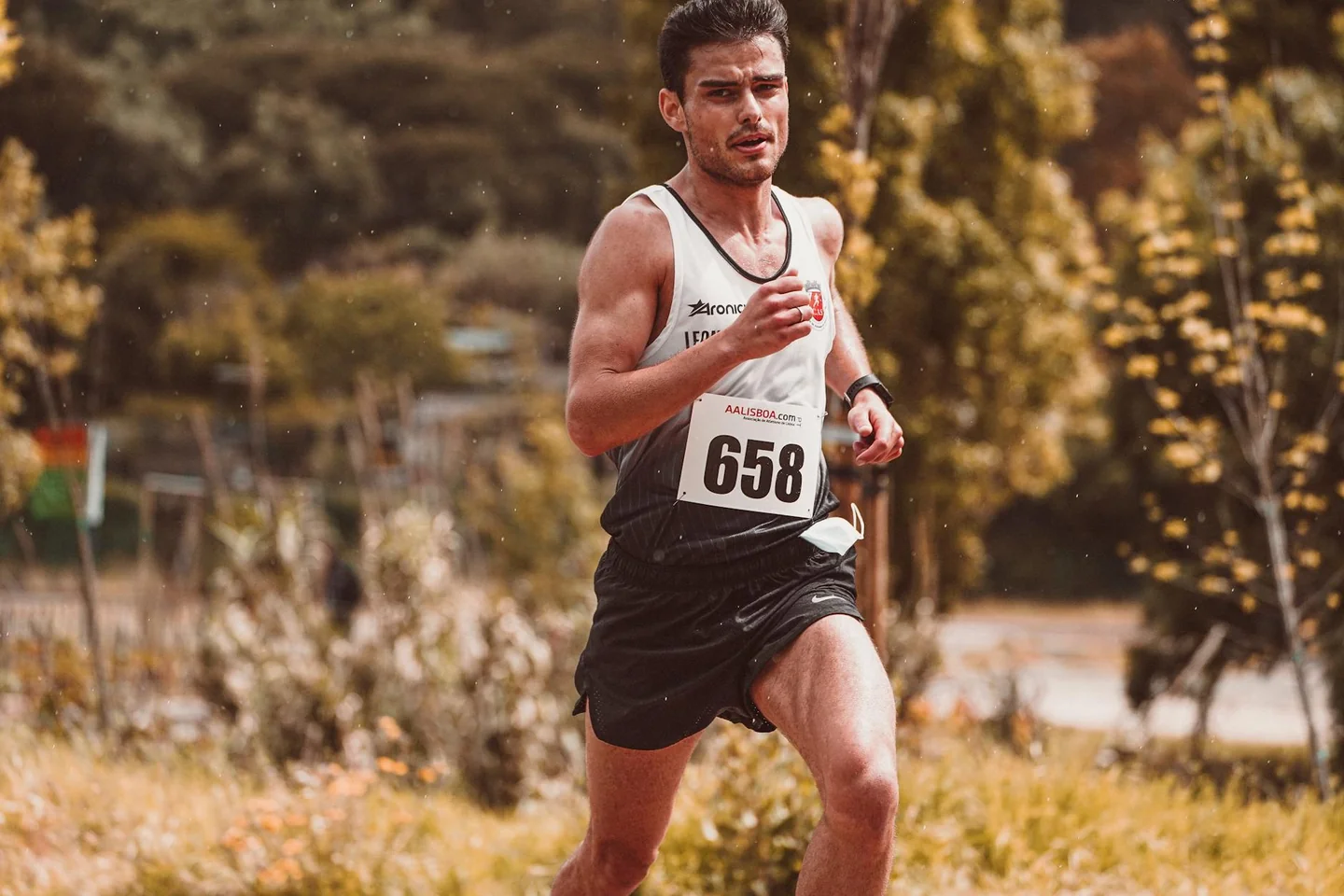
Imagen: RUN 4 FFWPU / Pexels
In the 5 kilometers, improvement comes when the body learns to sustain an uncomfortable effort without falling apart. It’s not enough to just add runs or push hard on the odd day; the key is mixing speed, endurance, technique, and recovery in an order that makes sense. The goal of running faster in the 5K demands work very much like that of a craftsman: small pieces fitted together well, repeated with patience, until the whole thing gains solidity.
To lower your time in this distance, the margin is usually found in the details. A runner who wants to go from finishing comfortably to running truly fast needs to learn to move better, to tolerate higher paces, and to arrive fresh for the decisive sessions. Progress doesn’t come from punishment, but from the combination of intense stimuli and easy days that allow the work to be absorbed. That’s the difference between piling up fatigue and building performance.
The distance that rewards precision
The 5K is short, but deceptive. Beneath its simple appearance lies a hybrid, fast, demanding test, where the power of a middle-distance runner and the endurance of a long-distance runner coexist. Whoever runs this distance well doesn’t improvise: they manage effort, control breathing, and accept that the last two kilometers decide more than it seems. That mix explains why a small improvement in the pace of each kilometer produces a huge change in the final time.
For anyone looking to run faster over 5 kilometers, the first lesson is that speed isn’t trained only by running fast. It’s also trained by running slowly, resting enough, and strengthening the body so the stride doesn’t fall apart when the heart rate rises. In a 5K, the runner who starts too enthusiastically usually pays the bill before kilometer three; the one who starts too cautiously loses seconds that are very expensive to get back later. Finding that middle ground is almost a discipline of its own.
Pace references help, but they’re not a chain. For a 35-minute time, the average pace is around 7:00 minutes per kilometer. To go under 30 minutes, it drops to 6:00. And for 25 minutes, it requires holding 5:00 per kilometer throughout the race. They’re small differences on paper, but huge for the legs, because every second counts in a terrain where oxygen is tight and the body doesn’t bargain much. That’s why training has to teach you to tolerate those speeds progressively.
What a real improvement over 5 kilometers should include
An effective plan to run faster in the 5K doesn’t live off one star session. It relies on several pillars: intervals, pace changes, easy runs, the occasional longer outing, technique, strength, and recovery. Each one serves a different purpose. Intervals push the speed ceiling; easy runs consolidate the aerobic base; longer sessions improve endurance; strength protects; and rest makes it possible for all of the above to turn into adaptation rather than sterile wear and tear.
The distribution of the load matters as much as the content of each workout. In the running world, one very practical idea is repeated: most of the kilometers should feel relatively comfortable, while a minority concentrates the intensity. That split prevents every outing from turning into a kind of race against the clock. When every session competes to be the hardest, performance flattens and the risk of injury rises. When there’s contrast, the body understands what it needs to improve and when it needs to recover.
The starting point also has to be taken into account. Someone who already runs three days a week doesn’t start from the same place as someone who goes out jogging very irregularly. Improvement over 5 kilometers can come in a few weeks for a person with a previous base, but for other runners it’s better to think on a wider horizon. Speed isn’t built in a rush. It’s consolidated with a reasonable progression of volume and intensity, without skipping steps.
Speed, intervals, and controlled pace
Interval sessions are the heart of fast work. There’s no need to turn them into a military exam; it’s enough to alternate demanding segments with recoveries that allow the effort to be repeated with good technique. Distances like 200, 400, 800, or 1,000 meters are very useful because they force you to run above race pace without the session turning into chaos. In the 5K, the body learns to recognize that feeling of going hard without breaking down.
Pace-change sessions serve a different purpose. Instead of looking for a fixed speed, they alternate accelerations and calmer stretches. That uncertainty trains adaptation, and adaptation is gold in a race where the heart rate changes almost from one kilometer to the next. The runner gains ease in responding to small surges, and that quality shows both in a flat park and on a course with slight undulations.
Threshold work or work close to race pace completes the puzzle. These are sustained efforts that don’t reach the absolute limit, but do brush against an uncomfortable and very useful zone. There you sharpen the ability to hold a lively pace without the legs sinking a minute later. In other words: not all fast training should be explosive. Sometimes it’s worth learning to suffer with control, which is exactly what a well-run 5K asks for.
Easy runs: the ground where improvement is built
The most underestimated part of training is often the most profitable. Running easy allows you to accumulate work without emptying the tank every day. In that comfortable zone, the cardiovascular system works, the muscles adapt, and technique can be refined with less tension. Anyone who tries to turn every run into a competition ends up fatigued, and fatigue, by itself, doesn’t improve performance.
Easy runs are not a reward or a formality. They’re the cement that holds the building together. After a series session, an easy jog speeds up recovery. Between hard workouts, it keeps the habit going without beating you up. It also helps consolidate running economy, which is the ability to spend less energy at the same pace. That economy, in a 5K, can be the line between blowing up or sustaining the effort to the finish.
There’s a detail many runners discover late: sometimes running slower makes you run faster. The reason is simple. If the body doesn’t arrive wrecked at every hard session, it responds better when it’s time to push. Speed isn’t trained only on the day marked in big letters; it’s also built in the invisible volume of the easy work. That’s where tendons are hardened, breathing is organized, and energy is saved for what matters.
The strength that supports the stride
Improving over 5 kilometers doesn’t depend only on the engine; it also depends on the chassis. The legs have to respond firmly, the hips stabilize, and the trunk has to keep technique from falling apart as fatigue rises. That’s why strength work makes so much sense for runners at this distance. It’s not about turning every week into a heavy gym session, but about creating a base that allows you to run with less energy leakage.
The core, glutes, and leg muscles are especially relevant. When these areas are active and coordinated, the stride is more efficient and posture holds up better in the final meters, right when the body starts asking for a break. A stable trunk helps keep the arms from crossing too much, the hips from dropping, and the cadence from breaking down. They’re small gestures, but in a 5K they add up a lot.
Hills work as a natural form of specific strength. Going uphill forces you to push more, lift the knees, and maintain posture under a different demand. That strain doesn’t just improve the muscles, it also reinforces technique and coordination. On urban courses, where overpasses, false flats, and changes in gradient appear, this kind of work becomes especially useful. The runner who adapts to climbing usually feels more solid when they get back to the flat.
Recovering to run faster
Recovery isn’t wasted time, but part of training. Sleeping well, eating sensibly, and leaving space between hard stimuli allows the body to repair tissues, recharge energy, and consolidate adaptations. A runner who strings together intense sessions without a break usually progresses less, even if they rack up more fatigue. Performance doesn’t grow at the same speed as the urge to train; sometimes it even moves in the opposite direction.
Weekly rest and deload weeks are especially valuable. In cycles of several weeks, reducing volume for a short period helps absorb what’s been worked on. That relative pause doesn’t stop progress; it organizes it. It’s also worth paying attention to simple signs: heavy legs for several days, disturbed sleep, a loss of snap, or the feeling that paces are coming at too high a cost. They’re useful warnings, not whims of the body.
Hydration and nutrition have more influence than it seems in a short, fast distance. To run 5 kilometers smoothly, the body needs to arrive with reasonably full energy stores and a calm digestive system. There’s no need to overcomplicate it: a diet with enough carbohydrates, quality protein, and real food helps more than any trick. Caffeine can be useful in some cases, but it doesn’t make up for a poorly built base or too little rest.
Paces, references, and a sensible way to progress
The best starting point is the current pace, not the dream time. Using what can be sustained today as a reference avoids training above real possibilities. From there, progress usually comes by increasing consistency first and then demand. A reference session, a test, or a recent race gives much more reliable clues than a vague idea of what should come out.
Small progressions usually work better than sudden jumps. Suddenly increasing mileage or introducing too much intensity in too little time multiplies the risk of overload. By contrast, adding one quality session, keeping two or three easy outings, and reserving a day for strength or mobility allows you to move forward with more stability. The 5K responds well to consistency, not weekly heroics.
It also helps to think of the race in segments. A controlled first stretch, a firm middle section, and a committed finish, without losing form, usually give better results than going all out from the first minute. That split isn’t a rigid recipe; it’s a way to protect the effort. The race is short, yes, but not so short that you can spike your heart rate on the first turn and expect miracles afterward.
Common mistakes that slow improvement
The most frequent one is running too fast on easy days. That empties the week of balance and turns almost everything into a buildup of fatigue. The second is usually copying other people’s paces without looking at your own level. A runner who tries to reproduce the training of someone more advanced can end up doing too much, too soon. And the third, very common, is abandoning strength and technique because they seem secondary when, in reality, they’re central pieces.
Another recurring mistake is obsessing over volume without looking at quality. In the 5K, the one who does the most kilometers doesn’t win, but the one who combines the pieces best. A plan with too many gray outings, all similar to each other, rarely produces a striking improvement. By contrast, a few well-thought-out sessions, repeated in an orderly way, can transform the way you run. The difference between the two approaches shows up in the heart rate, in recovery, and in confidence.
Managing pre-race excitement also often goes wrong. Many runners feel so good in the days before that they push too hard in the final workout or start too fast on race day. The result is a second half slower than it should be. Arriving hungry to race is good; arriving overcooked is not. Precision in the taper matters more than it seems.
What a well-built multi-week preparation looks like
A useful preparation to improve in the 5K usually alternates load blocks with a lighter phase. Over several weeks, the runner introduces intervals, hills, easy runs, and the occasional longer outing. Then, they reduce the work a bit to absorb it. That sequence is like a spring: it compresses, releases, and gives back more energy. Without recovery, the spring stays flattened.
In that kind of cycle, the quality session is usually placed on days separated by light work or rest. That’s no accident. After a day of intervals, the body normally asks for calm. Keeping that logic avoids workouts getting in each other’s way. The coherence of the schedule is worth more than a pile of good intentions. That’s why the best-built programs don’t just say what to run, but also what not to do the next day.
Improvement also shows up outside the stopwatch. Breathing becomes less chaotic, the stride stops feeling rough, and the runner faces the final stretch with less of a free-fall sensation. Sometimes the time drops by only a few seconds; other times, progress shows up as a more controlled, cleaner, and less punishing race. Both matter. In a 5K, running better almost always comes before running faster.
A fast time is born from patient balance
Training to run 5 kilometers faster isn’t about pushing until the legs complain. It’s about building a reasonable mix of effort and rest, intensity and caution, desire and method. The runner who learns to respect that balance usually progresses with less noise and more consistency. There isn’t one miracle session, or one perfect week; there’s a succession of correct decisions that, together, change the time.
In that equation, patience is not passivity. It’s a form of sporting intelligence. It allows you to adjust the pace, keep margin for the sessions that really count, and arrive on the chosen day with useful legs, not worn-out ones. The 5K rewards whoever understands the tempo of improvement: not too slow to avoid evolving, and not so fast as to break down in the attempt. Between those two extremes lies the real gain.
When training is well built, the race stops being a fight against the clock and becomes a demonstration of control. That’s the clearest sign that the work has paid off. The pace stops feeling like an enemy, the intervals stop being scary, and the distance starts to feel more manageable. It’s not just about getting there sooner. It’s about running better, with more craft and less wasted energy, which in the end is what opens the door to a truly fast 5K.



Reebok runs large or small: a real fit guide

Hoka Challenger ATR 7 GTX: complete review of the all-terrain shoe

How to clean white sneakers without ruining them

Altus Pirineos 40-liter backpack: analysis, use, and key points

20,000 mm waterproof jacket for men: key points to get it right

Under Armour HOVR Sonic 6: complete review of the shoe

incline treadmills: guide to choosing better

Achilles tendonitis: real recovery time

Pain in the Achilles heel: causes, signs, and relief

What to take for calf pain: real relief and when to worry

 Races3 months ago
Valencia Half Marathon 2026: date and registration

 Reviews and Comparisons4 months ago
Asics Gel-Roadmiles 3 for men: review and current price

 Races3 months ago
Valencia Marathon 2026: entry, ballot and course

 Reviews and Comparisons4 months ago
Asics Gel Sonoma 8 Gore-Tex: complete analysis for trail and rain
- Sneakers3 months ago
Saucony Endorphin Pro 4: full review and verdict

 News5 months ago
Strava API 2026: what changes for clubs, challenges and runner apps?

 Reviews and Comparisons5 months ago
Nike Alphafly 3: opinions, sensations, and real key points

 Reviews and Comparisons4 months ago
Under Armour running shoes review 2025-2026: models and key features

 Sports Equipment4 months ago
Shoe sizes in cm: a clear guide to getting the right fit for your footwear
- Sneakers4 months ago
Adidas Adizero Boston 13 for men: review and verdict
- Sneakers3 months ago
Neutral running shoes with lots of cushioning: the best of 2026

 News4 months ago
Where is the Hoka brand from and why was it born in France