Training
What to eat for dinner after training: a runner’s guide
Useful ideas for dinner after exercise, to recover better and not ruin your night’s rest.

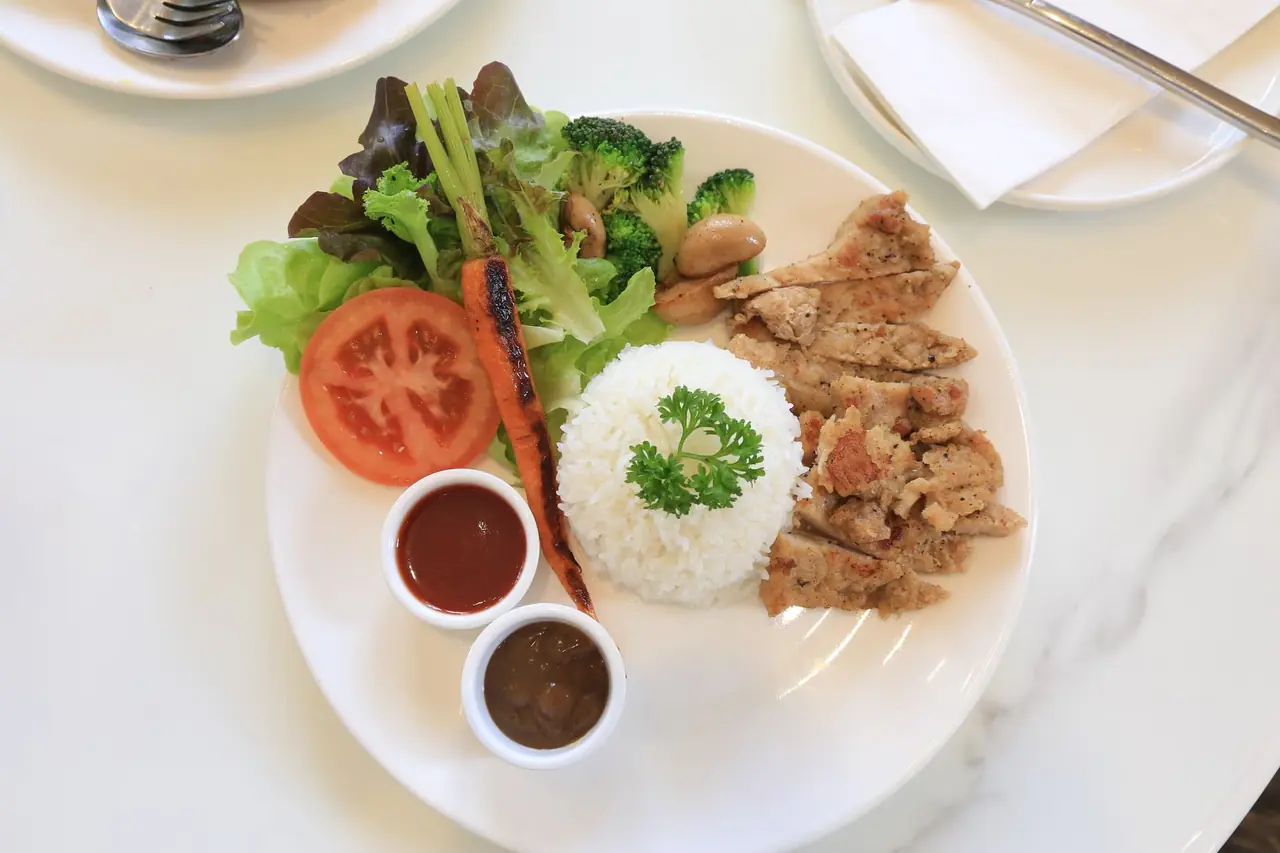
Dinner after training is not an afterthought for runners: it is when the body begins to recover from some of the strain of a session, especially if it was intense, long, or finished close to bedtime. After intervals, a demanding run, or a long run, the body needs energy, protein, and fluids to repair tissues, replenish glycogen, and settle after the effort.
The best choice depends on the type of training and the time, but the central idea does not change: a well-planned dinner combines quality carbohydrates, a sufficient protein source, and reasonable digestion. There is no need to turn the plate into a heavy load or to fall into the false austerity of eating too little at dinner; both can undermine recovery, sleep, and next-day performance.
What the body needs when the session ends
After training, the muscle is not in a frenzy of building, but it is in an active repair phase. The fibers have suffered microdamage, muscle glycogen has dropped, and body temperature, pulse, and breathing take a while to return to baseline. In that context, dinner serves as building material: it provides amino acids for repair, carbohydrates to reload, and water to restore balance to the whole system.
The classic idea of eating only protein falls short. A purely protein-based plate can help, yes, but it does not fully address energy replenishment if the session has been demanding. Nor is it worth obsessing over eating immediately as if there were a magic window that closed in half an hour. What is useful is thinking in practical terms: eating within the first 1 or 2 hours usually works well in most cases, especially if there was no nearby meal beforehand.
There is another detail that matters more than it seems: late-afternoon or evening training does not go well with dinners that are too greasy, very spicy, or loaded with fried foods. The stomach works more slowly and sleep suffers. That is why the ideal post-exercise dinner often looks like a simple, clean, well-measured plate, like a clear road after a long race: less noise, more efficiency.
The combination that works best in practice
Most useful post-training dinners start from a fairly stable formula. First, a base of carbohydrates such as rice, potatoes, pasta, whole-grain bread, oats, or fruit. Then, a good-quality protein: eggs, Greek yogurt, cottage cheese, chicken, turkey, fish, tofu, or well-combined legumes. And finally, a small dose of healthy fat, if it fits: olive oil, avocado, nuts, or seeds.
The ratio does not have to be rigid, but it should be sensible. When the session has been hard, carbohydrates help restore glycogen, especially if another workout or a long run is planned for the next day. Protein, for its part, supports muscle synthesis and repair. In a normal dinner, between 20 and 40 grams of total protein is often enough, depending on body weight, intensity, and what has been eaten during the day.
Dinner should also leave room for vegetables. Not as decoration, but as a functional part of the plate: they provide water, fiber, potassium, magnesium, vitamin C, and other compounds involved in recovery. A sauté of zucchini, spinach, tomato, carrot, or broccoli can make the difference between a heavy meal and a complete dinner that does not sit like a stone in the stomach.
What to eat depending on the type of training
After a strength session, the body usually appreciates a dinner with enough protein and moderate or high carbohydrates, depending on the training volume. A leg workout, for example, drains more energy stores than a brief upper-body routine. In that case, rice with chicken, an omelet with whole-grain bread, or salmon with potatoes work well from a sports nutrition standpoint and without complications.
After running, the context changes slightly. An easy run allows for a lighter dinner, while intervals, a long run, or a race call for more recovery. If the effort has been prolonged, the body appreciates easy-to-digest carbohydrates and a protein source that does not weigh down the night too much. A bowl of yogurt with fruit and oats, toast with egg and avocado, or a plate of rice with tuna and vegetables are options that fit that need.
In very late workouts, sometimes the best dinner is not the most complete one, but the smartest one. The goal is not to sit down and eat as if it were midday, but to end the session with a sufficient and comfortable intake. If time is tight, a vegetable cream soup with egg, a high-protein yogurt with banana, or a turkey and tomato sandwich can get you through the night without disturbing rest.
Real ideas for dinner without making it complicated
There are dinners that solve a lot with very little. A plate of brown rice with a plain omelet and sautéed vegetables provides energy, protein, and micronutrients without excess fat. A bowl of boiled potatoes with salmon and green beans also works, combining satiety, flavor, and fairly gentle digestion if the portion is not excessive.
Another solid option is the classic combination of whole-grain bread, turkey breast, tomato, and olive oil, accompanied by plain yogurt or a piece of fruit. It does not have the glamour of an elaborate dish, but it does have the effectiveness of what truly works: nourishing without overloading. For those who prefer something plant-based, lentils with rice and vegetables, well cooked and in a reasonable portion, provide protein, carbohydrates, and good satiety.
There are also quick dinners that work when hunger comes late and fatigue hits hard. Scrambled eggs with spinach and toast, cottage cheese with oats and banana, or a glass of milk or soy drink with unsweetened cocoa and fruit can close out a moderate session well. The key is not to fall into the improvisation of ultra-processed foods, pastries, or huge dinners that promise comfort but leave heaviness behind.
What to do if the goal is to gain muscle
When the goal is to gain muscle mass, dinner becomes even more important within the overall day. Not because it is a miraculous meal, but because it helps add energy and protein to the total balance. Muscle grows through stimulus, rest, and nutrient availability; if one of those three fails, progress slows down. In that framework, a dinner with enough carbohydrates and protein fits better than a minimal, bare dinner.
A useful example would be rice with chicken breast and vegetables, or pasta with tuna, fresh tomato, and olive oil. Eggs with potatoes and a simple salad also work well, or a bowl of Greek yogurt with oats, banana, and walnuts if the night calls for something less savory. In all cases, the idea is to add energy cleanly and not turn dinner into an excuse for late-night binge eating.
Those who train hard and want to gain muscle usually benefit from a stable distribution of protein throughout the day. Dinner does not have to do all the work, but it should provide a serious dose. Between 25 and 40 grams of protein is often a practical reference in many cases, always depending on body size, daily expenditure, and total intake. What matters most is not a fixed recipe, but the coherence of the whole.
What to eat if the goal is to lose fat
Losing fat does not mean eating little at dinner by decree. It means eating with a sustained energy deficit, maintaining satiety, and protecting muscle mass. In that equation, a post-training dinner can be perfectly complete, as long as the total for the day is well adjusted. The common mistake is cutting carbohydrates too much and ending up hungry at eleven at night, a strategy that usually ends badly after a few days.
A useful dinner during a weight-loss phase usually relies on lean protein, plenty of vegetables, and a moderate portion of carbohydrates if the session warrants it. White fish with oven-roasted vegetables, an omelet with salad and a slice of whole-grain bread, Greek yogurt with berries, or chicken with zucchini and sweet potato are sensible options. Satiety matters as much as calories, because a diet that cannot be sustained is useless.
It is also worth watching added fats in excess, not eliminating them. A drizzle of olive oil or a few nuts can fit well, but dinner does not need to become a very dense plate if the goal is to lose weight. The balance lies in cooking simply, choosing recognizable foods, and avoiding letting the night end in uncontrolled snacking, that silent enemy that often disguises itself as a reward.
The time, the quantity, and digestion matter as much as the plate
The composition of dinner is important, but the context is just as important or more. You do not eat the same at seven in the evening as at eleven at night, nor after a light workout as after a double session. If dinner comes very late, it is wise to reduce volume, chew well, and choose less heavy foods. Fast digestion and peaceful sleep are worth almost as much as the calories consumed.
In late sessions, dinner can function both as a recovery meal and as a bridge to rest. That is why it is best to avoid excess fiber right at the end of the day if it causes discomfort, as well as very fatty or heavily seasoned foods. Eating in a hurry, standing up, or in front of a screen does not help either, because the body processes less well what it barely registers.
The amount should also not come from the instinct of hunger in the moment, which is often distorted by effort. After a hard workout, some people feel wolf-like hunger, while others lose their appetite. Both responses are normal. In the second case, a lighter format, such as a smoothie with fruit, yogurt, and oats, a cream soup with egg, or toast with cottage cheese, may be more practical than forcing down a huge plate.
Common mistakes that ruin nighttime recovery
One of the most common mistakes is eating almost nothing out of fear of gaining weight. That cutback can leave the body short on energy, increase hunger the next day, and hinder adaptation to training. Another widespread error is turning dinner into an uncontrolled treat, with industrial pizza, fried foods, sugary desserts, and alcohol, a combination that satisfies little and harms more than it helps. Neither punishment nor disorder: recovery lives in the middle.
It is also common to see dinner without enough protein. A soup, a simple salad, or a vegetable cream soup can be healthy, but they often fall short if not accompanied by eggs, fish, legumes, dairy, or tofu. The muscle needs repair material, not just volume. And although vegetables are important, a dinner based on them alone usually falls short after a demanding session.
Another silent mistake is overusing supplements or shakes and forgetting real food. Supplements can be useful for convenience, but they should not always replace foods. A quick shake can save the day, yes, but a well-built dinner offers something more: chewing, satiety, nutrient variety, and better long-term adherence.
The ideal plate is more like a routine than a recipe
In reality, the best dinner after training is not a specific recipe, but a repeatable criterion. Some carbohydrate, some protein, vegetables in good proportion, moderate fat, and a format that fits the time of day. That logic lets you improvise without losing quality. Today it may be rice with egg; tomorrow, potatoes with fish; the day after, toast with turkey and a vegetable cream soup.
The advantage of thinking this way is that dinner stops being a headache and becomes a tool. It is not about eating perfectly, but about eating in a way that is consistent with the effort made. The harder the workout, the more sense it makes to care about replenishment; the later the hour, the more important it becomes to lighten digestion without emptying the plate too much.
In the end, the right post-training dinner has something of classical balance: enough to repair, light enough to sleep, simple enough to repeat. Neither a penance nor a late celebration. Just a well-thought-out meal, the kind that makes no noise but supports progress, night after night, like a firm base under legs that keep adding kilometers.
How to eat after a run to support recovery
After a run, dinner can help replace some of the energy used and provide nutrients for muscle recovery. It does not need to be a special meal, and there is no need to rush to eat immediately: your overall intake and what you have eaten since training both matter. If you finish late and have not eaten for several hours, a balanced dinner can be particularly helpful. If you have already had a snack, eat your usual dinner and let your appetite guide you.
A practical starting point is to combine a carbohydrate source—such as rice, potatoes, pasta, bread, or fruit—with protein from foods such as eggs, fish, chicken, yoghurt, tofu, or beans. Add vegetables if they sit well with you, and have fluids alongside your meal. After a long run or hard intervals, do not automatically cut out carbohydrates: they can help replenish energy stores, especially if you are training again the next day. After an easy run, a regular dinner that meets your needs is usually enough; there is no need to make it oversized.
Pay attention to how you feel: strong hunger at bedtime, a heavy stomach, thirst, or disrupted sleep may be signs to review the meal’s size, contents, or timing. If you eat soon after getting home, choose foods you know you tolerate well and avoid a very rich, spicy, or large meal if it makes you uncomfortable. Consider your fluid intake across the day rather than trying to catch up all at once just before bed. If discomfort or pain persists, speak to a healthcare professional.
The recovery dinner that truly makes a difference
The quality of recovery is not always visible in the mirror the next day, but it is felt in the legs, in sleep, and in the energy with which the next session is approached. A well-sorted dinner does not compete with training; it completes it. And in a sport where every detail adds up, that end-of-day finish can be the discreet piece that keeps the machine running with less wear and tear.
That is why it is worth stepping away from autopilot and choosing with intention. Sufficient protein, adequate carbohydrates, little excess fat, and gentle digestion remain the most reliable compass. From there, the rest is a matter of taste, schedule, and context. The best plate is not always the most elaborate one; often it is the one the body assimilates, the sleep tolerates, and the training thanks the next day.



How to prevent thigh chafing: causes and real solutions

Women’s running windbreakers: seven jackets and how to choose

Do more workouts get rid of soreness? A guide for runners

Jaén Half Marathon 2026: Record 3,800 Runners Registered

Men’s short running tights: how to choose the right pair

World Triathlon confirms data breach involving medical data

Izan Edo targets podium at Miyazaki World Cup

María Pérez ranks ninth in World Athletics’ 2026 top ten

Dos Santos, Duplantis and Sawe: World Athlete of the Year finalists

San Silvestre Vallecana 2026: 42,000 places, prices and start times

 Races3 months ago
Valencia Half Marathon 2027: date and registration

 Races3 months ago
Valencia Marathon 2026: entry, ballot and course

 Reviews and Comparisons4 months ago
Asics Gel-Roadmiles 3 for men: review and current price

 Reviews and Comparisons4 months ago
Asics Gel Sonoma 8 Gore-Tex: complete analysis for trail and rain

 Sneakers3 months ago
Saucony Endorphin Pro 4: full review and verdict

 News5 months ago
Strava API 2026: what changes for clubs, challenges and runner apps?

 Reviews and Comparisons5 months ago
Nike Alphafly 3: opinions, sensations, and real key points

 Reviews and Comparisons4 months ago
Under Armour running shoes review 2025-2026: models and key features

 Sports Equipment4 months ago
Shoe sizes in cm: a clear guide to getting the right fit for your footwear

 Sneakers3 months ago
Skechers GO RUN Consistent 2.0 analysis: comfort and limits

 News5 months ago
Valencia Marathon 2026 route: key tips to train and run better

 Sneakers4 months ago
Adidas Adizero Boston 13 for men: review and verdict