Reviews and Comparisons
What size is 39 1/3 and what does it correspond to in footwear?
Find out what size 39 1/3 corresponds to and how it translates across different shoe size scales.

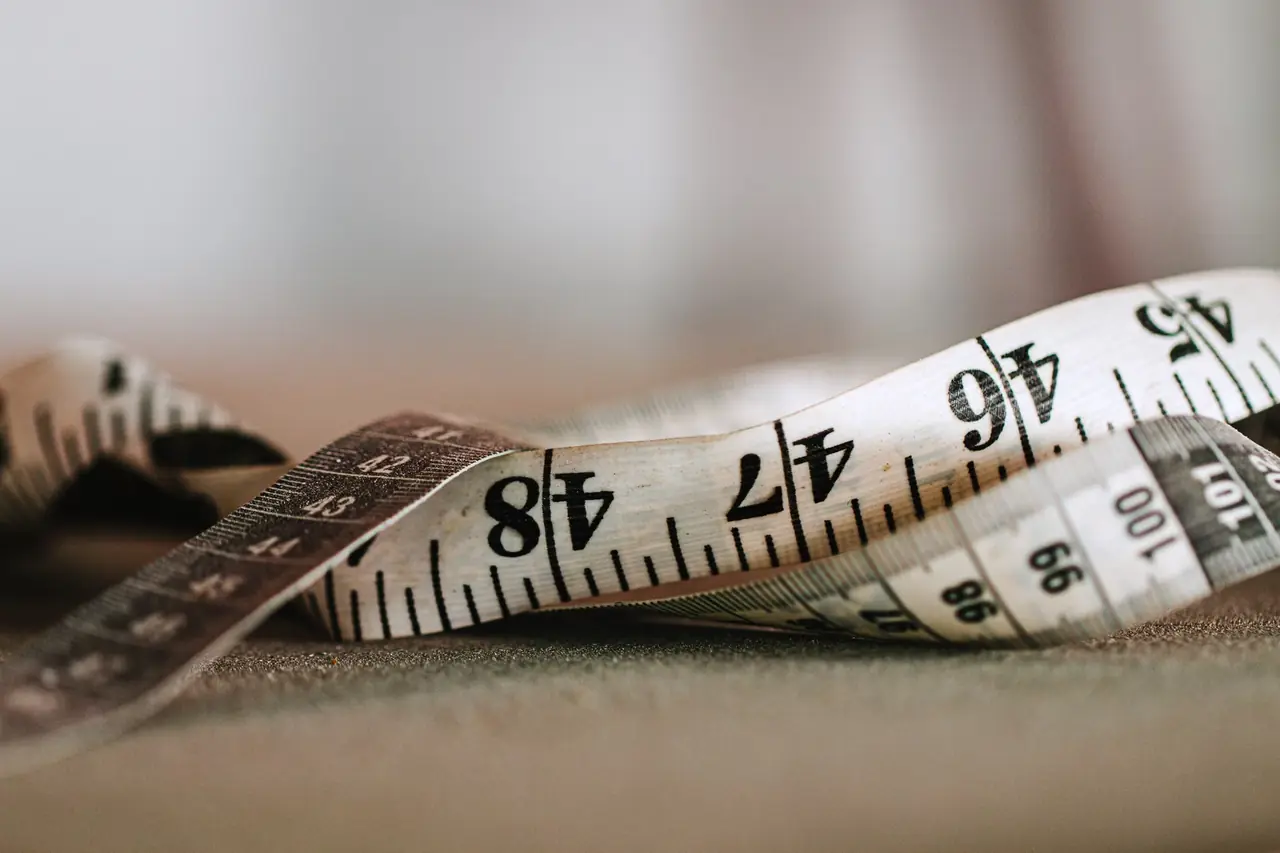
Size 39 1/3 is, in practice, equivalent to a European 39.5 and usually falls between 39 and 40 in the numbering system used by many sports brands. In centimeters, the most common reference for that range is around 24.5 cm of foot length, although the exact equivalence can vary depending on the last and the manufacturer.
In running, hiking, or everyday shoes, that nuance matters more than it may seem. A third up or down changes the feel in the toe box, the heel hold, and the way the shoe responds when the foot swells after several kilometers, especially in training or trail shoes.
What that fraction really represents in sizing
Fractional sizes, very common in adidas and other European-inspired brands, are not a quirky oddity. They function as a fine-tuning system to separate intermediate sizes without making abrupt jumps between whole numbers. Thus, 39 1/3 is not a completely different size, but an intermediate point within the European scale.
That logic responds to a very specific need: the foot does not grow in exact, neat steps from one size to the next. Between two sizes there may be a small difference, but enough for a shoe to press on the instep or, conversely, feel too loose on descents, pace changes, or long walks.
That is why, when a brand uses 39 1/3, 39 2/3, or 40 1/3, it is trying to fine-tune the fit. The usual result is an equivalence close to 39.5 EU, with a foot length near 24.5 cm, always with the caveat that the conversion is neither universal nor identical across all models.
Common equivalents in Spain, Europe, the United Kingdom, and the U.S.
In the Spanish market, the most useful approach is to translate 39 1/3 first into the nearest European number. In practical terms, it is usually read as 39.5 EU. In some charts it appears next to 39; in others it sits just before 40, because brands do not always use the same internal grading or the same last length.
Looking at the Anglo-Saxon system, that size usually falls around a 6.5 UK in men’s sizing, or a different equivalent in women’s, depending on the manufacturer’s chart. In the U.S., the value also changes depending on whether the brand uses male or female conversion, something common in running and lifestyle shoes. It is not advisable to assume that an automatic conversion works for every model.
In practice, the truly reliable data is not the isolated number, but the combination of foot length, chart gender, and brand reference. A 39 1/3 may run shorter in a narrow last and a bit roomier in a shoe with a wide toe box. Two models with the same number can feel different like two parallel streets that seem identical until the asphalt is stepped on.
The measurement in centimeters, the most useful clue to avoid mistakes
When there is doubt about a specific size, the measurement in centimeters usually clears up more uncertainties than the European number. A foot of around 24.5 cm fits approximately with 39 1/3, although many people need to leave extra room for the foot’s natural movement when walking or running.
In running shoes, that margin becomes even more important. The foot moves forward on downhills, expands with heat, and slightly increases in volume throughout the day. That is why, even if the foot measures 24.5 cm, some runners prefer half a centimeter or even a full centimeter of additional functional room.
The usable length inside the shoe does not always match the length of the foot. The shape of the toe box, the thickness of the upper, the insole, and the design of the heel counter all change the final feel. In racing models, the fit may be more snug; in training shoes, more relaxed; in trail shoes, more protective to withstand impacts and descents.
Why an in-between size can change an entire purchase
Choosing between 39, 39 1/3, or 40 is not a cosmetic matter. An incorrect fit can cause blisters, black toenails, forefoot pressure, or loss of stability, especially in footwear meant to rack up miles. In running, that mistake shows up quickly: the foot starts negotiating with the shoe instead of working inside it.
The difference also affects performance. A shoe that is too tight can limit the natural spread of the toes and cause fatigue sooner. A size that is too loose, on the other hand, increases internal slippage, reduces precision in the stride, and can punish the arch or heel when the terrain gets uneven.
That balance is especially sensitive in sports where support changes constantly, such as trail running or fast hiking. The right number is not always the smallest one that fits; many times it is the one that lets the toes move without rubbing and holds the midfoot with reasonable firmness. The right size is more like a well-set glove than a box closed under pressure.
How to measure your foot properly before looking at the label
The most reliable starting point is still a simple at-home measurement. You need a sheet of paper, a wall, and a ruler. The heel should rest straight against the wall, and the longest toe should mark the true end of the foot, which is not always the big toe. That seemingly small detail changes the final number.
It is worth measuring both feet, because it is not unusual for one to be slightly longer. The correct reference is always the larger foot. After that, the measurement should be taken at the end of the day, when the foot has already تحمل load, heat, and activity. The morning gives a smaller and less useful picture for buying functional footwear.
Once the length is taken, it should be cross-checked with the specific brand’s chart. If the foot falls between two sizes, the sensible choice is usually to consider the intended use. For city wear, a closer fit may be enough; for running or walking for hours, extra room helps prevent discomfort that appears once the body has already covered some distance.
The role of the brand: not all 39 1/3s are equal
Sizing is not a universal physical law. Although the European system tries to standardize measurements, each manufacturer interprets the scale with slight variations. Some brands feel narrower, others roomier, and even within the same company the fit can change depending on the product line.
In sports footwear, the differences become more pronounced. A running shoe may have a more refined last than a casual sneaker, and a hiking boot may offer more front space to handle descents and thick socks. The number matters, but the last rules. That is one of the few fairly stable truths in the footwear world.
Material also plays a role. Technical mesh gives in one way, leather in another, and synthetic reinforcements in yet another. An upper with a lot of structure may require greater sizing precision; a more flexible one may better forgive small deviations. Therefore, 39 1/3 should not be read as a verdict, but as a starting clue.
What happens in running when the size sits on the boundary
In the running world, the space between two numbers is almost a political territory. An intermediate size can be the difference between a comfortable run and a session full of involuntary adjustments. On long runs, the foot tends to swell; in hard efforts, the body asks for more lockdown; on hills, the toe box can hit if the space is too short.
That is why many people end up choosing the number that gives them a bit of breathing room without losing control. That logic works on both road and trail, although in the mountains extra protection at the toe and a firmer midfoot hold usually take priority. 39 1/3 can work very well if the foot measures close to 24.5 cm and the model does not run small.
By contrast, if the brand usually runs short, it may be wiser to go up half a size. If it runs large, 39 1/3 may offer the right balance. The correct reading does not come from an isolated chart, but from observing how the model behaves when the foot is moving, not when it is sitting still in a box.
Relationship between size, socks, and type of use
Sock thickness changes the final feel more strongly than is usually acknowledged. A thin technical sock does not take up the same space as a thicker training sock, and that difference can make 39 1/3 feel perfect in summer and tight in winter. In winter trail running or hiking with wool socks, that extra room becomes especially valuable.
The context of use also changes things. For a day of city walking, a size close to the foot may feel right. For long runs, excursions, or sessions with elevation changes, the foot needs room to expand without being compressed. The ideal size is not static; it depends on the terrain, duration, and temperature.
That approach avoids a very common trap: buying based only on the number and forgetting the real-life behavior of the shoe. A size that is right on paper can fail if the sock adds volume, if the insole raises the foot, or if the last removes decisive millimeters in the forefoot. The final fit is built from several layers, like a technical onion rather than a simple label.
Common mistakes when interpreting a fractional size
One of the most common mistakes is thinking that 39 1/3 is exactly equivalent to a Spanish 39 in any brand. That is not always the case. Sometimes the fraction marks a real intermediate fit; other times, commercial conversion rounds the size to 39.5; in certain models, the wearing experience feels more like a short 40 than a long 39.
Another mistake is assuming that all feet need the same amount of room. Buying shoes for city walking is not the same as buying shoes for running 15 kilometers, carrying weight, or descending trails. The useful space in front of the toes changes with the activity. The same size can be right in one context and problematic in another.
The effect of the time of day is also often underestimated. Measuring the foot when you wake up and deciding on a purchase from that figure reduces reliability. Doing it after hours on your feet or after a sports session provides a more realistic measurement. The foot, like a small living landscape, does not have exactly the same shape at all hours.
How to read a chart without getting lost in numbers
Size charts are useful, but they do not replace judgment. The most useful thing is to look first at centimeters, then at the European conversion, and only at the end at the UK or U.S. equivalent. That sequence avoids many misunderstandings, especially in online shopping where a size may seem safe and then not behave as expected.
If a chart lists 39 1/3 next to 24.5 cm, that figure should be read as a guide, not as an absolute guarantee. Sports brands tend to move within very similar, but not identical, ranges. A change of just 2 or 3 millimeters in the last can already be felt, especially with a high instep, wide foot, or runners who prefer extra toe room.
The best reading combines the chart, intended use, and previous experience with the brand. Someone who already knows how a manufacturer fits has an advantage. Someone who does not should focus on the foot’s actual length and the type of shoe, because a training shoe, a racing shoe, and a mountain shoe do not behave the same even if they share the same number.
The short answer and what to keep in mind when buying
39 1/3 usually equals 39.5 EU and is around 24.5 cm foot length, but the exact equivalence depends on the brand, the last, and the intended use. In Spain, the smartest approach is to take that size as a useful intermediate point, not as a rigid value that works for all models.
The key is to look beyond the label. Measuring both feet, considering the type of activity, thinking about sock thickness, and checking how the manufacturer fits the shoe provides a much more reliable reading. In footwear, the number guides; the fit decides. And in that difference, sometimes tiny and sometimes decisive, lies the comfort of an entire day or many kilometers.
That is why, when a fractional size like 39 1/3 appears, it should not be seen as a labeling curiosity. It is a sign of precision. A small margin in sizing that, if interpreted well, can prevent the kind of discomfort that turns a correct purchase into a long-lasting nuisance.
You may also like: What size is 37 1/3 in Adidas and running shoes?.



How to prevent thigh chafing: causes and real solutions

Women’s running windbreakers: seven jackets and how to choose

Do more workouts get rid of soreness? A guide for runners

Jaén Half Marathon 2026: Record 3,800 Runners Registered

Men’s short running tights: how to choose the right pair

World Triathlon confirms data breach involving medical data

Izan Edo targets podium at Miyazaki World Cup

María Pérez ranks ninth in World Athletics’ 2026 top ten

Dos Santos, Duplantis and Sawe: World Athlete of the Year finalists

San Silvestre Vallecana 2026: 42,000 places, prices and start times

 Races3 months ago
Valencia Half Marathon 2027: date and registration

 Races3 months ago
Valencia Marathon 2026: entry, ballot and course

 Reviews and Comparisons4 months ago
Asics Gel-Roadmiles 3 for men: review and current price

 Reviews and Comparisons4 months ago
Asics Gel Sonoma 8 Gore-Tex: complete analysis for trail and rain

 Sneakers3 months ago
Saucony Endorphin Pro 4: full review and verdict

 News5 months ago
Strava API 2026: what changes for clubs, challenges and runner apps?

 Reviews and Comparisons5 months ago
Nike Alphafly 3: opinions, sensations, and real key points

 Reviews and Comparisons4 months ago
Under Armour running shoes review 2025-2026: models and key features

 Sports Equipment4 months ago
Shoe sizes in cm: a clear guide to getting the right fit for your footwear

 Sneakers3 months ago
Skechers GO RUN Consistent 2.0 analysis: comfort and limits

 News5 months ago
Valencia Marathon 2026 route: key tips to train and run better

 Sneakers4 months ago
Adidas Adizero Boston 13 for men: review and verdict