Reviews and Comparisons
Arc’teryx Norvan SL 2: the ultralight mountain shoe that breaks the mold
A very lightweight, precise, and solid trail shoe, designed for running fast on firm and demanding terrain.

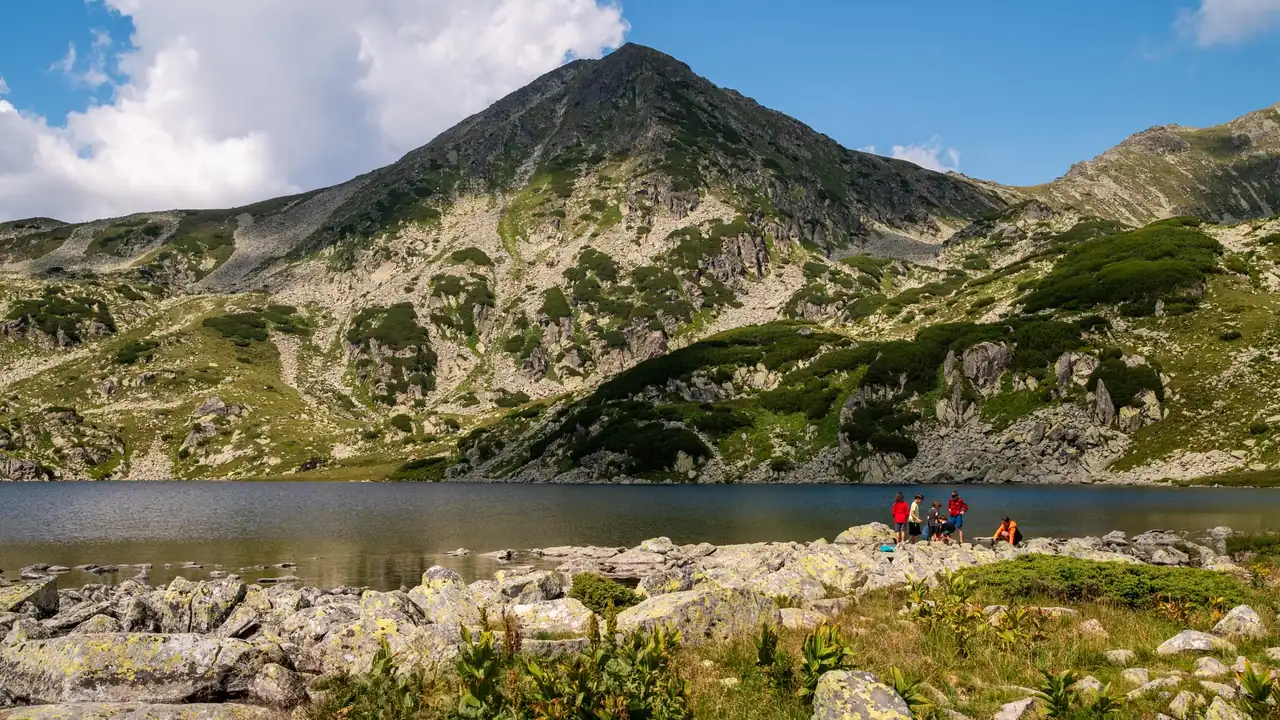
The Arc’teryx Norvan SL 2 is a mountain shoe for those who want to move fast without carrying unnecessary bulk on their feet. Its approach is clear: very low weight, direct feel on the ground, and a build designed for short or intense efforts, where every gram counts and precision matters more than generous cushioning.
In practice, that places it in a very specific area within trail running: short races, quality workouts, explosive climbs, and compact terrain. It does not aim to be the most comfortable or the most protective, but the liveliest. And it achieves that with a formula that combines a firm midsole, Vibram Megagrip Litebase outsole, and a very lightweight upper that hugs the foot with an almost surgical feel.
A concept born to move with less weight
Arc’teryx has taken its obsession with lightness here to a very recognizable level. The second version of this shoe cuts the weight even further compared with the previous one: around 170 grams in the men’s version, with a 7 mm drop and a structure that gives up everything superfluous. It is a figure that, in trail running, still attracts attention even among race-focused models.
That approach is noticeable from the first step. The stride delivers a quick, almost track-like response, but on a base designed for the mountains. There are no gimmicks or cushioning that hides the terrain. Instead, there is a clean, direct, and highly efficient feel for runners with good form who want to accelerate without the shoe becoming a brake.
The Canadian brand has not pursued total versatility, but a very specific tool. It is a performance model that makes the most sense when the goal is to climb fast, link technical sections with agility, or race over shorter distances. That is where the Norvan SL 2 reveals its true personality, as understated as it is sharp.
The upper: minimal, flexible, and smarter than it looks
The upper is built with hydrophobic TPU mesh, a material that brings two key advantages: it repels water well and does not retain too much dirt. That helps the shoe dry quickly and maintain a light feel even when the terrain is wet or muddy. It is not waterproof, but it is practical for demanding and changing mountain use.
The fit is snug, with a last that recalls other technical offerings on the market. The foot is held securely, without excess volume, and that favors precision on small footholds or during abrupt pace changes. In return, it is not the best option for wide feet or for those who need plenty of room in the forefoot.
One of the most useful details is the collar, redesigned to prevent stones and debris from getting in. In such a lightweight shoe, that kind of improvement matters much more than it may seem, because it better preserves the internal clean feel and reduces small annoyances that become a burden over the miles. It also keeps that very mountain-oriented Arc’teryx trait of being able to clip the shoe with a carabiner or carry it attached to gear during approaches and alpine activities.
Midsole and running feel: firmness, not softness
The midsole combines an SL EVA foam with a more contained build than in previous versions. The result is not a soft or especially tall platform, but a firm and responsive support. Arc’teryx talks about an anti-fatigue insert, a piece designed to distribute impact better without adding too much mass to the whole.
That explains why the Norvan SL 2 does not feel minimalistic in the classic sense of the word, even though it is minimal in weight and volume. Its behavior is closer to that of a fast shoe with just enough protection than to a radical racing flat. You can feel the ground, but not in an aggressive way; rather, as a constant conversation between foot and terrain, useful when the route demands reading each landing carefully.
For lighter runners, that combination works especially well. For heavier runners or on long outings, the story changes: the shoe leaves less room for fatigue and starts to punish earlier when the terrain gets hard or on prolonged descents. That makes it clear that its vocation is not to pile up hours, but to shine in efforts where immediacy is king.
Vibram outsole: low weight, plenty of grip
The outsole uses Vibram Megagrip Litebase, a much-appreciated solution because it reduces material without sacrificing traction. The lugs, at 3.5 mm, strike a reasonable balance between grip and mud shedding. They are not especially aggressive, but they are enough to move the shoe confidently over packed dirt, dry rock, and mountain trails that are not overly broken up.
The Litebase name is no minor detail. This technology aims to save grams in the base without giving up too much durability or grip. In a shoe with such an extreme concept, every outsole tweak matters. The benefit is most noticeable when running fast downhill or when linking foot strikes very frequently: the response is agile and highly controllable.
Where it loses some shine is on very wet surfaces, deep mud, or dirty descents on polished rock. Traction remains good, but not miraculous. In that kind of scenario, the Norvan SL 2 asks for good judgment and technique. It is a shoe with a lot of composure for how little it weighs, although it is not designed to erase the risks of complicated, slippery terrain.
What terrain it performs best on
Its natural habitat is dry, compact trails with elevation gain, especially if the runner keeps a high pace. On steep climbs it performs with notable ease because the whole shoe is very light and the foot moves freely. That feeling of speed makes it easy to accelerate, attack changes in gradient, and maintain a lively cadence without much inertia.
It also handles moderate technical terrain well, as long as there is not an excessive demand for protection. Rocks, roots, and uneven ground are felt clearly underfoot, something some runners see as an advantage because it improves terrain reading. Others, however, will see it as too much of a trade-off in favor of lightness.
What is fairly clear is that it is not a shoe for ultra distances or very rough trails. It can handle longer outings if the runner is light, technically sound, and moving over relatively tame terrain, but its character is built for something else: running with intent, not simply accumulating miles.
Who really benefits from it
This model suits light to medium-weight runners looking for fast sensations and who do not need a big cushioning layer. It may also appeal to those who come from climbing or alpine activities and value a compact shoe that is easy to pack and very usable for short approaches. Its philosophy is very mountain-oriented, but with a clearly sporty reading.
It also makes sense for anyone racing shorter distances, vertical races, or events where elevation gain matters more than mileage. In that context, precision and responsiveness rule. The Norvan SL 2 responds like a fine tool, almost a scalpel, rather than an all-round platform. That is a virtue when you know exactly what you are looking for.
By contrast, anyone prioritizing comfort, width in the last, or generous protection will find more suitable options elsewhere. This shoe is not made to soften the terrain, but to let it speak. And that, in trail running, can be either a serious competitive advantage or an obvious limitation, depending on the runner profile.
Comfort, fit, and small compromises
One of the most interesting aspects of the model is that, despite its extremely lightweight appearance, it does not feel fragile on the move. The construction is very refined and the interior feel is more welcoming than the first impression might suggest. The inside does not easily cause chafing and the material adapts quite naturally to the foot.
That said, its snug fit has a logical consequence: there is little room for sizing error. If the foot needs extra space, the shoe may feel somewhat narrow in the midfoot or forefoot. This is not a quality issue, but a design choice. Arc’teryx has prioritized hold and direct contact over any idea of relaxed roominess.
It is also worth bearing in mind that the durability of the collar can suffer with use, losing some of that initial secure feel. This does not imply premature failure, but rather a natural evolution in such a finely tuned model. Even so, the overall base holds up well and the outsole responds solidly, which is important in a shoe that, based on its numbers, might seem more delicate than it really is.
Real durability: tougher than its weight suggests
That is often the big surprise. A 170-gram shoe invites thoughts of fragility, but the Norvan SL 2 does not exactly play in that register. The upper resists better than expected, the outsole keeps its pattern well, and the overall structure holds up without drama under continued use, as long as it is not subjected to what it was not designed to handle.
Even so, the midsole shows the passage of time sooner than other parts. The lack of major protection and the lightweight build mean that with the miles, signs of compression or visible wear start to appear. It is a logical consequence of its philosophy: less material to move, less material to age. Efficiency has a price.
On balance, its durability is reasonable for the segment it belongs to. It does not compete with robust training shoes, but it does not feel like a throwaway piece either. It is, rather, a highly technical product with a lifespan shaped by proper use and by the runner’s judgment in choosing when to take it out.
What changes compared with the first version
The evolution from the original model is most noticeable in the overall refinement. The second edition trims the weight, improves some collar details, and keeps a very similar philosophy, though with a more polished build. The goal was not to reinvent it, but to make it more usable without losing its extreme character.
You can also feel a better integration between components. The outsole, midsole, and upper work together quite coherently, as if every gram had been placed with tweezers. That gives it a more mature feel, less experimental and more convincing for anyone looking for a race shoe or one for very specific sessions.
Overall, version two smooths out small rough edges without betraying the original idea. It remains a very focused, almost niche proposal, but now with a more solid execution. And in a segment where overreaching often backfires, that technical sobriety works in its favor.
A shoe designed to run with empty hands
There is something in this model that is very recognizable in Arc’teryx’s philosophy: the design is not trying to appeal to everyone, but to solve one specific task very well. The Norvan SL 2 wants to be light, stable, compact, and durable enough to handle fast runs and mountain movement without adding ballast. And to a large extent, it succeeds.
Its great merit lies in balancing extreme lightness, real grip, and a surprisingly reliable build. It is not a comfortable shoe in the conventional sense, nor an option for anyone who wants to forget about the terrain beneath their feet. It is something else: a precision tool for moving quickly in the mountains, with the kind of security that comes from good engineering rather than abundant padding.
That is why it suits runners who understand trail running as a sport of feel, rhythm, and decision-making. On good days, over firm ground and with a competitive mindset, the Norvan SL 2 can feel almost like an extension of the foot. And in a category where many shoes promise versatility at the cost of losing character, that already says a lot.



How to prevent thigh chafing: causes and real solutions

Women’s running windbreakers: seven jackets and how to choose

Do more workouts get rid of soreness? A guide for runners

Jaén Half Marathon 2026: Record 3,800 Runners Registered

Men’s short running tights: how to choose the right pair

World Triathlon confirms data breach involving medical data

Izan Edo targets podium at Miyazaki World Cup

María Pérez ranks ninth in World Athletics’ 2026 top ten

Dos Santos, Duplantis and Sawe: World Athlete of the Year finalists

San Silvestre Vallecana 2026: 42,000 places, prices and start times

 Races3 months ago
Valencia Half Marathon 2027: date and registration

 Races3 months ago
Valencia Marathon 2026: entry, ballot and course

 Reviews and Comparisons4 months ago
Asics Gel-Roadmiles 3 for men: review and current price

 Reviews and Comparisons4 months ago
Asics Gel Sonoma 8 Gore-Tex: complete analysis for trail and rain

 Sneakers3 months ago
Saucony Endorphin Pro 4: full review and verdict

 News5 months ago
Strava API 2026: what changes for clubs, challenges and runner apps?

 Reviews and Comparisons5 months ago
Nike Alphafly 3: opinions, sensations, and real key points

 Reviews and Comparisons4 months ago
Under Armour running shoes review 2025-2026: models and key features

 Sports Equipment4 months ago
Shoe sizes in cm: a clear guide to getting the right fit for your footwear

 Sneakers3 months ago
Skechers GO RUN Consistent 2.0 analysis: comfort and limits

 News5 months ago
Valencia Marathon 2026 route: key tips to train and run better

 Sneakers4 months ago
Adidas Adizero Boston 13 for men: review and verdict