Reviews and Comparisons
The best professional pressotherapy machine for your center
Technical keys, pressure ranges, safety, and standout models for choosing a reliable and cost-effective machine.

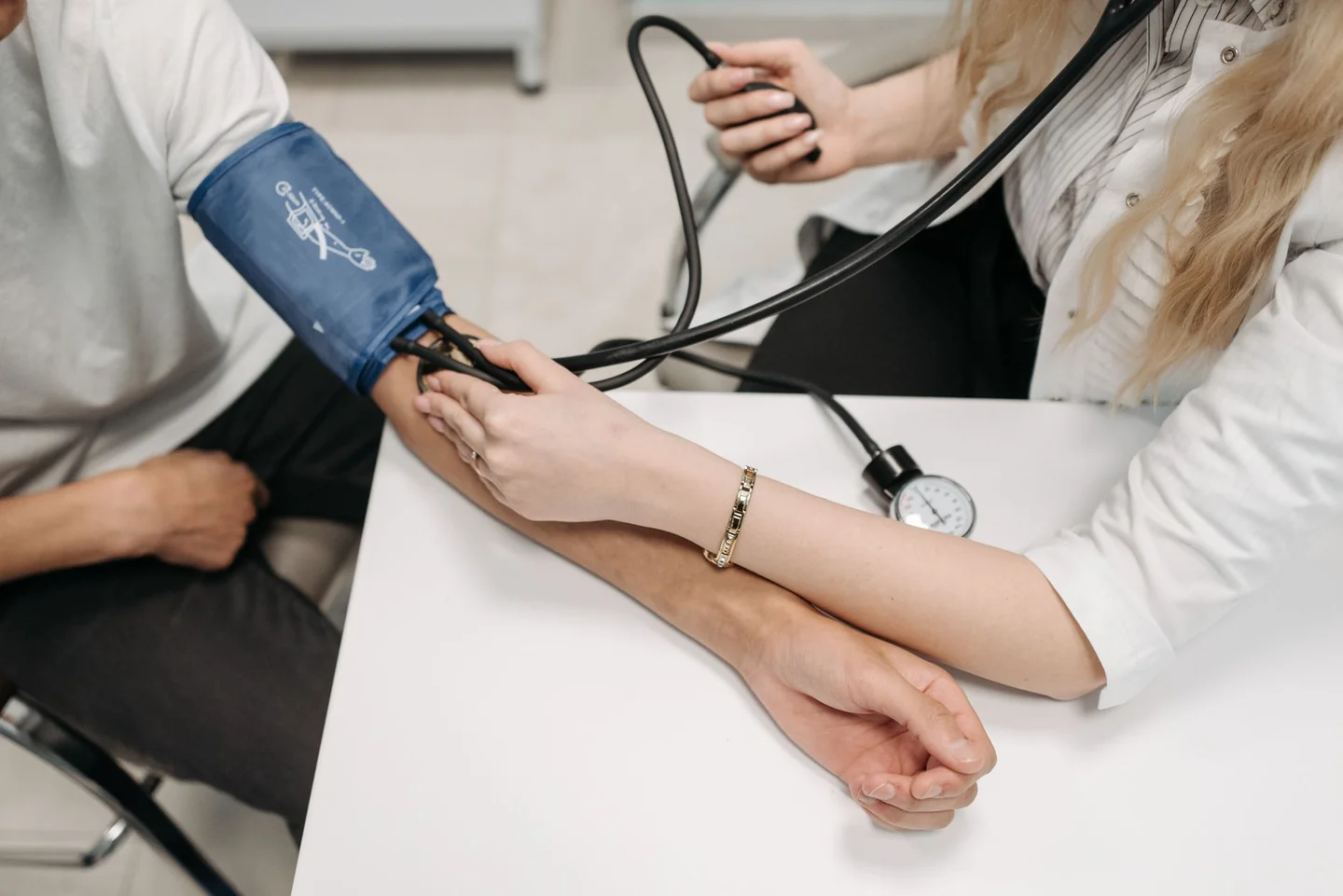
The choice of a professional pressotherapy machine sets the pace of a treatment room: it determines treatment comfort, drainage precision, and the perception of quality the client receives from the very first session. In a market with devices that look very similar, the real difference lies in less obvious details, such as effective pressure, chamber independence, suit closure, or compressor stability.
There is no single perfect device for every center, but there are very clear criteria for distinguishing a reliable unit from one that falls short in performance. High-end models usually stand out for adjustable programs, multiple working zones, safety sensors, and a design intended for continuous use, something decisive in advanced aesthetics, physiotherapy, and functional recovery.
What a truly professional unit should offer
The first sign of quality is sequential compression. A good system does not inflate the suit abruptly or uniformly, but instead generates an ordered pressure from bottom to top to promote venous and lymphatic return. That pattern mimics a deep, rhythmic massage, closer to a clinical maneuver than to a simple inflate-and-deflate sensation.
In professional use, the ability to customize the treatment also matters. The most reliable units allow pressure, cycle times, directions, and working sequences to be adjusted. This makes it easier to adapt the session to different goals: relief of heavy legs, support for lymphatic drainage, aesthetic treatment for fluid retention, or recovery after intense exertion.
The ergonomics of the suit are another critical point. A full suit with multiple independent chambers offers a more even distribution than segmented piece-by-piece solutions. In addition, adjustable zipper closures usually maintain pressure better than less secure systems, while a washable inner lining improves daily hygiene and extends the life of the set.
Pressure, chambers, and control: where the result is decided
Pressure is the technical figure worth examining most carefully. In professional aesthetics, work is often done within approximate ranges of 90 to 120 mmHg, although many devices allow much more leeway. A high maximum does not in itself mean better results; what matters is that the pressure is stable, adjustable, and precise, without uncomfortable spikes or losses during the session.
The number of chambers also matters. The more independent chambers there are and the more precise their control, the better the compression is distributed by zone and the finer the adjustment becomes on legs, arms, or abdomen. In professional-level equipment, it is also often possible to disable specific chambers if needed, which is useful for customizing a session or avoiding sensitive areas.
That control is not a technical luxury; it is a matter of reliability. In the treatment room, the sensation must be consistent and predictable. When a unit responds regularly, the professional can repeat protocols with greater confidence, and the client perceives a cleaner, more serious, and more comfortable treatment, like a well-oiled mechanism that makes no out-of-place noise.
Two models that account for a large share of professional demand
Among the options that have gained the most presence in medical and aesthetic centers, Elixia and Elixia Lite stand out. Both address different needs, but they share a central idea: offering professional pressotherapy with technology geared toward continuous use, fine adjustment, and patient comfort.
Elixia is presented as the more complete model for centers seeking versatility. It includes 8 preconfigured programs and allows parameter adjustments to create specific sessions according to the treatment goal. Its suit has 24 independent capsules with sensors, a figure that promotes more even drainage and allows capsules to be deactivated if the situation requires it. Added to that is a closure system with 3 zippers and adapters that expand the range of body areas it can be used on.
Elixia Lite, for its part, aims for a very attractive balance between investment and functionality. It offers 12 capsules split into two halves of the suit, adjustable pressure, and a combination of three movements to build 4 custom programs. Its more compact format makes transport and installation easier in reduced spaces, which is useful in treatment rooms where every centimeter matters and the equipment must coexist with other devices.
Both models share a key characteristic for the professional sector: they are designed to work in treatments for fluid retention, circulation, edema, heavy-leg sensation, and support in body aesthetic protocols. The difference lies in the depth of adjustment and the level of ambition of each center, because not everyone needs the same working architecture or the same number of programs.
How to recognize a sensible purchase and not just a flashy catalog
A professional unit is bought for real use, not for appearance. The screen may be attractive, the finish may look robust, and the brochure may promise a lot, but what really matters is how the machine responds in repeated sessions, with different bodies, different tolerances, and a pace of work that does not always allow a break.
It is worth looking at very specific aspects. Quiet operation improves the client experience and supports the relaxing atmosphere expected in a treatment room. Protected wiring inside the suit reduces wear. Accessories available separately help extend the equipment’s life without replacing it entirely. And a removable, washable inner lining simplifies hygiene, something fundamental in any serious center.
The possibility of adjusting cycle times and directions also matters. That flexibility prevents pressotherapy from becoming a generic session. The body does not respond the same way in all circumstances, and a machine that allows the sequence to be refined offers more room to adapt the treatment to the day’s objective, just as a good watchmaker does not work with a single wrench for every mechanism.
Most useful applications in aesthetics, health, and recovery
Professional pressotherapy is used for very specific reasons. In body aesthetics it helps treat fluid retention, improve peripheral circulation, and complement slimming protocols. In the treatment room, this often translates into a feeling of lightness and a progressive improvement in the skin’s appearance, especially when integrated into broader body care plans.
In the health field, the technique is used for edema, venous insufficiency, lymphedema, and heavy legs, always under the criteria of the relevant professionals. Sequential compression facilitates fluid return and can be part of recovery or functional relief strategies when the condition allows it.
In sports and physiotherapy, its usefulness is also clear. Muscle recovery is of growing interest because controlled compression helps relieve that heavy sensation after intense exertion. It does not replace rest or a complete clinical approach, but it can become a valuable complementary tool in centers that work with performance, rehabilitation, or post-activity recovery.
What really distinguishes an aesthetic model from a medical one
Not every pressotherapy unit serves the same context. In advanced aesthetics, the focus is usually on the experience, adaptability, and profitability per session. In the medical field, by contrast, priority shifts toward fine pressure control, protocol reproducibility, and safety in treatments with greater clinical sensitivity.
Medical ranges usually include references designed for complex lymphatic or circulatory conditions, with a higher level of precision and a more therapeutic working logic. In that setting, the value of the machine lies not only in comfort, but in its ability to dose each phase of compression accurately and sustain repeated treatments with stability.
The boundary between both categories is not just commercial. It also affects the type of client, the type of indication, and the way the center organizes its service. A more aesthetic-oriented unit can be excellent for high turnover and recurring sessions; a medical-profile unit is a better fit when the priority is adapting to specific clinical needs. Choosing well means avoiding a machine that is too basic for demand or unnecessarily complex for day-to-day use.
The role of after-sales service in an investment that must last
The machine starts becoming profitable when the supplier does not disappear after the sale. Technical training, support for questions, availability of accessories, and the speed of after-sales service matter as much as the equipment specifications. In pressotherapy, where use is often frequent and treatment room intervention is daily, a slow response can hinder activity more than desirable.
That is why, when evaluating a purchase, it matters to know whether the distributor offers demonstrations, spare parts, support materials, and flexible acquisition options. Buying, renting, or shared use are not just financial formulas; they also make it possible to adapt the incorporation of the equipment to the center’s real size and the expected volume of sessions.
This technical support has another less visible but equally important effect: it instills confidence in the human team that uses the machine. When equipment is well understood and supported, protocols are applied more consistently and the margin of error decreases. In centers with staff turnover, that detail is worth almost as much as the rated power.
Which models fit best depending on the type of center
A small center usually needs compactness and ease of use. In those cases, a unit like Elixia Lite is especially practical because it combines a contained size, adjustable functions, and a simple learning curve. It does not require major space changes and allows the service to be introduced without heavy infrastructure.
In centers with higher volume or a broader body-treatment offering, Elixia fits better as the main device. Its 24 capsules, preconfigured programs, and customization options provide a solid foundation for working with different client profiles with greater room for adjustment. It is the kind of equipment that handles a busy schedule and more demanding sessions better.
For clinics or spaces where there is a close link with functional recovery, the criterion changes. There it is not enough for the machine to work; it must integrate precisely into an environment where safety, repeatability, and technical soundness are essential. In other words: the best device is not always the biggest, but the one that best fits the real use it will have.
A choice measured in results, comfort, and continuity
The best professional pressotherapy machine is the one that gets the daily work done without noise, without improvisation, and without inflated promises. The most solid units combine stable pressure, adjustable programs, comfortable suits, durable materials, and technical support that accompanies the investment in the medium term.
In 2025, the difference between a decent device and a truly useful one is no longer in the label, but in the complete experience: how it adapts to the patient, how long it lasts without losing precision, what options it offers to customize sessions, and what backing it has behind it. A good pressotherapy purchase is not noticed by the shine of the front panel, but by the consistency of the result.
Anyone who looks only at the price usually falls short. Anyone who looks only at the power does too. The most sensible decision comes from combining technical performance, ergonomics, reliability, and service. That is where a machine stops being just a piece of furniture with compressed air and becomes a serious working tool, capable of sustaining a center’s activity with the quiet confidence of something well made.
Pressotherapy and runner recovery
After a demanding workout or race, some clinics offer pressotherapy as a way to support recovery and ease the feeling of tired legs. The article notes that comfort and fit depend on pressure that is adjustable and consistent. For runners, that makes it important for a session to suit their needs rather than simply using higher pressure. Pressotherapy does not replace the basics: rest, hydration and a gradual return to training.
If you try it after a race or hard session, tell the practitioner which areas feel tired and how demanding the effort was, so they can assess whether the treatment is appropriate. Don’t use it to mask an injury or assume it will speed up recovery. If pain or other symptoms persist, consult a healthcare professional.



Reebok runs large or small: a real fit guide

Hoka Challenger ATR 7 GTX: complete review of the all-terrain shoe

How to clean white sneakers without ruining them

Altus Pirineos 40-liter backpack: analysis, use, and key points

20,000 mm waterproof jacket for men: key points to get it right

Under Armour HOVR Sonic 6: complete review of the shoe

incline treadmills: guide to choosing better

Achilles tendonitis: real recovery time

Pain in the Achilles heel: causes, signs, and relief

What to take for calf pain: real relief and when to worry

 Races3 months ago
Valencia Half Marathon 2026: date and registration

 Reviews and Comparisons4 months ago
Asics Gel-Roadmiles 3 for men: review and current price

 Races3 months ago
Valencia Marathon 2026: entry, ballot and course

 Reviews and Comparisons4 months ago
Asics Gel Sonoma 8 Gore-Tex: complete analysis for trail and rain
- Sneakers3 months ago
Saucony Endorphin Pro 4: full review and verdict

 News5 months ago
Strava API 2026: what changes for clubs, challenges and runner apps?

 Reviews and Comparisons5 months ago
Nike Alphafly 3: opinions, sensations, and real key points

 Reviews and Comparisons4 months ago
Under Armour running shoes review 2025-2026: models and key features

 Sports Equipment4 months ago
Shoe sizes in cm: a clear guide to getting the right fit for your footwear
- Sneakers4 months ago
Adidas Adizero Boston 13 for men: review and verdict
- Sneakers3 months ago
Neutral running shoes with lots of cushioning: the best of 2026

 News4 months ago
Where is the Hoka brand from and why was it born in France