Health and Nutrition
My experience with pressotherapy: sensations, uses, and limits
Real sensations, visible effects, common uses, and precautions before trying compression drainage.

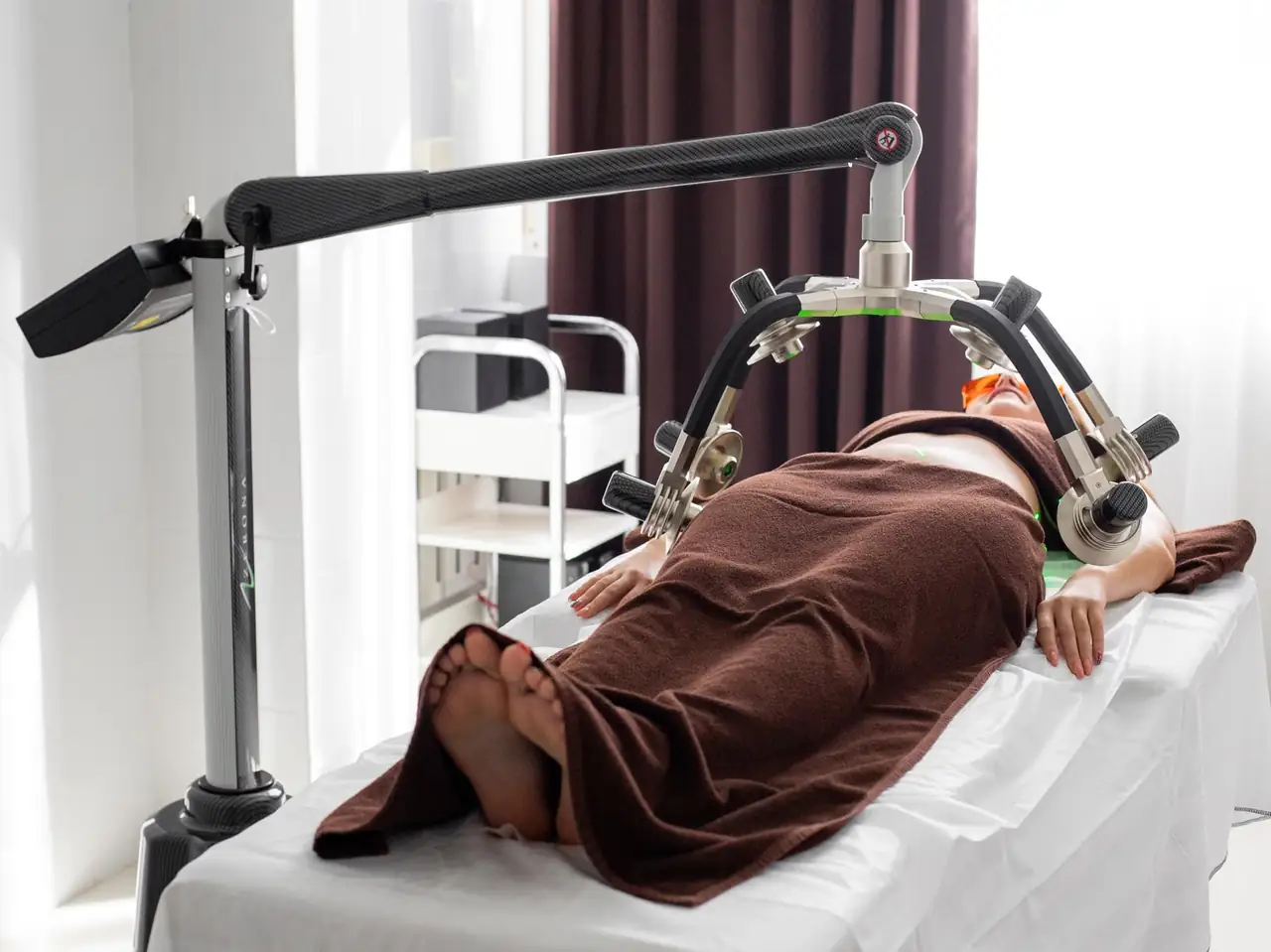
The first impression is usually physical before mental: a suit of chambers that inflate and deflate with the rhythm of a metronome, pressure rising up the legs and relief that arrives, if it arrives, in the form of lightness. Pressotherapy has carved out a place among the most in-demand treatments in aesthetics and wellness because it combines something very simple to explain with a fairly recognizable experience for anyone who spends hours on their feet, travels a lot, or carries a feeling of heaviness in the legs.
Its value is not in a grand promise, but in the concrete: it helps mobilize fluids, promotes lymphatic drainage, and can reduce the discomfort of swollen ankles, tired legs, or certain inflammation after physical exertion. It is not a universal cure or a shortcut to losing weight, but it is a useful tool when its scope is well understood and it is used sensibly.
A session you notice from the very first minute
The experience changes depending on each person’s sensitivity, but the pattern is usually repeated. When the boots, sleeves, or wrap are put on, sequential compression begins, moving from bottom to top like an orderly wave. At first it can feel strange, even somewhat intimidating, especially when the chambers press in certain areas and the body senses that something is moving without you doing anything. Afterward, if the settings are right, the most sought-after feeling appears: rest.
In many sessions, time passes with unusual calm. The person remains lying down, almost motionless, while the device works in relative silence, with a soft sound of air coming in and out. That passivity has an almost homey effect, as if someone were organizing the body’s internal traffic. It is no surprise that many users describe the experience as a restorative pause rather than an intense treatment.
Immediate relief does not always mean a lasting change, and that is one of the keys to interpreting this type of therapy properly. Pressotherapy can leave the feeling of lighter, less burdened legs from the first session, but visible results in swelling, skin texture, or fluid retention depend on the cause, the frequency, and the overall context. The body responds, yes, but not in a vacuum.
What really happens inside the body
Intermittent compression mechanically mimics support for venous and lymphatic return. Put simply: it pushes fluids from the more distal areas to places where the body can manage them better. That is why it is used so much on the legs, although it can also be applied to the abdomen or arms with specific devices. That orderly pressure does not replace the circulatory system, but it can give it a push when circulation is slower than desirable.
In practice, the user does not see the inside of the process, but they do notice its most likely effects: less feeling of congestion, a temporary reduction in the volume associated with fluid retention, and a sense of muscle rest. The mechanism itself explains why it fits well for people who spend many hours still, whether sitting at a desk or standing through long shifts. The human body is made to move; when it does not, external pressure can act as a physical reminder of that sluggish circulation.
Drainage should not be confused with weight loss. That confusion is common and, in part, fuels many exaggerated expectations. Pressotherapy can reduce swelling and improve the appearance of the skin by reducing fluid, but it does not directly eliminate fat or replace basic habits like walking, staying hydrated, or resting well. Its most honest effect is usually seen in bodily sensation, swelling, and certain cases of mild edema.
What you notice most when it works well
Heavy legs are one of the most common reasons to try it. Someone who ends the day with a lead-like feeling in the calves, or notices their ankles are more pronounced in the afternoon than in the morning, usually notices the change sooner. That improvement is not always spectacular, but it is tangible: the body feels less tense and the discomfort drops in volume, as if someone had turned down the brightness on an overly intense screen.
Another appreciated effect is the reduction of swelling associated with fluid retention. Here the experience is usually quite clear in summer, after long trips, or during periods of less movement. Relief can translate into a feeling of lightness when walking, less tightness when sitting down, or simply the impression that the body weighs less for a few hours or days.
It can also provide a kind of indirect mental rest. Not because it acts clinically on mood, but because physical relief reduces a persistent discomfort that is exhausting from within. When the legs stop bothering you, the day becomes less harsh. That connection between body and mood is small, but not irrelevant: sometimes well-being arrives through the most prosaic route, which is simply no longer noticing a constant discomfort.
Realistic results versus inflated expectations
The best results usually appear when pressotherapy is part of a broader picture. Someone who sleeps little, drinks little water, remains immobile for hours, and expects one session to erase all fatigue is getting an incomplete version of the therapy. By contrast, when there is a minimally sensible routine, sequential compression can complement rest, gentle exercise, and better management of time spent sitting or standing.
In aesthetics, people often talk about cellulite, a padded appearance, or smoother skin. Pressotherapy can help, especially by improving drainage and reducing fluid congestion in soft tissues. But cellulite is a complex phenomenon, with structural, hormonal, and circulatory components. For that reason, the change is usually gradual and moderate, more like polishing a surface than remaking it from scratch.
That nuance matters because it protects against disappointment. A session that leaves the legs lighter does not turn the body into something else, and that honesty is precisely what makes the treatment more valuable. When it is sold as a total solution, it loses credibility. When understood as support, it makes more sense.
Pressotherapy and sports: a recovery tool, not a miracle
In runners and impact athletes, its usefulness is quickly understood. After demanding workouts, especially when there is a lot of volume or intense repetitions, the feeling of muscle congestion and heaviness can be noticeable. Pneumatic compression can help that feeling subside sooner, partly because it promotes fluid mobilization and partly because it forces the body to stop for a while.
In the sports context, the value lies less in spectacle than in the logistics of recovery. A tired athlete does not need a magical solution; they need pieces that fit together: sleep, nutrition, rest, mobility, well-distributed load. Pressotherapy can add to that, especially during periods of accumulated fatigue or weeks of heavy competition, but it does not replace the rest of the system.
There is also a practical detail many people appreciate: it requires no active effort. For someone finishing a long run or a hard day, lying down and letting the chambers do their work has something like assisted rest about it. It is no coincidence that in some settings it is valued more for the comfort of recovery than for any aesthetic promise. Deep down, the body appreciates any technology that lets it move from tension to pause without friction.
The less glamorous part: contraindications and caution
Not everyone should try it without prior evaluation. There are circumstances in which external pressure may not be advisable, such as a history of thrombosis or thrombophlebitis, heart or kidney failure, active infection, open wounds, pregnancy in the early stages, or certain vascular diseases. Extra caution is also warranted if implantable devices or significant circulatory problems exist.
Caution here is not a formality; it is an essential part of the treatment. A technique that seems so simple can lose all its innocence if applied in the wrong context. That is why serious assessments ask about medical history, medication, and prior symptoms. It is not just about fitting the suit and starting the machine, but about knowing whether that specific body will tolerate the pressure well.
More pressure does not speed up the benefits either. That is a fairly widespread idea and, however, it is wrong. More intensity does not mean more efficacy. In some cases it can cause discomfort, numbness, or an unpleasant experience that reduces adherence to the treatment. Good pressotherapy is more like a well-calibrated massage than an unnuanced mechanical imposition.
What it feels like before, during, and after
Before the session, expectation is usually made up of curiosity and some distrust. The device seems less intimidating when it is clearly explained, but it still has something of a clinical machine about it that does not allow indifference to be faked. During treatment, the dominant sensation is usually the alternation between pressure and relief. For sensitive people, that back-and-forth can take a few minutes to get used to; for others, it produces surprising relaxation.
Afterward, the feeling of lightness is usually the most repeated detail. Some people notice a more frequent urge to urinate, others feel the body is less congested, and many leave with looser legs and a more agile step. These are modest changes, but precisely because of that, they seem credible. They do not promise a metamorphosis; they offer a concrete improvement.
The usual duration is around 30 to 45 minutes, although there are shorter or longer protocols depending on the goal and tolerance. Consistency matters more than drama. A single session can leave a good impression; a well-planned cycle usually shows the difference between a temporary improvement and an accumulated effect more clearly.
Why it has become so popular in wellness centers
Its success is partly technological and partly everyday. It is technological because it uses a visible device, with air chambers and precise compression sequences. And it is everyday because it targets very recognizable discomforts: tired legs, swelling, a feeling of heaviness. That combination makes it easy to explain and even easier to sell as a self-care experience.
It also fits very well with a wellness culture that seeks results without aggressive procedures. Compared with more invasive or painful treatments, pressotherapy offers a gentle, almost home-like route that is quickly understood. Most users do not walk in thinking about vascular physiology; they walk in thinking about leaving lighter than when they arrived. And when that happens, the technique gains a reputation for a simple reason: it delivers on part of what it promises.
There is also a visual perception dimension. The skin may look somewhat less tense, the contour less swollen, and the body posture looser after the session. These are subtle changes, but enough to sustain its popularity. In treatments that act on fluids and not permanent structures, the visual aspect matters a lot. The body responds to pressure, and the eye appreciates it.
What a well-told experience leaves behind
Pressotherapy is more convincing when looked at without exaggeration. It is useful for relieving heaviness, helping drainage, and supporting recovery processes or swelling control, but it should not be presented as a total solution or a substitute for basic habits. Its best version is that of a modest, precise, and well-used tool.
That balance between usefulness and limits is, in reality, what defines a good experience with the technique. Someone expecting magic is disappointed; someone looking for a specific bodily improvement usually finds something valuable. The body leaves the session with less load, less internal noise, and, in many cases, a pleasant sense of order. That is no small thing in a world where almost everything pushes toward haste.
The final lesson is simple and quite honest: pressotherapy works best as an ally rather than the star. It makes sense for tired legs, fluid retention, sports recovery, and certain aesthetic uses. And it is more credible when explained precisely, without unnecessary embellishments or promises that the body will sooner or later prove wrong.
That is why my experience with pressotherapy, read calmly, is not the story of a radical transformation, but of measurable relief, recovered comfort, and a technique that, when properly applied, knows how to be useful without making noise. Sometimes that is the kind of effectiveness that lasts longest: the kind that does not impress immediately, but is felt in the stride, in the afternoon, and in the way the day ends.
Pressotherapy and runner recovery
For runners, pressotherapy may be a relaxation option when their legs feel heavy after a workout or after spending long periods sitting or standing. The sequential compression may bring temporary relief or a feeling of lightness, but that sensation does not prove the muscles have recovered, nor does it replace rest, gentle movement or a gradual return to training.
It is best to keep expectations realistic: easing a feeling of swelling is not the same as losing fat or addressing the cause of discomfort. Pressotherapy is not essential to training, and its usefulness can vary from person to person. If you are considering it, check with a health professional first, particularly if you have circulatory problems or another health condition. If pain, swelling or other symptoms persist, consult a health professional.



How to prevent thigh chafing: causes and real solutions

Women’s running windbreakers: seven jackets and how to choose

Do more workouts get rid of soreness? A guide for runners

Jaén Half Marathon 2026: Record 3,800 Runners Registered

Men’s short running tights: how to choose the right pair

World Triathlon confirms data breach involving medical data

Izan Edo targets podium at Miyazaki World Cup

María Pérez ranks ninth in World Athletics’ 2026 top ten

Dos Santos, Duplantis and Sawe: World Athlete of the Year finalists

San Silvestre Vallecana 2026: 42,000 places, prices and start times

 Races3 months ago
Valencia Half Marathon 2027: date and registration

 Races3 months ago
Valencia Marathon 2026: entry, ballot and course

 Reviews and Comparisons4 months ago
Asics Gel-Roadmiles 3 for men: review and current price

 Reviews and Comparisons4 months ago
Asics Gel Sonoma 8 Gore-Tex: complete analysis for trail and rain

 Sneakers3 months ago
Saucony Endorphin Pro 4: full review and verdict

 News5 months ago
Strava API 2026: what changes for clubs, challenges and runner apps?

 Reviews and Comparisons5 months ago
Nike Alphafly 3: opinions, sensations, and real key points

 Reviews and Comparisons4 months ago
Under Armour running shoes review 2025-2026: models and key features

 Sports Equipment4 months ago
Shoe sizes in cm: a clear guide to getting the right fit for your footwear

 Sneakers3 months ago
Skechers GO RUN Consistent 2.0 analysis: comfort and limits

 News5 months ago
Valencia Marathon 2026 route: key tips to train and run better

 Sneakers4 months ago
Adidas Adizero Boston 13 for men: review and verdict