Reviews and Comparisons
Lowa Renegade Mid GTX: review of the most reliable trekking boot
A classic hiking shoe that continues to stand out for comfort, grip, waterproofing, and fit on long routes and for daily use.

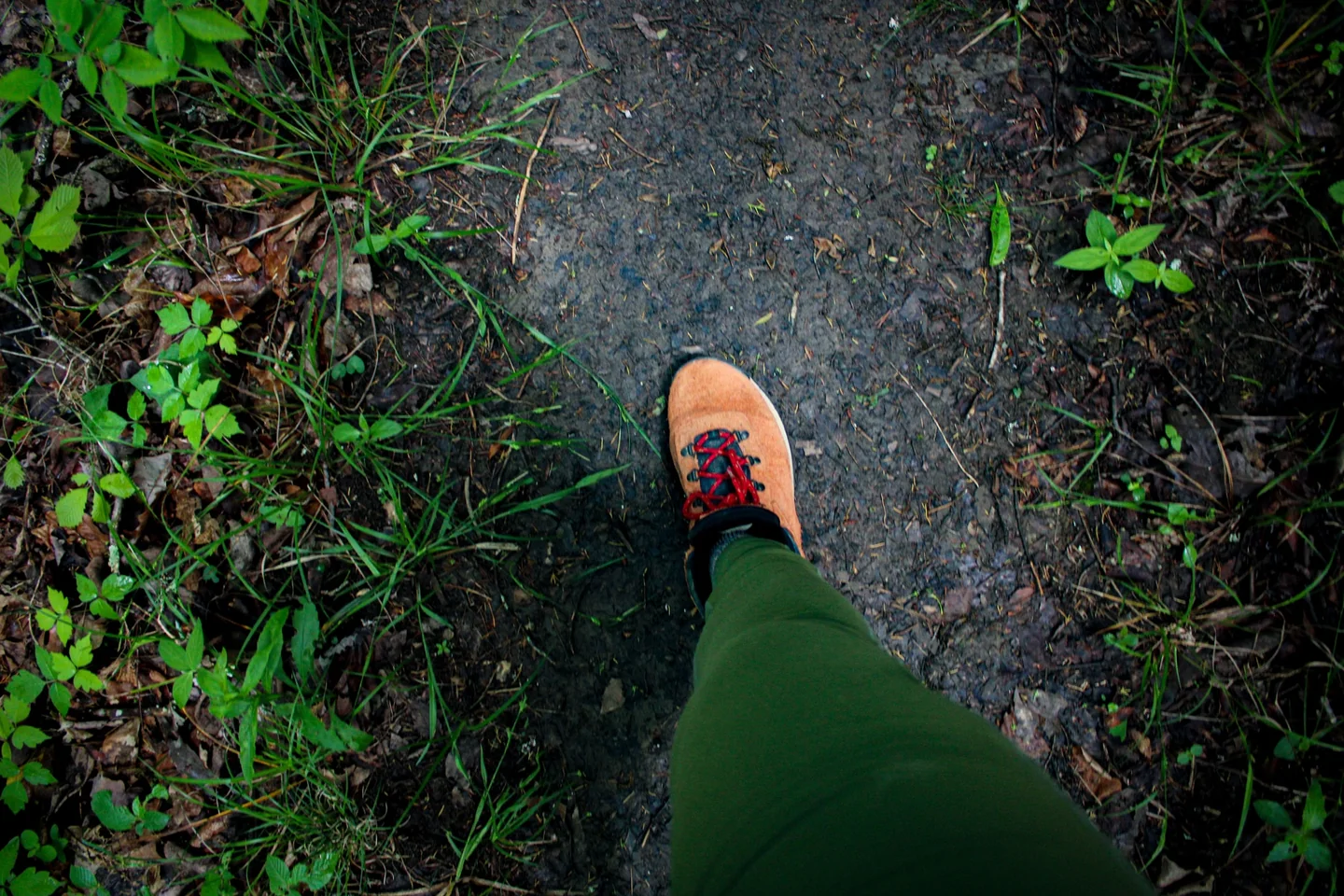
The Lowa Renegade Mid GTX Gore-Tex remains one of the most recognizable trekking boots on the market because it has managed to stay in a very specific lane: footwear that does not try to impress in photos, but to perform on the trail. Its recipe combines nubuck leather, waterproof membrane, mid-height shaft, and a Vibram sole with good traction, a combination that explains why it appears again and again in searches, stores, and recommendations from experienced users.
Its success is not explained by the brand alone. There is also a very simple idea behind it: comfort from the first wear, stability on varied terrain, and protection against water without making the stride feel rigid or clumsy. That is the key to a boot designed for trails, long walks, mountain routes, and crossings where the ground changes quickly, from dry dust to mud and from uneven footing to loose rocks.
A classic born from a different way of making boots
The history of the Renegade is based not only on design, but on the way LOWA changed the construction process. Compared with traditional footwear with glued soles, this model became a reference by opting for a directly molded sole, a solution that made a real difference in durability and consistency. It was not a cosmetic gesture: it was a way of building the boot so it would respond better to prolonged use.
That technical change helped create a product with a personality of its own. The Renegade was not born as an extreme alpine boot or as a lightweight approach shoe. It occupied a very specific space, that of comfortable and versatile hiking, and grew there until it became almost a default name when people talk about mid-height boots. Its relevance comes from understanding earlier than many others that most outings do not need absolute armor, but balance.
In today’s market, where ultralight options and highly technical boots abound, this model still has a practical value that is hard to erase. Versatility matters more than novelty when the user wants a boot for walking for hours, crossing wet paths, and keeping a stable stride without feeling armored.
Materials and construction: nubuck leather, Gore-Tex, and Vibram sole
The technical sheet makes clear the kind of bet LOWA is making. The upper uses nubuck leather, a durable material that feels pleasant to the touch and ages well if cared for regularly. It is not the kind of finish that tries to look fragile or minimalist; it conveys solidity at first glance, with a sober texture that fits mountain and trail use.
Inside, there is the Gore-Tex membrane, one of the best-known solutions for combining waterproofing and breathability. In practice, that means a boot ready for rain, puddles, wet grass, and short water crossings without trapping the foot in a heavy environment. The membrane does not work miracles, but it does avoid one of the most uncomfortable problems in hiking: finishing the route with feet cold and soaked either from outside or inside.
The outsole is another of its strong points. In this family, Vibram Evo has been used, and in later evolutions, Vibram variants with the same logic, with a design intended to provide grip and controlled wear. That combination gives a feeling of security on changing terrain, especially when the route mixes packed dirt, rock, wet ground, and small changes in elevation. The boot does not promise magic, but it does provide a solid base that supports walking well.
How it walks and why so many people find it comfortable
The Renegade’s reputation is not explained by its materials alone. The way it distributes loads also matters. The Monowrap construction, closely associated with LOWA, aims to wrap the foot and provide lateral support without making the stride too stiff. In simple terms, it helps the ankle and midfoot feel held in place, which is important when the terrain becomes uneven or when many hours of walking are linked together.
The polyurethane midsole and the presence of a support frame promote stable cushioning, not overly soft. That difference matters more than it seems. Footwear that is too soft can be tiring on technical ground because it forces the foot to work harder to stabilize itself. Here, the feeling is of a platform that supports you, absorbs part of the impact, and keeps the step reasonably planted.
That is why so many users describe it as a boot that adapts quickly. The mid-height cut helps protect the ankle, but without falling into exaggerated stiffness. It is a boot designed for walking a lot, not to impress with lab figures. And in real-world use, that is a very concrete virtue: the less you fight your footwear, the farther the body goes.
What terrain it suits best and where it falls short
The Renegade shines especially on mid-mountain routes, forest trails, greenways, day hikes, and multi-day trips with a moderate pack. It also works well in wet environments and variable climates, where the waterproof membrane and mid-height shaft provide a peace of mind that trekking shoes do not always offer. Its profile is very comfortable for walking at a steady pace for several hours.
On the other hand, it is not the most logical choice for someone who needs a very stiff boot, ready for glacier terrain, heavy loads, or serious alpine conditions. Nor is it the best option if you prioritize an ultralight feel, close to that of a trail running shoe. Its strength lies in the middle ground, and that place makes sense for a huge number of users, but not for every scenario.
That is where much of its editorial appeal lies: it does not try to be more than it is. In a sector where many models promise everything, the Renegade keeps a more sober message. It protects, supports, and lasts. That is enough to make it one of the most repeated boots on classic hiking routes and in getaways where security matters as much as lightness.
Fit, sizing, and the importance of testing the last properly
One of the most frequently repeated topics in user reviews is the fit. The Renegade line is designed for medium-width feet, although the real sensation may vary depending on foot shape, sock thickness, and the amount of room each person prefers in the toe box. That nuance matters because a trekking boot lives or dies by a simple detail: the foot should not move around, but it also should not be forced into a mold that is too narrow.
In LOWA’s size charts, the reference is built from foot length in centimeters and equivalents in US, UK, and EU sizes. In the men’s version, the usual range runs from around 23.9 cm to 30.2 cm of foot length, with equivalents covering everything from smaller sizes to larger numbers. In the women’s version, the reference also starts at 23.9 cm and goes up to 29.4 cm, with similarly broad size translations.
In practice, many users end up choosing half a size or one size larger than in city shoes, especially if they are going to walk with technical socks or prefer a little extra room for long descents. The best size is not the tightest one, but the one that keeps the heel secure and leaves enough space for the toes not to hit the front on prolonged downhill sections.
What user ratings say
Reviews collected by different retailers show a fairly consistent pattern: the Renegade usually receives very high ratings, with scores around 4.8 out of 5 and very high percentages of five-star reviews. That does not replace a personal test, but it does show a clear trend: the model has generated sustained satisfaction across different profiles, from occasional hikers to repeat buyers.
Among the most repeated comments are three ideas: immediate comfort, good behavior in wet conditions, and a sense of durability that encourages continued trust in the brand. The boot is also often described as lightweight for its category, something valuable on long outings where every gram matters more than it seems at first. The perception of stability and grip completes the picture.
Nuances are not lacking. Some users warn that the fit may be roomier or tighter depending on foot shape, and others stress that the size should be checked carefully. Reviews are useful because they do not talk about an idealized boot, but about footwear that performs well in real scenarios, with mud, rain, hard paths, and accumulated hours of use.
The model’s evolution and the leap to more modern versions
The original Renegade opened a path that LOWA has refined over time. More recent versions, such as the Renegade Evo GTX Mid, preserve the model’s identity while adding tweaks in fit, aesthetics, and dynamic behavior. That continuity matters because it shows the brand has not wanted to reinvent a product that already worked, but to fine-tune it with small changes that add value in daily use.
Comparisons between generations show improvements in lightness, support, and overall comfort. In practice, this means the Renegade family remains alive because it has managed to adapt without losing its essence. Not every veteran product ages well; this one has, precisely because it has preserved a recognizable technical language and a useful proposal for a broad audience.
It is also worth understanding that evolution does not erase the relevance of the previous model. The Renegade GTX Mid remains a serious reference for anyone looking for a classic boot, with a discreet aesthetic and stable performance. In a market saturated with launches, that kind of continuity has value: it offers a more predictable purchase, less subject to fleeting trends and unnecessary experiments.
Reasonable comparison with other trekking boots
Compared with stiffer boots such as some aimed at high mountain use, the Renegade feels friendlier and less demanding. Compared with lightweight hiking shoes, it offers more protection, better ankle support, and a greater sense of coverage in bad weather. It is in the center of that spectrum that it finds its natural place, which is why it has stood the test of time so well.
Models like the Lowa Ferrox GTX Mid or the Zephyr MK2 Mid, within the same brand, target users who prioritize more lightness or a different approach to fit. Other competing brands, such as La Sportiva, Salomon, Hanwag, Scarpa, or The North Face, offer very valid solutions, but not always with the same balance between robustness and everyday comfort. The Renegade stands out for its balance, not for a single extreme feature.
That balance also explains why many consider it an almost universal boot for classic hiking. It does not excel in any one parameter in an exaggerated way, but it also does not fall short in the basics that matter most: protection, grip, durability, and acceptable fit for a wide range of feet.
Price, availability, and a practical reading of the market
The usual price of this boot has been around 219.99 euros in various European stores, although promotions can lower it noticeably, as some listings below 200 euros and even around 173 euros in occasional sales show. That range places it in the upper-middle part of the market, far from entry-level footwear and also below many specialized technical boots.
For a product like this, the cost is better understood when you look at the relationship between durability and intended use. A boot that lasts through seasons of regular hiking, wet outings, and rough trails can be more cost-effective than a cheap option that quickly loses support, waterproofing, or sole performance. The price is not low, but it is not out of line for a model with these characteristics and reputation.
Availability, however, can fluctuate quite a bit, especially in popular sizes and certain color versions. As with many outdoor classics, demand tends to be constant and stock does not always keep up. That turnover reinforces the feeling that this is not just a display boot, but a piece that still has real demand among hikers and trekkers.
The Renegade in the context of modern hiking
Modern hiking lives with a paradox. On one hand, fast, flexible, minimalist shoes are multiplying; on the other, there is still a need for footwear that can handle moisture, impacts, and long hours under load. The Renegade fits naturally into that second group, the one of boots that do not try to break lightness records, but to provide confidence step by step.
It also fits a very specific type of use that has become increasingly common: walking not only for mountain outings, but to accumulate hours of activity on forest paths, urban-edge routes, pilgrimages, and long weekend escapes. Its logic is that of frequent and varied use, not that of the occasional adventurer who only brings it out in extreme conditions.
That is why it keeps appearing in so many recommendations. Not because it is the most modern, or the most aggressive, or the lightest. But because it solves what is asked of it well. And in outdoor footwear, where mud, cold, and rocks do not care about marketing, that kind of reliability matters more than any slogan.
A benchmark that continues to hold its place
The Lowa Renegade GTX Mid Gore-Tex has survived several generations of trends because it offers something that never goes out of style: a boot that works without complications. Its mix of nubuck, waterproof membrane, Vibram sole, and support structure makes it a solid option for classic hiking, long routes, and versatile use in changing weather.
Its value lies not in a visible revolution, but in the sum of well-resolved decisions. Reasonable fit, water protection, good grip, and a stable stride make up a package that has convinced thousands of users. In the outdoor showcase, where noise usually does not last long, this model keeps speaking quietly and with firm arguments.
That is why the Renegade remains a reference when looking for a reliable, durable, and easy-to-understand mid-height boot. The test of time, in this case, is not an empty metaphor: it is the main reason the model continues to appear among the most searched and discussed names in European hiking.
Este artículo contiene enlaces de afiliado: si compras a través de ellos, se genera una pequeña comisión sin coste adicional para ti. Más información.



How to prevent thigh chafing: causes and real solutions

Women’s running windbreakers: seven jackets and how to choose

Do more workouts get rid of soreness? A guide for runners

Jaén Half Marathon 2026: Record 3,800 Runners Registered

Men’s short running tights: how to choose the right pair

World Triathlon confirms data breach involving medical data

Izan Edo targets podium at Miyazaki World Cup

María Pérez ranks ninth in World Athletics’ 2026 top ten

Dos Santos, Duplantis and Sawe: World Athlete of the Year finalists

San Silvestre Vallecana 2026: 42,000 places, prices and start times

 Races3 months ago
Valencia Half Marathon 2027: date and registration

 Races3 months ago
Valencia Marathon 2026: entry, ballot and course

 Reviews and Comparisons4 months ago
Asics Gel-Roadmiles 3 for men: review and current price

 Reviews and Comparisons4 months ago
Asics Gel Sonoma 8 Gore-Tex: complete analysis for trail and rain

 Sneakers3 months ago
Saucony Endorphin Pro 4: full review and verdict

 News5 months ago
Strava API 2026: what changes for clubs, challenges and runner apps?

 Reviews and Comparisons5 months ago
Nike Alphafly 3: opinions, sensations, and real key points

 Reviews and Comparisons4 months ago
Under Armour running shoes review 2025-2026: models and key features

 Sports Equipment4 months ago
Shoe sizes in cm: a clear guide to getting the right fit for your footwear

 Sneakers3 months ago
Skechers GO RUN Consistent 2.0 analysis: comfort and limits

 News5 months ago
Valencia Marathon 2026 route: key tips to train and run better

 Sneakers4 months ago
Adidas Adizero Boston 13 for men: review and verdict