Reviews and Comparisons
Salomon X Ultra 5 Mid GTX: analysis and mountain use
Explore how this waterproof boot fits, where it performs best and how it compares with a trail running shoe.

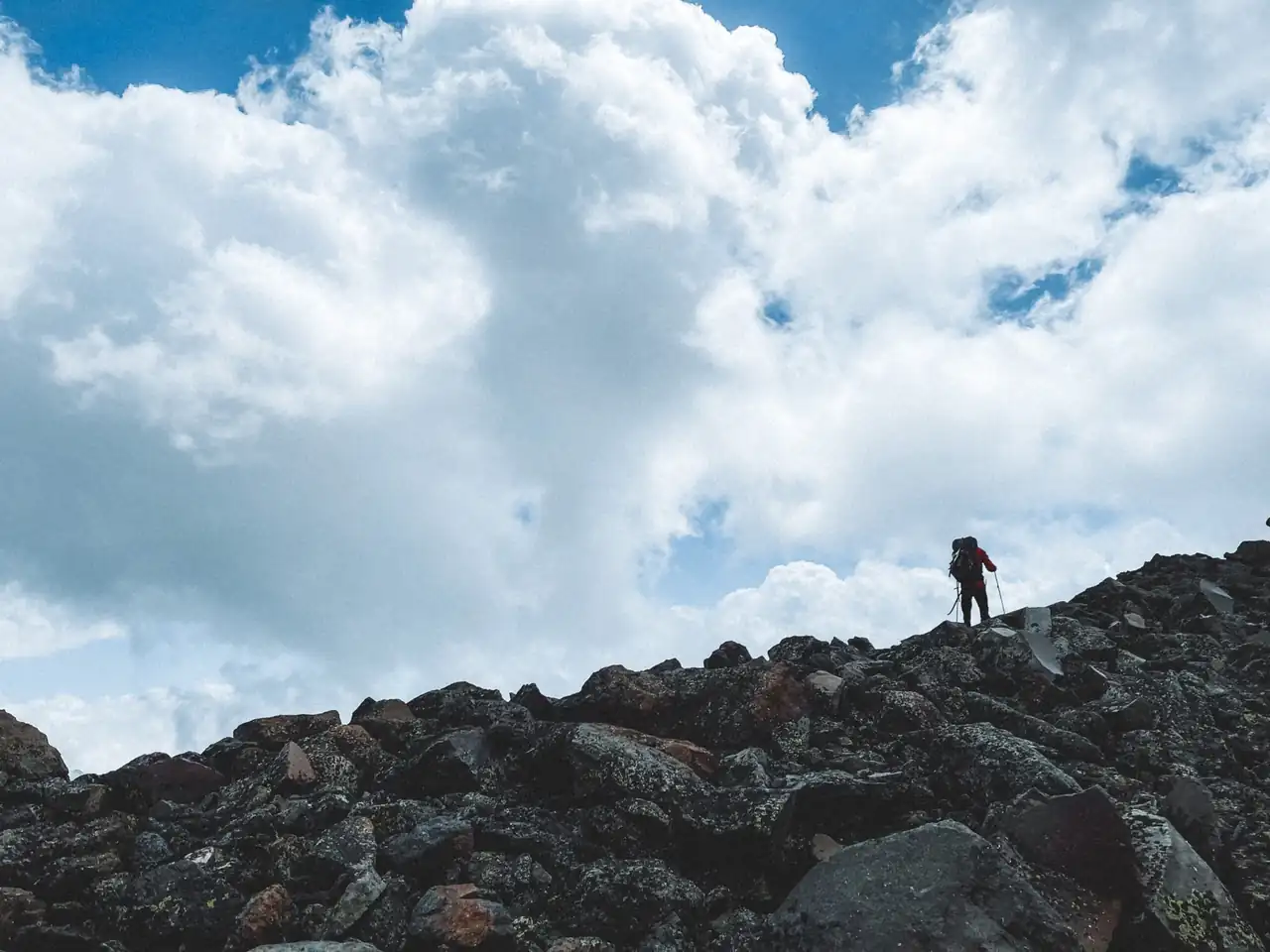
The Salomon X Ultra 5 Mid GTX is a mid-cut hiking boot with a Gore-Tex membrane, designed for walking on varied trails and mountain terrain without the bulk of a traditional heavy boot. It combines protection from water, coverage around the ankle and a relatively agile build for day hikes and trips with a light pack.
For runners, the distinction matters: this is not a trail running shoe. It can work on outings that combine long walks with climbs over uneven ground, but its collar, weight and construction are better suited to hiking than sustained running. Laboratory measurements help clarify its strengths and limitations.
Weight and construction: a light boot, not a running shoe
In published laboratory tests, one boot weighed 437 grams, compared with an average of 517 grams for the boots measured. That figure is for one boot, not a pair, and can vary by size and version. As a guide, a specification for the model puts the men’s version at around 454 grams per boot and the women’s at approximately 397 grams.
The difference compared with heavier boots may become noticeable over a long day of walking, particularly when lifting the foot on climbs and natural steps. Even so, the weight should be considered alongside what the boot provides: a collar around the ankle, upper protection and a waterproof membrane.
Its profile suits outings on tracks, rocky paths and moderate mountain terrain. With a light pack, its combination of mobility and coverage may be more practical than a stiff, bulky boot. On trips with a substantial load or particularly demanding terrain, the additional support and protection of more robust footwear may matter more.
Cushioning and flexibility underfoot
Laboratory measurements put the sole at 32.5 millimetres at the heel and 19.8 millimetres at the forefoot. The difference between those points, known as the measured drop, was 12.7 millimetres; the published specification for the model is 11 millimetres. Both figures describe the height difference between heel and forefoot, although the result can vary with the measurement method.
The midsole recorded a hardness of 54.7 AC against an average of 45.9 AC, suggesting a firmer base than the boots in that comparison. Firmness alone does not establish whether the footwear will be comfortable on a long hike: fit, terrain, load and personal preference also play a part.
In the flexibility test, 20.7 newtons were needed to bend the boot, compared with an average of 28.3. This suggests less resistance to bending than in other boots measured, which can help the footwear follow the foot’s movement while walking. It does not, however, make it as flexible or light as a racing shoe.
Gore-Tex: water protection and the trade-off in heat
The Gore-Tex membrane is designed to keep water out through the protected construction while allowing some water vapour from the foot to escape. That can be useful in wet grass, rain or on damp trails, where a shoe without a membrane may become soaked more readily.
The protection does not make the boot a sealed container: water can enter through the top if it rises above the collar or runs down the leg. Once inside, moisture may take time to escape. In the laboratory, breathability scored 39 BR against an average of 46 BR, a lower result than that of the boots compared.
That balance matters in a Mediterranean climate. On a cool hike after rain, the membrane offers a clear advantage; on a dry summer outing exposed to the sun, a more ventilated construction may be preferable. The choice also depends on the length of the activity and how much moisture the foot generates.
Trail grip and limits on wet ground
The outsole had laboratory-measured lugs 3.5 millimetres deep, compared with an average of 4.2 millimetres. Their depth suits versatile use on tracks and uneven ground, but does not suggest a particularly aggressive outsole for deep mud.
A single route can include compacted dirt, loose gravel and rock. Lug depth is only part of the equation: the rubber compound, surface and foot placement also affect grip. On wet rock or polished surfaces, lugs do not eliminate the risk of slipping.
For a route with extended sections of soft mud, an outsole with more pronounced lugs may be a better option. On compact tracks and dry trails, by contrast, a shallower tread avoids designing the whole sole around a condition that may occur only rarely.
Fit, sizing and ankle support
The measured width in the fit area was 93 millimetres, against an average of 94.2. This is a point of comparison, not enough to determine sizing or establish whether the boot will accommodate a wide foot. Toe shape, instep height and internal volume also affect fit.
On a long descent, toes need enough room to avoid hitting the front of the boot, while the heel should remain reasonably secure. When trying it on, wear the socks intended for the activity and walk on both level and sloping ground if the shop has a suitable surface. A fit that only feels secure when the laces are pulled excessively tight can create pressure during a hike.
The mid-cut collar surrounds the ankle and can provide a feeling of support and a barrier against rubbing or small pieces of debris. It does not immobilise the joint or guarantee protection from a sprain. Stability also depends on the terrain, fatigue and each person’s ability to move over uneven surfaces.
Fast hiking or trail running: where it fits best
The Salomon X Ultra 5 Mid GTX makes sense for someone who prioritises protected walking and runs only occasional sections. An approach on a track, a climb on foot and a technical descent can all be part of the same outing; in that context, the boot’s coverage may be more useful than saving every gram.
The picture changes for sustained trail runs. A dedicated running shoe generally has a construction geared more towards running and leaves the ankle freer. For frequent training on dry trails, the boot may add weight and warmth without its extra protection being needed for much of the route.
There is no single answer for mountain events that combine running and walking, either. Duration, elevation gain, ground conditions and each event’s mandatory equipment determine what footwear is appropriate. On routes with hard snow, ice or technical terrain, a general-purpose hiking boot is no substitute for equipment suited to those conditions.
What changes over a long day in the mountains
Distance does not tell the whole story of a hike. A short route with loose rock and steep descents can demand more of the feet than a longer one on a regular track. As the hours pass, fit and moisture management become as important as weight figures or lug depth.
For people who combine running and hiking, footwear can also serve different purposes within the same week: a trail running shoe for training and a waterproof boot for walking with a pack when conditions justify it. Each option shows its value on the terrain for which it was designed, rather than through a single figure on a specification sheet.
How we put this review together: we have not tested these shoes. We wrote it by reading published lab tests, brand information and runners’ opinions.
Este artículo contiene enlaces de afiliado: si compras a través de ellos, se genera una pequeña comisión sin coste adicional para ti. Más información.



How to prevent thigh chafing: causes and real solutions

Women’s running windbreakers: seven jackets and how to choose

Do more workouts get rid of soreness? A guide for runners

Jaén Half Marathon 2026: Record 3,800 Runners Registered

Men’s short running tights: how to choose the right pair

World Triathlon confirms data breach involving medical data

Izan Edo targets podium at Miyazaki World Cup

María Pérez ranks ninth in World Athletics’ 2026 top ten

Dos Santos, Duplantis and Sawe: World Athlete of the Year finalists

San Silvestre Vallecana 2026: 42,000 places, prices and start times

 Races3 months ago
Valencia Half Marathon 2027: date and registration

 Races3 months ago
Valencia Marathon 2026: entry, ballot and course

 Reviews and Comparisons4 months ago
Asics Gel-Roadmiles 3 for men: review and current price

 Reviews and Comparisons4 months ago
Asics Gel Sonoma 8 Gore-Tex: complete analysis for trail and rain

 Sneakers3 months ago
Saucony Endorphin Pro 4: full review and verdict

 News5 months ago
Strava API 2026: what changes for clubs, challenges and runner apps?

 Reviews and Comparisons5 months ago
Nike Alphafly 3: opinions, sensations, and real key points

 Reviews and Comparisons4 months ago
Under Armour running shoes review 2025-2026: models and key features

 Sports Equipment4 months ago
Shoe sizes in cm: a clear guide to getting the right fit for your footwear

 Sneakers3 months ago
Skechers GO RUN Consistent 2.0 analysis: comfort and limits

 News5 months ago
Valencia Marathon 2026 route: key tips to train and run better

 Sneakers4 months ago
Adidas Adizero Boston 13 for men: review and verdict