Reviews and Comparisons
Shoe brands for plantar fasciitis: guide and tips for 2026
What should effective footwear have, which brands stand out, and how to choose correctly based on use, foot type, and level of pain.

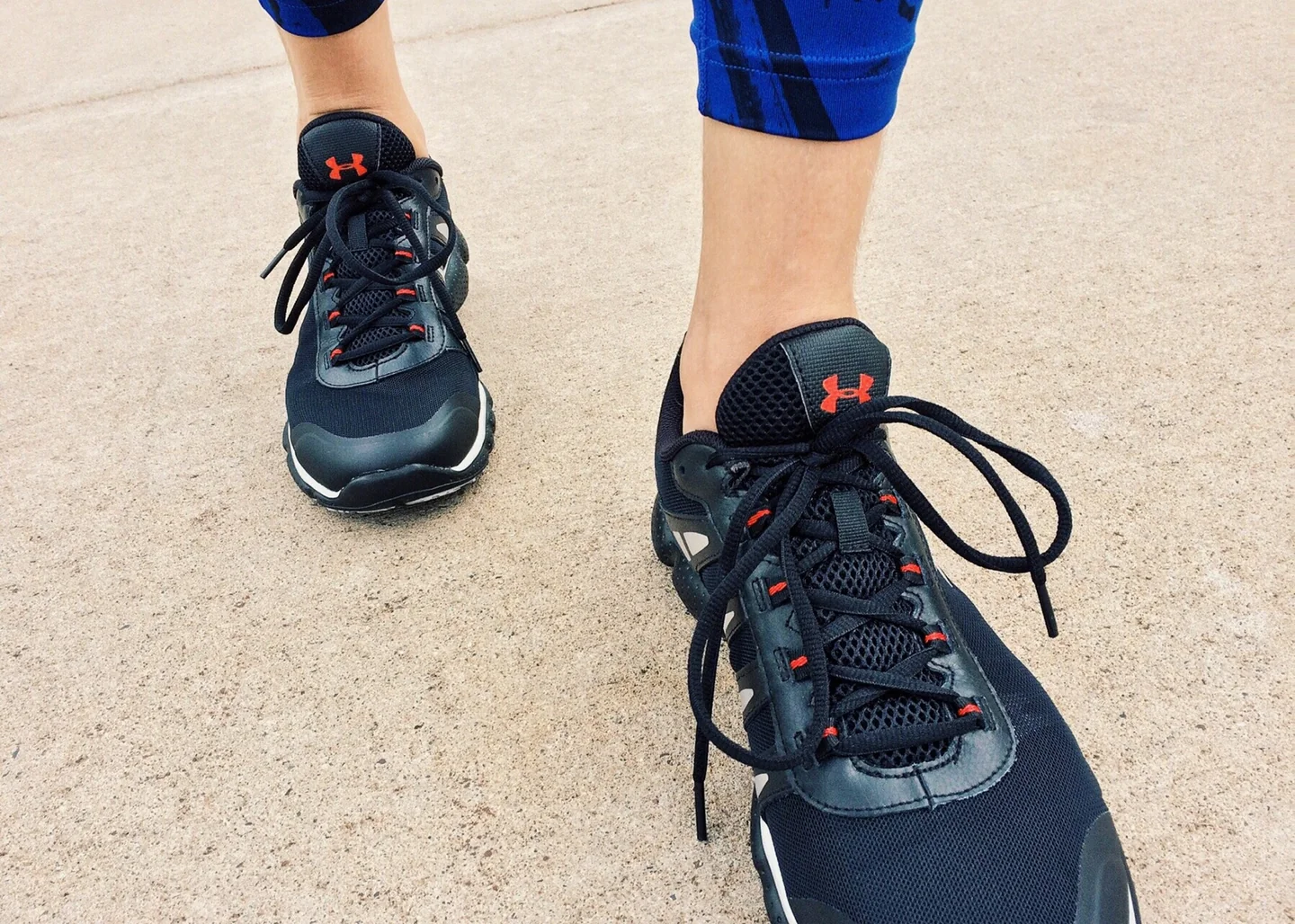
Heel pain does not usually forgive haste, and the wrong footwear makes it worse with an almost mechanical speed. In today’s market, the brands that best respond to plantar fasciitis share the same logic: wide base, generous cushioning, well-secured heel, and enough room in the toe box. The goal is not to chase the softest or most bulky shoe, but the one that distributes the load better and reduces repeated stress on the plantar fascia.
Among the brands that most often appear in searches and technical recommendations are Brooks, Hoka, ASICS, New Balance, Saucony, Skechers, ECCO, Dansko, Aetrex, OluKai, and Vionic. Some stand out for stability, others for the immediate feeling of relief under the heel, and several are notable for offering wide lasts or removable insoles. For walking, running, or spending hours on your feet, those differences matter more than color or current trends.
What a foot with plantar fasciitis really looks for
Plantar fasciitis often hurts more when taking the first steps in the morning or after sitting for a while. That pattern is no coincidence: the fascia, a band of tissue that acts as support for the arch, becomes irritated and reacts poorly to repeated impact. That is why the right footwear not only accompanies the foot, but cushions the transition between the ground and the foot with stable and predictable behavior.
The brands that handle this problem best usually focus on four ideas: shock absorption, arch support, heel hold, and a stable platform. When those pieces fit together, the foot stops fighting every step. A good model does not eliminate the cause on its own, but it can reduce pressure on the most sensitive area and prevent pain from being fueled by unstable support.
In practice, that explains why so many people end up looking at running brands even if they are not going to run. Shoes designed for brisk walking, spending many hours standing, or doing easy runs usually incorporate more developed foams, wide bases, and geometries that take some load off the heel. It is not magic; it is engineering applied to support.
The brands that most often get it right
Brooks has built much of its reputation on stability and motion control. Models like the Adrenaline GTS or Glycerin GTS are common in specialized lists because they combine lateral support, consistent cushioning, and a transition that does not feel abrupt. Their value lies in that sense of a well-positioned foot, as if the heel found an invisible handrail.
Hoka plays a different game: lots of foam, wide bases, and a very obvious protective sensation underfoot. Bondi and Gaviota have become reference points for people who spend many hours walking or standing, and also for runners looking to reduce impact without giving up a comfortable stride. Their elevated profile does not always convince everyone, but when it fits, the relief is immediate.
ASICS maintains a very useful balance between stability, support, and everyday use. Gel-Kayano and GT-2000 are recurring names because they combine pronation support with a platform that does not sink too much. In plantar fasciitis, that translates into less rearfoot wobble and more order in the stride, two factors that are usually appreciated by those who feel heel strain from the very start of the day.
New Balance stands out for the width of its lasts and the versatility of its foams. The 1080 series and maximalist models like the Fresh Foam X More are interesting for walking or long days, while other classic families in the brand offer a more restrained structure. Its great editorial and practical advantage is clear: there is often more real room for wide feet, insoles, and high insteps.
Saucony brings lightness without completely giving up protection. Triumph is one of the most frequently cited names when looking for a comfortable shoe for walking or easy training, with a feeling of abundant cushioning and smooth transition. It is not always the firmest, but it is one of those that best combines comfort with a less bulky feel than other rivals in the maximalist segment.
Skechers frequently appears in everyday wear and urban walking. Its Arch Fit lines, for example, are associated with arch support and a comfortable feel for walking for long periods. For those who need something less sporty and more home-like or casual, the brand usually offers easy-on models, flexibility, and enough padding to avoid stressing the heel.
ECCO, Dansko, Aetrex, and OluKai cover a different territory, closer to urban comfort, workwear, or recovery. ECCO usually handles the combination of durability and comfort well; Dansko is very visible in professional environments where people spend all day on their feet; Aetrex focuses on anatomy and arch support; and OluKai has gained ground in sandals and casual footwear with better support than average. For summer, rest, or everyday use, there are serious options there.
Models that usually fit best depending on the use
For walking a lot or standing for hours, stability is usually the priority over speed. In that scenario, Hoka Bondi, Brooks Glycerin GTS, ASICS Gel-Kayano, New Balance Fresh Foam X More, and, for some profiles, Skechers Arch Fit stand out. These are models designed to absorb the repeated punishment of hard surfaces better, something key on pavement, in shopping centers, on-the-floor work, or days with little rest.
When the intention is running, the emphasis changes, but not the basis of the problem. What still matters is protecting the heel and keeping the stride orderly. Brooks Adrenaline GTS, ASICS Gel-Kayano, ASICS GT-2000, New Balance 1080, and Saucony Triumph are recurring names because they combine enough cushioning with a sense of control that does not disrupt the stride when picking up the pace or accumulating easy miles.
In cases of wide feet, size and last availability matter as much as foam. Hoka Gaviota, several wide versions from Brooks and New Balance, and some ECCO or Aetrex models are especially useful because they reduce compression in the forefoot and let the toes spread naturally. That detail, small in appearance, can completely change tolerance for prolonged use.
There is also a less flashy but very practical category: recovery footwear, slip-ons, and sandals with real support. OluKai, Aetrex, Dansko, ECCO, and certain Skechers designs can be more comfortable at home, for short errands, or to alternate with more technical running shoes. They are not the universal solution, but they are a useful part of the rotation.
What separates a good brand from an average purchase
Cushioning matters, but not just any softness will do. An excessively soft mattress can sink too much and make the foot work unstably; an overly firm foam, on the other hand, transmits the impact almost unfiltered. The brands that best solve plantar fasciitis usually aim for a middle ground: pleasant feel, but with enough structure so that support does not get out of hand.
The heel deserves special attention. A firm heel counter helps keep the rearfoot from shifting side to side, while a wide base adds confidence with every ground contact. If the heel moves around inside the shoe, the fascia works harder than it should. And if the toe box squeezes, the foot compensates where it should not. The result, all too often, is the same: more tension in the sole.
Arch support also deserves to be understood without slogans. Not everyone needs the same amount of support, but those with flat feet, marked pronation, or a feeling of inward collapse often benefit from more guided structures. Brands with stability models usually handle this better than neutral lines, although there are exceptions. The key lies in the combination of geometry, foam, and fit, not in a single marketing label.
Drop, the difference in height between heel and forefoot, also matters. A medium or slightly high value is often kinder for many people with heel pain, because it unloads part of the posterior chain. It is not a universal rule, but it is a useful reference when the fascia protests while walking. In practice, drops of around 8 to 10 mm appear frequently in models that work well in this context.
The brands that usually help less
Pure minimalism and barefoot shoes are usually not the first option when the fascia is irritated. Their logic runs opposite to that of a painful heel: little protection, little structure, and very little external help. On a healthy foot they can make sense for certain uses or transitions, but in a painful phase they often add more load than they take away.
It is also worth being wary of very old, deformed, or worn-out shoes. Worn shoes lose stability, cushioning, and responsiveness, exactly the three things most needed when this discomfort appears. Sometimes the problem is not the brand, but the actual condition of the pair that already has too many miles on it.
Flat shoes without support, narrow toe boxes, and high heels are still a bad combination. And although some sandals offer seasonal relief, the flattest or stiffest ones can stress the heel quickly. Summer should not become a sentence for the feet; hence the growth of brands that design sandals with arch support and real anatomical contouring.
How to read a label without getting carried away by marketing
Brands talk a lot about comfort, but the foot notices other things. It is worth checking whether the model has a removable insole, whether a wide version exists, whether the base seems stable when placed on the ground, and whether the heel is actually held securely. These are simple signs, but more reliable than any technical name without context.
It also helps to think about the specific use. Someone working long hours in a clinic does not need the same shoe as someone walking on asphalt, running three days a week, or looking for something for home. Serious brands usually have a family for each case, even if the marketing language sometimes mixes everything together. The right question is not just which brand is best, but which model within that brand fits real everyday life.
For runners, the transition should be cautious. A more supportive model does not replace rest, load progression, or technique review. Footwear helps, but it does not erase an inflammatory problem on its own. That truth, less flashy than a catalog headline, is what prevents false expectations.
A useful editorial criterion to avoid mistakes
If a brand offers width, stability, and well-structured cushioning, it is already in the right conversation. Brooks, Hoka, ASICS, New Balance, and Saucony usually rank highly because they have built entire categories around those ideas. Skechers, ECCO, Dansko, Aetrex, and OluKai complete the map for those who prioritize urban comfort, work use, or more relaxed formats.
The final decision should come from the foot, not the logo. Some heels appreciate a high foam stack and others prefer a more restrained platform; some wide feet need space and others ask for a tighter hold. In that diversity lies the reason there is no universally perfect brand, although there are several that usually respond better than average.
The best purchase does not always look the most eye-catching in the display. Often it is the one that, after walking for a few minutes, stops being noticed. That silence from the foot, when support stops hurting, is often the best argument in favor of a well-chosen brand. And that is when footwear stops being an accessory and becomes part of the everyday solution.
A useful purchase starts with what the foot can tolerate, not with fashion
The brands that work best for plantar fasciitis do not promise miracles; they offer a kinder base for moving without making the condition worse. Brooks and ASICS stand out in stability, Hoka in cushioning and platform, New Balance in width and versatility, Saucony in lightweight protection, and Skechers, ECCO, Dansko, Aetrex, and OluKai in more everyday or recovery-oriented uses. That diversity is not a problem; it is precisely the useful news.
Choosing well is a fine-tuning task: wide foot or narrow, walking or running, standing work or home use, need for an insole or not. The right brand will be the one that fits that personal map and reduces friction with every step. When that happens, pain stops calling the shots so much and movement regains some naturalness, which is ultimately what matters.
In a market saturated with adjectives, the real difference is still in the outsole, the heel, and the internal geometry. That is where it is decided whether a shoe accompanies the foot or forces it to endure. And for someone living with plantar fasciitis, that distance is not small: it can be the line between going out for a walk cautiously or coming home counting every step.
Este artículo contiene enlaces de afiliado: si compras a través de ellos, se genera una pequeña comisión sin coste adicional para ti. Más información.



How to prevent thigh chafing: causes and real solutions

Women’s running windbreakers: seven jackets and how to choose

Do more workouts get rid of soreness? A guide for runners

Jaén Half Marathon 2026: Record 3,800 Runners Registered

Men’s short running tights: how to choose the right pair

World Triathlon confirms data breach involving medical data

Izan Edo targets podium at Miyazaki World Cup

María Pérez ranks ninth in World Athletics’ 2026 top ten

Dos Santos, Duplantis and Sawe: World Athlete of the Year finalists

San Silvestre Vallecana 2026: 42,000 places, prices and start times

 Races3 months ago
Valencia Half Marathon 2027: date and registration

 Races3 months ago
Valencia Marathon 2026: entry, ballot and course

 Reviews and Comparisons4 months ago
Asics Gel-Roadmiles 3 for men: review and current price

 Reviews and Comparisons4 months ago
Asics Gel Sonoma 8 Gore-Tex: complete analysis for trail and rain

 Sneakers3 months ago
Saucony Endorphin Pro 4: full review and verdict

 News5 months ago
Strava API 2026: what changes for clubs, challenges and runner apps?

 Reviews and Comparisons5 months ago
Nike Alphafly 3: opinions, sensations, and real key points

 Reviews and Comparisons4 months ago
Under Armour running shoes review 2025-2026: models and key features

 Sports Equipment4 months ago
Shoe sizes in cm: a clear guide to getting the right fit for your footwear

 Sneakers3 months ago
Skechers GO RUN Consistent 2.0 analysis: comfort and limits

 News5 months ago
Valencia Marathon 2026 route: key tips to train and run better

 Sneakers4 months ago
Adidas Adizero Boston 13 for men: review and verdict