Sneakers
Walking and running shoes: useful hybrids or a bad buy already
The key guide to getting it right with a single pair that’s comfortable, stable, and durable according to your stride, pace, and terrain.

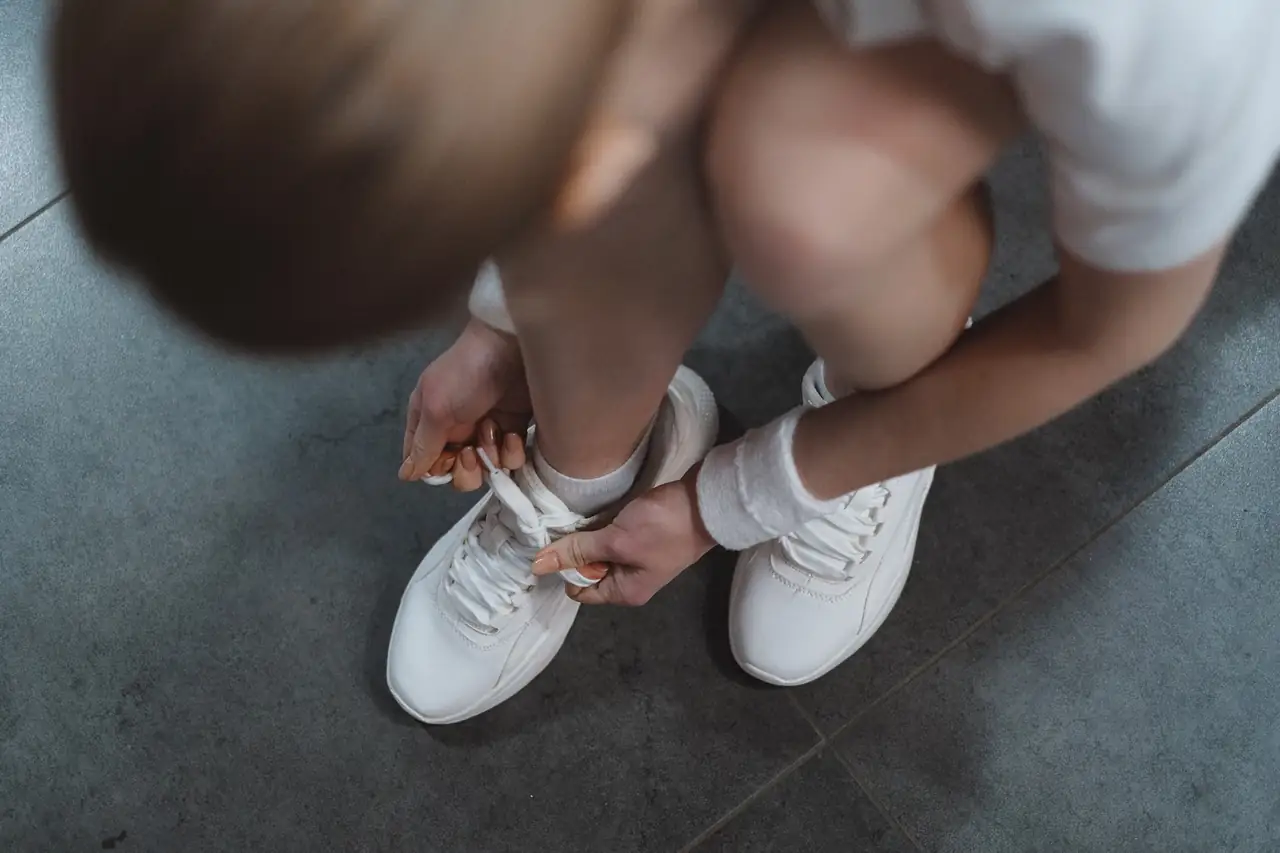
A good pair of sneakers can make the difference between adding steps naturally or ending up with tired feet after an hour. The ones that work for walking and running share the same base, but not all of them work the same way: cushioning, stability, fit and outsole all change, and those nuances matter more than they seem when use mixes long walks, daily commutes and the occasional easy jog.
The key is to look for a practical balance. For that hybrid use, models with good impact absorption, a stable base, enough flexibility in the heel-to-toe transition and a forefoot that doesn’t squeeze are the ones that make sense. The most sensible options usually come from daily training ranges, not from the most aggressive shoes or the ones meant to break records.
The real difference between walking and running, even if the shoes look alike
Walking and running don’t load the body in the same way. When walking, one foot is always in contact with the ground; when running, there’s an airborne phase and the force on each stride clearly increases. That difference explains why a shoe that feels comfortable for walking can fall short when the pace picks up, and also why a well-cushioned running model usually works just fine for lots of walking.
In practice, shoes designed for running usually offer more foam, more protection and a more elastic ride. That doesn’t mean they’re better for everything, because too much stack height or bounce can take away a sense of control when walking slowly or standing for long periods. Shoes made specifically for walking, on the other hand, are usually a bit firmer and sometimes less generous in foam volume, because they aim for stability and a smooth roll, almost like a discreet conveyor belt.
That’s why mixed use calls for a less extreme choice. If the goal is getting around the city, running errands, travelling, walking every day and adding short jogs, the meeting point is usually in daily training shoes with friendly cushioning. They’re the kind of footwear that handles changes of pace best without feeling clumsy or overly technical.
What a model needs to be valid for both uses
Comfort doesn’t depend only on the foam being soft. A shoe that works for walking and running needs a midsole that absorbs impact well, but without sinking too much. When the foam is too soft, the foot gets more tired during long periods of walking; when it’s too firm, ground contact feels harsh and the walk loses comfort. The middle ground, that grey area that’s so unphotogenic and so valuable, usually gives the best result.
Stack height also matters. A heel sitting between 30 and 40 mm usually offers enough protection to walk and jog comfortably, although there are higher models that work well if the base is wide and stable. The feeling of security doesn’t come only from height, but from how that foam is distributed and whether the shoe holds the foot well in the midfoot and heel.
Another decisive detail is forefoot flexibility. Walking requires the shoe to follow the natural movement of the stride, and easy running benefits from that even more. If the model bends fairly easily at the metatarsals and doesn’t impose excessive stiffness, the transition feels less artificial. By contrast, shoes with plates or very rigid structures tend to shine at faster paces, but they’re not always pleasant for everyday use.
Models that fit well when alternating walking and jogging
Among the most balanced options, daily training shoes with generous cushioning and a solid outsole stand out. The Hoka Clifton family, for example, has earned a very clear reputation for its combination of softness, generous base and a ride that doesn’t force you to fight the shoe. That kind of construction works well for both long walks and easy runs, especially for anyone who values comfort over snap.
In a similar profile you’ll find models like Brooks Adrenaline GTS, highly regarded when you want stability without stiffness. Their structure guides movement discreetly and helps maintain a more controlled stride, something useful for people who notice ankle fatigue or who prefer a secure platform for spending many hours on their feet. Brooks Glycerin GTS versions have also settled into that same space of generous comfort and extra support.
If absolute impact protection is the priority, New Balance Fresh Foam X More play in another league. Their large amount of foam really softens the blow from heel and forefoot, which is appreciated on long walks and recovery runs. In return, they’re bulkier and don’t have that agile feel of lower or lighter models, so it’s better to see them as a moving sofa, not a fast shoe.
For wide feet or delicate insteps, Altra offers a different take. Their approach usually gives more room in the forefoot and a geometry that lets the toes move better. That helps on long walks, because the foot isn’t boxed in, and it also works well for easy jogs if the runner feels comfortable with a less restrictive fit. The trade-off is that some models, because of their structure and outsole durability, call for a more careful use.
Anyone watching the budget without wanting to give up a decent feel can look at Nike Interact Run or similar mid-range alternatives. They’re models that don’t try to impress with gimmicks, but they do offer lightness, a reasonable fit and a sufficiently pleasant experience for walking and occasional running. They don’t always stand out for bounce or for a particularly durable outsole, though in urban use they usually perform solidly.
Stability, support and tired feet: the triangle you shouldn’t ignore
Stability is almost invisible when it’s well done. A good wide base, sidewalls that hold the midsole in place and a well-structured heel reduce unnecessary movement and make every landing feel cleaner. For walking, that translates into less wobble. For easy running, it avoids that feeling of being on a high platform that gets messy on impact.
People with overpronation, flat feet or a tendency to load the inside of the foot usually appreciate models with gentle guidance. There’s no need to resort to hard structures or aggressive corrections if the goal is everyday use. Today most brands have learned to provide support without turning the shoe into a brace, and that change is very noticeable on long commutes or days when the steps keep adding up.
You also need to look at the heel counter and midfoot hold. If the heel slips or the fit is too loose, comfort breaks down early and chafing appears. A well-padded collar, without too much bulk, usually does more for real comfort than a flashy design or a very aggressive profile. In a versatile shoe, the foot should feel guided, not trapped.
Breathability, heat and urban use: what changes with the season
Ventilation matters more in the city than many people think. Walking through a hot morning on asphalt, going up and down stairs, waiting at a station or chaining errands together turns the inside of the shoe into a small microclimate. If the upper isn’t very breathable, heat builds up and the experience gets sticky, even if the midsole is excellent.
Light meshes and technical fabrics usually work better in spring and summer, while more closed uppers or those with extra layers hold a bit more warmth, but offer a feeling of shelter and protection on cold or damp days. There’s no universal answer here: someone who sweats a lot will appreciate a ventilated shoe, while someone heading out early in winter may prefer a more closed construction.
The outsole also changes the experience. In the city, you want rubber that grips well on tile, wet asphalt and slippery crosswalks. In models like ASICS Gel-Nimbus or some Brooks shoes, the outsole compound offers very reliable traction, something that reduces uncertainty when the ground is wet. By contrast, an outsole designed only for lightness may wear down sooner or lose grip quickly.
Durability: the real cost of wearing them every day
Walking usually wears shoes down less than running, but it doesn’t spare weak ones. The midsole eventually compresses over time and the outsole gets polished away, especially at the heel and forefoot. A quality model can comfortably go around 800 kilometers in running, and if it’s used mainly for walking that margin can grow quite a bit, even if the fresh feel is no longer the same as on day one.
Materials matter a lot. Premium foams offer more energy return, but sometimes age worse; standard foams may be less impressive in feel, though they stand up better over time. Adidas Ultraboost 5X, for example, stands out for very solid wear resistance in the outsole and contact areas, which makes it a robust option for anyone who wants a durable pair that’s also comfortable for everyday use.
The problem of durability is rarely visible at the start. A shoe can look untouched on the outside and yet have already lost cushioning capacity. When the foam is tired, the legs notice it before the eye does. That feeling of early fatigue, heavy feet or a less elastic landing is usually the first sign that the pair is no longer performing like it used to.
What to avoid if the use will be mixed
Not all trendy technologies help you walk better. Carbon plates, so effective in competition, can make the stride too demanding for a long walk or a normal day. Their job is to maximize efficiency at high speeds, not to provide a friendly platform for everyday use. In mixed use, they usually get in the way more than they help.
It’s also worth being cautious with extremely soft and responsive PEBA foams. They’re fantastic for racing or demanding sessions, but for lots of walking they can feel too unstable or strange if they don’t have a wide base to support them. Very advanced foam makes sense when speed is the goal; for normal life, balance usually wins by a mile.
Very pronounced rockers deserve a patient test. The curved geometry of the sole helps roll the stride and can ease forefoot, plantar fasciitis or Achilles tendon discomfort in some cases. But it also changes mechanics and not everyone adapts easily. If you want one single pair for occasional walking and running, a mild rocker is usually more sensible than a very aggressive one.
Fit, last width and small details that change a lot
The right fit is worth more than any spec sheet. A shoe can have good foam, a good outsole and a good reputation, but if it squeezes the toe box or leaves the heel loose, real-world use suffers. Ideally, the toes should have room to move, without the foot sliding forward on descents or in the last miles of a long walk.
The shape of the forefoot matters as much as the length. Some lasts are more rounded, others narrower and others almost square in the forefoot, designed to let the toes do their work. People with bunions or bulky feet usually appreciate a roomy toe box and a bit of internal height; those with narrow feet may prefer a more snug cut to avoid side-to-side movement.
Laces, tongue and collar padding matter more than they seem. A simple but firm lacing system, a tongue that doesn’t shift and padding that doesn’t rub can turn a decent model into an excellent one for everyday use. They’re small details, almost domestic ones, but on a 12,000-step day they become as noticeable as a stone in your shoe.
What kind of user usually gets it right with one pair
The best candidate for a hybrid model is someone who combines daily steps and easy jogging without obsessing over pace. That profile doesn’t need a radical shoe, but a reliable companion that can handle the background work: going to work, walking, travelling, training lightly and repeating it the next day without the foot complaining. Versatility matters more than specialization.
It also suits people who spend many hours on their feet, because a well-chosen running shoe offers more cushioning and relief than many conventional walking options. In that context, models like ASICS Gel-Cumulus, Hoka Clifton, Brooks Glycerin GTS or Puma Velocity Nitro work as common ground between comfort, support and urban use. They’re not all the same, but they do share a useful philosophy for the street and for easy jogging.
If the terrain changes a lot, the criteria change too. For asphalt and city streets, cushioning, stability and a durable outsole matter most. For parks, compact paths or gentle trails, traction becomes more important and a light trail shoe may make more sense. In that case, Salomon Ultra Flow 2 or similar models offer more security underfoot without falling into the stiffness of a boot.
The sensible choice when the goal is comfort, not showing off
The ideal shoe for walking and running is usually not the flashiest one, but the one that disappears on the foot. That’s the real sign of a good choice: that it doesn’t bother you, that you don’t have to think about it with every step and that it responds naturally both to a relaxed walk and to an easy jog at the end of the afternoon. Sometimes the best technology is the one you notice the least.
Anyone looking for a single pair should prioritize balanced cushioning, a stable base, secure fit, reliable outsole and enough ventilation. With that combination, most everyday urban and sports uses are covered. The rest, the brand, the color or the trend of the moment, ends up being a secondary decoration compared with the real question: how does the foot feel after several hours?
In a market full of huge midsoles, plates and acronyms, the smartest choice is still the same as always. Try them on, walk, move a little, notice where they pinch and where there’s too much space. That’s where the useful answer is, the one that avoids disappointing purchases and lets a pair of shoes truly do what they promise: keep up with the normal rhythm of life without fighting it.
Este artículo contiene enlaces de afiliado: si compras a través de ellos, se genera una pequeña comisión sin coste adicional para ti. Más información.



How to prevent thigh chafing: causes and real solutions

Women’s running windbreakers: seven jackets and how to choose

Do more workouts get rid of soreness? A guide for runners

Jaén Half Marathon 2026: Record 3,800 Runners Registered

Men’s short running tights: how to choose the right pair

World Triathlon confirms data breach involving medical data

Izan Edo targets podium at Miyazaki World Cup

María Pérez ranks ninth in World Athletics’ 2026 top ten

Dos Santos, Duplantis and Sawe: World Athlete of the Year finalists

San Silvestre Vallecana 2026: 42,000 places, prices and start times

 Races3 months ago
Valencia Half Marathon 2027: date and registration

 Races3 months ago
Valencia Marathon 2026: entry, ballot and course

 Reviews and Comparisons4 months ago
Asics Gel-Roadmiles 3 for men: review and current price

 Reviews and Comparisons4 months ago
Asics Gel Sonoma 8 Gore-Tex: complete analysis for trail and rain

 Sneakers3 months ago
Saucony Endorphin Pro 4: full review and verdict

 News5 months ago
Strava API 2026: what changes for clubs, challenges and runner apps?

 Reviews and Comparisons5 months ago
Nike Alphafly 3: opinions, sensations, and real key points

 Reviews and Comparisons4 months ago
Under Armour running shoes review 2025-2026: models and key features

 Sports Equipment4 months ago
Shoe sizes in cm: a clear guide to getting the right fit for your footwear

 Sneakers3 months ago
Skechers GO RUN Consistent 2.0 analysis: comfort and limits

 News5 months ago
Valencia Marathon 2026 route: key tips to train and run better

 Sneakers4 months ago
Adidas Adizero Boston 13 for men: review and verdict