Reviews and Comparisons
Which running shoes should I buy for my needs
A practical guide to choosing running shoes based on how you run, where you run and how you will use them.

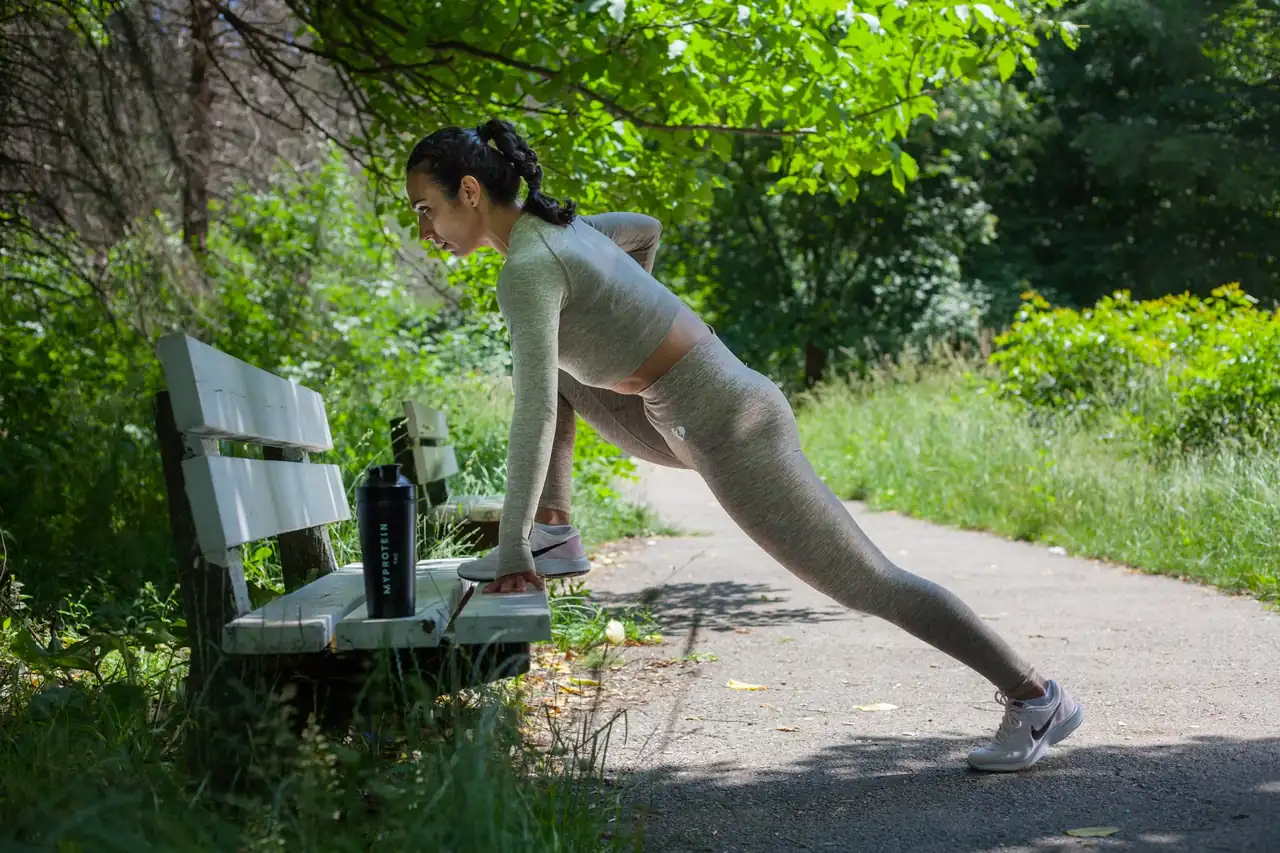
Choosing running shoes is not about picking the most expensive model, the pair worn by a professional athlete or the one that appears most often on social media. The right purchase comes from a more specific combination: terrain, distance, pace, fit and comfort during your training. An excellent shoe for one runner may feel uncomfortable, unstable or excessive for another.
For most recreational runners, the most sensible option is usually a daily road trainer with enough cushioning, stable support and room for the toes to move. A quality running shoe generally costs around 100 to 180 euros, although sales often make reliable models cheaper. Technology helps, but it cannot replace a proper fit.
The first decision: where and why you run
The ground affects your choice more than the brand. Road shoes are designed for roads, pavements, cycle lanes and paved parks. They usually have a relatively smooth outsole, a flexible midsole and a controlled weight. They work well when the surface is regular and deep lugs are not needed for grip.
Trail running requires a different response. Paths with rocks, roots, loose soil or mud call for an outsole with lugs and greater protection, as well as a construction able to withstand impacts and abrasion. For easy gravel paths, a hybrid model may be enough, but a road shoe will not provide the grip or protection required on technical ground. The issue is not that trail shoes are heavier; it is using them outside their purpose.
The role of the shoe also matters. A daily trainer must tolerate many kilometres and respond predictably, even when the legs are tired. A tempo model may be lighter and firmer for intervals or pace changes. Racing shoes, especially carbon-plated models, prioritise speed and efficiency, but they are not always the most logical purchase for easy runs.
What type of shoe suits each runner
Beginners often benefit from a neutral, comfortable and sufficiently cushioned shoe, not necessarily the softest or most sophisticated option. The priority is keeping the foot secure, preventing heel movement and allowing a natural stride. A stable platform and durable outsole are often more useful than extreme foam or a rigid plate.
Runners who accumulate many weekly kilometres may prefer a midsole with more protection and geometry that makes transitions easier. During long runs, the foot can swell and occupy more space, so a generous toe box becomes especially important. This does not mean buying a huge size; it means avoiding compression when the toes reach the end of the run.
For fast sessions, a light and responsive shoe can make pace changes feel smoother. That does not mean it must be uncomfortable or minimal. Some fast trainers offer enough cushioning for frequent use, while others are better reserved for racing. The choice depends on experience, training volume and the runner’s ability to control a more demanding platform.
Cushioning, stability and underfoot feel
Cushioning describes how the midsole deforms and manages part of the forces created during the stride. It is often presented as decisive, but quantity alone does not determine quality. Very soft foam may feel pleasant when walking and imprecise when turning; firm foam can offer more control and less sinking.
The best reference is how the shoe feels while running. The foot should land without harsh impact, but the shoe should not twist or sink unevenly. Comfort and stability need to coexist: a wide platform, a secure heel and a midsole that does not deform excessively often create confidence during the final kilometres.
Stability shoes use geometry, sidewalls or guidance elements that may help control certain movements. However, outsole wear or a simple home test cannot diagnose a need for support. Pronation is a normal foot movement and does not automatically need correction. Persistent pain, repeated injuries or clinical advice should guide this decision with a healthcare professional.
Drop changes load, but it does not define the shoe
Drop is the height difference between the heel and forefoot. Current models range from nearly zero to approximately 12 or 14 millimetres. A higher drop often provides a familiar transition for heel strikers and may immediately reduce the demand on the Achilles tendon and calves. A lower drop offers a closer-to-the-ground feel, although it increases the demand on the rear of the lower leg.
There is no universally correct drop. What matters is the transition between the new shoe and the one already used. Moving suddenly from a 10-millimetre model to a 4-millimetre one can change muscular load even if the shoe feels comfortable during a short test. Changes in geometry should be gradual, with short sessions and attention to the calves, soleus, ankles and feet.
The fit a running shoe should have
Fit testing starts before tying the laces. While standing, the heel should be supported and the toes should be able to extend without touching the front. Leave approximately 8 to 12 millimetres between the longest toe and the toe box. This space should not be confused with a loose fit: the midfoot must remain secure and the heel should not lift while walking or running.
Width matters as much as length. The little toe should not be crushed against the side and the big toe needs room to align during support. If the upper forms loose pockets, the last may be too wide; if it stretches across the metatarsals, there may not be enough volume. Brands use different lasts, so a size 42 does not guarantee the same fit in every model.
Try shoes with the socks and, if used, the usual insoles. Do it preferably in the afternoon or after walking for a while, when the foot often has slightly more volume. Walking is not enough: jog for a few minutes, use stairs and make several turns. The right shoe disappears during the run; it does not make you reposition your toes or loosen the laces every few minutes.
The outsole should match the terrain
On asphalt, continuous and durable rubber encourages a uniform transition. In urban parks and compact paths, moderate tread can help, especially in wet conditions. Grip does not depend only on the pattern: the rubber compound, contact area and the midsole’s ability to remain stable also matter.
On trails, lug depth helps guide the choice, although it is not the only factor. Lugs of about 2 or 3 millimetres can work well on dry tracks and firm paths; mud and loose terrain usually benefit from deeper lugs. A reinforced toe protects against stones, while a rock plate can improve security on rough ground, although it adds stiffness and weight.
Waterproof shoes are useful in persistent rain, snow or wet grass, but membranes usually reduce ventilation and increase weight. In warm climates, breathable fabric may be more practical than a waterproof barrier. Water entering through the collar will not disappear simply because the shoe has a membrane.
When a carbon plate makes sense
Carbon plates and high-return foams have transformed racing shoes. They usually combine a tall, light and responsive midsole with a plate that guides the transition forward. In distances such as 10 kilometres, half marathons and marathons, they may improve running economy for some athletes, but they require adaptation and technique that not every runner needs.
For four moderate runs a week, a super shoe may be poor value and less stable than a conventional model. It may also wear sooner, have a more delicate outsole and feel strange during slow runs. A plate cannot compensate for poor fit or turn an inefficient stride into a fast one. Its natural place is often racing or specific sessions, not necessarily every outing.
Price does not reveal quality on its own
A shoe’s price reflects materials, research, manufacturing, distribution and brand positioning. Premium ranges may offer lighter foams, plates, refined fabrics or higher-performance outsoles, but those advantages matter only when they match the intended use. A 140-euro shoe can be a better purchase than a 220-euro model if it fits better and lasts longer during training.
As a general guide, reliable entry-level models often cost between 80 and 120 euros at recommended retail price, daily trainers between 110 and 160, and advanced racing shoes above 200. The change of seasons allows runners to find previous-generation models with discounts of 20% to 40%. Buying the previous generation can be a smart decision when the last and midsole have barely changed.
Mistakes that make the purchase more expensive
Buying for colour or brand reputation means ignoring the most important issue: how the shoe behaves on your feet. It is also common to choose a model because a professional runner wears it. Their pace, weight, technique and weekly volume may have little in common with a recreational runner who runs three times a week.
Another frequent mistake is buying too small to feel more secure. The result can be blisters, black toenails, pressure on the instep or toe pain during long runs. The opposite extreme does not work either: an excessively large shoe lets the foot slide and increases friction. Support should come from the fit, not from tightening the laces until the instep is deformed.
Wearing new shoes for an important race is an unnecessary gamble. Even if the model feels comfortable at home, friction, heat and foot swelling behave differently after an hour of running. Use the shoes first for short sessions, check pressure points and save long distances for when you know how they respond.
How to know when they should be replaced
Service life depends on runner weight, surface, technique, outsole rubber and midsole materials. The usual reference range is between 500 and 800 kilometres, but it is not an expiry date. Some shoes lose their response earlier, while others remain usable for longer if wear is even.
Look for completely smooth outsole areas, deep wrinkles in the foam or a shoe that leans to one side when placed on a flat surface. Body feedback also matters: new discomfort in the feet, knees, calves or hips may coincide with a loss of shoe stability, although it does not prove that the shoe is the cause.
A sensible choice for every situation
For a beginner running on roads who wants one pair, the most balanced option is usually a neutral daily trainer with medium or high cushioning, an intermediate drop and a toe box that does not squeeze. Runners who do intervals and easy runs may combine that protective model with a lighter one. For occasional trail running, a hybrid shoe may be enough when paths are easy and dry.
Long-distance runners should consider interior volume, ventilation, stability under fatigue and outsole durability. Those focused on racing may value lightness and energy return, but should test the shoe during specific training first. The best purchase is the one that still works when the novelty disappears and only kilometres, sweat and repeated decisions remain.
Finding the right model becomes less mysterious once priorities are ordered. Start with terrain; then consider use; after that, fit, comfort and stability; finally, weight, drop, foam and price. Brands offer very different solutions within each category, but no label replaces a real test. Shoes should support the way you run, not impose a different way of running.
Este artículo contiene enlaces de afiliado: si compras a través de ellos, se genera una pequeña comisión sin coste adicional para ti. Más información.



How to prevent thigh chafing: causes and real solutions

Women’s running windbreakers: seven jackets and how to choose

Do more workouts get rid of soreness? A guide for runners

Jaén Half Marathon 2026: Record 3,800 Runners Registered

Men’s short running tights: how to choose the right pair

World Triathlon confirms data breach involving medical data

Izan Edo targets podium at Miyazaki World Cup

María Pérez ranks ninth in World Athletics’ 2026 top ten

Dos Santos, Duplantis and Sawe: World Athlete of the Year finalists

San Silvestre Vallecana 2026: 42,000 places, prices and start times

 Races4 months ago
Valencia Half Marathon 2027: date and registration

 Races4 months ago
Valencia Marathon 2026: entry, ballot and course

 Reviews and Comparisons4 months ago
Asics Gel-Roadmiles 3 for men: review and current price

 Reviews and Comparisons4 months ago
Asics Gel Sonoma 8 Gore-Tex: complete analysis for trail and rain

 Sneakers3 months ago
Saucony Endorphin Pro 4: full review and verdict

 News5 months ago
Strava API 2026: what changes for clubs, challenges and runner apps?

 Reviews and Comparisons5 months ago
Nike Alphafly 3: opinions, sensations, and real key points

 Reviews and Comparisons4 months ago
Under Armour running shoes review 2025-2026: models and key features

 Sports Equipment4 months ago
Shoe sizes in cm: a clear guide to getting the right fit for your footwear

 Sneakers3 months ago
Skechers GO RUN Consistent 2.0 analysis: comfort and limits

 News5 months ago
Valencia Marathon 2026 route: key tips to train and run better

 Sneakers4 months ago
Adidas Adizero Boston 13 for men: review and verdict