Reviews and Comparisons
Women’s Gore-Tex hiking boots: how to choose the ideal pair
Keys to choose reliable, comfortable, and durable footwear for routes, rain, and technical terrain, without buying blindly.

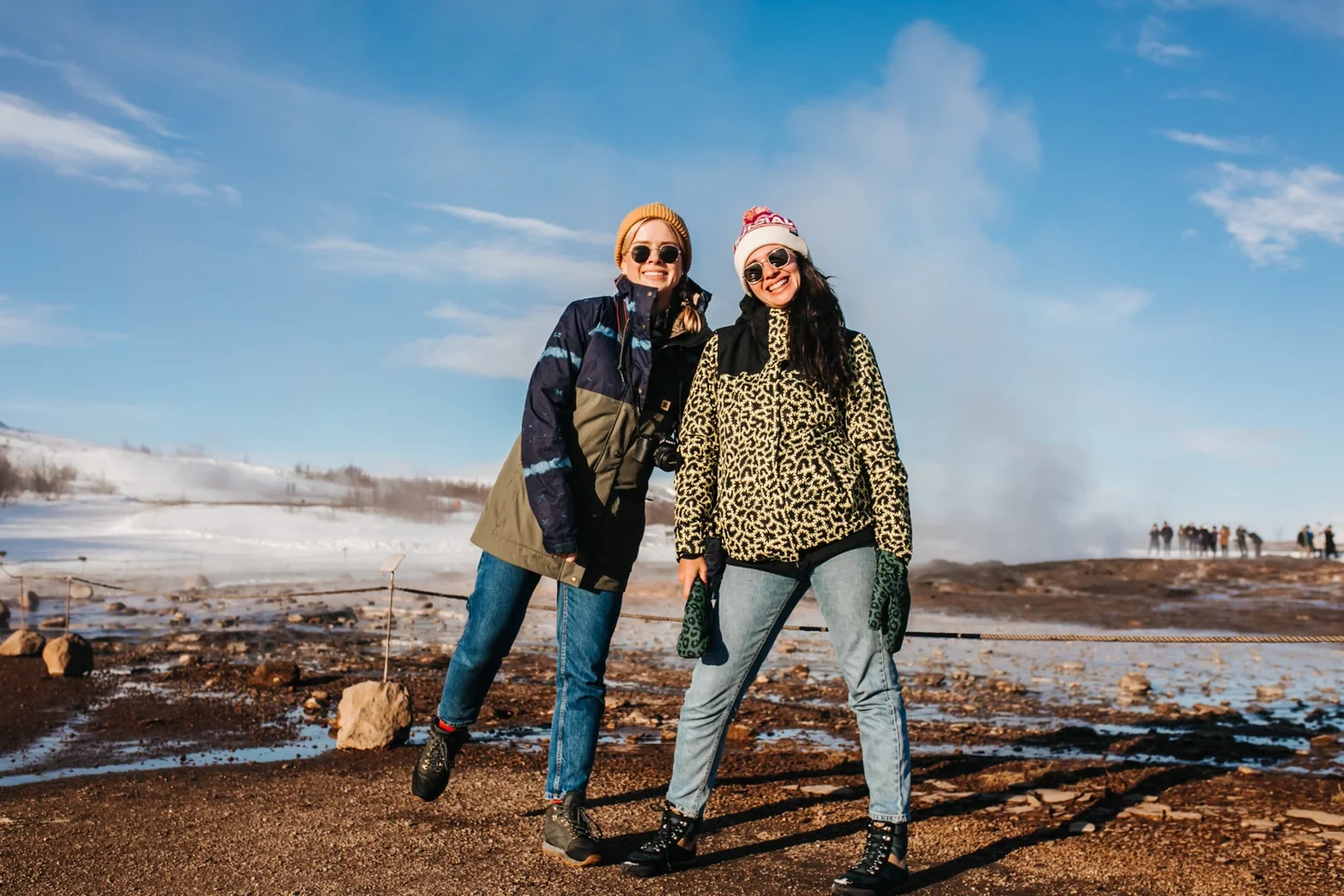
Women’s mountain boots with a Gore-Tex membrane have become a common choice for hiking, trekking, and mid-mountain routes because they combine three highly sought-after factors: protection against water, breathability, and foot support. In practice, that means walking with greater control on loose rocks, mud, or light rain without giving up a reasonably comfortable feeling for hours.
The current market ranges from low, lightweight models to more structured mid-cut boots, with prices in major specialist stores typically ranging roughly between 108.80 and 238 euros depending on materials, brand, and level of sturdiness. The difference is not just in the design: the sole, weight, chassis rigidity, and even the type of leather or mesh used in the upper all change.
Real protection for dry, wet, and technical routes
The Gore-Tex membrane acts as a barrier against water and, at the same time, allows some evacuation of internal vapor. This combination explains why this type of footwear remains at the center of the women’s mountain market. On an outing with damp ground, puddles, or intermittent rain, the foot does not depend solely on the outer material: the membrane adds a technical layer that makes a difference when the trail gets more difficult.
It is worth noting, however, not to confuse waterproofing with invulnerability. A boot can stop water from entering for quite a long time, but if it is submerged above the cuff, if the tongue does not seal well, or if the outer part becomes completely soaked, the experience changes. The advantage of Gore-Tex is that it offers solid protection in normal mountain use, including everything from forest paths to traverses with persistent rain or cold wind.
Breathability matters more than it may seem. In summer or on long ascents, the inside of the shoe generates heat and moisture. A model with a technical membrane helps limit the feeling of a trapped foot, although it is still essential to choose the sock thickness, size, and planned activity carefully. A waterproof boot does not by itself solve excessive heat if used for a very fast trek or on a warm day with lots of elevation gain.
Cuff height, weight, and sole: the combination that changes the stride
A low-cut cuff offers more lightness and flexibility, while mid-cut or high-cut boots add greater ankle support. That difference is key in the mountains. For regular trails, day routes, or quick movement, lower footwear may be enough. On the other hand, when the terrain becomes uneven, the backpack is heavier, or the pace is slower and more demanding, the mid-height structure provides an extra feeling of security.
The data on best-selling models shows this clearly. There are very lightweight options, around 250 or 335 grams in size 38, designed for those who prioritize agility, and others that rise to 500, 560, or even 665 grams, aimed at walking with more support and resistance. That number really matters when it is multiplied by thousands of steps. A difference of one hundred grams per foot seems small in the hand; on a long climb, it becomes a different conversation between body and terrain.
The sole completes the set. Models with Vibram or Michelin appear frequently because they seek grip, precision, and durability on varied surfaces. This is not a decorative detail: a firm sole can give more control on rock or compact earth, while a base that is too soft wears down its tread sooner and loses security on dry, rocky terrain. On routes with incline, tread and rigidity matter just as much as the upper itself.
Which materials repeat in the most reliable models
Leather still plays a central role in many women’s mountain boots. It provides resistance, some stability, and a gradual adaptation to the foot that many hikers like. In more classic-cut models, full leather or leather combined with a waterproof membrane offers a solid boot feel, the kind that conveys sturdiness from the first fit.
Ripstop mesh and technical fabrics, on the other hand, reduce weight and improve ventilation. A textile upper with reinforcements can be a good formula for frequent outings where the goal is to balance protection and lightness. In that space you find models such as the more agile and mixed-use ones, where the design feels more like modern mountain footwear than the stiff boots of earlier generations.
Toe and side protection also stands out. That reinforcement prevents impacts against stones, roots, or rock steps, a modest detail in appearance but decisive when the foot is tired and the stride becomes less precise. Real durability comes from well-placed small armors, not only from a famous membrane or a technical label.
Price ranges and what you buy at each level
The price range observed in specialist stores makes it easy to read the market. The most affordable boots are around 108.80 to 134.90 euros, with lightweight, versatile models suitable for general hiking. In this range, you usually find proposals with waterproof membranes, well-known soles, and materials reliable enough for regular use without entering highly technical tiers.
In a second band, between about 150 and 190 euros, buyers usually find a better balance of structure, comfort, and finishes. This is where many of the options that respond best to long routes, mid-mountain use, or frequent use over several seasons are concentrated. The jump is not just about brand: it shows in the fit, the quality of the reinforcement, and the sole’s behavior over time.
Above 200 euros you enter more robust models, with more carefully worked leather, a greater sense of precision, and, in some cases, fit or memory technologies. They are not always necessary for occasional users, but they do make sense for those who go to the mountains often, carry more weight, or want a boot that ages with dignity without losing shape or traction too soon.
Models that clearly explain the differences between them
Lowa Explorer GTX Mid Ws well represents the idea of a mid-cut boot for varied terrain. Its weight is around 485 grams in size 38 and it combines a Vibram sole with a leather lining and waterproof membrane. It is the kind of construction that inspires confidence on trails with loose rocks or sections where it helps to feel the ground without losing protection.
Millet G Trek 3 Goretex sits in a very interesting zone for those seeking balance. At about 500 grams in size 38, its mid-cut and certain flexibility make it suitable for Camino de Santiago-style days, mid-mountain outings, or steady-pace routes. It does not try to be the most aggressive or the lightest; its virtue lies in moderation.
Millet Wanaka GTX W moves into lightweight territory at only 365 grams in size 38. Its ripstop mesh and Michelin sole point to a more agile use, ideal for those who prefer less bulk on the foot without giving up waterproofing. It is a clear example of how mountain footwear has also become faster and lighter.
Millet Hike Up GTX W goes one step further in lightness, at just 250 grams in size 38. In this case, the reading is simple: maximum mobility, low cut, and a very clear orientation toward summer outings or excursions where the terrain does not require a high level of ankle support. It is a lightweight technical footwear option, not a boot meant to carry everything.
Aku Rocket DFS GTX and its Mid DFS GTX version are based on a very practical idea: versatility and fit. At about 335 or 365 grams in size 38, their flexible, grippy Vibram sole and double lacing allow the fit to be adapted to the terrain and the type of outing. In the mountains, that small margin of customization can save discomfort from the very first hour.
Lowa Renegade GTX Mid Ws remains a benchmark for mid-mountain routes and demanding treks such as the Camino de Santiago. At 520 grams in size 38, its balance of grip, flexibility, and fit places it in that category of boots that seem made to last through many seasons of moderate but constant use. It is no coincidence that it continues to appear among the most sought after.
Asolo Greenwood EVO GV ML and Asolo Drifter I GV EVO represent a more robust line. The first rises to 560 grams in size 38 and combines waterproof, breathable leather with a Vibram sole; the second drops to 490 grams and offers a very useful sense of security on long walks. These are boots for those who see the mountains as more than a stroll and need footwear that responds without weakness.
Meindl Caracas, Meindl Salerno GTX, and Meindl Borneo 2 MFS show the weight of comfort in the catalog. The Caracas, low-cut and fully leather, weighs around 395 grams in size 38; the Salerno GTX rises to 500 grams with a mid cut; the Borneo 2 MFS reaches about 630 grams and adds memory foam. Here the message changes: more structure, more stability, and a footwear feel that adapts with use, like a thick glove that stops fighting the foot.
Asolo Falcon EVO GV ML or Lowa Mauria GTX Mid Ws are aimed at those seeking support without falling into extreme rigidity. The Mauria, at 665 grams in size 38, is the heaviest in the known selection and that already hints at its character: precise fit, firm structure, and a stride that rewards stability over lightness. It is a reminder that chasing the lowest possible weight is not always the best idea.
How to read a technical sheet without getting lost in the jargon
The first datum worth attention is the intended use for which the boot is presented. It is not enough to read hiking or mountain. There are models designed for regular terrain, others for mid-mountain, and some for trekking with a loaded backpack. That distinction is often more useful than the product’s advertising because it anticipates real behavior on the move.
Then it is worth looking at the whole, not one single number. Weight, cuff height, sole, and outer material work together. A lightweight boot with lots of reinforcement may feel firmer than expected; a heavy boot with a good last can be surprisingly comfortable. The important thing is that the balance matches the planned outing, not an abstract idea of quality.
The final fit is usually decided by the last and the precision of the lacing. A well-positioned tongue, a secure heel, and enough space in the toe box prevent rubbing and toenail loss on long descents. The best technical boot is the one that disappears during the walk, not the one that forces you to think about it every kilometer.
The value of getting the size and usage moment right
Trying footwear on with the same type of sock that will be used on the route remains one of the most sensible rules. In the mountains, half a size up can change the descent experience; half a size down can condemn the toes to unnecessary rubbing. This is not a catalog whim: it is the difference between a smooth outing and a day of small discomforts that accumulate like gravel in the shoe.
Season also matters. In summer, a very closed boot may be too warm if the route is short and fast. In winter or during damp shoulder seasons, by contrast, a waterproof membrane and a somewhat more closed structure make a lot of sense. The same boot can seem perfect in April and too demanding in August. The mountain changes its voice depending on the temperature, and footwear should follow that change.
For long routes, upper fit and heel stability matter as much as aesthetics. A beautiful design does not compensate for a foot that moves around inside or a toe box that presses after two hours. In this product segment, useful comfort is what remains when the body starts to tire, not what impresses you when you take it out of the box.
What to prioritize depending on the type of outing
For easy trails and day hikes, a low boot or a lightweight mid-cut usually suffices if the terrain is not too harsh. That is where versatile, breathable models with good grip fit in, designed to move quickly without giving up insulation from moisture.
For mid-mountain, rocky terrain, or backpacking trips, the equation changes. Ankle stability, a more consistent sole, and greater side protection carry more weight in the decision. This is the natural territory of many mid-cut boots, which are neither as heavy as an alpine boot nor as soft as an approach shoe.
And for those who walk a lot, durability makes more of a difference than any label. A pair that keeps its grip, does not open seams, and remains comfortable after several months is worth more than an impulsive purchase based only on price. The mountains have a poor memory for shortcuts: they end up returning every construction detail in the form of comfort or discomfort.
A purchase measured in kilometers, not appearances
Choosing women’s Gore-Tex mountain boots means deciding how you want to walk the mountains for hours. The right equation is not universal: it depends on the terrain, the backpack weight, the season, and the pace of walking. Lightness is seductive, but support can save a day; waterproofing is reassuring, but a poor sole ruins confidence on rock or mud.
In today’s catalog there are solutions for almost every profile, from 250-gram models designed to move easily to boots of more than 600 grams designed to better withstand wear and load. The key is not to buy by intuition, but by compatibility with real use. That is the line between footwear that helps and footwear that gets in the way.
The mountain does not reward excess or passing trends. It rewards the right fit, honest grip, and construction that can handle rain, dust, and stone without losing shape. A good pair shows its value when the route gets longer and the terrain stops being friendly. There, precisely there, footwear stops being an accessory and becomes part of the body’s balance.
Este artículo contiene enlaces de afiliado: si compras a través de ellos, se genera una pequeña comisión sin coste adicional para ti. Más información.



How to prevent thigh chafing: causes and real solutions

Women’s running windbreakers: seven jackets and how to choose

Do more workouts get rid of soreness? A guide for runners

Jaén Half Marathon 2026: Record 3,800 Runners Registered

Men’s short running tights: how to choose the right pair

World Triathlon confirms data breach involving medical data

Izan Edo targets podium at Miyazaki World Cup

María Pérez ranks ninth in World Athletics’ 2026 top ten

Dos Santos, Duplantis and Sawe: World Athlete of the Year finalists

San Silvestre Vallecana 2026: 42,000 places, prices and start times

 Races3 months ago
Valencia Half Marathon 2027: date and registration

 Races3 months ago
Valencia Marathon 2026: entry, ballot and course

 Reviews and Comparisons4 months ago
Asics Gel-Roadmiles 3 for men: review and current price

 Reviews and Comparisons4 months ago
Asics Gel Sonoma 8 Gore-Tex: complete analysis for trail and rain

 Sneakers3 months ago
Saucony Endorphin Pro 4: full review and verdict

 News5 months ago
Strava API 2026: what changes for clubs, challenges and runner apps?

 Reviews and Comparisons5 months ago
Nike Alphafly 3: opinions, sensations, and real key points

 Reviews and Comparisons4 months ago
Under Armour running shoes review 2025-2026: models and key features

 Sports Equipment4 months ago
Shoe sizes in cm: a clear guide to getting the right fit for your footwear

 Sneakers3 months ago
Skechers GO RUN Consistent 2.0 analysis: comfort and limits

 News5 months ago
Valencia Marathon 2026 route: key tips to train and run better

 Sneakers4 months ago
Adidas Adizero Boston 13 for men: review and verdict