Sports Equipment
Women’s hiking boots: a complete guide to getting it right
Keys to choose women’s hiking footwear with good grip, comfort, and fit for every type of trail.

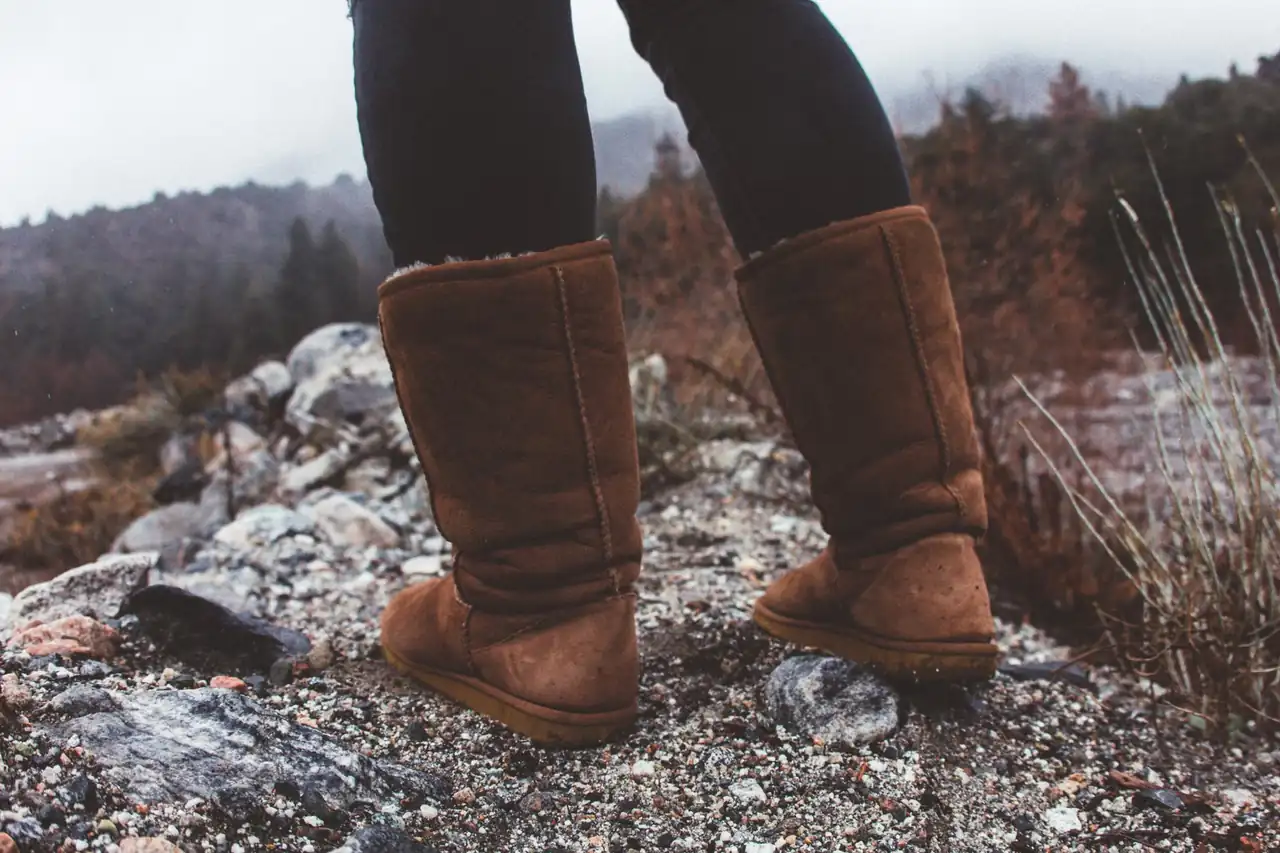
Choosing women’s mountain footwear well completely changes the trail experience: it reduces chafing, improves stability, and makes all the difference when the path steepens, gets wet, or fills with loose stones. In the mountains, the foot works like a small shock absorber, and if the base fails, fatigue arrives sooner.
That is why, rather than focusing only on the design, it is worth looking at the sole, stiffness, toe protection, the type of closure, and whether the model breathes or traps moisture. The key is to match the footwear to the terrain, not the other way around: a walk on forest tracks demands something very different from a trek with a backpack or a technical approach across rock and mud.
What distinguishes a good women’s model
In today’s market, lightweight shoes, mid-cut boots, waterproof models, minimalist options, and more robust designs intended for trekking or alpine trails all coexist. That variety is an advantage, but also a trap: many pairs seem suitable for everything and, in reality, only truly perform within a specific range of use. The first filter is not the brand, but the activity.
The women’s last usually tends toward a narrower heel and a somewhat more contained forefoot, although there is no universal rule. Some women have wide feet and need room in the front, while others seek a snug fit so they do not slide around inside the shoe. In any case, the fit should allow room for the foot’s natural swelling by the end of the day and, above all, for the toes to move without pressure when downhill stretches punish the toe box.
The most versatile hiking options usually combine a midsole with some cushioning, an outsole with medium-depth lugs, and reinforcements in exposed areas. That balance works for day hikes, weekend getaways, and mixed trails where asphalt appears from time to time. The more technical the terrain, the more stability matters; the easier and faster it is, the more value lightness gains.
The outsole matters more than it seems
In the mountains, the outsole is the point of contact with the real world. A tread pattern with well-distributed lugs improves traction in mud and loose soil, while a harder rubber resists wear better on rock and abrasive terrain. Some manufacturers rely on compounds such as Vibram or POMOCA, while others develop their own blends, but the logic is the same: grip without wearing out too quickly.
For easy routes, shallow lugs are enough; for variable trails, medium depth works better; and in technical or very soft areas, a more aggressive lug pattern is advisable. The difference shows up in small but decisive details, such as braking on descents, planting your foot on a wet slab, or regaining balance after an unstable stone. This is not an aesthetic issue: it is the geometry of support.
Flexibility also deserves attention. A shoe that is too soft can feel comfortable at first, but becomes imprecise when the terrain demands control. One that is too stiff offers more protection, yes, but can be tiring if used only for walking on tracks or easy trails. The best option is the one that follows your stride without draining your energy.
Waterproofing, breathability, and the role of climate
The presence of membranes such as Gore-Tex has made waterproofing a very visible selling point, and rightly so: it protects against wet grass, light rain, and mud. However, that barrier also reduces ventilation, so on warm days the foot can build up more heat and moisture. The closed model does not always win; it depends on when and where it will be used.
In summer, for dry trails or quick outings, shoes without a membrane are often more pleasant, cooler, and lighter. In autumn and winter, or in areas where water appears frequently, waterproof reinforcement makes sense. What is useful is to think about the real use over the whole year, not an ideal outing that is almost never repeated in exactly the same way. The best footwear for rain is not always the best for August.
Quick-drying models also deserve attention. When the weather is changeable, a shoe that drains well and dries easily can be more practical than a waterproof one that takes hours to ventilate. Moisture trapped inside is just as punishing as external water, even if it cannot be seen from the outside.
Lightness, cushioning, and accumulated fatigue
A lightweight shoe encourages you to walk faster and makes each stride feel less heavy, something appreciated by those who alternate trails with urban stretches or who head out to move without carrying too much weight. By contrast, a platform with more foam protects better when the route is long or the terrain keeps striking the foot again and again. Comfort does not depend only on a soft feel; it also depends on how impact is absorbed after many hours.
Laboratory tests from different market analyses show that the best-cushioned models are not always the heaviest, although there is usually a relationship between volume and protection. Some shoes weigh around 290 or 330 grams and offer an agile stride, while others exceed 400 grams because they prioritize stability, protection, and durability. In the mountains, that extra weight is noticeable by the end of the day, as if the foot were carrying its own backpack.
The choice depends a lot on route length. For short, dynamic outings, lightness may be more important than abundant cushioning. For long treks, foam helps the legs arrive less beaten up at the end. There is no absolute comfort; there is only the right comfort for each route.
Wide last, protected toe box, and real room
Many fit problems do not come from length, but from volume. A foot can fit the correct size and still suffer because the toe box presses from the sides or because the instep rubs with every climb. That is why some models with a wide forefoot have gained ground among hikers who need room for their toes or who experience swelling after hours on the move. Usable space matters more than the printed size.
The reinforced toe cap protects against hits with rock, roots, and stone edges. On technical trails, that detail prevents each impact from becoming a small shock. If the front design also leaves a bit of room, the toes are not compressed as much on descents, a small gesture that reduces fatigue and also the risk of black toenails or painful blisters.
It is worth trying the fit at the end of the day, with the socks that will normally be worn and, if used, with the usual insoles. The foot changes with heat, exertion, and the passage of hours. What fits in the morning can feel tight in the afternoon, and mountain routes are rarely done in the first hour of the day.
Boots, shoes, and approach: three uses, three logics
Low-cut shoes work well for fast walking, moderate hiking, or moving across less demanding terrain. They are more flexible, weigh less, and let the ankle move naturally. Boots, on the other hand, provide more coverage, support, and a feeling of armor, which is useful when the backpack is heavy or the ground becomes uneven and the route lasts longer than expected.
Between these two worlds are approach and alpine trekking models, which combine precision with protection. They are common on rocky terrain, easy via ferratas, demanding mountain trails, and outings where delicate footing alternates with walking sections. It is not just a matter of collar height; the stiffness of the midsole, the shape of the collar, and the ability to resist torsion also matter.
This division is especially clear in the collections of specialized brands. There are pairs designed for sporty hiking, others for long trekking, some for technical approach, and others for versatile use between city and mountain. That segmentation reflects a simple reality: the best footwear is not the one that is most versatile in theory, but the one most consistent with the way each person walks and with the terrain of each outing.
What to check before buying without falling for the display
Durability is not always obvious at first glance. TPU reinforcements, the type of stitching, the upper material, and the thickness of the outsole all affect how long the shoe lasts over time. A very cheap model may be sufficient for occasional walks, but if it is asked to work continuously, wear appears sooner, especially on the toe box and side panel. Resilience costs money, and it shows.
Breathability deserves a practical reading. A mesh upper ventilates better, but offers less protection; leather or a membrane blocks more of the outside, though it heats up sooner. Maintenance also enters the equation: leather tends to last a long time, but requires more care; synthetic fabrics are usually lighter and easier to dry, although they sometimes age worse under heavy rubbing. In the mountains, every material takes its toll.
The closure system is another detail that matters much more than it seems. Quick lacing saves time, but does not always distribute pressure as well as classic lacing. A good system should lock the heel, secure the midfoot, and leave the forefoot with a reasonable amount of tension. The foot should not slide forward or sideways, because that small movement ends up multiplying fatigue.
Prices, real ranges, and what each bracket offers
The market shows a wide range. In basic, low-cost models, prices below 50 euros are common, intended mainly for occasional use or for those looking for a first introduction to the mountains. Between 50 and 90 euros, many balanced options are concentrated, with better materials, more grip, and a construction that is already quite capable. That middle range usually offers the best balance between cost and performance.
Above 100 euros, the leap usually comes in waterproofing, stability, outsole quality, and durability. Models from established brands can easily exceed 140 or 180 euros, and in technical or rugged trekking boots, higher prices are not uncommon. That investment only makes sense if the use will be frequent or demanding; otherwise, part of the money goes toward features that will barely be used.
The useful reference is not the price alone, but what it includes: waterproof membrane, premium outsole, special last, reinforcements, low weight, or the ability to handle mixed terrain. A pricey shoe is not automatically better, but a model that is too cheap usually cuts corners somewhere that sooner or later will be felt underfoot.
Signs to get the right size and avoid chafing
The correct size leaves a small gap in front of the toes and holds the heel well. If the foot hits the toe cap on descents, there is not enough room or there is too much sliding. If the heel lifts while walking, the closure has not quite done its job. The ideal fit feels firm, but not oppressive; it should cradle, not strangle.
Trying footwear with the socks that will be worn on the trail changes the final reading a lot. A thin sock does not transmit the same sensation as a technical wool or synthetic-blend sock, and a corrective insole changes the internal volume. It also helps to walk for a few minutes on different surfaces, because a shoe that feels comfortable when standing still can twist on a ramp or pinch when flexed.
In general, a sensible purchase is not decided in two minutes or by a pretty photo. The wise approach is to think about the season, the type of trail, the weight of the backpack, and the intended length of use. The mountains reward well-chosen details: a millimeter of space, a better-designed lug, or a less slippery outsole can save an entire afternoon of discomfort.
The choice that matters most once you leave the trail
The best pair is not the most technical or the lightest, but the one that fits the real pace of the person wearing it. For walking on tracks and easy routes, quick comfort wins; for long treks, stability is key; for rain and mud, waterproofing; for wide feet, room in the front. Every terrain writes its own rules, and footwear should read them before anyone else.
That is why the market for women’s mountain shoes has become so broad and so specific. What used to be an almost uniform category has now split into models for trail, trekking, approach, light mountain use, or mixed use. That evolution answers a real need: for the foot to stop fighting the ground and focus on moving forward, quietly, like one well-set stone on another.
In practice, getting it right means prioritizing three things at once: fit, grip, and intended use. Everything else is organized around that triangle. When those three pieces fit together, the path stops feeling hostile and the footwear works in silence, which is exactly what you expect from a good mountain companion.
Este artículo contiene enlaces de afiliado: si compras a través de ellos, se genera una pequeña comisión sin coste adicional para ti. Más información.



How to prevent thigh chafing: causes and real solutions

Women’s running windbreakers: seven jackets and how to choose

Do more workouts get rid of soreness? A guide for runners

Jaén Half Marathon 2026: Record 3,800 Runners Registered

Men’s short running tights: how to choose the right pair

World Triathlon confirms data breach involving medical data

Izan Edo targets podium at Miyazaki World Cup

María Pérez ranks ninth in World Athletics’ 2026 top ten

Dos Santos, Duplantis and Sawe: World Athlete of the Year finalists

San Silvestre Vallecana 2026: 42,000 places, prices and start times

 Races3 months ago
Valencia Half Marathon 2027: date and registration

 Races3 months ago
Valencia Marathon 2026: entry, ballot and course

 Reviews and Comparisons4 months ago
Asics Gel-Roadmiles 3 for men: review and current price

 Reviews and Comparisons4 months ago
Asics Gel Sonoma 8 Gore-Tex: complete analysis for trail and rain

 Sneakers3 months ago
Saucony Endorphin Pro 4: full review and verdict

 News5 months ago
Strava API 2026: what changes for clubs, challenges and runner apps?

 Reviews and Comparisons5 months ago
Nike Alphafly 3: opinions, sensations, and real key points

 Reviews and Comparisons4 months ago
Under Armour running shoes review 2025-2026: models and key features

 Sports Equipment4 months ago
Shoe sizes in cm: a clear guide to getting the right fit for your footwear

 Sneakers3 months ago
Skechers GO RUN Consistent 2.0 analysis: comfort and limits

 News5 months ago
Valencia Marathon 2026 route: key tips to train and run better

 Sneakers4 months ago
Adidas Adizero Boston 13 for men: review and verdict