Reviews and Comparisons
Xero and its sustainable proposal for asphalt and everyday use
A minimalist sneaker with recycled materials, a close-to-the-ground feel, and an urban focus, designed for walking and light running.

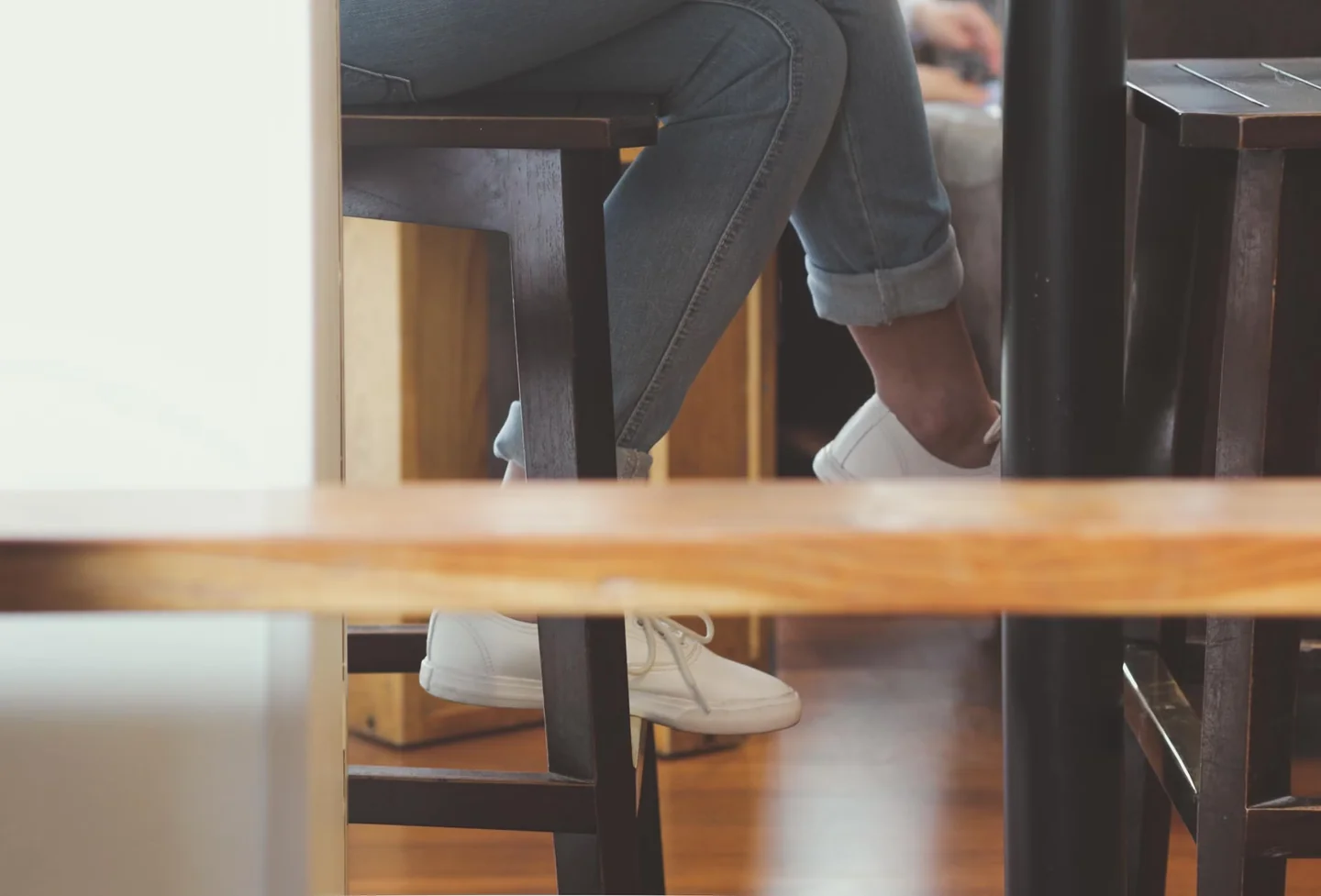
Xero has turned simplicity into a statement of intent. Its model of sustainable focus and urban use is not trying to look like a conventional running shoe, but to offer an experience closer to the ground, with less artifice and more freedom for the foot. On asphalt, sidewalks and long days of everyday use, that idea translates into a light, flexible silhouette designed for those who value comfort as much as a more restrained material footprint.
The key lies in balance. It is not an extreme shoe or a solution designed to impress with flashy technologies. It is a modern minimalism proposal that tries to bring together recycled materials, vegan construction, geometry with no difference in height between heel and forefoot, and a sole of just 5 mm. The result is especially interesting for those who want to walk or run gently with a natural feel, but without giving up entirely on reasonable protection over hard pavement.
An urban approach that does not give up the natural feel
The personality of this model is better understood in the city than on the track. Its visual language is clean, discreet and functional, with a technical air that does not feel bulky. That sobriety allows it to go with sportswear, jeans or casual clothes without looking out of place, something that is not always easy to find in minimalist footwear. The aesthetics here are not an ornament: they are part of its everyday-use vocation.
Beyond the look, what matters is how the foot moves inside. Xero has spent years defending a philosophy of free foot, low base and real flexibility, and in this model that idea is softened to fit everyday life better. It does not aim to replicate the feeling of going barefoot in its purest state, but it does get close enough for the stride to gain information, the forefoot to move freely and the gait to feel more intuitive on stable surfaces.
That adaptation to asphalt is what opens the door to a wider audience. Anyone coming from traditional shoes will usually find here a less abrupt transition than in other, more radical proposals. There is still very little material between the foot and the ground, but the whole thing does not feel quite so severe. It is a way of introducing minimalism without turning every step into a test of sensory endurance.
Recycled materials, vegan construction and a logic of lower impact
Sustainability is not presented as a slogan, but as the sum of concrete decisions. The knit upper incorporates recycled rPET, a polyester made from recovered materials, and the brand also emphasizes that this is a vegan model. In practical terms, this matters to two reader profiles: the one that prioritizes manufacturing ethics and the one looking for a product with less dependence on certain animal-derived components.
The interesting part, beyond the message, is that those materials serve a useful function in real use. The fabric lets the foot breathe quite freely, something valuable in hot months, long commutes or days when internal heat ends up being the silent enemy of comfort. Lightness and ventilation go hand in hand here, and that helps the shoe not feel heavy or loaded, even when worn for many hours in a row.
Durability is also part of the environmental argument. Xero insists that its models are designed to last longer than the short cycle of other running shoes, and backs that up with a 5,000-mile sole warranty. That figure does not mean every pair will reach exactly the same lifespan, because wear depends on weight, technique, surface and use, but it does reflect a clear commitment to rubber and to a construction that does not rely on bulky foams meant to expire quickly.
A thin sole that completely changes the experience
The sole is the center of gravity of the whole model. At 5 mm thick, the feeling underfoot is very different from that of a maximalist shoe. There is no generous cushion to soften impact, nor a geometry that tries to fool the body with abundant height and cushioning. What there is, is contact, flex and just enough protection so you do not feel exposed on concrete, asphalt or pavement.
That approach has clear consequences for the stride. The foot works more, the toes have real room to spread, and the transition between landing and toe-off is felt more sharply. The surface itself transmits more information, almost as if the ground were speaking through a layer of rubber. For those who enjoy that feedback, the experience can be revealing; for others, it may require a more cautious adaptation period.
In real use, the sole performs best on even routes. Grip is convincing on stable surfaces and the response feels precise on long walks, easy runs or urban commutes. It is not designed for technical terrain or violent changes of pace, where a shoe with more cushioning resources or a more aggressive geometry can offer more margin. Its natural territory is the city, not irregular adventure.
Fit, wide toe box and sensations in the midfoot
Fit is one of the most delicate points in minimalist footwear. Here the wide toe box works in its favor, because it lets the toes expand without being compressed. That improves comfort and also stability, since the forefoot is not working inside a narrow last. In a low-base shoe, that detail matters more than it seems: a foot with room moves more naturally and tires less from internal friction.
The midfoot, on the other hand, has a somewhat more defined character. The lacing and tensioning system provide support, but they also make the middle area feel more structured than in other soft-feel shoes. For low-volume feet or low insteps, that can be an advantage; for fuller feet, it is worth paying attention to how the central area sits before deciding on the size. The overall feeling is one of embrace, not compression, although the nuance matters.
Other details help modulate comfort. The padded collar softens contact with the ankle, the rear pull tab makes it easier to put on, and the removable insole allows a bit more interior space if needed. It is not a shoe that seeks classic plushness, but rather a functional, almost surgical fit that accompanies the foot without directing it too much. That precision appeals to some users and puzzles others, but it defines the spirit of the model well.
Where it makes the most sense, and where it falls short
Its best version appears in predictable contexts. Walking around the city, doing everyday commutes, running gently on asphalt or wearing it for many hours in a row are scenarios where the model makes sense. In all of them, the feeling of closeness to the ground and the space in the front of the foot are useful. It does not force a rigid technical gait, but it does invite a more conscious way of moving.
It can also work as a transition shoe for someone approaching minimalism for the first time. That profile usually appreciates a proposal that keeps the philosophy of zero drop, lightness and flexibility, but without going to the extreme of an almost barefoot experience. The transition matters because it changes the body, not just the wardrobe: tendons, calves and the sole of the foot respond differently when cushioning disappears almost completely.
Even so, it should not be read as a universal shoe. In fast intervals, demanding sessions or workouts where a more lively response is sought, there are models within the brand’s own catalog that are more convincing. This one does not want to be the runner’s Swiss army knife, but a specific tool: walking a lot, moving lightly and maintaining a more direct relationship with the ground.
Size, foot volume and the margin that really makes sense
Choosing the right size here is no small detail. In footwear with little structure and a lot of flexibility, an incorrect fit is noticeable right away. If it is too big, the foot slides around and precision is lost; if it is too short, comfort evaporates with heat or after a few kilometers, when the foot tends to expand. The ideal margin should leave space in front of the toes without causing internal movement.
That balance is not always the same for everyone. Wide feet usually appreciate a generous toe box, but they need to watch how the midfoot sits. Narrow feet may benefit from the extra support at the instep and collar, as long as the length is right. The correct size is not measured only in centimeters, but in how it follows the real shape of the foot when walking and when the shoe bends.
In practice, this means thinking more about foot volume than about the number on the box. Two people with the same size can feel it differently if one has a high instep and the other a lower base. That is why this kind of model usually asks for a bit more prior attention than a shoe with a soft, roomy last. The reward, when the fit is right, is a feeling of naturalness that is hard to imitate with more conventional footwear.
What it says about the evolution of modern minimalism
This model helps explain where minimalism is heading when it wants to move beyond the niche. For years, the barefoot discourse was associated with almost nonexistent soles, austere aesthetics and a radical feeling that not everyone was willing to take on. Xero has chosen to soften some of that visual and functional harshness, keeping its identity but presenting it in a format that is friendlier for everyday use.
That evolution is significant because it shows that minimalism no longer lives only on extremes. The combination of recycled materials, vegan design and urban functionality points to a consumer who wants less artifice, but also a certain coherence with the environment and with their habits. It is not enough to reduce the sole; now it also matters how it is made, what components are used and how long the product can last before ending up in a drawer or in a landfill.
In that sense, Xero’s proposal fits well with a more mature stage of the sector. It does not sell miracles or promise to turn asphalt into a carpet. It offers a more honest mechanics, with fewer intermediaries between the foot and the ground, and with a sustainability story that is less grandiose. That, in a market saturated with foam and superlatives, is already quite a lot.
A useful reading of its strengths and limits for today’s runner
The greatest strength of this shoe is also its greatest limit: it knows exactly what it is. It does not try to cover every use, nor compete with a versatile mid-cushion trainer, nor look like a racing shoe. Its territory is humbler and more specific: walking, getting around the city, running gently and sustaining hours of use with a freer, less interfered-with stride.
That is why it fits especially well with certain profiles. Anyone looking for a more direct relationship with the ground, anyone wanting to reduce superfluous materials, or anyone who values vegan construction with recycled components will find a coherent argument here. The honesty of the product lies in not exaggerating: it offers enough protection for asphalt, but it does not pretend to erase the hardness of the pavement or replace technique with generous foams.
It can also serve as a gateway into the minimalist world, as long as it is understood that the transition has to be gradual. The calves, soleus and intrinsic foot muscles notice the change a lot when traditional cushioning disappears. That is why this kind of footwear works best when understood as part of a process, not as a universal solution. And that is where much of its editorial interest lies: it shows a possible path between conventional comfort and the freedom of a more natural stride, without drama and without unnecessary embellishment.
You may also like: Xero Shoes Phoenix Knit for women: review and verdict.



How to prevent thigh chafing: causes and real solutions

Women’s running windbreakers: seven jackets and how to choose

Do more workouts get rid of soreness? A guide for runners

Jaén Half Marathon 2026: Record 3,800 Runners Registered

Men’s short running tights: how to choose the right pair

World Triathlon confirms data breach involving medical data

Izan Edo targets podium at Miyazaki World Cup

María Pérez ranks ninth in World Athletics’ 2026 top ten

Dos Santos, Duplantis and Sawe: World Athlete of the Year finalists

San Silvestre Vallecana 2026: 42,000 places, prices and start times

 Races4 months ago
Valencia Half Marathon 2027: date and registration

 Races4 months ago
Valencia Marathon 2026: entry, ballot and course

 Reviews and Comparisons4 months ago
Asics Gel-Roadmiles 3 for men: review and current price

 Reviews and Comparisons4 months ago
Asics Gel Sonoma 8 Gore-Tex: complete analysis for trail and rain

 Sneakers3 months ago
Saucony Endorphin Pro 4: full review and verdict

 News5 months ago
Strava API 2026: what changes for clubs, challenges and runner apps?

 Reviews and Comparisons5 months ago
Nike Alphafly 3: opinions, sensations, and real key points

 Reviews and Comparisons4 months ago
Under Armour running shoes review 2025-2026: models and key features

 Sports Equipment4 months ago
Shoe sizes in cm: a clear guide to getting the right fit for your footwear

 Sneakers3 months ago
Skechers GO RUN Consistent 2.0 analysis: comfort and limits

 News5 months ago
Valencia Marathon 2026 route: key tips to train and run better

 Sneakers4 months ago
Adidas Adizero Boston 13 for men: review and verdict