Health and Nutrition
Are you experiencing pain on the top of your foot from running?

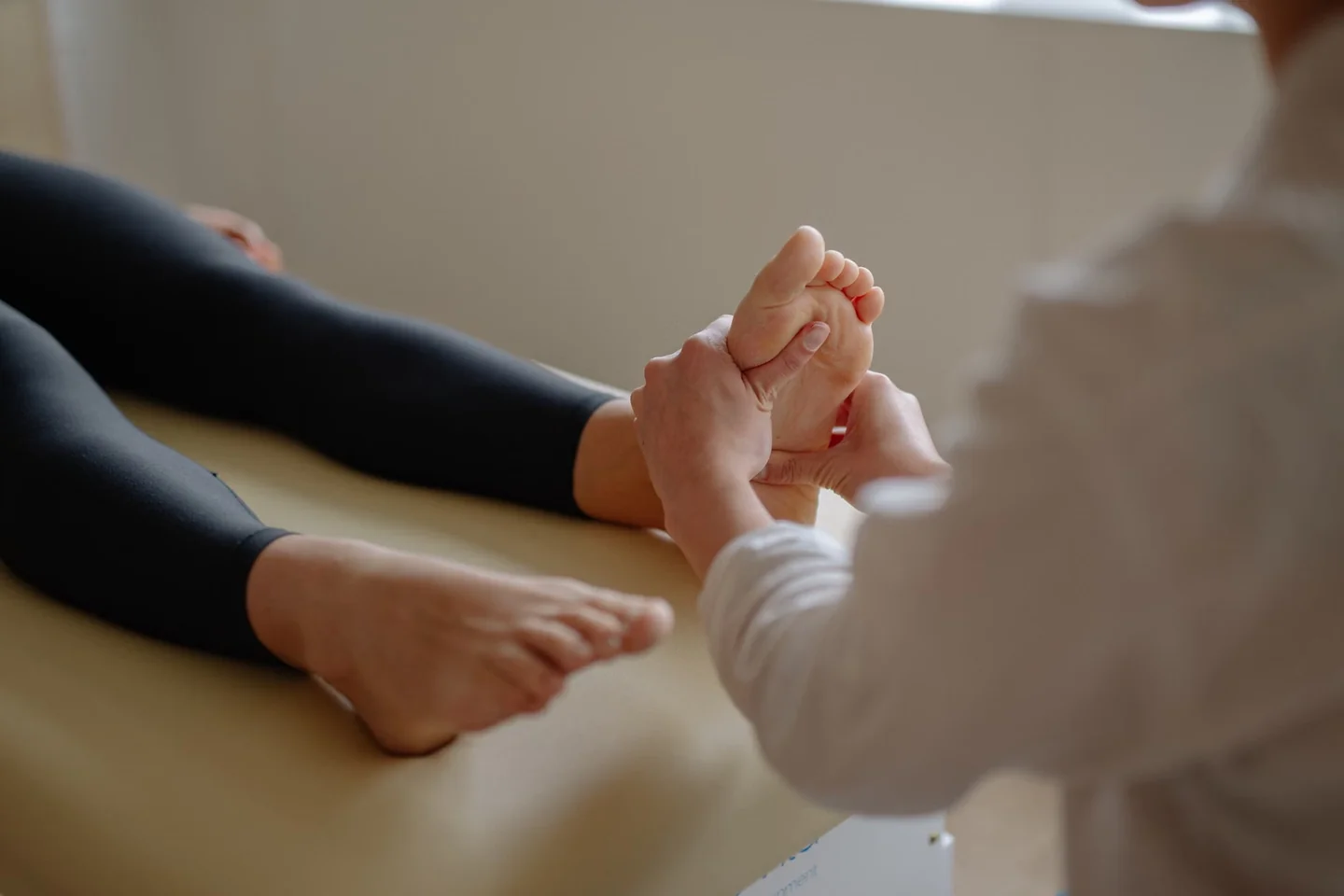
It is essential to understand the bony anatomy of the instep, as this area is essential for the proper functioning of the foot.
Bony anatomy of the instep
The instep is an anatomical structure located on the top of the foot, between the ankle and the toes. It is made up of a group of bones, ligaments and muscles responsible for providing stability and mobility to the foot.
Composition of the instep
The instep is made up of seven main bones, including the navicular, the medial and lateral cuneiforms, the cuboid and the three metatarsal bones. The navicular is the largest bone and is located on the inner part of the foot, just above the plantar arch. The medial and lateral cuneiforms are positioned on either side of the navicular, while the cuboid is located on the outer part of the foot. The metatarsal bones, for their part, extend from the instep to the toes.
Function of the navicular and cuneiform bones
The navicular and cuneiform bones are essential for the proper functioning of the foot. The navicular, for example, supports the plantar arch and transmits force from the heel toward the front of the foot. In turn, the medial and lateral cuneiforms contribute to the stability of the foot and the proper distribution of body weight. These bones also help with the flexion and extension of the foot.
In the field of physiotherapy, it is important to know the bony anatomy of the instep in order to carry out effective treatments in the event of injuries or ailments in this area. Some of the most common conditions affecting the instep include fractures, sprains, tendinitis and plantar fasciitis. In all of these cases, a detailed evaluation and personalized treatment are essential to restore foot function and prevent future complications.
Understanding the bony anatomy of the instep is essential for any physiotherapist who wants to provide effective treatment to their patients. Knowing the composition and function of the navicular and cuneiform bones allows for a better understanding of the physiology of the foot and the injuries that can affect it.
Tendinous anatomy of the instep
The tendinous anatomy of the instep is crucial for the movement and functionality of the foot. The tendons in the instep are responsible for flexing and extending the foot, allowing us to walk, run and perform other physical activities.
Extensor tendons
The extensor tendons are a group of tendons that originate in the front part of the leg and attach to the bones of the foot. These tendons are responsible for extending the toes and lifting the foot. The extensor tendons are particularly important in activities such as running and jumping, since these movements require a great deal of strength in the muscles of the foot.
The extensor hallucis longus tendon is one of the most important tendons in the instep. It extends from the leg to the big toe and is responsible for extending the big toe. The extensor hallucis longus tendon can suffer injuries during sports activities that involve repetitive foot movements, such as running or jumping.
Risks associated with physical activity
Physical activity can increase the risk of injuries to the tendons in the instep. Overuse injuries are common in the tendons of the instep, especially in sports that involve running, jumping or frequent changes of direction.
The extensor digitorum brevis tendon is particularly vulnerable to overuse tendinitis. Tendinitis is inflammation of the tendon and can cause pain and swelling in the foot. Tendinitis can be treated with physical therapy and rest, but in severe cases, surgery may be required.
Another risk associated with physical activity is a stress fracture in the bones of the instep. Stress fractures are small cracks in the bone that can occur in high-impact sports, such as running or jumping. Stress fractures can be difficult to detect and may worsen if they are not treated properly.
Injuries to the instep
The instep is a part of the foot that is exposed to various injuries due to its position and function. Some of the most common injuries include tendinitis and bone pain. Each of these injuries will be explained in detail below.
Tendinitis
Tendinitis is inflammation of the tendon that can occur anywhere in the body, including the instep. This injury occurs when a repetitive activity causes wear and tear on the tendons, such as running or jumping.
- Symptoms
Symptoms of tendinitis in the instep include pain, inflammation and tenderness in the affected area. The injury can also cause a burning sensation and stiffness in the foot, making it difficult to perform physical activities.
- Causes
The most common causes of tendinitis in the instep are overloading, overuse of the foot and a lack of warm-up before performing physical activities. It can also be caused by a muscle imbalance in the foot.
- Treatment
Treatment for tendinitis in the instep includes applying ice and elevating the foot to reduce inflammation. It is important to rest the foot and avoid activities that may aggravate the injury. Anti-inflammatory medications can also be helpful for relieving pain. In some cases, physical therapy may be required to strengthen the muscles and prevent future injuries.
Bone pain
Bone pain in the instep can be caused by a variety of factors, including high arches and flat feet.
- High arches
High arches are a condition in which the arch of the foot is higher than normal. This condition can cause pain in the instep due to the pressure exerted on the top of the foot.- Symptoms
Symptoms of high arches include pain in the instep and on the bottom of the foot, as well as calluses on the sole of the foot. The person may also experience difficulty walking and wearing shoes comfortably. - Causes
The causes of high arches may be hereditary or related to neurological or muscular diseases. - Treatment
Treatment for high arches includes the use of custom shoe inserts that help distribute body weight evenly across the foot. In some cases, stretching and strengthening exercises may be necessary to prevent future injuries.
- Symptoms
- Flat feet
Flat feet are another condition that can cause pain in the instep. They occur when the arch of the foot collapses and the foot becomes flat. This may be due to a variety of factors, including genetics, obesity, aging and injuries.- Symptoms
Symptoms of flat feet may vary depending on the severity of the condition. Some patients may experience pain in the instep, as well as fatigue in the feet and legs. There may also be swelling on the inner part of the ankle and the bottom of the feet. In more severe cases, there may be bone deformities and balance problems. - Causes
Flat feet can have various causes. In some cases, the condition is hereditary, which means that the structure of the foot may be abnormal from birth. In other cases, flat feet may result from aging, obesity, excessive use of flat shoes, injuries to the feet and legs, or arthritis. - Treatment
Treatment for flat feet may include physiotherapy, strengthening and stretching exercises, the use of orthotic insoles or arch supports and, in some cases, surgery. A physiotherapist specializing in the treatment of flat feet can develop a personalized treatment plan based on the patient’s individual needs.
- Symptoms
Tips for preventing instep injuries
The instep is an important part of the foot that is used for walking, running, jumping and any other type of physical activity. To prevent injuries to the instep, it is essential to take certain precautions and follow certain care measures. Here are some useful tips for preventing instep injuries.
Choosing the right footwear
Footwear choice is a key factor in preventing instep injuries. It is important to wear suitable, good-quality shoes that provide good support for the foot and fit properly. Footwear should be designed for the type of physical activity to be performed. For example, if you are going to run, it is essential to wear athletic shoes with good cushioning that are specifically designed for running. In addition, it is advisable to replace running shoes regularly to ensure that they continue to provide good support for the foot.
Stretching exercises
Stretching exercises can help prevent instep injuries. These exercises can help increase the flexibility and mobility of the foot, which in turn can help reduce the risk of injury. Some stretching exercises for the instep include:
- While seated on the floor, flex the foot and pull the toes toward the body until you feel a stretch on the top of the foot.
- While seated on the floor with your legs extended, place a towel or resistance band around the top of the foot and gently pull it toward the body until you feel a stretch on the top of the foot.
- Place a tennis ball or golf ball on the floor and roll the foot back and forth over the ball to massage the sole of the foot and stretch the instep.
Avoiding overloading
Overloading the instep can be a common cause of injuries. It is important to avoid physical activities that overload the instep, especially if you have a history of foot injuries. If you feel pain or discomfort in the instep, it is important to rest and allow the foot to recover before returning to physical activity. In addition, it is important to increase the intensity and duration of exercise gradually to avoid overloading the instep.
By following these tips and taking proper care of the instep, you can reduce the risk of foot injuries and enjoy safe and healthy physical activity.
Medical reference: Pain in the top of the foot, NHS.



How to prevent thigh chafing: causes and real solutions

Women’s running windbreakers: seven jackets and how to choose

Do more workouts get rid of soreness? A guide for runners

Jaén Half Marathon 2026: Record 3,800 Runners Registered

Men’s short running tights: how to choose the right pair

World Triathlon confirms data breach involving medical data

Izan Edo targets podium at Miyazaki World Cup

María Pérez ranks ninth in World Athletics’ 2026 top ten

Dos Santos, Duplantis and Sawe: World Athlete of the Year finalists

San Silvestre Vallecana 2026: 42,000 places, prices and start times

 Races4 months ago
Valencia Half Marathon 2027: date and registration

 Races4 months ago
Valencia Marathon 2026: entry, ballot and course

 Reviews and Comparisons4 months ago
Asics Gel-Roadmiles 3 for men: review and current price

 Reviews and Comparisons4 months ago
Asics Gel Sonoma 8 Gore-Tex: complete analysis for trail and rain

 Sneakers4 months ago
Saucony Endorphin Pro 4: full review and verdict

 News5 months ago
Strava API 2026: what changes for clubs, challenges and runner apps?

 Reviews and Comparisons5 months ago
Nike Alphafly 3: opinions, sensations, and real key points

 Reviews and Comparisons4 months ago
Under Armour running shoes review 2025-2026: models and key features

 Sports Equipment4 months ago
Shoe sizes in cm: a clear guide to getting the right fit for your footwear

 Sneakers3 months ago
Skechers GO RUN Consistent 2.0 analysis: comfort and limits

 News5 months ago
Valencia Marathon 2026 route: key tips to train and run better

 Sneakers4 months ago
Adidas Adizero Boston 13 for men: review and verdict