Health and Nutrition
Arnica cream for runners: uses, limits and safe application
Relieves bumps, strains, and heavy legs, but it is not suitable for everything: uses, limitations, and precautions.

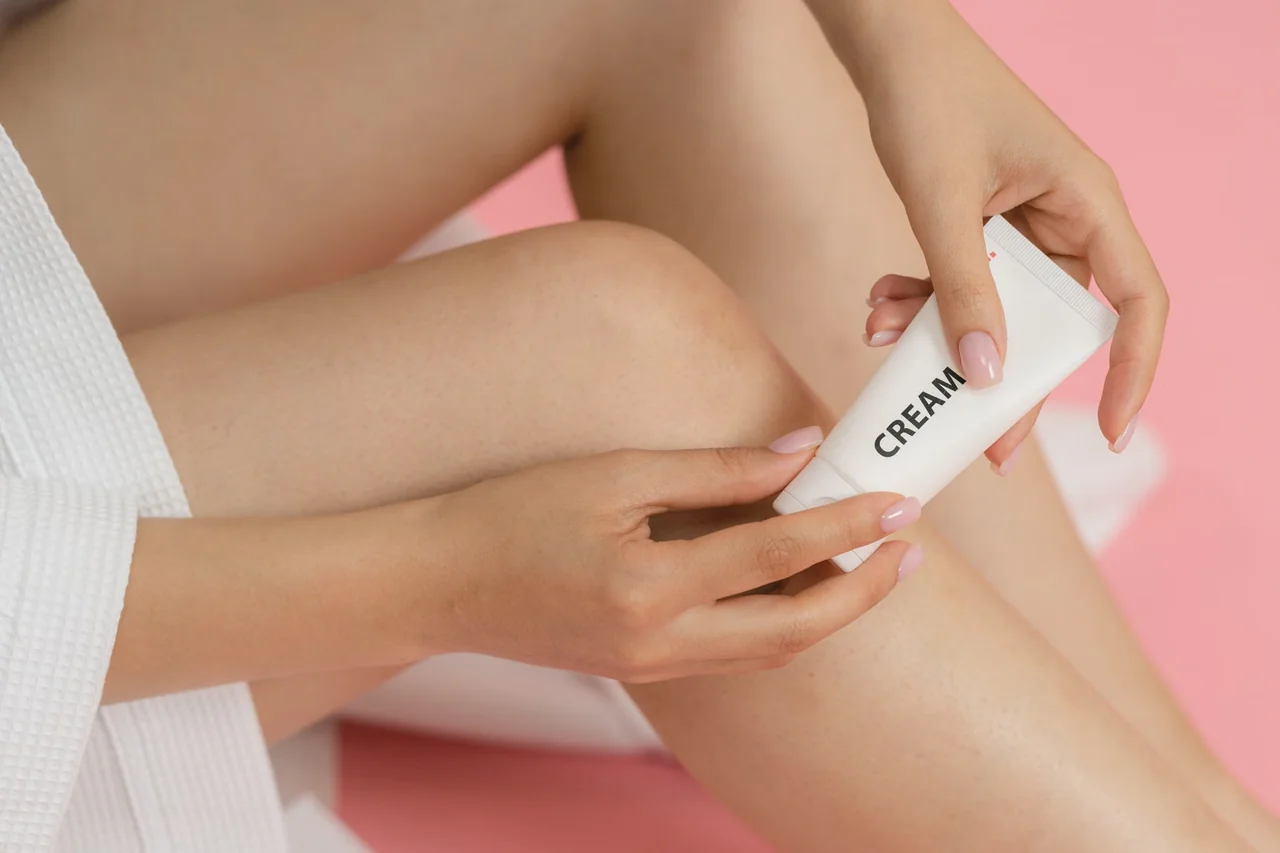
Arnica cream may find its way into a runner’s medicine cabinet because people seek quick relief for bumps, bruises, muscle overload, and a feeling of heaviness in the legs. It is most commonly used topically, meaning on the skin, and is associated with sport, body care, and recovery after minor injuries.
Its appeal is not about promising miracles, but something more down-to-earth and useful: to soothe, decongest, and support recovery in areas affected by effort or impact. The key is to understand what it does, what it does not do, and in which situations it makes sense to treat it as support rather than a complete solution.
What arnica is and why it is used in creams
Arnica, best known through the species Arnica montana, is a plant in the aster family, the same family as chamomile or calendula. It grows in mountain areas and has been used for centuries in traditional preparations for the external care of the skin and localized discomfort. Its intense, almost sun-like yellow flower has come to be associated with a classic remedy for small everyday accidents.
In cosmetics and body-wellness products, interest in this plant is based on its plant compounds, among which sesquiterpene lactones, flavonoids, and other naturally occurring elements stand out. In simple terms, it is credited with an action that helps moderate local inflammation and relieve the sensation of pain, always within external use and with clear limits.
This should be emphasized because it is one of the most common misunderstandings: arnica is not taken orally in cream, gel, or homemade infusion form with the idea of treating internal pain. Its safe and usual use is applied to intact skin, and that distinction completely changes how its real usefulness is understood.
What an arnica cream can do for the body
The best-known function of an arnica cream is to ease superficial discomfort after a bump or strain. When an area becomes inflamed, tender, or develops a bruise, the product acts as a gentle massage aid, with a soothing sensation that many people find comforting. It does not erase the injury, but it can make the process more bearable.
In the muscular realm, its use has become popular after intense workouts, long walks, or days when the legs end up feeling weighed down as if carrying extra weight. That heaviness is often nothing more than a mix of fatigue, friction, and accumulated tension. In that context, the cream can provide a sense of relief, improved comfort, and a slight enhancement of superficial circulation.
It is also used for minor contusions, mild sprains, and areas with localized stiffness. The practical effect being sought is twofold: reduce discomfort and support massage in tense areas. That is why it often appears in products aimed at athletes or people who spend many hours on their feet, two very different profiles united by the same complaint: the body is asking for a break.
What it really is for in muscle aches and bumps
The short answer is clear: it is mainly used to provide external, temporary relief for mild to moderate discomfort related to impact, superficial inflammation, or muscle overload. Its most reasonable use is for bruises with a hematoma, sore spots after exercise, mild muscle knots, and a feeling of tired legs.
In athletes, arnica cream is often used after demanding sessions, long runs, or workouts in which the muscles become stiff. That stiffness does not always mean injury, but it can create a wooden feeling in the legs or heavy arms. Massaging with a cream of this kind can be part of a daily recovery routine, never replacing medical assessment if the pain is significant.
For household bumps, the most visible benefit is usually helping to reduce local discomfort and support the reabsorption of the bruise. The color of the bruise does not vanish by magic, but the process can feel more manageable. This is precisely where the key idea behind its use becomes clearest: it does not cure a serious injury, but it can serve as a relief tool for common situations.
How it works and which ingredients often accompany it
The basis of its effect lies in topical use and in combining plant extracts with a texture that makes application easy. Many formulas include Arnica montana along with other soothing or refreshing ingredients, such as witch hazel, calendula, essential oils, or menthol, depending on the brand and the product’s purpose. The result is usually a fast-absorbing cream or gel with a light feel.
When the formula is well designed, the massage helps as much as the plant active itself. That act of applying, spreading, and gently rubbing the affected area provides mechanical warmth, improves the perception of comfort, and promotes a feeling of release. In other words, the way it is used is part of the effect, not just a formality.
Texture also matters. A thicker cream may be suitable for larger areas, while a gel usually gives a cooler sensation and faster absorption. There is no universal choice, only a preference that depends on the area, the moment, and what is being sought: more glide, more freshness, or a discreet application that leaves no greasy residue.
When it makes sense and when it should not be used
Arnica cream makes sense on healthy skin, with no open wounds or irritations. That is the first and most important filter. If the skin is injured, the cream should not be applied because it can cause stinging, irritation, or an unpleasant local reaction. It should also not be used near the eyes, mucous membranes, or especially sensitive areas.
Its use is reasonable when there is a mild bump, a loaded area, a small bruise, or muscle tiredness without warning signs. However, if the pain is intense, if there is a deformity, if the swelling grows quickly, or if movement is clearly limited, this is no longer a case for a home cream, but a situation that requires professional assessment.
Caution is also advisable with allergies. People sensitive to plants in the aster family may react poorly. In such cases, redness, itching, or dermatitis indicate that the product is not being tolerated. The skin, after all, usually gives a very clear warning when something does not agree with it.
How to use it without common mistakes
The way it is used is usually simple: apply a small amount to clean, dry skin and perform a gentle, brief massage until the product is absorbed. In most products, the usual frequency is between two and four times a day, although you should always follow the leaflet or the manufacturer’s instructions.
There is a very common mistake with this kind of product: thinking that more product means more effect. It does not work that way. A thick layer does not speed recovery and, instead, can increase the risk of irritation or leave an unnecessary sticky feeling. In this area, moderation is smarter than excess.
If the product is used after exercise, the massage can be done more broadly over muscles such as the calves, quadriceps, back, or shoulders. If the goal is a bruise, however, it is better to focus on the affected spot without applying too much pressure. The idea is to support, not further punish, the area.
What its traditional use says in pharmaceutical products
Some arnica gels sold as traditional herbal medicines are presented for the symptomatic relief of pain, stiffness, sprains, bruises, and swelling associated with bumps. That wording makes one thing clear: the goal is to relieve symptoms, not to replace other measures when the injury requires them. Tradition of use carries weight, but so does clinical common sense.
These preparations usually warn that they should not be applied to open wounds, or near the eyes, nose, or mouth, and that if symptoms do not improve after a few days, medical advice should be sought. In some leaflets, it is also stressed that a dose higher than recommended does not improve results and may increase irritation. They are simple warnings, but valuable ones.
Another important note is the alcohol content of certain formulas. Some can cause a stinging sensation on injured or very sensitive skin. That is why not all arnica creams or gels are the same: the formula matters just as much as the plant active, and reading the ingredients helps avoid false expectations and unnecessary discomfort.
Its relationship with sport and everyday recovery
In the world of running, cycling, or strength training, arnica cream often appears as part of the recovery ritual. It is not unusual to see it associated with heavy legs after a long run, tight calves after hills, or overloaded shoulders after a session that leaves the muscles on alert. Its role, once again, is that of an external aid for a specific sensation.
This sporting use explains its frequent presence in products that combine arnica with other soothing ingredients. The runner who finishes a half marathon with tired legs, or someone who strings together weeks of high workload, often values anything that reduces the feeling of muscular punishment. In that scenario, the cream works as one more comfort tool, not as an accelerated cure.
Something similar happens in everyday life. A day spent standing, a move, a bad posture at the computer, or a small twist can leave a mark on the body. Arnica cream has earned its place precisely because it works for common, bothersome, localized problems—the kind that do not always justify stronger medication, but do call for immediate, careful relief.
Precautions, contraindications, and warning signs
It should not be used on open wounds, burns, cracked skin, or mucous membranes. It is also not advisable to ingest it or use it in improvised infusions or homemade preparations. External use is not a minor suggestion, but the main boundary that protects against avoidable problems.
For pregnant women, people with very sensitive skin, and small children, extra caution is needed. Some formulations are not intended for all ages or situations, and skin reactions may appear sooner than expected. If itching, persistent redness, or dermatitis occurs after application, it is prudent to stop using it.
There is another red line that should not be forgotten: if the pain does not match a mild discomfort or is accompanied by marked swelling, functional inability, or fever, the cream is no longer the center of the issue. A relief product should not mask a significant injury. Sometimes the problem is not on the skin, but underneath it.
What it provides and what it should not be expected to do
Arnica cream provides local relief, comfort, and a more manageable sense of recovery. That is its natural territory. It can accompany the treatment of mild bumps, gentle muscle knots, and muscular fatigue, and it does so with the image of a classic remedy that still makes sense in the modern medicine cabinet.
What should not be expected from it is a deep, immediate, universal action. It will not resolve a muscle tear, it does not replace an examination when there is severe pain, and it does not make an important injury disappear on its own. Its real value lies in balance: it is useful precisely because it does not try to be more than it is.
In a market full of grand promises, arnica retains a virtue that is not flashy but very valuable: it is a reasonable support option when the body calls for external, sensible relief. That modesty is also a form of effectiveness today.
Arnica cream and running: when it may support recovery
After a demanding run, a long training session or a race, your legs may feel heavy or your muscles stiff. Arnica cream is used on the skin in the hope of temporary relief from mild discomfort and superficial bruising. A gentle massage may feel soothing, but the cream cannot resolve an injury or prove that you are ready to train again. Avoid using it to mask pain so you can finish a planned workout.
If you choose to use it, follow the product directions and apply it only to intact skin. Keep it away from wounds, eyes and mucous membranes, and stop if irritation develops. Do not swallow it. Keep any massage light: pressing hard on a sore or swollen area may make it more uncomfortable. Cream is not a substitute for basic recovery habits such as rest, good sleep and a gradual return to training. If discomfort changes your stride, reduce or pause your running rather than trying to run as usual.
Pay attention to pain that gets worse, substantial swelling, difficulty bearing weight or walking, and symptoms that persist or return when you run again. Seek advice from a healthcare professional in those cases, especially after a significant impact. To help prevent overload, adjust your training volume and intensity to how you feel. Treat the cream as a possible comfort measure, not as treatment or a guarantee of recovery. If you have reacted to arnica products before or are unsure whether it is suitable for you, ask a healthcare professional.
An ancient plant for very modern discomforts
Arnica’s journey goes from mountain meadows to sports bags, from traditional remedy to pharmacy gel, and from folk medicine to everyday recovery routines. Its persistence is not due to chance, but to the fact that it meets a concrete need with a simple logic: touch, soothe, and support the rest of an irritated area.
In a time that often demands instant solutions, arnica cream reminds us of something more modest and more useful: some discomforts do not need drama, but well-used, prudent, and well-understood external relief. That is where this plant still finds its place, between habit and usefulness, without promising more than it can deliver.
Medical reference: Arnica: uses and safe use, Cleveland Clinic.



How to prevent thigh chafing: causes and real solutions

Women’s running windbreakers: seven jackets and how to choose

Do more workouts get rid of soreness? A guide for runners

Jaén Half Marathon 2026: Record 3,800 Runners Registered

Men’s short running tights: how to choose the right pair

World Triathlon confirms data breach involving medical data

Izan Edo targets podium at Miyazaki World Cup

María Pérez ranks ninth in World Athletics’ 2026 top ten

Dos Santos, Duplantis and Sawe: World Athlete of the Year finalists

San Silvestre Vallecana 2026: 42,000 places, prices and start times

 Races3 months ago
Valencia Half Marathon 2027: date and registration

 Races3 months ago
Valencia Marathon 2026: entry, ballot and course

 Reviews and Comparisons4 months ago
Asics Gel-Roadmiles 3 for men: review and current price

 Reviews and Comparisons4 months ago
Asics Gel Sonoma 8 Gore-Tex: complete analysis for trail and rain

 Sneakers3 months ago
Saucony Endorphin Pro 4: full review and verdict

 News5 months ago
Strava API 2026: what changes for clubs, challenges and runner apps?

 Reviews and Comparisons5 months ago
Nike Alphafly 3: opinions, sensations, and real key points

 Reviews and Comparisons4 months ago
Under Armour running shoes review 2025-2026: models and key features

 Sports Equipment4 months ago
Shoe sizes in cm: a clear guide to getting the right fit for your footwear

 Sneakers3 months ago
Skechers GO RUN Consistent 2.0 analysis: comfort and limits

 News5 months ago
Valencia Marathon 2026 route: key tips to train and run better

 Sneakers4 months ago
Adidas Adizero Boston 13 for men: review and verdict