Health and Nutrition
The best footwear for plantar fasciitis: a practical and comprehensive guide
Keys for choosing shoes with stability, cushioning, and support when your heel protests with every stride.

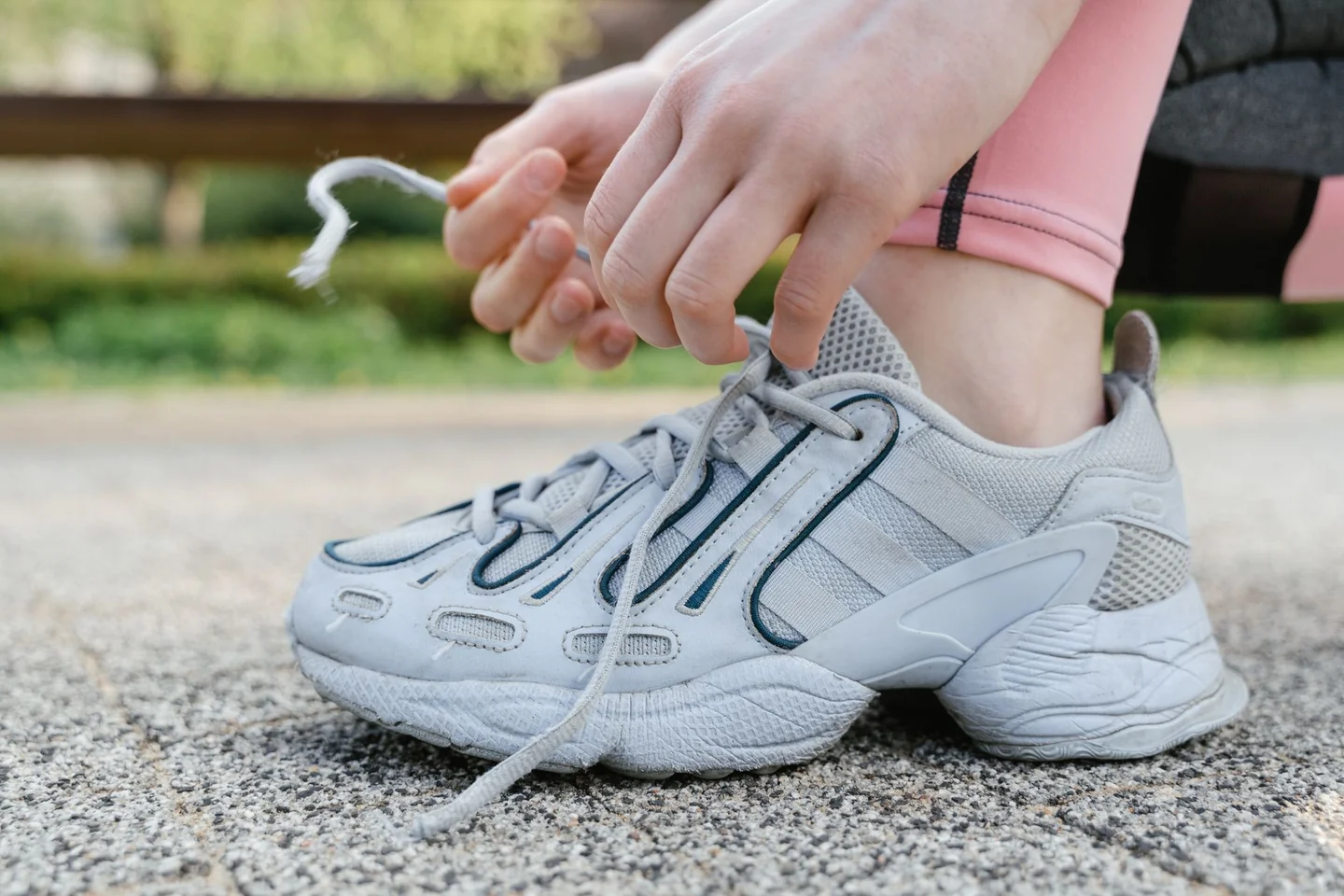
Heel pain changes the way you walk even before you fully notice it. In plantar fasciitis, every step can feel like a small splinter under the foot, especially when getting up in the morning or after sitting for a while. That is why footwear stops being just an aesthetic detail and becomes central to daily routine and training.
The best option is neither a universal shoe nor a one-size-fits-all formula. What usually works is a model with good cushioning, enough arch support, a stable base, and a shape that does not compress the foot. For active people, and especially runners, that combination helps reduce the repeated stress on the plantar fascia, the tissue that supports the arch of the foot and can become inflamed or irritated easily.
What a foot with plantar fascia pain really needs
Plantar fasciitis does not punish only the heel; it alters the entire gait. The body tries to protect the painful area and, in response, changes the mechanics. Sometimes the step becomes shorter, other times weight on the forefoot is avoided or the foot is turned outward. That improvised adjustment may bring some relief at first, but it also distributes forces poorly and ends up overloading other structures.
That is why good footwear should do three things at once: absorb some of the impact, keep the foot aligned, and not force the muscles on the sole of the foot. Soft cushioning helps reduce the feeling of a hard удар, although softness should not be confused with effectiveness. Overly spongy shoes may feel comfortable in the store, but unstable when walking or running, and that rocking motion adds work to the fascia.
Stability also matters, a lot. A firm heel counter, a wide base, and a midsole that does not twist easily usually provide more security than a soft-feeling model without structure. The foot needs support, not buoyancy. For people with high arches, neutral feet, or some tendency to overpronate, the shoe’s geometry can make a real difference in tolerance for prolonged use.
Cushioning, support, and drop: the three factors that matter most
Cushioning protects, but it should not sink the foot into a kind of sports sofa. In plantar fasciitis, midsoles with balanced responsiveness are preferable, capable of distributing pressure without losing control. Modern materials such as EVA foams, expanded TPU, or more reactive compounds can work well if they keep the platform stable. What matters is not only how much they absorb, but how they return load and whether they keep the heel reasonably still during landing.
Arch support should not be understood as a hard insole stuck in the middle of the foot. Good footwear for this condition usually has a moderate internal curve, a chassis that holds the midfoot, and a removable insole to allow adjustments. In some cases, an orthotic insole or a quality heel insert can complement the shoe, but the base must accept that change without pinching or distorting the gait.
Drop, that is, the height difference between heel and toe, is often an underestimated factor. A slightly higher heel, around 8 to 12 millimeters, can relieve tension in the posterior chain for many people with plantar pain. It is not an absolute rule, but it is a useful clue. Completely flat models or those with very low drop can be too demanding during acute phases, especially if the calf and soleus are tight.
What kind of shoe usually fits best in each case
For everyday walking, the main goal is tolerance for prolonged use. Here, walking shoes or easy-running shoes with plenty of cushioning, a snug heel, and a sole that does not collapse by the end of the day often work well. The foot spends many hours under load, so sustained comfort matters more than responsiveness. A stable model with a smooth transition and good midfoot support is usually more useful than an ultralight design.
For running, the choice requires a finer balance. A runner with plantar fasciitis needs a shoe that not only protects, but also allows a fluid stride. Daily training shoes, with a wide platform and generous cushioning, are usually more sensible than racers or minimalist models. On days with moderate pain, a shoe with a smooth heel-to-toe transition can reduce repetitive stress on the fascia.
For those who overpronate significantly, stability becomes especially important. The goal is not to force-correct every movement, but to prevent the foot from collapsing inward on each landing. Models with moderate guidance, without feeling rigid, can offer more control. By contrast, if the foot is already naturally rigid or the arch is high, sometimes a well-built neutral shoe works better than excessive correction.
Materials and details that separate a useful shoe from a disappointing one
The heel is a key area and deserves close attention. A heel counter that is too soft leaves the rearfoot unstable; one that is too hard can rub or press on the Achilles tendon. The most balanced solution is usually a firm piece, reasonably padded, that keeps the heel seated without acting like a clamp. That feeling of support may seem secondary, but in plantar fasciitis it helps make the initial landing less aggressive.
The stock insole also matters, even if it is not the star of the display. It should offer a relatively even surface, some arch support, and enough volume so as not to squash the sole of the foot. In some painful feet, removing the original insole and replacing it with a custom one changes the feel completely. What matters is that the shoe accepts that adjustment without losing interior space or making the instep suffer from lack of room.
A wide fit is often an advantage when there is inflammation or sensitivity. An irritated foot appreciates room to expand during the day, and even more so if you run or spend several hours standing. Narrow toe boxes indirectly compress the fascia by altering overall biomechanics. A little extra room for the toes, without going overboard, can reduce accumulated tension and avoid unnecessary pressure points.
The sensations worth looking for when trying them on
Trying them on in the store or at home reveals more than any technical sheet. When putting them on, the foot should sink just enough, no more. The heel needs to fit firmly and not slip while walking. If the shoe makes you grip the ground with your toes to stabilize yourself, or if the arch feels uncomfortably forceful, it is probably not the right choice.
The first sensation when standing up from a chair also matters. A well-designed model allows the first steps to feel less stiff and less impactful on the painful area. It does not heal the injury, but it can change the day-to-day experience. In a condition so sensitive to repeated loads, small reliefs add up more than it seems.
Sole flexibility deserves careful attention. Good footwear for plantar fasciitis should not bend excessively in the middle, as if it were a towel. Nor should it be like a board. Ideal flexion usually concentrates in the metatarsal area, with a midpoint that facilitates movement without turning each step into a battle between the shoe and the foot.
Common mistakes that make the discomfort worse
One of the most common mistakes is choosing very flat shoes out of habit. Minimalist shoes or ultra-thin soles may sound appealing in theory, but the plantar fascia usually appreciates a less abrupt transition. If the foot is already irritated, suddenly reducing cushioning or support can intensify pain, especially on hard surfaces such as asphalt, sidewalks, or indoor stone or ceramic floors.
Another common mistake is focusing only on the brand or the model’s weight. Lightweight shoes are not always kinder to a sensitive foot. Sometimes lightness is achieved at the expense of structure, stability, or durability. And when the sole deforms too quickly, the heel ends up taking more load in less time. For such a mechanical injury, shoe longevity matters almost as much as its initial feel.
It is also wise to distrust sudden changes. Breaking in a new shoe for a long run, an extended walk, or a full day of standing work can trigger irritation. The foot needs adaptation, even if the model is correct. Discomfort from use does not usually appear in the first few meters, but when the tissue has accumulated load for hours.
What is usually recommended for runners with plantar fasciitis
In running, the preferred terrain is daily training shoes. They usually offer more protection than a racing shoe and more versatility than a model designed only for competition. The key is finding a combination of generous cushioning, stable geometry, and natural transition. For many runners with plantar pain, that family of models offers the best compromise between comfort and training continuity.
Shoes with a rocker profile or gentle curvature can help unload the fascia. That design makes it easier for the foot to move forward and reduces the time the heel stays under load. It is not a miracle cure, but it is a useful mechanical lever when pain is concentrated at toe-off. Used well, it can make the stride smoother and reduce aggressiveness at landing.
The training surface also changes the equation. Running on hard asphalt in a very demanding shoe is almost always worse than doing so in a more protective model. Even treadmills or better-cushioned tracks reduce some of the impact. Footwear does not work alone: it interacts with the ground, and that interaction can either ease or worsen plantar fasciitis.
When a shoe is not enough and the problem needs another look
If the pain appears daily, worsens on standing up, or lasts for weeks without easing, footwear is no longer the only piece of the puzzle. Plantar fasciitis is often linked to repeated loads, tight calves, a very pronounced arch, excess weight, sudden training changes, or simple mechanical bad luck. In those cases, the right shoes help, but they do not solve the source of the discomfort on their own.
There are signs that should not be normalized. Very localized heel pain when bearing weight, intense sensitivity after resting, limping, or a clear limitation in walking deserve professional evaluation. Sometimes the condition is not classic fasciitis, but another cause of plantar pain or even a different problem in the calcaneus, Achilles tendon, or the intrinsic muscles of the foot. Diagnostic accuracy completely changes the strategy.
In practical terms, the best shoe is the one that lets you move with less suffering and fewer compensations. It is not always the most expensive, the most popular, or the one boasting the most technology. The right choice usually lies in a sober mix of well-designed cushioning, real stability, and a clean fit. When that combination works, the step feels smoother, like a smooth stone on an uneven path.
A decision you feel in every step
Choosing the right footwear can make the difference between dragging pain around for hours or walking with some normality. In plantar fasciitis, the shoe does not act as a standalone treatment, but it is a very valuable mechanical relief tool. A stable heel, supported midfoot, moderate drop, and enough room in the toe box form a base that usually works well.
The best model is not the same for everyone, although there are common features that tend to work. Someone who spends many hours on their feet usually needs more support; a runner needs a gentle stride and a smooth transition; someone with a wide foot will appreciate less aggressive shapes. In the end, the painful foot asks for something simple and difficult at the same time: less punishment, more order, and support that does not force compensation with every step.
In an injury so dependent on load, the right footwear makes no noise, but it is noticeable. It does not promise miracles or erase the injury overnight. However, it can transform the way the foot carries the body’s weight, and that, in plantar fasciitis, is much more than a technical detail.
You may also like: Footwear for posterior tibial tendinitis: keys to getting it right.
Medical reference: Heel Injuries and Disorders, MedlinePlus (U.S. National Library of Medicine).



How to prevent thigh chafing: causes and real solutions

Women’s running windbreakers: seven jackets and how to choose

Do more workouts get rid of soreness? A guide for runners

Jaén Half Marathon 2026: Record 3,800 Runners Registered

Men’s short running tights: how to choose the right pair

World Triathlon confirms data breach involving medical data

Izan Edo targets podium at Miyazaki World Cup

María Pérez ranks ninth in World Athletics’ 2026 top ten

Dos Santos, Duplantis and Sawe: World Athlete of the Year finalists

San Silvestre Vallecana 2026: 42,000 places, prices and start times

 Races4 months ago
Valencia Half Marathon 2027: date and registration

 Races4 months ago
Valencia Marathon 2026: entry, ballot and course

 Reviews and Comparisons4 months ago
Asics Gel-Roadmiles 3 for men: review and current price

 Reviews and Comparisons4 months ago
Asics Gel Sonoma 8 Gore-Tex: complete analysis for trail and rain

 Sneakers4 months ago
Saucony Endorphin Pro 4: full review and verdict

 News5 months ago
Strava API 2026: what changes for clubs, challenges and runner apps?

 Reviews and Comparisons5 months ago
Nike Alphafly 3: opinions, sensations, and real key points

 Reviews and Comparisons4 months ago
Under Armour running shoes review 2025-2026: models and key features

 Sports Equipment4 months ago
Shoe sizes in cm: a clear guide to getting the right fit for your footwear

 Sneakers3 months ago
Skechers GO RUN Consistent 2.0 analysis: comfort and limits

 News5 months ago
Valencia Marathon 2026 route: key tips to train and run better

 Sneakers4 months ago
Adidas Adizero Boston 13 for men: review and verdict