Health and Nutrition
Blisters on the feet: home remedies that actually make sense
Useful home remedies to soothe chafing, protect the skin, and stop infections without making the wound worse.

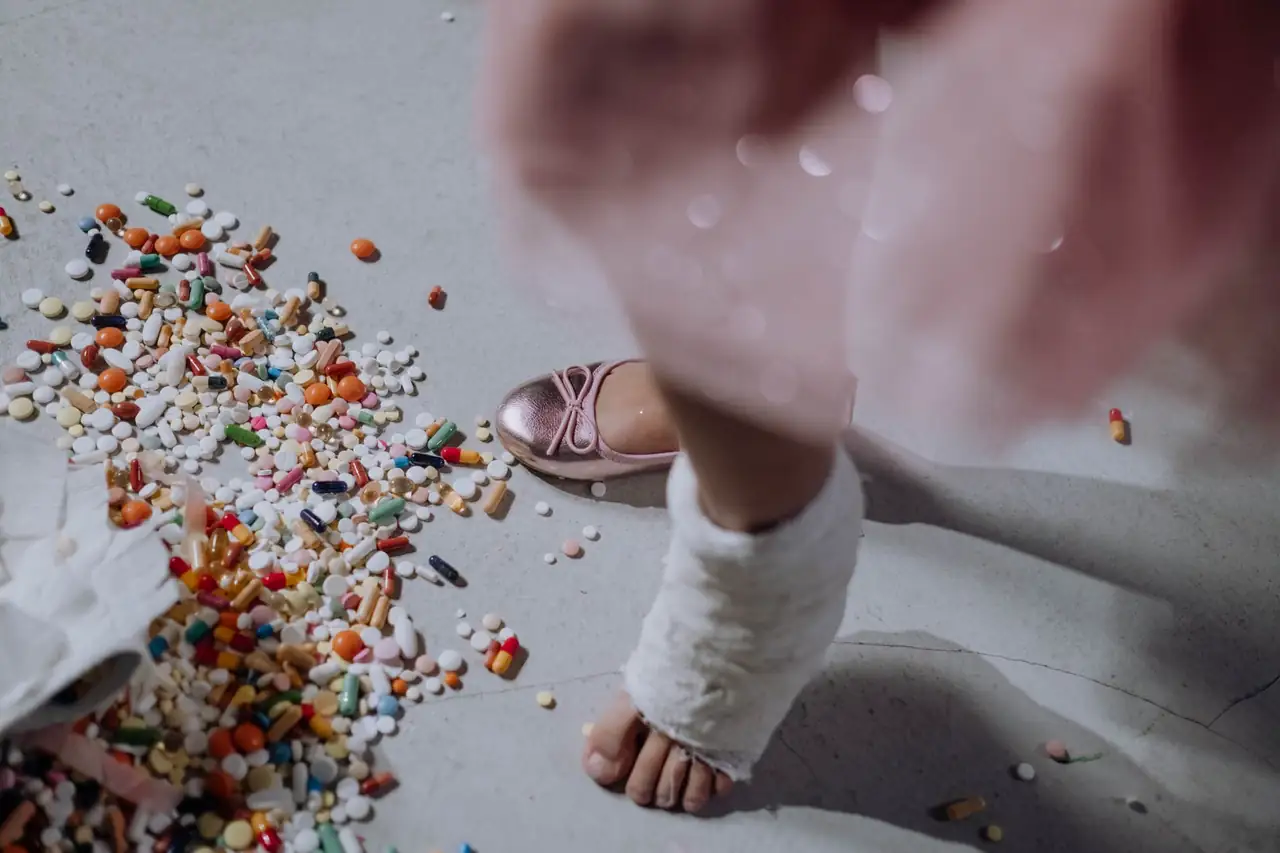
Blisters on the feet usually appear when the skin has spent too long fighting with footwear, moisture, or a sudden increase in activity. In runners, hikers, and people who spend many hours on their feet, the problem is far from minor: a small pocket of fluid can turn every step into a sharp reminder. The good news is that, in most cases, the wound can be managed at home with simple measures, as long as there are no signs of infection or added risk factors.
Home remedies that are most useful are not miracle formulas or harsh mixtures, but common-sense actions: clean, protect, unload pressure, and let the skin do its job. The key is not to confuse relief with aggression. Popping, rubbing, or applying irritating substances usually delays healing; by contrast, calm healing, well protected and without excessive friction, usually resolves the condition in a few days.
Why they appear and what the skin is trying to do
A blister is a defensive response. The outer layer of the skin separates from the layer beneath it because of rubbing, heat, or repeated pressure, and the body fills that space with fluid to cushion the damage. It is a kind of biological cushion, crude but effective, that tries to shield the area while it repairs the tissue.
On the feet, this reaction appears especially on the heels, toes, sole, and sides, հենց where contact with the shoe becomes more intense. A new pair, a poorly placed seam, a sock that traps sweat, or a long outing with more miles than usual is enough to trigger the problem. In running, the combination of friction, moisture, and heat is especially treacherous: the skin softens, loses resistance, and ends up giving way like wet paper.
There are also blisters that do not come from rubbing. Burns, exposure to irritating substances, some infections, or certain dermatological problems can cause similar lesions. That is why it is worth looking beyond quick relief and observing the context. An isolated abrasion on the foot is not managed the same way as a widespread rash, a lesion with pus, or a blister that appears without any apparent cause.
What is advisable to do in the first few hours
The first measure is to take pressure off the area. If the cause was a new shoe, a long run, or a walk in damp conditions, the most sensible step is usually to remove the factor causing the irritation. Changing footwear, loosening laces, drying the foot, and stopping exposure to rubbing can make the difference between a passing nuisance and several days of pain.
After that, cleaning matters more than any flashy trick. Water and mild soap are enough in most cases. The skin around the area should be clean and dry before covering it with a dressing, gauze, or a bandage designed to reduce friction. Physical protection is part of treatment, not an optional detail: if the blister keeps rubbing, it will keep growing or breaking open.
When the blister roof is intact, leaving it in place is usually the best option. That thin layer of skin acts as a barrier against bacteria and dirt. If the lesion has opened on its own, it should be washed gently, patted dry without rubbing, and covered with a clean protective layer. In that scenario, plain petroleum jelly can help maintain a less harsh environment for the exposed skin.
Home remedies that bring relief without complicating the injury
Petroleum jelly is one of the most sensible household resources. It does not heal by magic, but it reduces friction and helps keep the area from drying out or sticking to the bandage. In a ruptured blister or a very sensitive abrasion, a thin layer on clean, dry skin can make walking noticeably less rough. Its usefulness is modest, but real.
Aloe vera is also frequently used for its soothing effect. Applied as pure, fragrance-free gel, it can provide a cooling sensation and help keep the area less irritated. Its role is more about comfort than deep repair, but in skin worn down by rubbing, that local relief is no small thing. Even so, it is best to avoid cosmetic products loaded with alcohol or fragrances, because they can sting and worsen sensitivity.
Cold compresses are another reasonable support when there is inflammation or stinging. Ice should not be placed directly on the skin or left on for too long, because the goal is not to freeze the skin but to reduce the sensation of heat. A clean cloth dampened with cold water or a bag wrapped in fabric can be used for a few minutes. Resting the foot also tends to be more valuable than it seems: what does not rub does not reopen.
In some small blisters, a hydrocolloid dressing or a specific anti-rub protection is more useful than any homemade mixture. It is not a home remedy in the strict sense, but it is a very practical household tool. It creates a stable barrier, absorbs some of the exudate, and distributes pressure, which is especially valuable on heels and toes, where every step acts like a small press.
What usually makes the injury worse even if it seems like a good idea
Routinely popping a blister is a common mistake. The pressure of the fluid can be uncomfortable, but emptying it unnecessarily opens the door to infection and leaves the skin exposed, as if removing the lid from a fragile container. In an intact blister, the top layer still protects. Losing that cover too soon usually prolongs the problem.
It is also wise to be wary of harsh products. Alcohol, hydrogen peroxide, concentrated vinegar, garlic, lemon, or abrasive powders often appear in popular advice, but they are not reliable allies for an open or sensitive lesion. They can irritate, delay healing, and increase pain. Skin rubbed raw does not appreciate kitchen experiments or solutions that sting more than they help.
Another risk is continuing to insist on the same source of damage. Keeping on the shoe that caused the blister, running with soaked socks, or walking for many hours without protection turns healing into a battle with no truce. The skin does not heal well if the aggressor is still present. Sometimes, the most effective remedy is not applied to the blister, but to the cause that produced it.
When the cause is footwear and sweat
In sport, prevention starts with fit. A shoe that is too small compresses; one that is too large lets the foot move around inside it. Both situations increase friction. In running, the difference between a proper fit and a poor one is felt in the big toe, the heel, and the arch, where the foot repeatedly hits the material.
Socks matter too. Cotton traps moisture, and damp skin becomes more vulnerable. Synthetic blends or technical wool, on the other hand, wick sweat away better and reduce maceration. It is not a glamorous detail, but it is decisive. A dry foot tolerates exertion better, like a taut rope holds up better than one soaked in water.
If blisters keep coming back, the issue may not be bad luck alone. There may be seams, insoles, toenails that are too long, pressure points due to foot shape, or a training load that was increased too abruptly. Long runs, especially in heat, multiply the risk. There, sock moisture, foot sliding, and accumulated wear all add up like pieces of the same puzzle.
When it is wise to look more closely and not stay home
There are signs that mean you need to switch gears. If the area is very red, hot, swollen, or starts to ooze, the possibility of infection increases and home care falls short. The same applies when the pain clearly worsens instead of improving, or when the lesion makes it impossible to walk normally for longer than expected.
Blisters that appear without obvious rubbing, in several places on the body, or accompanied by fever, malaise, or sores in the mouth and hands also deserve attention. In those cases, it is no longer just a shoe-related abrasion, but a condition that may have another cause. People with diabetes, poor circulation, or weakened defenses should be especially cautious, even with small lesions.
If a blood blister grows a lot, hurts intensely, or changes in appearance, it should not be minimized. Blood inside the lesion is usually due to a small vessel that has broken from pressure or friction, and it may take a bit longer to resolve. It is not automatically serious, but it is more delicate. Monitoring matters as much as relief.
Real prevention is won before the bubble appears
The best cure is to prevent the skin from reaching its limit. In sport and daily life, that means anticipating rubbing. Wearing new shoes cautiously, drying the feet well, alternating pairs, checking seams, and using protection in problem areas greatly reduces the risk. Prevention has no glamour, but it saves pain, pauses, and improvised bandages.
For runners, one very simple strategy is to watch for the first warnings: localized heat, itching, redness, or the feeling that the foot is sliding inside the shoe. Those early signs are usually the alarm bell before the blister. Acting then is easier than healing afterward. Changing socks, adjusting laces, or stopping for a few minutes can prevent several days of discomfort.
The skin on the foot bears much more than it seems. It walks, cushions, sweats, rubs, and starts again. Treating a blister with respect is not exaggerating; it is recognizing that this small mechanical mishap can ruin an entire day. With cleaning, covering, and less friction, most improve without drama; with haste, harsh products, and poor shoe choices, it almost always gets worse.
A small gesture that prevents an injury from becoming a big one
Blisters are usually not serious, but they can be very disabling. What starts as barely visible rubbing can end up, if ignored, as a lesion that causes limping, alters the stride, and forces you to slow down. That is why practical sense matters so much: observe the cause, protect the skin, and give it room to repair without punishing it again.
On the feet, the line between discomfort and injury is as thin as a film of water. A properly placed bandage, a sock change, a little petroleum jelly, or timely rest can prevent the area from opening, becoming infected, or turning into a recurring problem. There is no epic quality in that, only effectiveness.
The best home approach is almost always the most restrained: hygiene, coverage, relative rest, and monitoring for warning signs. Everything else, from irritating remedies to habitual quick fixes, usually delivers less than it promises. With a blister, discretion usually heals more than improvisation.
Medical reference: Blisters, MedlinePlus (U.S. National Library of Medicine).



How to prevent thigh chafing: causes and real solutions

Women’s running windbreakers: seven jackets and how to choose

Do more workouts get rid of soreness? A guide for runners

Jaén Half Marathon 2026: Record 3,800 Runners Registered

Men’s short running tights: how to choose the right pair

World Triathlon confirms data breach involving medical data

Izan Edo targets podium at Miyazaki World Cup

María Pérez ranks ninth in World Athletics’ 2026 top ten

Dos Santos, Duplantis and Sawe: World Athlete of the Year finalists

San Silvestre Vallecana 2026: 42,000 places, prices and start times

 Races4 months ago
Valencia Half Marathon 2027: date and registration

 Races4 months ago
Valencia Marathon 2026: entry, ballot and course

 Reviews and Comparisons4 months ago
Asics Gel-Roadmiles 3 for men: review and current price

 Reviews and Comparisons4 months ago
Asics Gel Sonoma 8 Gore-Tex: complete analysis for trail and rain

 Sneakers3 months ago
Saucony Endorphin Pro 4: full review and verdict

 News5 months ago
Strava API 2026: what changes for clubs, challenges and runner apps?

 Reviews and Comparisons5 months ago
Nike Alphafly 3: opinions, sensations, and real key points

 Reviews and Comparisons4 months ago
Under Armour running shoes review 2025-2026: models and key features

 Sports Equipment4 months ago
Shoe sizes in cm: a clear guide to getting the right fit for your footwear

 Sneakers3 months ago
Skechers GO RUN Consistent 2.0 analysis: comfort and limits

 News5 months ago
Valencia Marathon 2026 route: key tips to train and run better

 Sneakers4 months ago
Adidas Adizero Boston 13 for men: review and verdict