Health and Nutrition
How to heal a shoe blister and prevent it from getting worse
Shoe friction can irritate the skin within minutes. Key tips to clean, protect, and stop the injury in time.

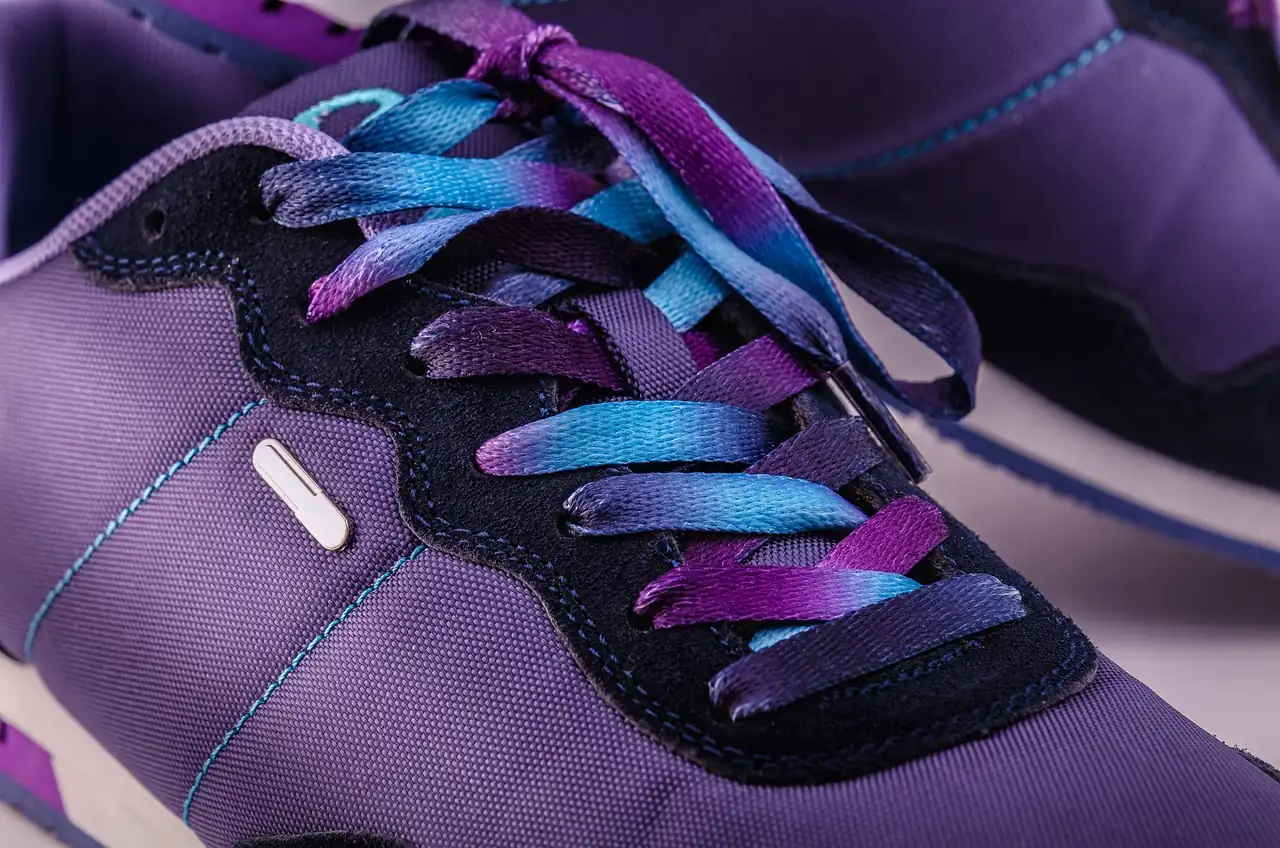
A shoe abrasion almost always starts as a small annoyance, but it can ruin a walk, a workout, or an entire day if ignored. Repeated rubbing against the heel, the side of the foot, or the tip of a toe irritates the skin, increases redness, and, within hours, can open the door to a blister. The good news is that, if treated in time, it usually resolves without major problems.
The key is to act quickly and cleanly. Washing the area, drying it well, disinfecting it, and protecting it from rubbing are simple measures that reduce the risk of infection and relieve pain. When the skin has already lifted or a blister has formed, the goal changes: do not worsen the injury and allow the skin barrier to recover its natural function.
How the injury forms and why it hurts so much
Skin does not tolerate repeated pressure in the same spot very well. When the shoe does not move with the foot, friction acts like a fine, constant sandpaper. It does not take a big impact; just a few minutes of poor fit, heat, and moisture are enough for the epidermis to become irritated and start to sting. That is why many abrasions appear when breaking in new shoes, on long walks, or on hot days, when the foot sweats more than usual.
The heel usually takes the brunt of it because it rubs against the back of the shoe with every step. Injuries are also common on the outer edge of the foot, on the top of the foot if the closure is too tight, and between the toes when moisture softens the skin. Pain does not always indicate severity, but it does warn of a clear mechanical problem. Ignoring it usually makes things worse.
In running, this irritation is especially common in long sessions, when changing shoes, or on runs where the foot swells in the heat. The result is the same as in daily life: a red, warm, and sensitive area that calls for a pause. The sooner it is addressed, the easier it is to stop progression toward a blister.
First-aid care when the skin is already irritated
If the skin is red but there is no open wound yet, the most useful thing is to reduce friction as soon as possible. Taking off the shoe, checking the rubbing point, and changing the sock if it is damp or wrinkled may be enough to stop the problem. After that, it is best to clean the area with water and mild soap, without rubbing, and dry it carefully. Moisture trapped in a fold of sensitized skin becomes an ally of friction.
Once clean and dry, protection should focus on creating a barrier between the skin and the shoe. A suitable dressing, a non-stick gauze pad, or a specific friction protector helps reduce direct contact. The point is not to cover it just for the sake of covering it, but to cushion the exact spot that is being worn down. In a delicate area, poorly placed adhesive can be almost as annoying as the shoe that caused the damage.
If the skin is intact, it is not advisable to scratch, puncture, or peel off what looks like a lifted layer. That film is still protecting the tissue underneath. The temptation to handle the area usually comes at a high cost. A small injury can end up open, painful, and more exposed to infection if handled unnecessarily.
What to do when there is already a blister
A blister is the skin’s defense response to repeated friction. Inside it, clear fluid accumulates, or sometimes a little blood if the pressure has been greater. Although it may look like a simple bubble, it acts as a biological cushion that protects the lower layer while it heals. That is why, if it is closed, small, and tolerable, it is usually better to leave it alone and protected.
Cleaning remains essential. Wash the area gently, dry it well, and disinfect it with a common antiseptic such as chlorhexidine or povidone-iodine, always applied carefully and in moderation. The goal is to prevent a closed injury from becoming an entry point for bacteria. After that, a dressing that does not stick to the skin helps maintain the integrity of the area.
When the blister is large, very painful, or prevents normal walking, professional evaluation makes more sense. In those cases, a specialist can drain it using sterile technique and without removing the skin that covers it, because that layer is still the best protection available. Draining the fluid is not the same as leaving the skin bare. The difference matters a lot during recovery.
What not to do with an abrasion
There are three very common mistakes: keep wearing the same shoe, tear off the lifted skin, and cover the area with an aggressive adhesive. The first mistake keeps the cause of the problem. The second removes a natural barrier. The third can damage the skin even more when removed. Together, they prolong recovery and increase the risk of infection.
It also does not help to leave the area exposed when it will continue to be rubbed. Newly irritated skin has little margin to withstand another friction hit. Protecting does not mean isolating without judgment, but shielding the right area for the right amount of time. In a recent injury, every step counts.
In sports settings, popping a blister with improvised means is not a good idea either. The non-sterile needle, sewing thread, or home remedies add an unnecessary variable. If the pain is intense, hygiene is poor, or the injury keeps returning in the same spot, it is worth seeking proper assessment. The skin on the foot does not forgive improvisation easily.
Common causes behind the rubbing
Footwear is only part of the equation. Foot shape, size, sock type, moisture, temperature, and duration of activity also play a role. A stiff, narrow, or too-large shoe can rub just as much as a small one. When the heel slides up and down with every step, friction multiplies.
Inner seams, hard edges, and poorly finished areas are classic trouble spots. The same goes for new shoes, which have not yet softened or adapted to the shape of the foot. Wearing new shoes without a gradual break-in is an invitation to rubbing. In summer or during long activities, the skin also softens with sweat and tolerates constant contact less well.
In people who exercise regularly, changes in support patterns also matter. A shoe with different geometry, a new insole, or a less technical sock can alter the foot’s stability inside the shoe. The problem usually appears in the details nobody notices at first.
How to choose shoes that do not punish the skin
A comfortable shoe is not just one that squeezes less, but one that distributes forces better. The toe box should leave room for the toes, but the heel must hold without slipping. If the foot moves too much inside, rubbing becomes chronic; if it is compressed, direct pressure irritates even more. Balance is more important than the model’s external appearance.
Materials matter too. Soft inner surfaces, discreet seams, and good breathability usually perform better with prolonged use. A rough interior can turn a normal outing into an uncomfortable experience. In athletic shoes, ventilation helps keep the skin drier and therefore more resistant to friction.
When breaking in new shoes, it is wise to observe how the foot responds during short periods before wearing them all day. A good fit is noticeable quickly: there is no focal pressure, no sudden heat, and the heel stays stable. The right shoe does not need to be broken in through pain.
Socks, moisture, and heat: the invisible allies of abrasions
A bad sock can ruin a good shoe. When it wrinkles, shifts, or has annoying seams, it creates small pressure points that rub with every step. If it also traps moisture, the skin softens and loses part of its defensive capacity. That is why, on long routes or running sessions, the chosen fabric matters almost as much as the shoe.
Moisture is a central factor. A sweaty foot slips more inside the shoe and is exposed to an uncomfortable cycle: more movement, more rubbing, more heat. It is a perfect storm on a centimeter scale. In warm climates or on long days, drying the foot well and changing the sock if it is soaked can make all the difference.
Petroleum jelly or anti-chafing creams are used precisely to create a slippery film between skin and material. They do not fix a poor fit, but they can reduce friction in predictably troublesome areas. They work like a small chemical cushion against mechanical wear.
When the wound needs more attention
Not all abrasions resolve at home with the same ease. If intense redness, persistent heat, pus, bad odor, increasing pain, or spreading area appears, the wound may be becoming infected. It is also worth paying attention when the problem keeps recurring in the same spot, because there may be a structural cause: a poorly chosen size, a troublesome seam, or a foot shape that is not being properly accommodated by the shoe.
Some situations require greater caution from the outset. People with diabetes, circulation problems, or altered foot sensation should not minimize any skin injury. A small blister can become a bigger problem if the skin is slow to respond. In those cases, observation and hygiene are even more important.
Disproportionate pain when bearing weight also deserves attention, even if the injury looks superficial. Sometimes the surface is misleading and the real damage is a bit deeper, or there is such a specific pressure point that it will keep damaging the skin even if the outer wound seems minor. The body warns you before it breaks completely.
Recovery and returning to normal without setbacks
A well-treated abrasion should leave little more than a brief memory. The skin needs cleaning, protection, and rest from pressure in order to regenerate. Keeping the area dry, avoiding the same shoe for a few days, and using a soft protector helps the epidermis close without reopening. Recovery time depends on the depth and the overall condition of the skin, but the important thing is not to reopen the wound by rushing.
In the case of blisters, healing is usually faster if the skin cover is respected and not handled without reason. Healing is more stable when the skin retains its own natural protection. Once the surface is closed, it is best to reintroduce the shoe that caused the problem gradually, watching for any return of heat, pressure, or stinging.
In sports, the return to normal should be measured and practical. A better-fitting sock, a more stable shoe, or a small preventive protector at the critical point is sometimes enough to break the cycle. Prevention is not always sophisticated; it is usually disciplined.
The difference between a passing irritation and a recurring problem
An isolated episode can be explained by breaking in new shoes or by a long day. But when the abrasion keeps coming back in the same area, the issue is no longer just about the skin. There may be poor alignment of the foot in the shoe, a gait pattern that concentrates load in one spot, or a combination of size, shape, and use that keeps pushing the same mistake.
That is where a more detailed reading of the problem comes in. It is not enough to heal the visible wound; you have to understand why that specific point suffers more than the others. The foot does not just rub: it expresses itself through the abrasion. That is why recurrence is a useful clue, not a mere coincidence.
If friction appears frequently, it is better to review the whole setup: sock, shoe, size, seams, activity, and length of use. Sometimes a fine adjustment is enough to stop the chain. Other times the source is in a way of walking that overloads a specific area of the heel or forefoot. The visible injury rarely tells the whole story.
A small annoyance that is worth treating as a serious warning sign
An abrasion is usually not serious at first, but it is a clear warning. It signals that something is rubbing where it should not and that the foot is spending energy defending itself instead of moving normally. In daily life, on a long route, or during training, that signal deserves immediate attention, because the foot works nonstop and any repeated friction adds up quickly.
The sensible sequence is simple: clean, dry, protect, and correct the cause. If there is already a blister, protect even more. If there are signs of infection or the pain does not match a minor injury, seek evaluation. Healing an abrasion properly is, in reality, a way to prevent the problem from becoming something bigger. On the feet, that difference is very noticeable when walking the next day.
That is why the best treatment does not begin when the skin breaks, but when the heel gives the warning. In that brief warning, there is almost always time to stop the damage. Listening in time is the most effective way to walk again without punishment.
Blisters and chafing: when to adjust your shoes or training
During a run, soreness on the heel or between the toes is not something to simply push through: repeated friction can turn a red, irritated patch into a blister and affect your stride. If it starts, stop and check where the shoe is rubbing. Taking it off, changing a damp or creased sock, and protecting the skin may prevent things from getting worse. If the skin is irritated but unbroken, clean it gently, dry it thoroughly, and reduce friction. Don’t puncture a blister or pull away loose skin.
To help prevent rubbing, pay attention to how your shoes fit and to your socks, especially on long runs, in warm weather, or when breaking in new shoes. Check during easy runs that your shoes neither press nor slip before wearing them for a harder session. If the irritation changes the way you run, protect the area and avoid increasing your training load until the rubbing is no longer uncomfortable. Consult a healthcare professional if pain, redness, or other symptoms persist.
Medical reference: Blisters, MedlinePlus (U.S. National Library of Medicine).



How to prevent thigh chafing: causes and real solutions

Women’s running windbreakers: seven jackets and how to choose

Do more workouts get rid of soreness? A guide for runners

Jaén Half Marathon 2026: Record 3,800 Runners Registered

Men’s short running tights: how to choose the right pair

World Triathlon confirms data breach involving medical data

Izan Edo targets podium at Miyazaki World Cup

María Pérez ranks ninth in World Athletics’ 2026 top ten

Dos Santos, Duplantis and Sawe: World Athlete of the Year finalists

San Silvestre Vallecana 2026: 42,000 places, prices and start times

 Races4 months ago
Valencia Half Marathon 2027: date and registration

 Races4 months ago
Valencia Marathon 2026: entry, ballot and course

 Reviews and Comparisons4 months ago
Asics Gel-Roadmiles 3 for men: review and current price

 Reviews and Comparisons4 months ago
Asics Gel Sonoma 8 Gore-Tex: complete analysis for trail and rain

 Sneakers3 months ago
Saucony Endorphin Pro 4: full review and verdict

 News5 months ago
Strava API 2026: what changes for clubs, challenges and runner apps?

 Reviews and Comparisons5 months ago
Nike Alphafly 3: opinions, sensations, and real key points

 Reviews and Comparisons4 months ago
Under Armour running shoes review 2025-2026: models and key features

 Sports Equipment4 months ago
Shoe sizes in cm: a clear guide to getting the right fit for your footwear

 Sneakers3 months ago
Skechers GO RUN Consistent 2.0 analysis: comfort and limits

 News5 months ago
Valencia Marathon 2026 route: key tips to train and run better

 Sneakers4 months ago
Adidas Adizero Boston 13 for men: review and verdict