Health and Nutrition
Foam Roller: exercises, benefits, and injury prevention for runners
Clear guide to choosing, using, and comparing this self-massage accessory: sizes, densities, prices, and mistakes to avoid.

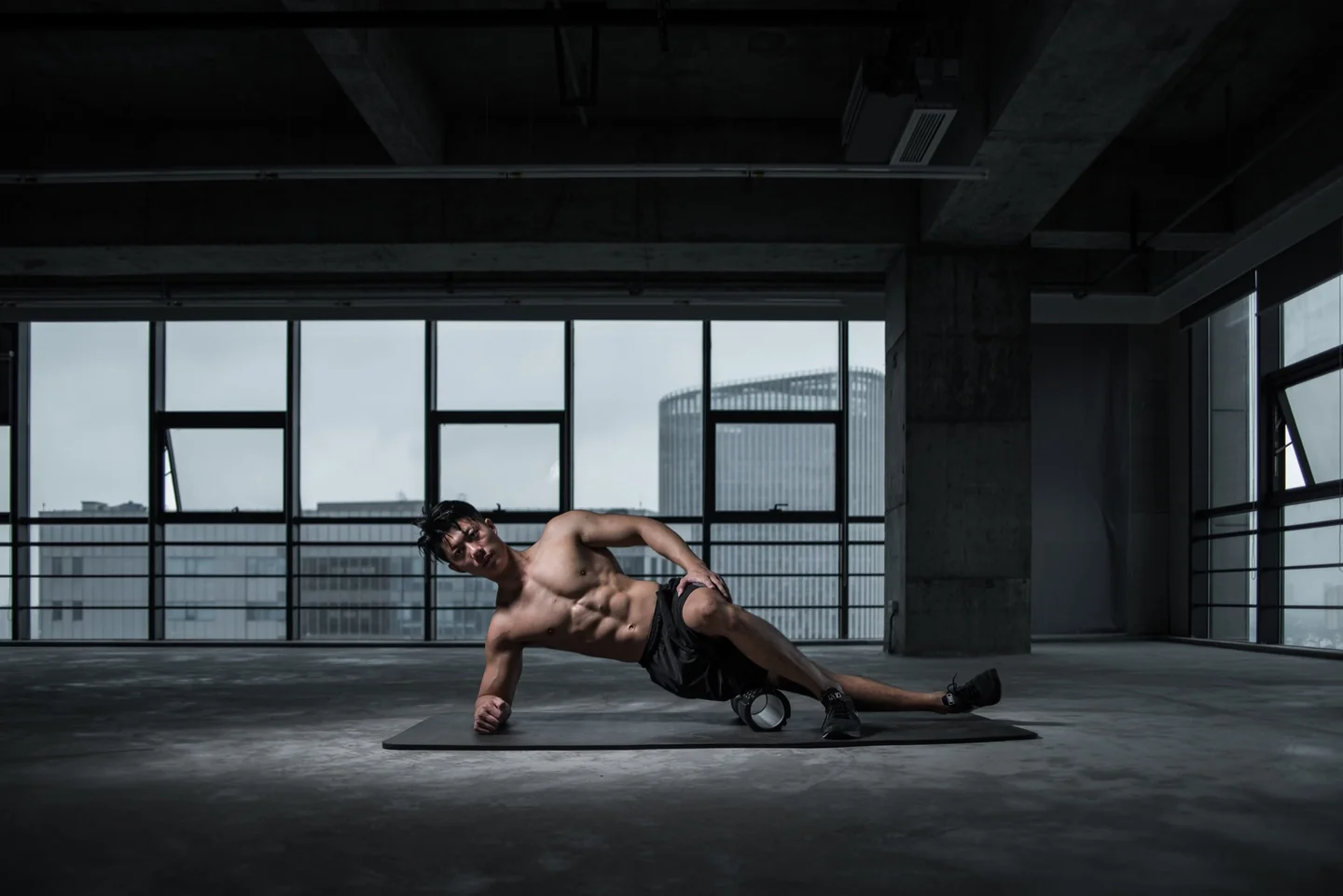
The foam roller has established itself as one of the most visible pieces of recovery equipment in gyms, yoga studios, and homes where training leaves its mark on calves, back, and hips. Its simple shape is deceptive: behind that cylinder lies a tool that can help relieve tension, improve mobility, and round out warm-up or cool-down routines with very little space and a modest investment.
Its presence in the market is massive, with models ranging from short, inexpensive versions of around 10 euros to high-end options that easily exceed 40 euros. The differences are not just in color or brand: length, density, texture, material, and stability all change. Choosing well matters, because not all bodies or all uses tolerate the same firmness or the same format.
What makes a foam cylinder useful in training
The main function of this accessory is to make self-massage easier over large muscle groups. By rolling the body over the surface, controlled pressure is applied to areas loaded by exercise, sedentary habits, or repetitive sporting movements. That pressure does not replace clinical treatment, but it can offer a sense of relief, a specific improvement in mobility, and more complete physical preparation before running, lifting weights, or doing strength work.
In the world of running, the appeal is easy to understand. Runners often accumulate tension in calves, soleus muscles, hamstrings, glutes, and lower back, especially when they increase mileage or chain together intense sessions. A well-chosen roller helps explore those areas without complex equipment. All you need is a stable floor, some time, and the ability to modulate pressure with your own body weight.
The key is not to turn it into an exaggerated promise. It does not magically undo an injury or fix an overload on its own, but it can serve as useful support within broader recovery habits. In a hard training week, that nuance makes the difference between a decorative accessory and a tool with real practical value.
Sizes, densities, and shapes that change the experience
Catalogs from major retailers and specialized brands show a very wide variety, although the most common formats repeat themselves. Short models, around 30 to 33 centimeters, tend to be easier to handle and usually fall in the 9 to 18 euro range in simple versions. Mid-sized ones, at 45 centimeters, often appear between 11 and 26 euros. Long rollers, from 60 to 90 centimeters, cost a bit more and provide more support for the full back, thoracic mobility, or partner exercises for stability and balance.
Length is not a minor detail. A 30- or 33-centimeter roller takes up little space, fits in a backpack, and works well for legs or specific points. In contrast, a 90-centimeter one offers a broader base and conveys more security when used to lie on the thoracic spine or during exercises where the body must remain aligned. For taller people or anyone who wants to work the back more comfortably, that difference is noticeable from the first use.
The sensation also changes with density. Soft foam models feel gentler, while high-density ones press more firmly and are usually preferred by experienced users or those looking for a solid response. In between are medium-density solutions, probably the most versatile for general use. Some include ridges, grooves, or a grid-like surface to increase intensity on specific points; others prefer a smooth, continuous finish that is more predictable and less aggressive.
Material also matters. The market is full of EVA, EPP, and other combinations of hard or coated foam. EVA foam is often associated with a good balance of weight, durability, and cost; EPP frequently appears in very lightweight, structurally stable models. There are hollow-core versions and solid ones, and that construction affects weight, stiffness, and durability. It is not uncommon to see technical sheets claiming support for between 120 and 130 kilos, a figure that reassures users of different builds, although the final feel always depends on the specific construction.
Real prices and what each range buys you
The entry price is usually reasonable. In references seen in Spanish stores, some basic rollers are priced between 8.99 and 11.99 euros, with sizes such as 33 x 14 centimeters or 30 x 8 centimeters. This is the territory of simple, functional models without too many extras. For anyone just wanting to try self-massage or cover specific needs, this range makes it possible to get started without spending much.
In the middle range are products from 14 to 25 euros, whether because of size, density, or brand. In that band, the more balanced formats compete, such as 45 x 15 centimeters or the longer 60-centimeter models, as well as mid-range options from well-known manufacturers. This is usually the sweet spot for most runners and gym-goers, because the cost remains contained and the user experience clearly improves compared with the cheapest options.
Above 30 euros, you’ll see longer, textured rollers or ones associated with brands with a strong reputation in myofascial work. The market offers examples around 34.95, 36.90, 39.95, and 44.90 euros. In these cases, you pay more for the consistency of the material, the ergonomics of the design, durability, or brand experience. You do not always need to go that far, but it is worth knowing that the price difference usually reflects more than just a flashy label.
Complete kits, which include balls, massage sticks, resistance bands, or carrying bags, usually range between 17.85 and 32.99 euros. They are interesting for anyone looking for an all-in-one solution, even if the roller itself remains the central piece. The logic is simple: the cylinder covers broad surfaces; balls or small tools fine-tune the work on feet, glutes, or trigger points.
How to use it without turning it into a harsh session
The pressure should be tolerable, not a test of endurance. The most common mistake is thinking that more pain means more benefit. In reality, too much intensity can trigger muscular guarding, stiffness, and an experience so uncomfortable that nobody will want to repeat it. The goal is for the body to accept the load and gradually relax in response, not for the session to become a contest.
The usual way to start is simple: place the area to be treated on the roller, distribute the weight with your arms or legs, and move slowly. For quadriceps, for example, the body is positioned face down; for calves, the leg is supported with control; for the thoracic back, the roller is placed crosswise and the trunk moves carefully. Pace matters as much as pressure. A slow movement allows you to locate more sensitive areas and prevents the work from becoming just a meaningless sway.
In long-distance running or high-volume training weeks, brief one- or two-minute stretches per muscle group are enough to notice a subjective improvement. Some educational protocols and myofascial release reviews place usage in short ranges, and the scientific literature often suggests that 20 minutes per day at most is more than enough for general recovery purposes. There is no need to stretch it out indefinitely to get a feeling of release.
It is also worth understanding when to use it. Before training, the roller can help wake up the area and improve mobility. Afterward, it fits better as a gentle end to the session. On rest days, it can be used as a recovery tool. What it should not do is replace a full warm-up, strength work, or load management. It is one piece, not the whole board.
Real benefits that do make sense for runners and athletes
The best way to assess this accessory is to look at what it can actually contribute in practice. It improves the feeling of mobility in specific segments, something especially useful when the thoracic spine feels stiff or when the posterior chain is under more strain than usual. After a week of intervals, hills, or gym work, many athletes notice that moving on the roller leaves a useful sense of looseness for training the next day.
Another frequently cited benefit is the reduction of muscle soreness or, at least, of the subjective discomfort it leaves behind. Scientific evidence on foam rolling points to modest but real effects on range of motion and perceived recovery. It is not magic, but it is an affordable, accessible strategy that can fit into post-workout routines without taking much time.
The third front is body awareness itself. Rolling on a firm surface forces you to notice where tension appears, which leg is carrying more load, how the back responds, or which area of the glute tightens first. That information is valuable, because often the problem is not just a lack of recovery, but the accumulation of small compensations that go unnoticed until discomfort arrives. The roller does not diagnose, but it helps you listen to the body better.
For runners, its usefulness for the posterior chain also stands out. Calves and hamstrings often absorb a lot of impact, especially on asphalt, and tension there affects stride, range of motion, and the feeling of fatigue. For anyone alternating long runs with quality sessions, the cylinder can become a simple bridge between effort and cool-down.
What’s the difference between smooth, textured, and half-round rollers?
Smooth models are usually the most intuitive. They distribute pressure evenly and are easy to control. They are a safe bet for beginners, for people sensitive to pain, or for anyone who wants to work the back and legs without too many surprises. Their behavior is reminiscent of a stable surface that supports you without digging in too much.
Textured or grid-style rollers introduce more localized pressure. That geometry is meant to target specific areas and provides a more intense sensation, almost as if the cylinder had small knots distributed across the skin. They are useful, but not essential. For some users, that extra stimulus helps; for others, it is unnecessary. The choice depends more on individual tolerance than on any objective superiority.
There is also the half-round, widely used in balance, posture, or mobility work against the wall. It does not roll like the classic cylinder and serves a different purpose: it provides stability or assistance. It can be interesting in technical sessions, although popular and sports use still centers on the traditional round format. In practice, when someone is looking for self-massage and recovery, they usually think of the old-fashioned cylinder, the one that moves under the body like a small foam tunnel.
How to choose without falling for the most bulky model
The right choice starts with a simple question: which area do you want to work? If the priority is the legs and portability, a size of 30 to 33 centimeters may be enough. If you want more support for the back or a more versatile floor accessory, 45 centimeters offers a reasonable balance. For taller users or anyone seeking greater stability, 60 or 90 centimeters provides a more comfortable experience.
The second decision is firmness. Beginners usually appreciate a medium or soft density. Those who already know self-massage and tolerate pressure well can move up to a firm or textured model. There is no universally best option; there is a more or less compatible option for each body, each tolerance, and each point in the season.
It is also worth checking the weight, finish, and ease of cleaning. A lightweight roller is easier to carry, but it may feel less solid. A more robust one withstands heavier use better. If it is going to be taken to the gym, a park, or a race, size and weight matter. If it is going to stay at home, the priority may be different. The smart purchase is the one that matches a real habit, not a flashy technical sheet.
When it’s better to avoid it or use it cautiously
There are situations in which this accessory should be set aside. A recent injury, an inflamed area, an unhealed wound, or sharp pain without a clear diagnosis are not suitable scenarios for applying pressure with a foam cylinder. Nor does it make sense to load directly on bones, joints, or especially sensitive areas without judgment. The body gives warning signs, and it is wise to listen before pushing further.
For people with specific medical issues, caution should be greater. Anyone dealing with a tear, a recent surgery, a very localized pain episode, or symptoms that do not fit a simple overload should have a prior professional assessment. The roller does not replace a clinical examination, or the opinion of an orthopedist, physical therapist, or other relevant specialist when there are warning signs.
It is also advisable to avoid endless or overly aggressive sessions. The area may end up more sensitive instead of freer, especially if you keep pressing where irritation already exists. The best use is usually brief, specific, and progressive. Often, less is more. That rule, as unglamorous as it is, is what separates practical usefulness from misunderstood enthusiasm.
A humble accessory that has earned its place in everyday sport
The popularity of the foam roller is not the result of an empty trend. It has gained ground because it combines three hard-to-match virtues: affordable price, ease of use, and versatility. It works for the runner looking to loosen calves after a long run, for someone who practices yoga and wants more thoracic mobility, and for the gym enthusiast who needs a quick tool before or after training.
Its success also has something to do with common sense. Compared with more complex equipment, this cylinder offers a direct relationship between movement and effect. The body rests, rolls, responds. There are no screens or settings, just pressure and control. In a sports routine full of metrics, watches, and notifications, that simplicity works almost like a mental break.
Choosing well remains the decisive part. Length, density, texture, and price should align with real use, not with the advertising promise. Anyone who understands that will get more out of a modest tool than from an impulsive purchase. In the end, the value of the cylinder is not in its appearance, but in what it allows you to do with consistency, judgment, and a little patience.
Medical reference: Benefits of Exercise, MedlinePlus (U.S. National Library of Medicine).



How to prevent thigh chafing: causes and real solutions

Women’s running windbreakers: seven jackets and how to choose

Do more workouts get rid of soreness? A guide for runners

Jaén Half Marathon 2026: Record 3,800 Runners Registered

Men’s short running tights: how to choose the right pair

World Triathlon confirms data breach involving medical data

Izan Edo targets podium at Miyazaki World Cup

María Pérez ranks ninth in World Athletics’ 2026 top ten

Dos Santos, Duplantis and Sawe: World Athlete of the Year finalists

San Silvestre Vallecana 2026: 42,000 places, prices and start times

 Races3 months ago
Valencia Half Marathon 2027: date and registration

 Races3 months ago
Valencia Marathon 2026: entry, ballot and course

 Reviews and Comparisons4 months ago
Asics Gel-Roadmiles 3 for men: review and current price

 Reviews and Comparisons4 months ago
Asics Gel Sonoma 8 Gore-Tex: complete analysis for trail and rain

 Sneakers3 months ago
Saucony Endorphin Pro 4: full review and verdict

 News5 months ago
Strava API 2026: what changes for clubs, challenges and runner apps?

 Reviews and Comparisons5 months ago
Nike Alphafly 3: opinions, sensations, and real key points

 Reviews and Comparisons4 months ago
Under Armour running shoes review 2025-2026: models and key features

 Sports Equipment4 months ago
Shoe sizes in cm: a clear guide to getting the right fit for your footwear

 Sneakers3 months ago
Skechers GO RUN Consistent 2.0 analysis: comfort and limits

 News5 months ago
Valencia Marathon 2026 route: key tips to train and run better

 Sneakers4 months ago
Adidas Adizero Boston 13 for men: review and verdict