Health and Nutrition
Cramp in the sole of the foot when running: causes and relief
Sudden pain, stiff fingers, and a cramped arch: causes, immediate relief, and prevention without beating around the bush.

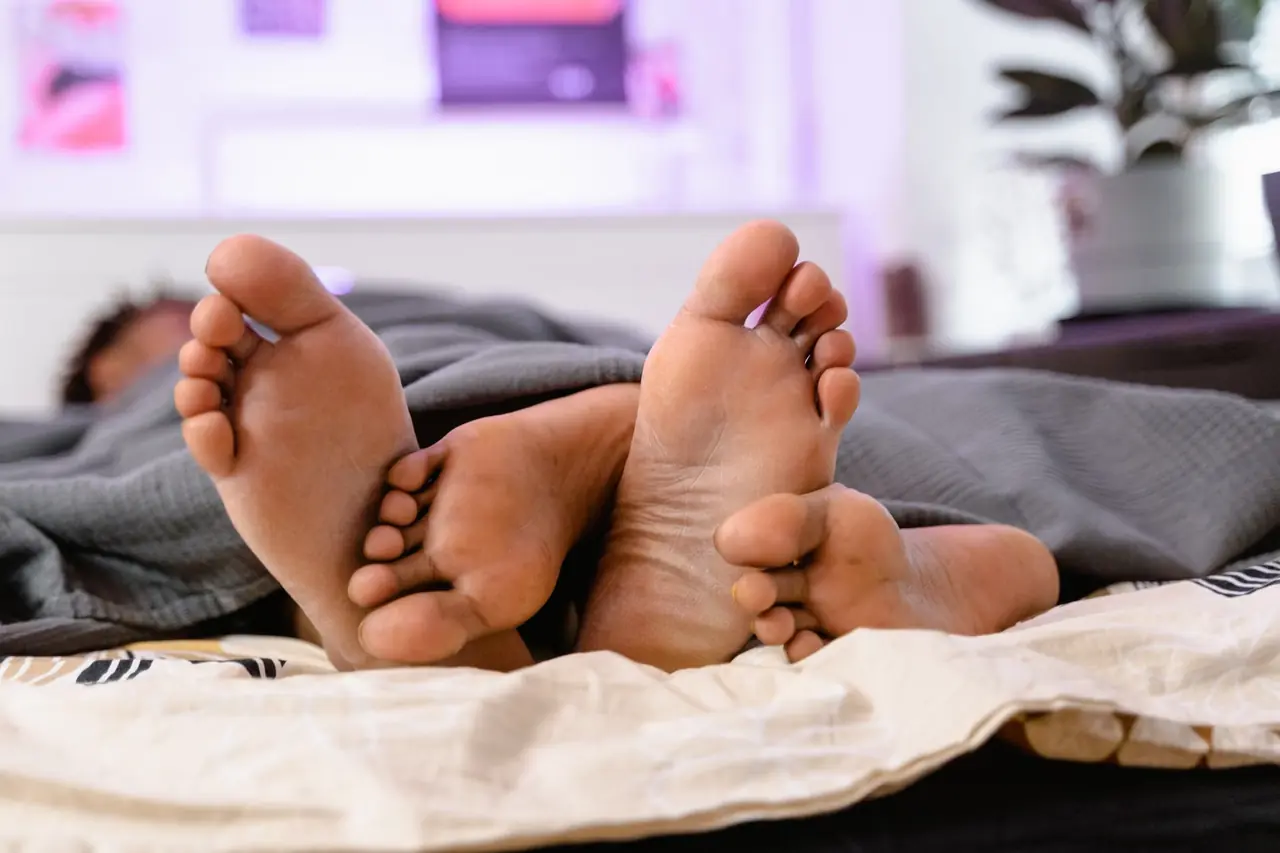
A cramp in the sole of the foot can come on without warning, including in a runner’s day-to-day routine: in the middle of the night, when getting out of bed, or after a long day on your feet. The muscle contracts suddenly, the arch stiffens, and the toes may curl up as if the foot wanted to make itself small. It hurts and can be frightening, though it usually lasts only a short time.
Most of these episodes are benign and temporary, but when they repeat, they disrupt routine more than it seems. They disturb rest, cut short a workout, or turn a normal walk into a series of small jolts. Understanding why they happen, what to do in that moment, and which adjustments reduce how often they occur makes a very concrete difference.
What really happens when the sole cramps up
The cramp is not an injury in the classic sense, but rather an involuntary and painful contraction of the muscle. In the sole of the foot, small muscles are involved, highly sensitive to fatigue, cold, overload, and certain changes in the balance of fluids and salts. When that system becomes unbalanced, the muscle fiber stays tense and it is hard for it to relax.
The sensation can be brief, like a rope that tightens and then releases, or more intense, with sharp pain that forces you to stop. Sometimes it affects the arch; other times, the toes or the inner edge of the foot. In runners, brisk walkers, and people who work many hours standing, the problem appears more easily because the foot spends much of the day bearing continuous pressure.
In practical terms, the body sends an excessive electrical signal to the muscle, the muscle responds with a sudden contraction, and the pain arrives at the same time. It is usually not a serious failure, but it is a useful clue: something in the load, footwear, hydration, or general condition of the body is asking for adjustments.
The most common causes, without beating around the bush or using unnecessary jargon
The most common cause is muscle fatigue. A foot that has walked a lot, run on uneven ground, or spent hours stabilizing the body becomes more prone to spasms. That fatigue affects both the sole and the calf, and both areas are connected by a very tight mechanical chain. If the calf is stiff or shortened, the foot has to work harder.
Dehydration and salt loss also matter. Sweating heavily, drinking too little, having diarrhea, taking diuretics, or training in hot weather can alter the balance of sodium, potassium, calcium, and magnesium. It does not take a major imbalance for the muscle to become more irritable. In that state, the body behaves like a cable under too much tension.
Inappropriate footwear is another frequent suspect. A narrow toe box squeezes the toes and changes how the foot bears weight. A shoe that is too flat or lacks support forces the intrinsic muscles of the foot to work like they are carrying an invisible backpack. And thin flip-flops, as summery as they are treacherous, force the foot to grip so the shoe does not slip off.
Pregnancy, age, some metabolic diseases, and certain medications also play a role. During pregnancy, weight gain, fluid retention, and circulatory changes promote spasms, especially at night. In people with diabetes, hypothyroidism, kidney failure, or vascular problems, cramps can be part of a broader picture that is worth reviewing clinically.
It is also important not to forget circulation and nerves. Poor blood flow, neuropathy, or nerve irritation can make the muscles respond poorly and cramp easily. Not every cramp starts in the muscle; sometimes the problem comes from higher up, from the spine, the nerve, or the blood vessel that supplies that tissue.
How it is recognized by the way it appears
A cramp in the sole usually appears as a sudden clawing. The arch rises, the toes curl, and the foot loses its usual flexibility. In other cases, the person first notices a kind of preceding tension, a brief warning, as if the foot were preparing to close up. Then comes the full episode, with pain and stiffness.
Night cramps are especially bothersome because they interrupt sleep at a moment of maximum relaxation. The held position, the foot pointing downward, and the drop in room temperature can make that spasm more likely. Upon waking, the sole remains sensitive, as if it had made an effort nobody saw.
When they appear during exercise, they are usually linked to overload, heat, or lack of adaptation. This is not unusual in people who suddenly increase training volume, change shoes, or move to more demanding surfaces. In those cases, the foot is not protesting out of caprice: it is protesting because the sum of demand and fatigue has exceeded its tolerance margin.
What to do the exact moment it starts
The priority is to stop the movement that triggered it and bring the foot into a gentle stretching position. Dorsiflexion, that is, bringing the toes toward the shin, usually helps undo the contraction. It is not advisable to force it violently; the muscle is already defending itself, and adding abruptness only increases resistance.
A firm but controlled massage in the arch or the tightest area can relieve the blocked feeling. Sometimes it helps to place the foot on the ground and gradually bear weight so the muscles regain their normal pattern. If you are at home, gentle local heat can help it relax. If there is residual pain or a feeling of inflammation, cold may be more useful afterward.
Hydration does not resolve the episode immediately, but it is part of the correction. Drinking water, and in some contexts electrolyte drinks, helps the chemical environment of the muscle return to normal. In athletes or people who sweat heavily, that difference can be decisive in the medium term.
The most practical maneuver combines three steps: stretch, massage, and rehydrate. That sequence may not be glamorous, but it is effective. It works because it acts on the muscle, local circulation, and the body’s overall state at the same time. After the episode, it is a good idea to walk a few steps slowly to loosen the area.
The factors that most often repeat themselves in runners and active people
In the world of running, the sole of the foot pays many bills: it cushions, stabilizes, propels, and corrects imbalances. If technique changes, if volume suddenly increases, or if the heat is intense, the risk of spasm rises. A very tired foot does not always warn you with joint pain; sometimes it speaks with a dry, sudden, brief cramp.
Misunderstood minimalism can also add problems. Switching to a shoe with very little support without a transition forces the small plantar muscles to work overtime. That does not mean this type of footwear is bad by definition, but rather that adaptation must be gradual. The foot needs time to strengthen what it previously delegated to the sole.
Heat and sweat turn any outing into risky territory if hydration is insufficient. On a long run or an intense session, you lose not only water but also minerals. The sole of the foot, small as it may seem, quickly notices that change because it works near its limit with every step.
Which habits truly reduce recurrence
The most useful prevention starts with two simple actions: stretch the calf and care for the sole. The triceps surae, made up of the gastrocnemius and soleus, pulls on the entire posterior chain. If it is shortened, the foot is more exposed to reflex contractions. A couple of minutes at the end of the day may seem insignificant, but in this area consistency matters more than intensity.
It also helps to review footwear with common sense. The toe box should leave real room for the toes, without compressing them together. The sole should support without becoming as rigid as a board. And if the foot has a demanding arch or a very unstable gait, pressure distribution matters as much as size. A pretty shoe that pinches is still a bad ally.
Strengthening the intrinsic muscles of the foot is useful when there is a tendency toward repeated cramps. Simple exercises, such as picking up a towel with the toes, balancing on one leg, or shortening the foot without curling the toes, improve local endurance. They are modest, almost discreet movements, but they build a firmer base for walking, running, and standing.
Environmental temperature also matters. Sleeping with very cold feet or in positions that leave the ankle pointed makes the nighttime episode more likely. A small change in the blanket, a more neutral posture, or a brief routine before bed can have more impact than any flashy solution. Realistic prevention works better than dramatic gestures.
When there is something more than fatigue behind the spasm
Not all cramps come from the same root. If they appear along with tingling, weakness, burning, or loss of sensation, it is worth thinking about nerves or circulation. In those cases, the foot is not only contracting: it may also be warning of an issue that deserves medical evaluation. The context matters more than the isolated symptom.
Diabetes, hypothyroidism, kidney failure, or certain vitamin deficiencies can alter neuromuscular balance. Some medications can too, especially diuretics and others that change fluid balance or muscle function. If the onset coincides with a change in medication, that detail is not minor. In fact, it is one of the most useful clues for guiding the workup.
Attention should be paid to changes in color, persistent coldness in the foot, marked swelling, or pain that does not feel like a typical cramp. An occasional episode is usually not concerning; a repeated series does deserve a broader look. Foot medicine, like almost all good medicine, begins with carefully listening to the pattern.
Why they are more noticeable at night
During sleep, the muscles relax, but the ankle often remains in a position that shortens the posterior chain. That apparently small detail is enough to make spasm more likely in predisposed people. If the day has also been long, the combination is perfect: accumulated fatigue, cold, less movement, and prolonged rest.
Night also strips symptoms bare because there are no distractions. During the day, a cramp may resolve and remain just an anecdote; at dawn, the pain wakes up with all its intensity. That is why gentle routines before bedtime usually work better than any improvised reaction at three in the morning.
In these cases, it helps to stretch the calves and sole for two or three minutes before sleeping. There is no need for a long session or technical complexity. Repetition matters more than heroics. A modest gesture, done every night, reduces the likelihood that the muscle decides to contract on its own.
A very familiar story: work, heat, and the wrong shoes
A middle-aged delivery worker, on his feet for almost the entire day, began to notice that the sole of his foot was cramping at the end of his shift. At first it was a mild sensation, then nighttime cramps, and later small episodes when getting up from his chair. He did not have an obvious injury, but he did have several accumulated factors: sweat, few breaks, narrow shoes, and stiff calves.
The problem was not solved with a single measure. It improved by reducing pressure from the footwear, hydrating better, introducing brief stretches at the end of the day, and changing how effort was distributed. The muscle stopped living on the edge. That is the underlying idea: a cramp is rarely due to one single miraculous or dramatic cause; it usually appears when several small tensions line up.
The useful thing about cases like this is that they leave a simple lesson. There is no need to turn every discomfort into a tragedy, nor to dismiss it by default. It is enough to observe what changed before the episodes began. The body usually gives warning in time, even if it does so in an uncomfortable language.
Signs that justify medical evaluation
Frequency matters. An occasional cramp fits within normality, but if it happens almost daily, wakes you every night, or already affects your walking, it should be studied. Repetition changes the clinical value of the symptom. So does intensity: pain that leaves the foot useless for minutes deserves more attention than an isolated mild one.
The combination with other signs is equally relevant. Weakness, numbness, loss of sensation, wounds that do not heal, swelling in one leg only, or changes in temperature and color are clues that force us to think beyond the muscle. In people with diabetes, vascular disease, or kidney problems, the margin for ignoring the symptom is smaller.
When an evaluation is appropriate, electrolytes, glucose, thyroid, kidney, or liver function, vitamin B12, and, if suspected, the circulatory or neurological status may be reviewed. Not everything is looked at all at once or in the same way, but that set of data helps avoid staying only on the surface of the pain. The goal is not to chase a rare name, but to understand what is pushing the muscle to act this way.
A brief routine that is worth more than flashy solutions
Useful prevention fits into very little time. A couple of minutes of calf stretching, another brief focus on the plantar fascia, and an honest review of footwear already change the picture. Add to that drinking regularly, not waiting until you are thirsty, and replacing salts if sweating has been heavy. Small repeated actions outperform big improvised ones.
It also helps to observe the context: many hours standing, changes in training, heat, poor sleep, or an overly restrictive diet. A cramp in the sole of the foot does not appear in a vacuum; it is usually the final spark in a chain of overloads, habits, and circumstances. Identifying that chain makes it possible to cut off the problem before it becomes habitual.
In the foot, as in almost everything that supports the body, stability is built without noise. A less fatigued muscle, a wider toe box, a better-hydrated night, and a sole that is no longer living in tension can change much more than it seems. Sometimes relief begins simply when the foot stops working against itself.
Foot sole cramps: how they can affect your running
A cramp in the sole of the foot can interrupt an easy run, a long run, or even your recovery if it wakes you at night. Fatigue after running, lots of walking, or uneven terrain may mean the small muscles in the foot have been working harder. It is also worth noticing whether your calves feel tight, you have been sweating heavily, or your shoes squeeze your toes or make you grip with your foot. These factors will not explain every cramp, but they can help you review your routine.
If a cramp starts while you are running, slow down or stop somewhere safe. Try to relax your foot and gently stretch the sole and calf without forcing the movement or bouncing; wait for it to ease before you start again. If the pain makes it difficult to put weight on the foot, do not try to finish the session at all costs. Afterwards, note when it happened, how far you had run, the terrain, the heat, and how your shoes felt. This may help you spot a pattern.
To reduce the chance of recurrence, build your training load gradually and avoid stacking hard sessions when your feet are already tired. Check that your running shoes feel comfortable and leave room for your toes; do not save an untested pair for race day. In hot weather or when you sweat heavily, pay attention to your usual hydration habits, without taking supplements on your own. A gradual warm-up and gentle ankle and calf movements can help prepare your feet. If cramps keep recurring, are severe, or persist, consult a healthcare professional.
The foot speaks quietly, but it usually warns in time
A cramp in the sole of the foot is usually not a major alarm, but it is a clear message. It speaks of fatigue, load, footwear, hydration, or some general factor that is upsetting the muscle’s balance. Ignoring it is usually not dramatic; repeating it does end up taking a toll on rest, walking, or training.
The wisest response combines immediate relief, sober prevention, and attention to warning signs. Stretching, massaging, drinking, checking the shoe, and paying attention to repeated patterns are far more effective than waiting for it to go away on its own over and over again. The foot rarely asks for too much; it usually asks, simply, to be looked at carefully.
When the episode is isolated, the body can move on without further issue. When it becomes a habit, the map changes. And that change, however small it may seem, deserves to be read carefully: in the sole of the foot, as in an instrument string, just one tension in the wrong place is enough for everything to sound different.
Medical reference: Foot cramps, Cleveland Clinic.



How to prevent thigh chafing: causes and real solutions

Women’s running windbreakers: seven jackets and how to choose

Do more workouts get rid of soreness? A guide for runners

Jaén Half Marathon 2026: Record 3,800 Runners Registered

Men’s short running tights: how to choose the right pair

World Triathlon confirms data breach involving medical data

Izan Edo targets podium at Miyazaki World Cup

María Pérez ranks ninth in World Athletics’ 2026 top ten

Dos Santos, Duplantis and Sawe: World Athlete of the Year finalists

San Silvestre Vallecana 2026: 42,000 places, prices and start times

 Races3 months ago
Valencia Half Marathon 2027: date and registration

 Races3 months ago
Valencia Marathon 2026: entry, ballot and course

 Reviews and Comparisons4 months ago
Asics Gel-Roadmiles 3 for men: review and current price

 Reviews and Comparisons4 months ago
Asics Gel Sonoma 8 Gore-Tex: complete analysis for trail and rain

 Sneakers3 months ago
Saucony Endorphin Pro 4: full review and verdict

 News5 months ago
Strava API 2026: what changes for clubs, challenges and runner apps?

 Reviews and Comparisons5 months ago
Nike Alphafly 3: opinions, sensations, and real key points

 Reviews and Comparisons4 months ago
Under Armour running shoes review 2025-2026: models and key features

 Sports Equipment4 months ago
Shoe sizes in cm: a clear guide to getting the right fit for your footwear

 Sneakers3 months ago
Skechers GO RUN Consistent 2.0 analysis: comfort and limits

 News5 months ago
Valencia Marathon 2026 route: key tips to train and run better

 Sneakers4 months ago
Adidas Adizero Boston 13 for men: review and verdict