Health and Nutrition
Injuries to the sole of the foot when running: causes and care
Injuries on the sole of the foot: cleaning, protection, infection risks, and warning signs in runners and walkers.

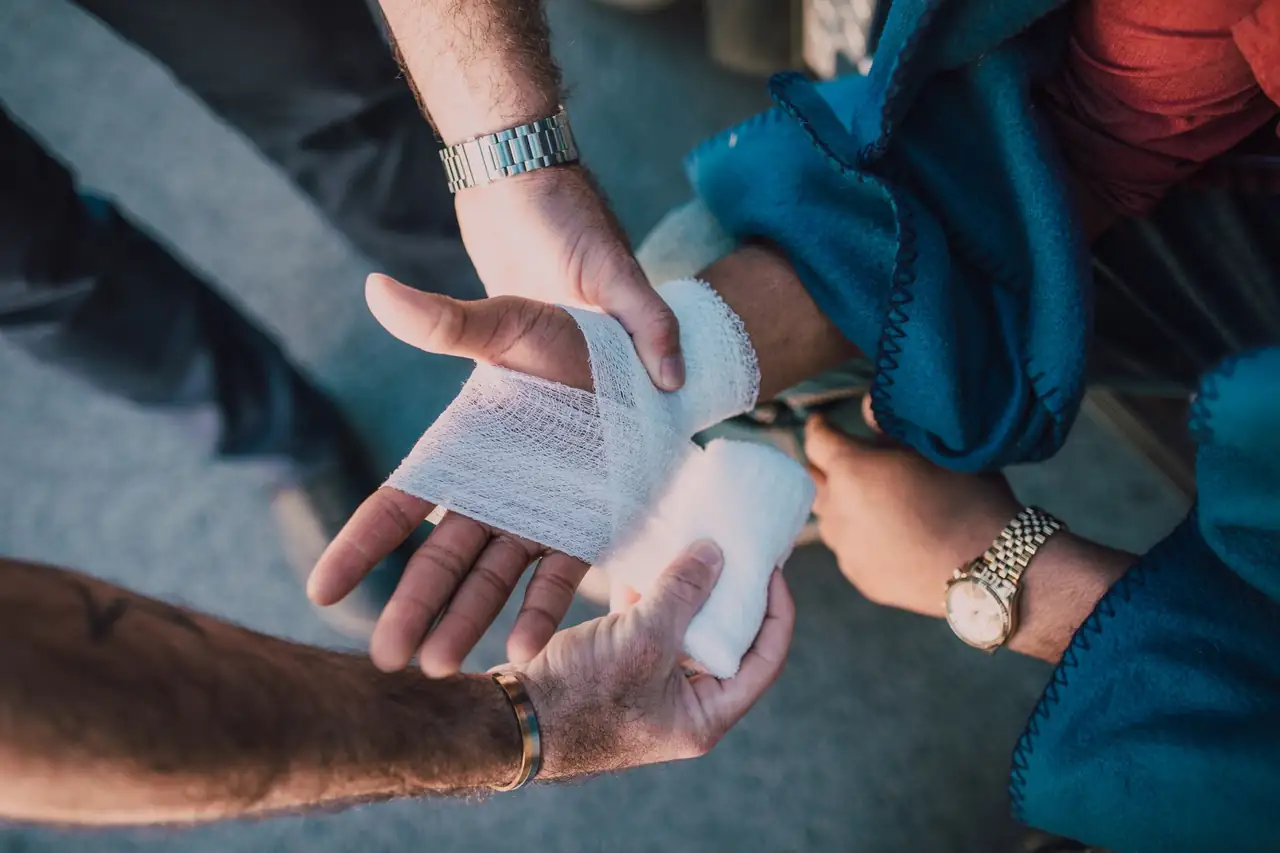
Injuries to the sole of the foot can start as a minor discomfort while running, almost like a splinter, and within hours make it difficult to put weight on the foot, train, or even walk. The skin there is exposed to repeated pressure, sweat, heat, and friction; once it breaks, every stride can irritate it further. So simply covering the injury is not enough: it is important to clean it carefully, take pressure off it, and monitor how it is healing before running again.
In sports, hiking, or everyday life, the problem appears through different paths but follows the same logic. A poorly treated blister, a puncture from a stone or nail, prolonged rubbing from a damp sock, or a crack that opens with every stride can end up as a painful plantar wound and, at times, an infected one. The difference between a minor injury and a complicated case is usually found in the first few hours: the sooner the area is disinfected and protected, the lower the risk of it getting worse.
Why the sole of the foot is injured so easily
The sole of the foot is tough ground, but not invulnerable. With every step it concentrates load, torsion, and rubbing, a combination that wears down the skin like sandpaper when repeated over miles. If there is also moisture, the outer layer softens and loses resistance. That is where blisters, fissures, deep chafing, and pressure wounds arise, very common in runners, hikers, and people who spend many hours on their feet.
There are factors that increase the risk without making a sound. Shoes that are too tight or too loose, a poorly placed seam, an insole that does not distribute the load evenly, or a sock that traps sweat may be enough to cause the skin to split. On long routes, fatigue makes the problem worse: footing becomes less precise, technique gets messy, and friction concentrates in the same spots. A large injury is not always needed for the sole of the foot to become a vulnerable area.
It is also important to distinguish the cause. A friction blister is not the same as a puncture wound or a fissure associated with dry skin or diseases such as diabetes. Appearance can be misleading: a small puncture can leave a deep entry path for bacteria, while a superficial sore may hurt more than it seems. That difference determines treatment and, above all, the level of monitoring it requires.
What to do in the first few hours
The priority is simple and leaves no room for improvisation: wash, dry, disinfect, and offload. If the skin is open, it is advisable to rinse the area with running water or saline to remove dirt and visible debris. Then dry it gently, without rubbing, because friction on damaged tissue is like gasoline on embers. An appropriate antiseptic can help, although the choice depends on the type of wound and the sensitivity of the skin.
In puncture wounds, especially if they have gone through the sole of a shoe or there are remnants of material left inside, caution matters more than the habit of simply carrying on walking. These injuries may look minor on the outside and yet be deep. Bacterial entry into a closed area favors painful infections and abscesses. If there is a foreign body, intense pain when bearing weight, increasing redness, or discharge, medical evaluation is no longer optional.
Aftercare should avoid trapping moisture. A clean, breathable, well-secured dressing is usually better than an overly occlusive covering, because the foot needs to breathe so the healthy skin around the injury does not become macerated. When friction is unavoidable, local padding or a temporary change in weight-bearing can make the difference between a wound that heals and one that reopens every time the heel touches the ground.
Signs that the injury is not minor
Persistent pain is a warning sign, but not the only one. A red border that spreads, local heat, swelling, bad odor, or pus indicate infection. Worsening after 24 or 48 hours is also concerning, especially if the area becomes more sensitive at rest than it was at first. On the sole of the foot, the tissue is under so much pressure that an infection can hide deep inside before becoming visible on the surface.
Wounds with stitches in that area require special care. Plantar skin endures continuous mechanical stress, so a suture can open if you walk too soon or without proper protection. In those cases, the instruction not to bear weight or to limit loading greatly is not an exaggeration; it is a way to give the wound time to close without tension. Forcing the foot can turn a simple repair into a reopening that is difficult to manage.
There are general warning signs that require prompt medical assessment: fever, red streaks traveling up the foot or leg, rapid increase in pain, numbness, color change, or inability to bear weight. In people with diabetes, poor circulation, or neuropathy, any plantar injury deserves more attention than usual because reduced sensation can hide worsening until the condition is already advanced.
How blisters, chafing, and cracks heal
Blisters are the most visible form of the conflict between skin and friction. When they are closed and small, their skin roof acts as a natural barrier, and often it is best to keep it intact if it does not bother you too much. If they open, the priority becomes cleaning, protecting, and preventing fluid and dirt from turning the area into a vulnerable patch. At that point, the skin is no longer a cushion and becomes an open wound exposed to the ground.
Dry cracks and sores require a different approach: restoring the skin barrier and reducing pressure on the exact point that keeps splitting. A dry area on the heel or arch can crack like clay under the sun if the same support is repeated again and again. Keeping the skin flexible, using materials that minimize friction, and checking overload areas in time helps more than quick fixes that promise to close everything at once.
Healing or barrier products can be useful when properly chosen and used on a clean wound. They provide hydration, protect against friction, and create a less hostile environment for repair. Even so, no topical treatment can compensate for poorly distributed pressure. Without mechanical offloading, the sole of the foot keeps working like a poorly greased axle: it eventually gives way again in the same place.
Infection, tetanus, and other complications that should not be underestimated
Plantar puncture wounds deserve special monitoring because of the possibility of deep infection. The skin may close over the top and trap contamination in the deeper layers, as if sealing a bag with debris inside. That is one of the reasons why a puncture from a nail, glass, or sharp object is not treated the same as a simple abrasion. In addition, certain bacteria find a favorable environment in these wounds if there is moisture and damaged tissue.
Prevention of tetanus remains a basic part of management when the injury is dirty, deep, or caused by a contaminated object. Although vaccination has greatly reduced its impact, it should not be taken for granted. In clinical practice, vaccination status and the type of wound guide decisions. Ignoring that detail would be like looking only at the visible part of an iceberg and forgetting what lies beneath the water.
It is also worth remembering that infection does not always appear dramatically. Sometimes it begins with a vague discomfort, a strange pressure while walking, or a wound that does not improve despite care. If pain increases instead of decreasing, or if the edge of the injury stops moving toward closure, it is reasonable to think that something is interfering with healing. The body sends warnings, but not always clearly.
Runners and hikers: where it happens most often
In running and hiking, the sole of the foot works like a shock absorber subjected to thousands of impacts. Long sessions, heat, elevation changes, and unsuitable gear turn a calm outing into a friction factory. Weight-bearing zones change with fatigue and terrain, which explains why the same shoe can work on pavement and become a problem on trails, dirt, or mountains.
Moisture is a silent enemy. A soaked sock not only weighs more: it also changes the slip between skin and fabric and increases the risk of blisters. The same happens with insoles saturated with sweat or shoes that do not release heat well. On long routes, the problem builds little by little, like sand at the edge of a door, until the skin can no longer hold out. The injury then appears exactly where the foot suffers most: the arch, the metatarsal area, or under the toes.
That is why reading the wound correctly is not limited to looking at the cut or blister. You have to think about the environment that caused it: accumulated miles, temperature, humidity, terrain type, and shoe fit. That broader view prevents repeating the same mistake the next day. Healing is important; understanding why the skin broke is even more important.
When it is advisable to stop and seek medical evaluation
Some wounds can be managed at home with strict hygiene, proper covering, and relative rest. But a deep puncture, a wound with a foreign body, a wound that is oozing, a very inflamed area, or an injury in someone with diabetes or circulation problems requires professional evaluation. On the sole of the foot, the margin for error is smaller because constant weight-bearing turns any delay into extra load on the tissues.
A wound that does not improve over several days or that keeps recurring in the same place also deserves attention. Sometimes the problem is not only in the skin, but in pressure distribution, a gait abnormality, a worn-out insole, or shoes that no longer match the actual shape of the foot. In that case, the symptom acts like a repeated alarm. It should not be silenced; it should be listened to.
The practical message is clear: plantar wounds are less likely to complicate when treated promptly and no longer irritated. Cleaning, protecting, monitoring, and offloading are not a glamorous recipe, but they are the most effective in the vast majority of cases. In an area where every step rewrites the injury, patience is worth more than haste.
How sole-of-foot injuries affect your running
When you run, every foot strike repeats pressure and friction on the sole. During a long run, sweat can soften the skin, while a seam, a bunched-up sock, or a poor shoe fit can concentrate rubbing in one spot. Fatigue may also change your foot strike and put extra load on an area. Blisters, abrasions, or cracks can develop and, over more miles, may break open or become painful again.
If you notice a local burning sensation, a blister, or broken skin, do not try to finish the session by changing your stride. That altered movement may irritate other areas. Stop, rinse the wound with clean running water or saline, pat it dry, and cover it with a clean dressing. Avoid running if putting weight on the foot hurts, the wound keeps reopening, or you are limping. Puncture wounds need particular attention even when they look small, especially if something may be embedded.
Watch for increasing redness, warmth, swelling, or pain, as well as any discharge. Seek advice from a healthcare professional if these signs appear, after a puncture wound, or if symptoms persist. It is also sensible to ask for advice if you have diabetes or circulation problems. Do not return to intervals or long runs just because the pain has eased: wait until the skin has closed and walking is comfortable. When you resume, start with a short, easy run. Check your shoe fit, socks, and insoles, and stop if rubbing returns.
Prevention starts before pain appears
The best strategy is the one that prevents the skin from breaking. Well-fitting shoes, without aggressive seams or excessive looseness, reduce a significant part of the problem. Technical socks help wick away sweat and keep friction under control. On long distances, checking the condition of your feet during breaks may seem minor, but it often catches a blister in time, when it is still reversible.
The skin also needs some maintenance. Extreme dryness favors cracks, while too much moisture softens the surface and makes it more fragile. The balance is delicate, like almost everything involving the foot. Proper skin hydration, without leaving too much greasy residue before running or walking, helps preserve elasticity without turning the area into a slippery surface. Neither hard as leather nor softened like wet paper: that is the sweet spot.
At heart, the sole of the foot tells the story of how a person moves. Every injury speaks of load, support, gear, and time. Listening to that story helps correct things before the skin opens. And when it has already opened, the response remains just as sober: thorough cleaning, protection, observation, and respect for healing. In that quiet balance, almost everything is decided.
A plantar wound may seem like a minor accident, but its location makes it capricious and demanding. Constant pressure, moisture, and friction turn any oversight into a delay in healing. That is why it should be treated with the seriousness of an injury that, although small, takes part in every step of the day. The sole of the foot does not forgive improvisation, and precisely for that reason prevention and basic care remain the most valuable tools.
Medical reference: Foot wounds and infections, NHS.



How to prevent thigh chafing: causes and real solutions

Women’s running windbreakers: seven jackets and how to choose

Do more workouts get rid of soreness? A guide for runners

Jaén Half Marathon 2026: Record 3,800 Runners Registered

Men’s short running tights: how to choose the right pair

World Triathlon confirms data breach involving medical data

Izan Edo targets podium at Miyazaki World Cup

María Pérez ranks ninth in World Athletics’ 2026 top ten

Dos Santos, Duplantis and Sawe: World Athlete of the Year finalists

San Silvestre Vallecana 2026: 42,000 places, prices and start times

 Races3 months ago
Valencia Half Marathon 2027: date and registration

 Races3 months ago
Valencia Marathon 2026: entry, ballot and course

 Reviews and Comparisons4 months ago
Asics Gel-Roadmiles 3 for men: review and current price

 Reviews and Comparisons4 months ago
Asics Gel Sonoma 8 Gore-Tex: complete analysis for trail and rain

 Sneakers3 months ago
Saucony Endorphin Pro 4: full review and verdict

 News5 months ago
Strava API 2026: what changes for clubs, challenges and runner apps?

 Reviews and Comparisons5 months ago
Nike Alphafly 3: opinions, sensations, and real key points

 Reviews and Comparisons4 months ago
Under Armour running shoes review 2025-2026: models and key features

 Sports Equipment4 months ago
Shoe sizes in cm: a clear guide to getting the right fit for your footwear

 Sneakers3 months ago
Skechers GO RUN Consistent 2.0 analysis: comfort and limits

 News5 months ago
Valencia Marathon 2026 route: key tips to train and run better

 Sneakers4 months ago
Adidas Adizero Boston 13 for men: review and verdict