News
Heat blisters from running: socks, sweat, and real prevention
Heat, sweat and friction make the perfect combination to punish a runner’s feet. These are the keys to stopping them.

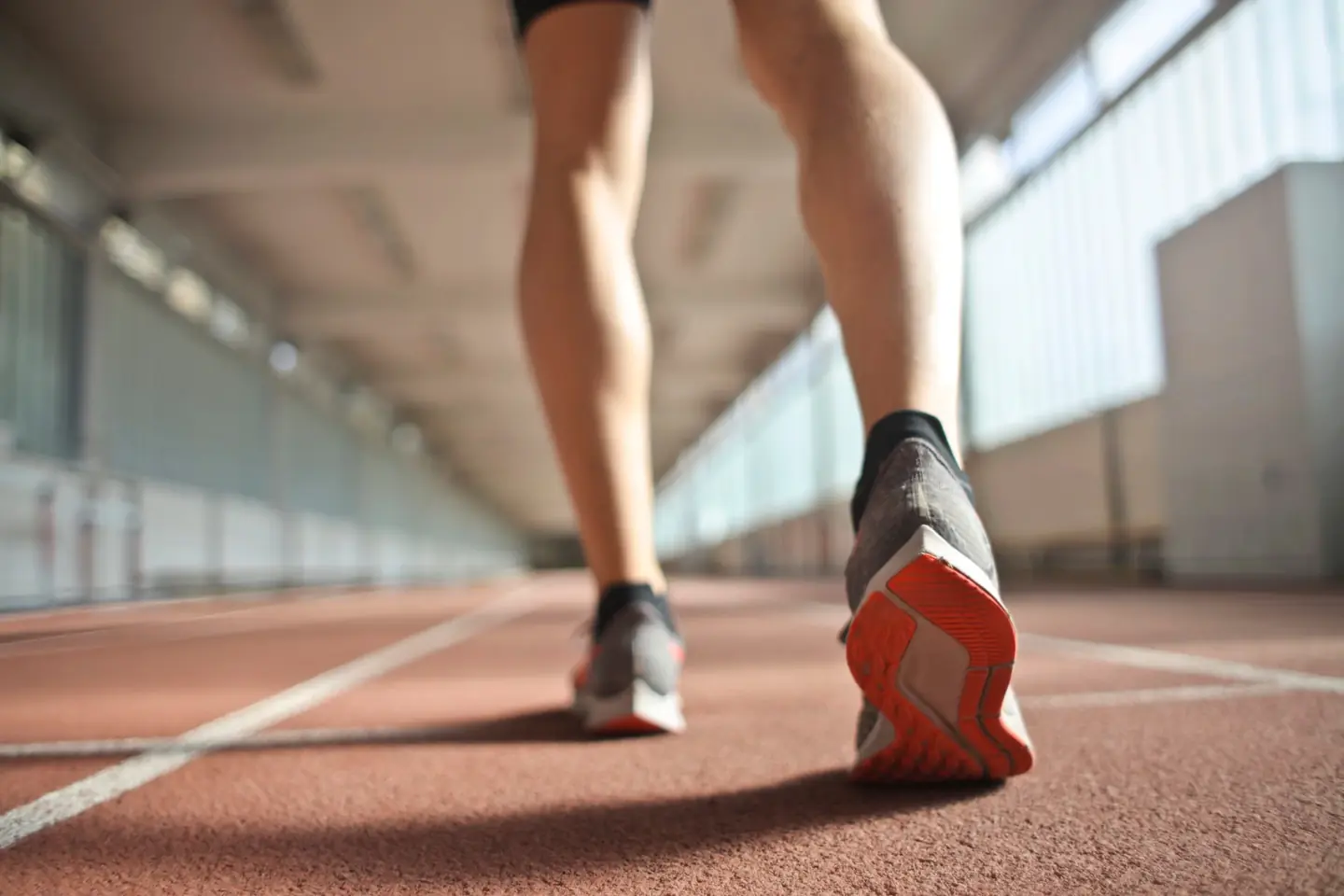
Heat turns every kilometer into a small friction laboratory. When the asphalt heats up and sweat builds up inside the shoe, the skin on the foot loses resistance and rubbing finds the perfect ground to open a blister. In summer, or in any long session with high humidity, the problem usually doesn’t come from a single failure, but from a sum of details: a seam, a poor fit, a sock that holds water, a run that goes on longer than it should.
Most of these injuries aren’t serious, but they are treacherous. They start as an almost imperceptible burning and, in a few minutes, can turn a comfortable run into a succession of awkward footfalls. In running, excess heat doesn’t just increase sweat; it also softens the outer layer of the skin and speeds up friction between foot, sock and shoe, the trio most often behind blisters in the warm months.
Why heat makes the problem explode in the runner’s feet
The skin on the foot is made to تحمل load, not to slide over and over on a wet surface. When the temperature rises, sweat does its cooling job, but it also changes how the skin behaves. It makes it more fragile, more macerated, less able to withstand repeated micro-impacts. If there is also prolonged pressure, the surface tissue separates from the lower layers and the characteristic fluid-filled bubble forms.
You don’t need an extreme race for a blister to appear. A relatively normal combination is enough: a one-hour outing in the heat, a sock that holds moisture, a snug toe box or a heel that slips. On long runs, the skin takes thousands of impacts and tiny slips. Each one is minimal, almost invisible; together, however, they draw the perfect map of rubbing. The runner notices it first as a hot spot, then as stinging, and finally as pain with every stride.
Summer adds another factor that often goes unnoticed: the volume of the feet changes. With heat, mild swelling and the natural dilation of tissue make the foot take up more space inside the shoe. A model that seemed fine in the morning can feel tight by midday. That lost margin favors pressure on the toes, the instep or the edge of the heel, especially on routes with downhills or pace changes, where the foot moves more inside the shoe.
The situations where the risk really grows
Blisters appear more often in runners who are trying new gear, coming back after a break, or suddenly increasing their load. The foot needs adaptation, and heat accelerates any mismatch. A new shoe hasn’t yet given enough, a different sock may move differently, and a run that goes longer than planned multiplies exposure to rubbing. In marathons and half marathons, the problem becomes more visible because the skin accumulates hours of contact and moisture.
Surface and weather also play a role. Running on hot asphalt, hard paths or stretches with fine dust can alter your stride and force micro-compensations. On trails or uneven sidewalks, the foot looks for stability inside the shoe and slips a little more. If the outing coincides with high humidity, warm rain or intense sweating, the skin loses that safety margin that on cooler days usually holds up without issue.
Some feet suffer more than others, and that matters. Bunions, claw toes, a very high arch, a wide forefoot or poorly cut nails alter pressure distribution. It’s not a minor detail: a tiny bony prominence can become the exact point where the shoe keeps pressing again and again. The same happens with internal seams, a poorly seated insole or a tongue that moves. The body translates it into heat, then rubbing, and then a blister.
Shoe fit, the first line of defense
A good pair of shoes isn’t the most expensive or the flashiest, but the one that follows the foot’s natural movement. When they’re too tight, they compress and create pressure in specific areas. When they’re too loose, the foot shifts and produces friction. In both cases, the skin takes a constant beating. That’s why fit should be checked calmly, ideally at the end of the day, when the foot is a bit more swollen and the real size is closer to what it will be during a demanding workout.
Toe box room matters more than it seems. It’s worth leaving enough space for the toes to spread, especially on long runs and downhills. If the big toe rubs against the front with every impact, the blister can appear under the nail, at the tip or on the side. In summer, when the foot swells from the heat, that small margin becomes even more important. A shoe that leaves half a finger’s width in normal conditions can feel tight after thirty minutes of effort.
Heel and midfoot hold also deserve attention. A heel that lifts with every stride creates an almost invisible but constant friction, like a soft, persistent sandpaper. Lacing can correct part of that movement, but it won’t make up for poorly chosen footwear. In specialty stores, trying several models with your usual socks and walking around for a few minutes helps detect whether the last presses too much on the forefoot or whether the heel counter rubs where it shouldn’t.
Technical socks: the detail that makes the difference
Cotton is the great silent enemy on hot days. It holds moisture, takes longer to dry and turns the inside of the shoe into a soft environment, more prone to friction. Technical socks, on the other hand, are designed to wick sweat away and stabilize the skin. Synthetic blends, fine merino wool and quick-drying fabrics work better because they keep the foot drier and reduce that dragging sensation.
Thickness doesn’t always mean protection. A sock that’s too thick can add heat and take up unnecessary space, while one that’s too thin can slip or cushion nothing at all. What matters is that it fits firmly, without wrinkles, without folds and without annoying seams at the toe. In summer, the balance is usually found in light, breathable, well-fitting models, capable of managing sweat without turning into a sponge.
It’s also worth checking the condition of the sock. An old pair, stretched out or with tired fibers no longer holds the same way. It loses structure, moves more and leaves more room for rubbing. It seems like a minor detail, but in running the small failures are paid for quickly. Likewise, changing socks on a very long run or after they’ve been completely soaked can reduce maceration and prevent a simple irritation from turning into an injury.
How to stop friction before the blister appears
Anti-friction products don’t replace good gear, but they can close the door on many problems. Petroleum jelly, stick balms, specific creams or lubricants for runners create a sliding layer on specific points: heel, toes, sides of the forefoot or the arch area. Their effect is mechanical, not magical. They reduce direct contact and ease pressure in areas you already know tend to get irritated easily.
Preventive taping also makes sense when there’s a clear history. A hydrocolloid bandage, sports tape or a well-placed protective patch can act as a shield at the exact point where the problem always starts. The key is to apply it on clean, dry skin, without wrinkles and with the edges well secured. If the heat is intense and sweat is heavy, a poorly stuck patch can peel off and make things worse in a rebound effect.
Skin hydration deserves a more precise reading. Dry, cracked skin rubs worse, but skin that’s overly coated right before running can also slip more than it should. The sensible thing is to keep the feet cared for regularly, preferably at night, and reserve before heading out the products that really reduce rubbing in specific areas. In summer, that balance between elasticity and grip is decisive.
Basic foot-care routine on hot days
Clean, dry feet withstand a demanding session better. Washing them regularly and drying carefully between the toes reduces the residual moisture that later feeds friction. On long training days, changing shoes after the session and not staying with a wet foot inside a sweaty sock helps more than it seems. The skin appreciates the break almost as much as the muscles do.
Short, straight nails prevent a very common kind of rubbing. If they grow too long, they push against the toe box and create extra pressure with every impact. There’s no need to obsess over perfection; just trim them regularly and file the corners so they don’t act like little spikes. Over long distances, a poorly cared-for nail can irritate as much as an uncomfortable seam.
Calluses aren’t always bad, but they shouldn’t be ignored either. A moderate layer of thickened skin protects, while an excessive callus alters support and creates pressure points. The goal isn’t to leave the foot soft like a sponge, but to keep a stable, flexible surface. When the skin is very worn down, any sudden increase in volume, moisture or heat can trigger the problem in a matter of minutes.
What to do when the first warning appears
A hot spot is a warning sign, not a decorative annoyance. If the area starts to burn, it’s worth stopping, checking the sock and seeing whether the insole has shifted or the lacing has loosened. Sometimes just repositioning the gear is enough for the rubbing to disappear. Other times, though, you need to protect the area immediately with a patch or bandage before continuing. Ignoring it usually costs more later.
If the blister has already formed, the priority is to protect it. In most cases, the skin covering it acts as a natural barrier against infection. Popping it without need opens a door that wasn’t there before. A small blister, without significant pain, can be left alone and kept clean. If it’s very tense, large or in a spot where rubbing is unavoidable, drainage should be done with extreme hygiene and, if in doubt, with medical help. The goal isn’t to empty it just to empty it, but to prevent it from tearing in a messy way during training or the race.
Once treated, the smartest thing is to unload the area. Changing the sock, easing pressure from the shoe, drying the foot well and placing a clean dressing reduces the risk of the injury getting worse. In long races, keeping running with an unprotected blister usually turns a small problem into a forced stop. The difference between tolerating it and making it worse is measured in minutes, not hours.
Blood blisters and why they don’t all look the same
Not all blisters contain clear fluid. When friction breaks a small blood vessel, the bubble can fill with blood and take on a dark or reddish color. At first glance it may look more alarming, but it doesn’t always mean a worse case. What changes is the content, not the basic mechanism: pressure, heat and friction are still behind the process.
A blood blister can take longer to resolve. The presence of blood thickens the contents and makes recovery take a little longer. Even so, the rule is the same: clean the area, don’t handle it roughly and watch for signs of infection. If pain increases, the skin around it turns red or persistent local heat appears, we’re no longer dealing with a trivial annoyance, but with an injury that should be assessed by a professional.
In runners with diabetes or poor circulation, the threshold for caution should be much lower. A small injury can become complicated sooner than expected. The same goes if a blister doesn’t improve, grows quickly or clearly limits walking. Running is much less punishing when you listen to the body’s language in time; in this case, that language usually starts with a tiny sting that deserves respect from the very beginning.
Real prevention starts before you head out to run
The best scenario isn’t a healed blister, but skin that never breaks in the first place. To achieve that, summer demands a sum of sensible decisions: a shoe size that makes sense for the heat, a technical sock that wicks sweat away, a well-cared-for foot routine and immediate attention to the first rub. None of those measures works miracles on its own; together, though, they completely change the experience of running in high temperatures.
Heat-related blisters in running aren’t an inexplicable accident, but a very specific mechanical consequence. Friction, moisture, pressure and time. That’s the map. The runner who learns to read it greatly reduces the risk of getting injured in the middle of a long run or carrying a nagging issue for days. In a sport where every footfall counts, caring for the skin is just as important as choosing the pace or drinking water at the right moment.
The reality, in the end, is less dramatic and more useful than it seems. A dry foot, a well-fitting shoe and a watchful eye on the first rub are usually worth more than any improvisation when the thermometer is climbing. Blisters don’t disappear by magic, but they can be kept at bay with simple, consistent and fairly unshowy habits. In running, as in so many quiet gestures, that’s where the difference lies.



How to prevent thigh chafing: causes and real solutions

Women’s running windbreakers: seven jackets and how to choose

Do more workouts get rid of soreness? A guide for runners

Jaén Half Marathon 2026: Record 3,800 Runners Registered

Men’s short running tights: how to choose the right pair

World Triathlon confirms data breach involving medical data

Izan Edo targets podium at Miyazaki World Cup

María Pérez ranks ninth in World Athletics’ 2026 top ten

Dos Santos, Duplantis and Sawe: World Athlete of the Year finalists

San Silvestre Vallecana 2026: 42,000 places, prices and start times

 Races4 months ago
Valencia Half Marathon 2027: date and registration

 Races4 months ago
Valencia Marathon 2026: entry, ballot and course

 Reviews and Comparisons4 months ago
Asics Gel-Roadmiles 3 for men: review and current price

 Reviews and Comparisons4 months ago
Asics Gel Sonoma 8 Gore-Tex: complete analysis for trail and rain

 Sneakers3 months ago
Saucony Endorphin Pro 4: full review and verdict

 News5 months ago
Strava API 2026: what changes for clubs, challenges and runner apps?

 Reviews and Comparisons5 months ago
Nike Alphafly 3: opinions, sensations, and real key points

 Reviews and Comparisons4 months ago
Under Armour running shoes review 2025-2026: models and key features

 Sports Equipment4 months ago
Shoe sizes in cm: a clear guide to getting the right fit for your footwear

 Sneakers3 months ago
Skechers GO RUN Consistent 2.0 analysis: comfort and limits

 News5 months ago
Valencia Marathon 2026 route: key tips to train and run better

 Sneakers4 months ago
Adidas Adizero Boston 13 for men: review and verdict