Health and Nutrition
Hematoma under the toenail: causes, pain, and treatment
Black discoloration, pressure, and throbbing pain under the nail: this is how to recognize and treat it before it leaves lasting damage.

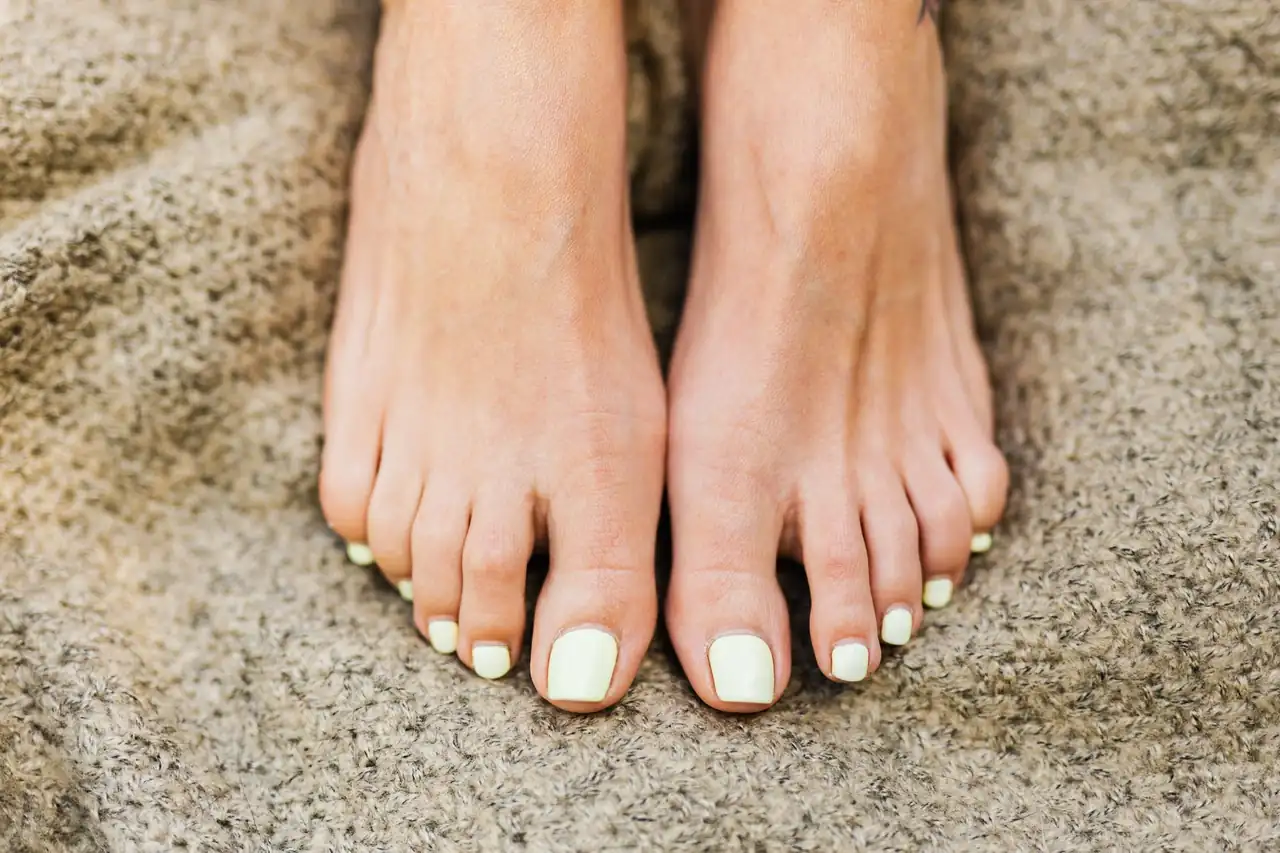
A blow, a long descent, or a toe box that is too narrow can be enough to fill the space under the big toenail with blood. The result is a dark spot that throbs with every heartbeat, hurts with every step, and, in the most severe cases, ends up lifting the nail plate. In runners, this condition has a precise clinical name and a very recognizable pattern: the bleeding is trapped between the nail and its bed, compresses the tissues, and turns a routine action, putting weight on the foot, into a small repeated stab of pain.
Most of these episodes do not come from one single major injury, but from the sum of micro-impacts. Each strike against the front of the shoe keeps damaging the nail until the capillaries give way. That is why it appears so frequently in endurance athletes, hikers, and people who spend hours in shoes that do not leave enough room for the toes. The appearance can be alarming, but what matters is not only the color: the pain, the extent of the bleeding, and whether there are signs of a more serious toe injury are also important.
What really happens under the nail
Blood accumulates between the nail plate and the nail bed, which is the layer of soft tissue that anchors the nail to the toe. That buildup creates pressure, and pressure is what explains the pulsating pain, sometimes almost rhythmic, as if the toe had its own drum. In recent injuries, the color usually ranges from dark red to purple and then to bluish black, depending on the amount of blood and the time elapsed since the impact.
When the bleeding is small, the body reabsorbs part of the contents and the nail continues its life with a mark that moves outward as it grows. But if the hematoma is large, the blood separates the nail from its base and the plate may end up detaching weeks later. In that case, the problem is not just cosmetic. The risk also increases that the new nail will grow deformed if the impact damaged the matrix, the area responsible for producing it.
The speed of the change helps distinguish a traumatic injury from other dark spots. A hematoma appears shortly after the blow and, if monitored, moves along with nail growth. By contrast, pigmentation that appears without any memory of injury, spreads slowly, or does not advance toward the tip deserves a different evaluation, because it may have other and more serious causes. That time-based difference, as simple as it is valuable, helps avoid confusing a bruise with a problem of another nature.
Why it appears so often in runners
Long-distance running beats up the toe from inside the shoe. With each footstrike, the foot moves a few millimeters inside the running shoe; if the size is snug, if the toe box is low, or if the foot swells with effort, the nail hits the front again and again. The damage is concentrated mainly on the big toe, although it can also affect the second toe or several toes at once. That is why black toenails are such a familiar sight in marathons, long runs, and ultras.
The risk increases when several factors coincide: prolonged downhills, a running style with a very forward landing, socks that slip, nails that are too long, or shoes with a narrow last. No dramatic accident is needed. Sometimes a combination of heat, fatigue, and miles is enough for the toe to endure a session of silent wear, as if it were hitting an invisible wall for hours. In mountain sports or trail running, uneven terrain also multiplies front impacts during descents and sudden braking.
Thickened, curved, or poorly trimmed nails also play a role. A long nail acts as a lever and receives more pressure; a deformed nail concentrates the impact on one specific point. In older adults, in runners with wide feet, or in those who wear shoes that are too tight for fear of losing stability, the problem recurs more easily. Biomechanics matter, but shoe fit weighs as much or more than any complex theory.
Signs that help identify it
The most noticeable sign is the dark spot under the nail. It usually appears as a blackish, purple, or bluish area, localized to part of the nail or spread almost completely across it. It often comes with tenderness to the touch, mild swelling of the toe, and a feeling of pressure that gets worse when walking or when the foot is inside the shoe. When a lot of blood accumulates, the pain can be intense from the first few minutes.
In some cases, the nail becomes tight and shiny, as if it were about to break. Other times there is a small tear at the edge or even spontaneous bleeding from one side of the plate. If the impact was strong, a fracture of the phalanx or damage to the nail bed may also be present. The toe then not only hurts; it also loses some of its normal mobility, and any weight-bearing transmits a deeper-than-usual stab of pain.
Pain intensity does not always match the size of the hematoma. There are small nails with so much internal pressure that they are unbearable, and larger ones with limited bleeding that hardly bother at all. That is why the outward appearance is not enough to decide what to do. What matters is assessing how much pain there is, whether the toe is deformed, whether the nail is partially torn off, and whether the person can put weight on it without clearly worsening the condition.
When the problem needs medical evaluation
A small hematoma, without deformity and with manageable pain, can be watched carefully. But there are situations that deserve an in-person check. If the toe is crooked, there is an open wound, the nail has lifted almost completely, the pain is very intense, or the injury was a crushing blow, it is worth considering something more than simple bleeding under the nail. In those cases, an X-ray may also be needed to rule out a fracture.
It should also be evaluated when the color change appears without a clear injury, when the spot does not move with growth, when it persistently occupies only one area of the nail, or when it is accompanied by swelling that does not go down. Although most of these cases are benign, nail medicine relies heavily on timing: what started suddenly is usually described in hours; what is concerning for another cause usually tells a slower and less linear story.
Suspicion of infection changes the whole picture. Increasing redness, warmth, discharge, bad odor, or fever require a faster evaluation. A detached nail or one that is partly torn off also opens an easy door to fungi and bacteria if the area is not properly protected. The goal is not to dramatize, but to avoid a simple injury ending in a more annoying and longer-lasting complication.
What is done to relieve pain and release pressure
When the pain is significant and the episode is recent, the blood can be released through a small hole in the nail. That procedure, called trephination, creates an escape route for the accumulated contents and quickly relieves the internal pressure. It usually takes very little time and, when done properly, is surprisingly tolerable because the tension of the hematoma itself reduces the area’s sensitivity. The benefit, however, depends on time: after about a day, the blood clots and draining it is no longer useful.
If the injury was large or the nail is very lifted, it may be necessary to partially or completely remove the plate to inspect and repair the nail bed. This is not a routine measure, but rather a decision reserved for more serious injuries or cases in which structural damage is suspected. When the matrix has been injured, subsequent growth can be irregular, with grooves, changes in shape, or a more fragile nail for months.
At home, pain control usually relies on cold, elevation, and relative rest. Ice wrapped in a cloth, applied in short intervals, helps reduce the initial swelling; elevating the foot reduces some of the pressure, and roomy footwear prevents each step from driving the problem back into the toe box. These are simple measures, but effective when the goal is to let the tissue calm down without adding more mechanical stress.
What to do and what not to do in the first hours
You should not puncture the nail yourself with improvised objects. The temptation to relieve pressure at home can end in a burn, an infection, or a poorly placed hole. Safe trephination is done with sterile equipment and with clear judgment about the right time. Nor does it help to pull off the nail if it is still attached, because that can worsen damage to the nail bed and increase the likelihood of later deformity.
The sensible thing is to keep the area clean, protect it if there is rubbing, and avoid tight shoes for several days. If the nail has partially broken, a dressing can prevent accidental catching. When there is external bleeding, gentle cleaning and monitoring the evolution are usually more useful than any aggressive remedy. The toe needs time and space, not home acrobatics.
If the blow was hard, resting from sport matters more than the rush to run again. Running in pain changes your stride, makes other toes compensate, and can spread the problem to the metatarsals, calves, or plantar fascia. The nail does not work alone; it is part of a load-bearing chain. Giving it a few days of rest usually saves weeks of discomfort and an unnecessary removal of the plate.
How long it takes to go away and what it looks like during recovery
The course depends on the size of the bleeding and the nail’s growth rate. In mild hematomas, the spot moves toward the free edge and disappears as the affected part is trimmed. In larger ones, the nail may detach and be replaced by a new one. Toenails grow slowly, about 1.5 millimeters per month, so full recovery is usually measured in months, not weeks.
In many cases, the new nail takes between 6 and 12 months to completely replace the old one. If the matrix was damaged, the new plate may grow somewhat wavy or with ridges. That irregularity is not always permanent, but neither should instant normality be promised. The toe works slowly, like a project advancing quietly beneath a keratin scaffold.
Patience is part of the treatment because the nail does not regenerate like skin. It is not enough for the pain to go down; the tissue must grow and push the blood outward. During that time, the color will change, the area may become less sensitive, and the affected nail will eventually be trimmed off or fall away depending on the extent of the damage. Normally, the process is bothersome, but predictable.
How to reduce the risk in sports and in daily life
Prevention starts in the toe box, not at the pharmacy. Footwear with enough room in the front, that does not compress the toes when running downhill, is the first barrier against the problem. In running, it is wise to leave room for foot swelling during exercise and check that the heel stays stable without pushing the toes forward. A poor fit turns each stride into a small repeated impact.
It also helps to keep the nails short, straight, and without protruding edges. A nail that is too long receives more leverage; one cut too short can become irritated and sore from rubbing. The middle ground is a clean nail, with no sharp points, that does not touch the end of the shoe when braking. On long runs or technical races, proper socks and control of the foot’s internal movement make a bigger difference than people often think.
Runners with repeated episodes should pay attention to stride mechanics and the condition of their shoes. A worn-out shoe loses support and may allow more forward movement of the foot. Likewise, running downhill quickly for many kilometers, especially when fatigued, increases the toe’s impact against the toe box. In that context, prevention is not an accessory gesture: it is part of the basic maintenance of the foot that carries the whole run.
Warning signs that should not be ignored
A very deformed toe, a deep open wound, or pain that does not ease over the course of hours deserves medical attention. So do cases in which pus, fever, spreading redness, or inability to bear weight appear. If the nail has been torn off and the bed is exposed, the risk of infection increases and proper cleaning becomes a priority. In severe injuries, anatomy becomes more important than appearance.
Suspected fracture changes the approach because it is no longer just about the nail. A crushing injury can damage the phalanx, nail bed, and matrix at the same time, with consequences that take time to become visible. In those situations, the black nail is only the tip of the iceberg. What matters is understanding whether the toe is still structurally sound or whether the blow has left a broader aftereffect.
The nail may be small, but its injury tells a big story about the impact it received. Sometimes it warns of a simple friction that was not tolerated well, and other times it reveals a twist, a compression, or a trauma that requires more care than it seemed at first. In the runner’s foot, that story is written in silence, right beneath a hard plate that seems resistant until pressure overcomes it.
The black toenail as a warning of excessive load
In running terms, this kind of injury is usually a clear message about the gear, the fit, or the training load. There is not always a major mistake, but there is almost always repeated friction, an insufficient size, an aggressive downhill, or a combination of factors that lead to the same point. That is why the dark spot should not be seen only as a cosmetic nuisance. It is also a clue about how the foot is handling the accumulated work.
Runners tend to normalize small pain, especially when it appears after a long day or a race. But the nail does not darken by chance. It does so because something has hit it too many times. And in that detail lies a useful lesson: the foot speaks with modest symptoms before the problem grows. Listening in time can prevent the bleeding under the nail from repeating again and again, race after race.
Medical reference: Bruises, MedlinePlus (U.S. National Library of Medicine).



How to prevent thigh chafing: causes and real solutions

Women’s running windbreakers: seven jackets and how to choose

Do more workouts get rid of soreness? A guide for runners

Jaén Half Marathon 2026: Record 3,800 Runners Registered

Men’s short running tights: how to choose the right pair

World Triathlon confirms data breach involving medical data

Izan Edo targets podium at Miyazaki World Cup

María Pérez ranks ninth in World Athletics’ 2026 top ten

Dos Santos, Duplantis and Sawe: World Athlete of the Year finalists

San Silvestre Vallecana 2026: 42,000 places, prices and start times

 Races3 months ago
Valencia Half Marathon 2027: date and registration

 Races3 months ago
Valencia Marathon 2026: entry, ballot and course

 Reviews and Comparisons4 months ago
Asics Gel-Roadmiles 3 for men: review and current price

 Reviews and Comparisons4 months ago
Asics Gel Sonoma 8 Gore-Tex: complete analysis for trail and rain

 Sneakers3 months ago
Saucony Endorphin Pro 4: full review and verdict

 News5 months ago
Strava API 2026: what changes for clubs, challenges and runner apps?

 Reviews and Comparisons5 months ago
Nike Alphafly 3: opinions, sensations, and real key points

 Reviews and Comparisons4 months ago
Under Armour running shoes review 2025-2026: models and key features

 Sports Equipment4 months ago
Shoe sizes in cm: a clear guide to getting the right fit for your footwear

 Sneakers3 months ago
Skechers GO RUN Consistent 2.0 analysis: comfort and limits

 News5 months ago
Valencia Marathon 2026 route: key tips to train and run better

 Sneakers4 months ago
Adidas Adizero Boston 13 for men: review and verdict