Health and Nutrition
High-impact sports bra for large breasts: the real guide
Proper support reduces bounce, discomfort, and chafing in every workout, especially when running.

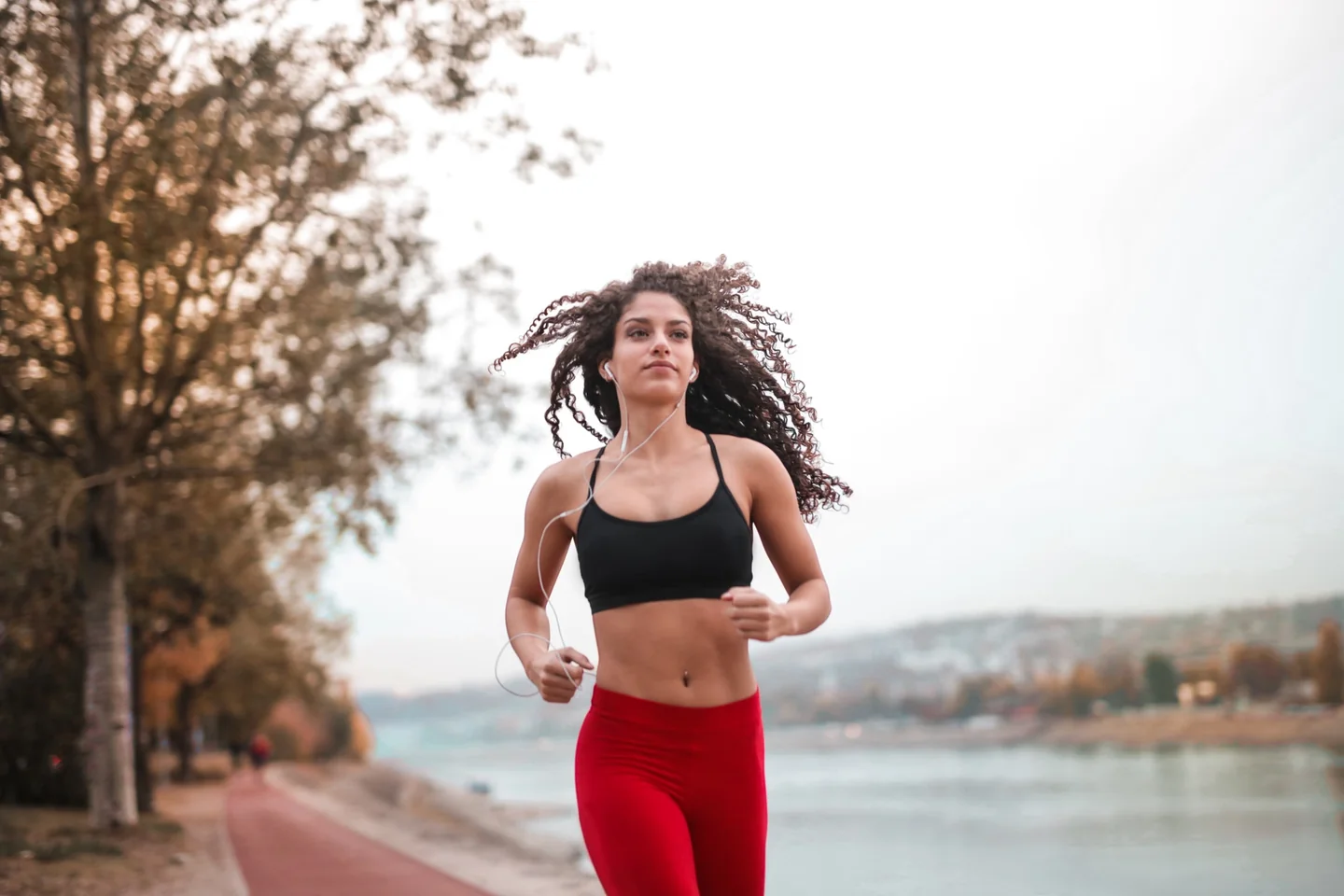
A high-impact sports bra for a large bust is not a comfort extra: it is a technical piece that affects stride, posture, and even pain tolerance during an intense workout. In running, the breasts can move in several directions at once, and that repeated bounce stresses soft tissues, pulls on the shoulders, and adds fatigue where there is already plenty of effort. That is why, for runners with a generous bust, support stops being an aesthetic issue and becomes a performance decision.
The difference between a proper model and a mediocre one shows up quickly: less movement, less rubbing, less feeling of weight, and freer breathing. The most effective designs encapsulate the breasts, distribute the load across the back and straps, and use stable yet breathable fabrics. In larger sizes, construction matters as much as the size itself: cup, band, underbust width, neckline height, and material firmness all work together like a mechanism.
The impact of bounce on a female runner with a large bust
Running subjects the breasts to constant vertical and lateral movement. This is not just a passing discomfort. Each foot strike sends vibration up through the body and causes the breast tissue to oscillate, especially if there is volume. In long sessions, intervals, or pace changes, that oscillation multiplies and can turn into pain, skin irritation, and a sense of lack of control that distracts from the run.
Anatomy also explains why any old garment is not enough. The breast does not have its own muscular support; it depends on the skin, the ligaments, and external support. When that support fails, the weight falls more than it should on the shoulders and upper back. On an hour-long run, the sum of small jolts ends up feeling like a poorly fitted backpack. A good sports bra reduces that load and turns movement into something cleaner and more predictable.
That is why high impact is not a decorative label. In running, jumping, HIIT, padel, or functional training, the garment has to respond firmly from the first minute and not loosen as you sweat. In large breasts, that demand is felt even more because any fitting error translates into visible bounce, chafing under the armpit, or uncomfortable pressure on the chest.
What really distinguishes a truly effective model
The key is not simply compression, but support and shape at the same time. Higher-quality models usually combine structured cups, less elastic fabric in the center, reinforced side panels, and a wide, firm underband. That band is the part that actually supports much of the weight, so if it rides up the back or shifts as you move, the support collapses like a chair with a loose leg.
Wide straps help distribute pressure and prevent them from digging into the skin. When they are adjustable too, the fit improves noticeably, especially in sizes with a big difference between band and cup. In some models, the back closure offers several positions and makes it easier to adapt the garment to the runner’s day-to-day needs, something very useful when the breasts change slightly due to the menstrual cycle, heat, or fluid retention.
Fabrics also make a difference: too-soft meshes or fabrics with excessive stretch eventually give way; more technical ones usually have firm structure, quick drying, and good ventilation. This is no small detail. Sweat buildup in the neckline, sternum, and back can cause a sticky feeling, bad odor, and friction. Breathability, in this context, is as important as firmness.
How it should perform during a running session
The right model is noticeable before leaving the house, but it is confirmed halfway through the first kilometer. It should fit snugly without restricting breathing, keep the breasts stable while jogging, and not create independent bounce between one breast and the other. When the fit is good, the runner stops thinking about the garment. That bodily silence is, in fact, one of the best signs that it works.
In a steady run, chafing usually concentrates in three areas: the lower edge of the band, the side of the breast, and the crease of the armpit. If those points are not well resolved, redness, small blisters, or that typical annoying heat sensation that grows with the minutes can appear. A good design reduces that friction with soft seams, careful finishes, and a cup that covers without invading too much.
There is one detail many runners discover too late: the breasts need support not only on the track or treadmill. It also matters during warm-up, stretching, and cool-down. The garment has to follow those broad movements without losing stability. Too much rigidity can limit shoulder and rib mobility; too much softness leaves the whole set uncontrolled just when the body starts moving more.
Underwire, wireless, and other differences that really matter
The debate about underwires should not be framed as a battle of sides, but as a question of fit and discipline. In large breasts, underwires can provide very useful structure because they separate, lift, and define the cup precisely. When well designed, they help distribute the weight and prevent the breast from sliding toward the center or the side. Poorly designed, they poke, press on the sternum, or rub at the base of the breast like a badly bent wire.
Wireless models have gained a lot of ground because they offer comfort and less rigidity, and in some cases they are very suitable for running if the fabric and construction are well made. They are often especially appreciated by women who prioritize a softer feel or who want to wear them for longer beyond training. Even so, in very large sizes or high-intensity sessions, not all wireless designs reach the same level of control.
The construction method also changes a lot. Some high-impact sports bras use a kind of cup encapsulation, similar to a reinforced classic bra; others rely on compression and firm panels. Encapsulation usually works better for large breasts because it avoids flattening the tissue and reduces bounce more precisely. Compression alone can fall short or create an unkindly squashed feeling if the bust is voluminous.
Large sizes require a more precise reading of sizing
Buying by instinct tends to fail more often than it succeeds. In sports support, a wrongly chosen size changes the result completely. A band that is too wide loses anchoring; a cup that is too small presses on the breast and makes it spill over the top or sides; straps that are too long let the weight fall onto the shoulders. The domino effect is immediate.
With larger busts, it is worth checking the size more carefully than with a normal top. The band should support without riding up the back and the cup should contain all the breast tissue, including the upper and lateral portions. If the breast spills over the top, the neckline is not doing its job. If the cup is empty in any area, the garment is not hugging the breast’s real shape. The right size not only prevents discomfort: it also improves the silhouette under sportswear.
There are models that go up to high cup sizes, even as far as K in some technical collections, with wide bands and variations designed for diverse bodies. That range matters because many runners with large breasts do not just need more cup space, but also a better-balanced relationship between band, strap, and cup depth. In sportswear, sizing is closer to architecture than to a number.
Fabrics, seams, and details that separate useful from uncomfortable
A firm but breathable fabric is the foundation. Running quickly raises body temperature, and a sports garment must wick sweat away without becoming soaked or losing structure. Quick-drying fibers, mesh panels, and perforated zones help, but they do not replace good construction. A very breathable but flimsy fabric ends up moving too much; a very closed one can turn into a sauna.
Flat seams reduce rubbing, and soft finishes at the edge of the cup prevent the skin from marking after a long workout. Closures that do not overload the back area and reinforcements placed where movement pulls the most also help. A well-resolved design does not feel like armor, but like a piece that supports without being noticed.
Practical details add up. A front closure can make it easier to put on and take off the garment when the back is tired after training. Crossed straps distribute part of the tension and stabilize the whole garment better on certain backs. And preformed cups, when well made, give a neater shape under the T-shirt without sacrificing firmness.
The mistake of focusing only on appearance
In sports lingerie, aesthetics matter, but they cannot take precedence over function. A pretty design that bounces, shifts, or causes chafing will not last long in a runner’s rotation. The market has improved a lot and no longer forces a choice between a serious garment and a more eye-catching one: there are bright colors, clean finishes, and modern cuts that coexist with real support.
Even so, the first filter should always be technical. The feeling of firmness in the fitting room should not be confused with over-tightening. A good model supports, it does not immobilize. It lets the chest breathe, allows you to raise your arms, twist the torso, and maintain a natural posture. If everything is flattened, support may exist, but not necessarily in a healthy or comfortable way.
At the end of the day, the best garment is the one that does not force you to negotiate with it every kilometer. The one that does not remind you of its presence with every stride. The one that withstands hill training, a hot day in Valencia, or a track interval session without giving way or rubbing more than necessary. That is where design stops being marketing and becomes real utility.
When it is worth prioritizing high impact even outside running
Runners are not the only ones who benefit from this category. In disciplines with jumps, sudden changes of direction, or repeated upper-body movements, the demand on the breasts is similar. That explains why so many women with large busts end up using this type of sports bra at the gym, in intense classes, or in racket sports too. The more unpredictable the movement, the more sense strong support makes.
In gentle workouts, by contrast, medium support may be enough if the breasts do not bounce intensely. But with a large bust, that boundary shifts. What may feel sufficient in a smaller size can fall short at the first acceleration in a larger cup. The intensity of the exercise and personal anatomy must be read together, not separately.
There are also runners who wear it on long, highly active days even when they are not training. That is not unusual: when support distributes the weight well, the back appreciates it. That almost silent physical response explains why some models end up becoming everyday favorites beyond a specific sports session.
Proper support changes the running experience
A high-impact sports bra for a large bust does not promise miracles, but it does promise something more valuable: fewer interruptions between the body and the effort. It reduces bounce, lessens pain, protects the skin, and helps the run flow without every stride becoming an uncomfortable reminder. In sport, sometimes improvement is not visible at first glance; it is felt in the absence of discomfort.
That is why, for a runner with a generous bust, choosing this garment deserves the same care as choosing running shoes or a training plan. The exact size, the cup construction, the firmness of the band, and the quality of the fabric are not secondary nuances. They are the difference between running focused on the breasts or running focused on pace, breathing, and the pavement.
The real value of a good model lies there, in that margin of freedom it gives the body to work without distractions. When support does its job, movement becomes cleaner, the back complains less, and the session gains continuity. In running, that kind of relief is not announced; it is simply noticed, step by step.
Medical reference: Bra fit and back pain, Cleveland Clinic.



How to prevent thigh chafing: causes and real solutions

Women’s running windbreakers: seven jackets and how to choose

Do more workouts get rid of soreness? A guide for runners

Jaén Half Marathon 2026: Record 3,800 Runners Registered

Men’s short running tights: how to choose the right pair

World Triathlon confirms data breach involving medical data

Izan Edo targets podium at Miyazaki World Cup

María Pérez ranks ninth in World Athletics’ 2026 top ten

Dos Santos, Duplantis and Sawe: World Athlete of the Year finalists

San Silvestre Vallecana 2026: 42,000 places, prices and start times

 Races4 months ago
Valencia Half Marathon 2027: date and registration

 Races4 months ago
Valencia Marathon 2026: entry, ballot and course

 Reviews and Comparisons4 months ago
Asics Gel-Roadmiles 3 for men: review and current price

 Reviews and Comparisons4 months ago
Asics Gel Sonoma 8 Gore-Tex: complete analysis for trail and rain

 Sneakers3 months ago
Saucony Endorphin Pro 4: full review and verdict

 News5 months ago
Strava API 2026: what changes for clubs, challenges and runner apps?

 Reviews and Comparisons5 months ago
Nike Alphafly 3: opinions, sensations, and real key points

 Reviews and Comparisons4 months ago
Under Armour running shoes review 2025-2026: models and key features

 Sports Equipment4 months ago
Shoe sizes in cm: a clear guide to getting the right fit for your footwear

 Sneakers3 months ago
Skechers GO RUN Consistent 2.0 analysis: comfort and limits

 News5 months ago
Valencia Marathon 2026 route: key tips to train and run better

 Sneakers4 months ago
Adidas Adizero Boston 13 for men: review and verdict