News
Running sports bra in summer: support, chafing and ventilation
Key factors for choosing a technical garment that can withstand sweat, impact, and chafing on the most sweltering days.

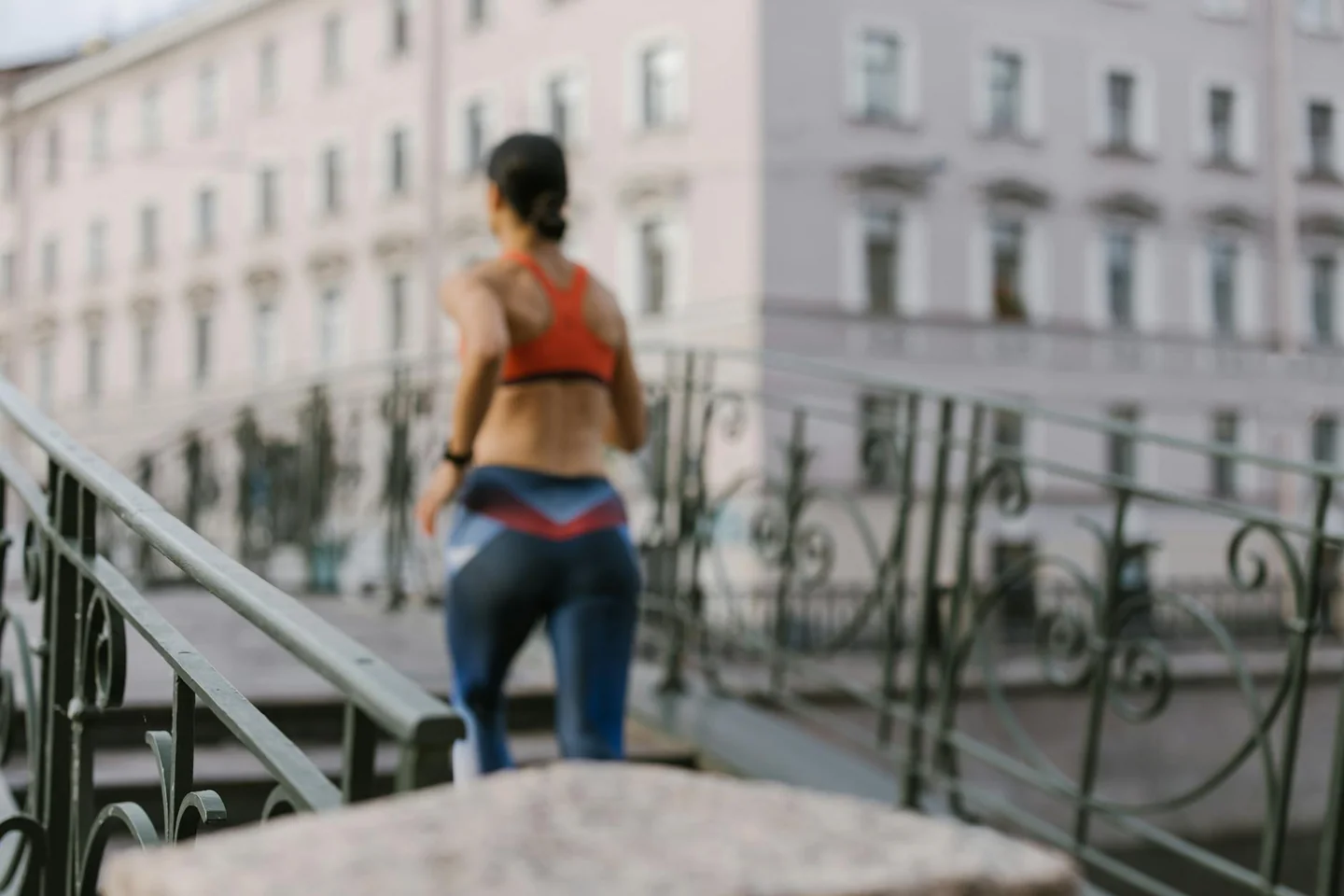
Imagen: cottonbro studio / Pexels
Heat completely changes the running experience: the skin gets damp sooner, friction appears more easily, and a garment that seemed impeccable in April can turn into a small problem in July. In that context, support is not the only criterion that matters; ventilation, quick drying, and the way the fabric touches the body when the miles start to feel heavy under the sun also carry weight.
A sports bra for running in the heat shouldn’t feel like a closed, rigid piece, but like a firm structure that lets the skin breathe. When the temperature rises, sweat stops being just a sign of effort and becomes a wear-and-tear factor: it irritates, worsens the thermal sensation, and can multiply chafing, especially on long runs, pace changes, or days with high humidity. The good news is that current models have improved a lot in breathability, stability, and comfort.
What makes the difference when the thermometer climbs
Support is still essential, because running is a repeated-impact activity, but on hot days the balance changes. A very compressive model can limit the feeling of freshness and trap sweat in sensitive areas, while a light one that’s poorly designed will move too much and end up causing discomfort. The key is for the fabric to control bounce without becoming a suffocating second skin.
In summer, the chest and upper torso work like a small radiator. That area holds heat quickly and, if the garment’s pattern doesn’t help, moisture gets trapped right where it’s most uncomfortable. That’s why mesh panels, more open fabric sections on the back, flat seams, and soft finishes under the underband matter so much. It’s not a minor detail: when sweat stays trapped, subjective fatigue arrives sooner.
It’s also worth looking at the design with a practical mindset. Wide straps distribute pressure better, back closures make the garment easier to put on and take off after training, and models with well-defined cups usually offer a more stable feeling for long sessions. By contrast, some very minimalist tops, very pretty in the store, fall short when the route gets longer and the heat does its work of wearing you down mile after mile.
Fabrics that breathe, not just support
Breathability depends on the material and the construction pattern. Technical polyester blends with elastane are common because they dry quickly, keep their shape, and stand up well to repeated use. If they also include mesh zones, air circulates better in the areas where heat builds up most, such as the upper back or around the chest. That extra ventilation is especially noticeable on humid days, when sweat takes longer to evaporate.
The feel matters too. A fabric that seems fine at first can become rough with sweat salt or with the constant rubbing of long runs. That’s why soft finishes, fewer seams, and pieces without harsh joins are so valuable. Comfort in the heat is, largely, a matter of friction: the less rubbing there is between garment and skin, the less energy is lost to discomfort.
In summer technical wear, quick drying matters almost as much as sweat wicking itself. A garment that stays soaked weighs more, clings to the body, and keeps that sticky feeling that runners notice right away when they slow down. That’s why many runners prefer models with lightweight panels and one-piece construction in certain areas, because they reduce moisture buildup and improve the feeling of freshness.
The right fit on hot days is not up for debate
The right size is the foundation of everything, both in summer and the rest of the year. But in high temperatures, the margin for error gets smaller. A model that’s too small increases pressure, makes breathing harder, and squeezes right when the body is already working to release heat. One that’s too big, on the other hand, moves too much and turns every stride into a source of unnecessary bounce.
The underband should sit firmly, without riding up the back or digging in when you breathe. The cups can’t leave gaps or compress breast tissue aggressively. And the straps, even if they’re stable, shouldn’t leave intense marks after a normal workout. On a hot day, any pressure point gets amplified, because the skin is more sensitive and sweating makes any fit issue more obvious.
There’s a nuance many runners learn through practice: the ideal fit isn’t the one that squeezes the most, but the one that keeps everything in place with the least feeling of burden possible. That’s especially noticeable in interval sessions, hill work, or progressive runs, where the torso moves differently and ventilation stops being a secondary comfort and becomes part of performance.
When sweat builds up, chafing appears sooner
The great enemy of summer isn’t just heat, but the combination of heat and humidity. Damp skin rubs more, sweat salt irritates, and seams or poorly finished edges become the main issue. On 10K runs it doesn’t always show up, but on long sessions or marathons the problem can turn into a constant annoyance, almost like wearing an invisible seam working against the body.
The most delicate area is usually under the bust, though chafing can also appear on the upper back, under the straps, or on the side of the armpit. That’s why designs without underwires, with flat seams and soft edges are so valued. Less rigidity usually means less friction, and less friction translates into more emotional stability, because running without having to think about your clothes frees up attention for pace, breathing, and the terrain.
Heat also changes how the garment feels. A sports bra that feels comfortable in winter can seem rougher in August, simply because the skin is more exposed and perspiration increases. That’s why it makes sense to think of summer gear as a complete system: a lightweight top, fabrics that wick well, and an inner base that doesn’t add another layer of thermal punishment.
What runners look for in the most reliable models
The best sports bras for running in the heat share a common idea: support without enclosing. That formula can be achieved with compression, encapsulation, or a mix of both, but the result should feel stable and ventilated. In practice, that means a firm underband, cups that support without flattening, and a back with enough openings or technical panels for air to circulate.
The market’s reference models show different approaches. Some go for a more traditional, robust structure, useful for frequent training and long sessions. Others prioritize lightness, ventilation, or a more precise fit. The choice changes depending on bust size, intensity, and climate: a sunrise run in València in August is not the same as an easy run in March inland.
Brands like Under Armour, Nike, Lululemon, Adidas, or Puma have refined their patterns a lot in recent years. The evolution shows in details that seem small, but aren’t: perforated zones, faster-drying fabrics, straps that distribute weight better, more comfortable closures, and a construction that reduces bounce without turning the garment into armor. In hot-weather running, that mix of technique and lightness is worth much more than a flashy design with no functional depth.
The role of high support in summer
High support is still the safest option for running, especially at medium or high impact, because it limits vertical and lateral breast movement. That said, not all high-support models behave the same in the heat. Some are denser and more protective, perfect for cool mornings or very active days, but less pleasant when the temperature shoots up.
The most balanced designs find a middle ground between control and ventilation. The bust stays contained, but not buried under unnecessary layers. That nuance matters on long runs, because the garment can start out comfortable and become annoying if it holds too much moisture. Real stability shouldn’t cost freshness; when it does, the runner feels it in breathing, in the skin, and in concentration.
At high intensity, the body also generates more internal heat. Intervals, fartlek, or hill repeats raise temperature more sharply than an easy run, so extra ventilation helps keep the thermal sensation from spiking. In those cases, a garment that combines mesh panels, quick drying, and good stretch can make a visible difference in the running experience.
How to care for the garment so it doesn’t lose its freshness
Maintenance matters more than it seems. A technical sports bra washed in water that’s too hot, with fabric softener, or in a dryer loses elasticity and recovery capacity sooner. In summer, it also tends to be washed more often because sweat builds up faster. That speeds up wear if basic care guidelines aren’t followed.
The safest approach is gentle cycles, cold or lukewarm water, and neutral detergent. Air drying helps preserve the structure and prevents the elastics from wearing out. Its lifespan isn’t infinite: with regular use, many models start losing support between six and twelve months, though this depends on training frequency, washing method, and the quality of the piece.
A pretty clear sign that the garment is no longer doing its job is when the band rides up, the straps give out, or the cups no longer support the same way even though the fit is correct. In summer, that deterioration shows up sooner, because the body demands more from technical clothing. Moisture, salt, and friction work like a very fine sandpaper: slow, silent, and effective.
When it makes sense to prioritize ventilation over other details
Not every session calls for the same garment. On easy runs early in the morning, when the sun still isn’t strong, a high-support model with a more closed structure can work. But on hot afternoons, long workouts, or humid races, ventilation takes on an almost decisive role. The right summer garment is the one that moves with the body without becoming an extra source of heat.
Runners with sensitive skin usually appreciate softer fabrics and fewer seams. Those with a larger bust, meanwhile, often need a firmer underband and well-distributed straps, even if that means giving up some extreme lightness. The best balance is the one that reduces impact without punishing the skin, and that means thinking beyond aesthetics or the support label.
Context matters too. On an urban route, with asphalt, trapped humidity, and less shade, the thermal sensation can be much worse than in an airy park or by the sea. In the Valencian Community, that detail becomes even more pronounced in summer: the combination of high temperature and coastal humidity turns garment choice into a very real comfort factor, not just a wardrobe preference.
How to recognize a good purchase before paying
A model that’s right for running in the heat usually gives itself away in three signs: a pleasant technical feel, a stable structure, and visible ventilation in strategic areas. If the garment seems too closed, with heavy fabric or a back that isn’t open enough, it will usually feel more stifling as the minutes go by. The same happens if the seams are too noticeable when moving your arms.
It’s also worth watching how the underband behaves. It should support without lifting the torso or flattening it. When the band does all the work on its own and the straps are just for show, problems usually follow. Smart support spreads the load, it doesn’t concentrate it. And that distribution is even more noticeable when the body sweats and the fabric loses part of its initial comfort.
If the workout is going to be demanding, options with a back closure or adjustable fit usually give more room to adapt. If absolute lightness is the priority, top-style models can work, as long as the size and impact level are right. In any case, the decision is better refined by thinking about miles, temperature, and sweat, not just the product photo.
The garment that withstands summer also supports confidence
Running in the heat changes your relationship with clothing. What goes unnoticed in mild conditions becomes the main character under a heavy August morning. A good sports bra for running doesn’t just support; it also keeps the skin drier, reduces bounce noise, and prevents attention from being broken by a seam or an awkward rub.
That’s why the most consistent runners pay attention to both technique and sensation. The best model isn’t necessarily the stiffest or the lightest, but the one that lets you go out and train without fighting the garment five minutes in. In full heat, comfort is a form of performance. And in running, sometimes the difference between a session that flows and one that feels uphill is hidden in a well-designed band and a fabric that breathes in time.
In the end, the choice is more like finding a discreet ally than buying an accessory. It has to work quietly, withstand the effort, and disappear from awareness when the body settles into rhythm. On the most stifling days, that discretion is worth as much as support itself.
Este artículo contiene enlaces de afiliado: si compras a través de ellos, se genera una pequeña comisión sin coste adicional para ti. Más información.



How to prevent thigh chafing: causes and real solutions

Women’s running windbreakers: seven jackets and how to choose

Do more workouts get rid of soreness? A guide for runners

Jaén Half Marathon 2026: Record 3,800 Runners Registered

Men’s short running tights: how to choose the right pair

World Triathlon confirms data breach involving medical data

Izan Edo targets podium at Miyazaki World Cup

María Pérez ranks ninth in World Athletics’ 2026 top ten

Dos Santos, Duplantis and Sawe: World Athlete of the Year finalists

San Silvestre Vallecana 2026: 42,000 places, prices and start times

 Races4 months ago
Valencia Half Marathon 2027: date and registration

 Races4 months ago
Valencia Marathon 2026: entry, ballot and course

 Reviews and Comparisons4 months ago
Asics Gel-Roadmiles 3 for men: review and current price

 Reviews and Comparisons4 months ago
Asics Gel Sonoma 8 Gore-Tex: complete analysis for trail and rain

 Sneakers3 months ago
Saucony Endorphin Pro 4: full review and verdict

 News5 months ago
Strava API 2026: what changes for clubs, challenges and runner apps?

 Reviews and Comparisons5 months ago
Nike Alphafly 3: opinions, sensations, and real key points

 Reviews and Comparisons4 months ago
Under Armour running shoes review 2025-2026: models and key features

 Sports Equipment4 months ago
Shoe sizes in cm: a clear guide to getting the right fit for your footwear

 Sneakers3 months ago
Skechers GO RUN Consistent 2.0 analysis: comfort and limits

 News5 months ago
Valencia Marathon 2026 route: key tips to train and run better

 Sneakers4 months ago
Adidas Adizero Boston 13 for men: review and verdict