Health and Nutrition
Numb toes when running: causes and warning signs
Tingling in the fingers can be due to posture, nerves, or circulation. These are the key points to understand it.

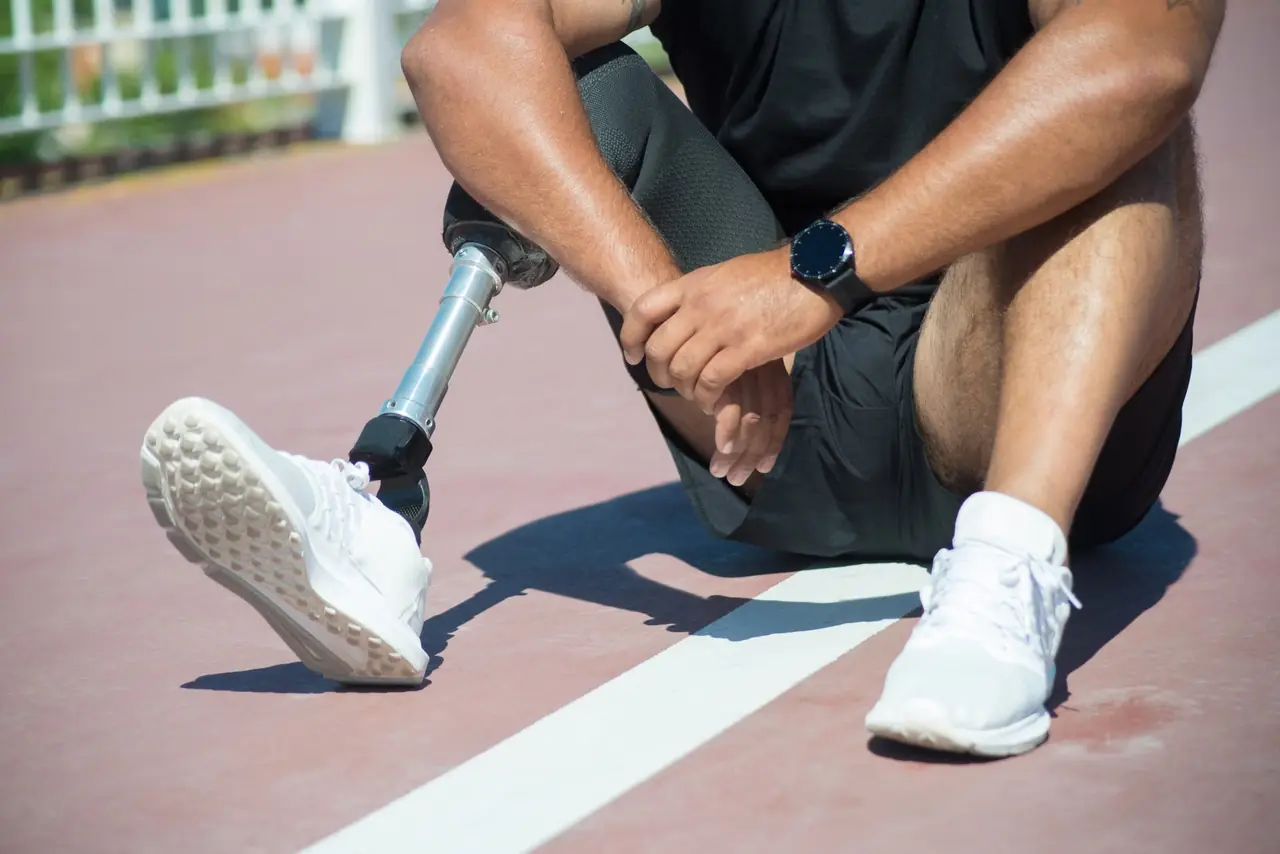
Numbness in the toes can be an uncomfortable warning sign during a run or afterwards. It may be brief or persistent, ranging from mild tingling to partial loss of sensation. In runners, walkers and people who spend many hours on their feet, the most common cause is usually nerve or vascular compression, though it can also be linked to neuropathy, a spinal problem, a metabolic disorder or shoes that are too tight.
When this symptom repeats, it is worth not treating it as an unimportant oddity. In the foot, a small area packed with nerve endings, a lack of sensation can be the visible tip of a broader mechanism. The key is to distinguish occasional from persistent, and to read the context: if it appears while running, sleeping, crossing the legs, or at the end of a long day, the clue usually points to very different causes.
A sleepy foot does not always mean the same thing
In everyday language, saying my toes keep going numb covers several similar but not identical sensations. Some people notice a tingling, others describe a kind of cotton glove over the skin, and others feel the toes as cold, clumsy, or even detached. That variety is no minor detail: it helps indicate whether the problem originates in the nerve, in circulation, or in a localized irritation of the forefoot.
In running, for example, tingling may appear because the shoe is too tight, because the foot swells during exertion, or because of an impact pattern that compresses forefoot structures. In daily life, the same symptom can arise after sitting for a long time, with the legs crossed, or with a posture that compresses the back of the knee or the ankle. The same word describes situations that, in reality, require different interpretations.
Duration matters as much as intensity. Brief numbness that fades when you move usually suggests temporary pressure. By contrast, when the loss of sensation lasts for hours, spreads to other toes, or returns for several days in a row, the situation deserves a more complete evaluation. Not to dramatize, but because a nerve, like a crushed cable, first complains with small signals before failing more clearly.
The most common causes in the feet and toes
The most common explanation is mechanical compression. A narrow shoe, a rigid toe box, laces that are too tight, or a sustained posture can reduce blood flow and nerve conduction. In this scenario, the symptom usually improves when the pressure is removed, after walking for a few minutes, or when changing position. It also happens more easily in people who spend many hours sitting or moving very little during the day.
Another important cause is nerve involvement. This includes peripheral neuropathy, tarsal tunnel irritation, some entrapments at the ankle, or compression that can originate in the lower back. The tibial nerve, the peroneal nerve, and their branches in the foot are especially sensitive to any narrowing of the passage. If the symptom is accompanied by pain, burning, or a kind of electric shock, the possibility of a nerve cause becomes more likely.
There is also the vascular side. When blood flow reaches the feet less effectively, the person may notice coldness, pallor, color changes, or altered sensation. Cold weather, certain circulatory disorders, and habits such as remaining immobile for long periods can worsen that feeling. At the same time, some nutritional deficiencies, such as vitamin B12 deficiency, or illnesses such as diabetes, can damage the peripheral nervous system and make the problem more common.
What the body signals when the origin is nerve-related
Symptoms of nerve origin rarely limit themselves to a single sign. They usually come with a mix of tingling, burning, stabs, or clumsiness when moving the toes. Sometimes the skin looks completely normal, but the subjective sensation changes entirely: the foot seems present, yet sensory information arrives in fits and starts. That detail is very useful for diagnosis, because the external appearance does not always reveal the real problem.
In runners, a classic clue is that numbness appears at a similar pace or distance. If the metatarsals go numb every time after a certain point in the run, the mechanical pattern gains importance. There may be pressure in the forefoot, an inefficient distribution of load, or simply a shoe that does not allow for the foot’s natural expansion during exercise. In these cases, the symptom is usually more predictable than worrying, but that does not mean it should be ignored.
Radiation changes the clinical story. If the sensation travels down from the back, crosses the buttock and thigh, or is accompanied by low back pain, the origin may be higher up. If, on the other hand, it is limited to the big toe, the little toe, or a specific strip of the sole, a local cause or peripheral entrapment usually becomes more prominent. In foot medicine, the map matters as much as the symptom.
How footwear influences it and why running reveals it sooner
The runner’s foot works inside a container that changes volume throughout exertion. As temperature rises, tissues retain fluid and the foot expands. If the shoe is already tight at the start, that expansion turns a small discomfort into pressure capable of compressing nerves and blood vessels. That is why numbness often appears in long sessions, demanding intervals, or races where the body accumulates heat and fatigue.
A narrow toe box, a very rigid tongue, overly tight lacing, or the use of poorly fitted insoles can also alter how the load is distributed. Sometimes the problem is not the size, but the shape of the shoe relative to the foot: compressed toes, no room for the arch, a prominent instep, or a support point that always pushes in the same place. The foot, after all, does not just step; it negotiates with the material around it.
In people who do not run, work shoes or prolonged use of hard shoes can create a similar effect. Heels, rigid boots, inflexible sneakers, or very worn-out models end up adding small repeated pressures. The sum of microcompressions is enough to trigger tingling in someone without any apparent injury. The body rarely protests all at once; it usually does so through accumulation.
When it is more concerning and what signs should not be overlooked
There is a clear difference between an isolated episode and a persistent pattern. If numbness appears repeatedly, does not improve when moving the foot, or lasts more than a few hours, medical evaluation makes sense. The same applies if it spreads to both feet, progresses toward the sole, or is associated with weakness, loss of balance, or changes in gait. Sensation is a delicate function; when it begins to fail, other pieces are often close to the same problem.
The presence of intense pain, ongoing burning, abnormal coloring, or a feeling of a foot that is cold to the touch may point to a more serious vascular or neurological component. In people with diabetes, for example, numbness deserves more attention because it may be part of a neuropathy that advances slowly and without major warnings. In those cases, letting time pass usually works against you.
It is also worth observing whether the symptom appears after a blow, a twist, or a sudden overload. A trauma can inflame tissues and compress nearby structures, especially in the forefoot. What seems like a simple numb toe may actually be a small injury in a very sensitive area. In the foot, just a few centimeters make a big difference in function.
What a professional usually looks into before naming the problem
The examination almost always begins with the symptom history: when it started, whether it improves with rest, whether it depends on exertion, or whether it is linked to a specific shoe. Sensation, strength, ankle and toe mobility, and the condition of the skin and circulation are then assessed. Observation is not a formality; in the foot, a tiny movement can say more than a very elaborate complaint.
When a mechanical cause is suspected, gait analysis or biomechanical assessment may provide useful information. If the suspicion points to a metabolic or neurological problem, the process may include blood tests or a medical referral to rule out diabetes, vitamin deficiency, or spinal disorders. The goal is not to pile up tests as routine, but not to lose sight of the central factor that is altering sensation.
In this area, differential diagnosis is decisive. The same tingling can come from a compressed nerve, local irritation between the metatarsals, poor circulation, or a broader neuropathy. Not every numb foot is the same, and that is precisely the value of a well-focused evaluation: separating what is temporary from what needs follow-up.
What usually helps when the problem is functional or mechanical
In cases where the cause is mainly functional, improvement usually comes from relieving pressure. Switching to a wider toe box, loosening the laces, avoiding spending too long in the same position, and alternating load and rest can relieve the symptom quickly. For runners, adjusting the size, reviewing the lacing pattern, and observing when tingling appears helps determine whether the problem lies in the material or in the mechanics of the stride.
Mobility also matters. Walking for a few minutes, moving the toes, flexing and extending the ankle, and activating the sole can promote circulation and reduce the numb feeling. Gentle massage over the foot and lower leg sometimes provides temporary relief, not by magic, but because it stimulates flow and gives the tissue a more orderly signal. In some cases, temperature contrast may also help, always with caution.
In situations involving sports overload, progression of load is often the most overlooked piece. A sudden increase in mileage, long runs with fatigue, or repeated sessions in the same shoes can irritate forefoot structures and favor numbness. The body tolerates continuity better than jumps; improvisation is costly, especially for the feet, which absorb every change without complaining too much at first.
When the cause is not only local: diabetes, neuropathy, and the spine
Diabetes is among the best-known causes of altered sensation in the feet and toes. Over time, high glucose levels can damage peripheral nerves and produce tingling, numbness, or a loss of sensation that advances slowly. Diabetic neuropathy does not always begin with pain; sometimes it starts with a mild odd sensation, almost easy to overlook.
Nutritional deficiencies, especially vitamin B12 deficiency, can also alter nerve function. In those cases, the symptom is not limited to the foot and may coexist with fatigue, clumsiness, or a feeling of general weakness. Spinal problems, for their part, can send symptoms downward through a nerve root pathway, so the problem is felt in the foot even though the origin is in the lower back. The body is wired in a chain; a failure higher up can be felt far away.
When the condition is persistent or progressing, treatment is no longer just a matter of quick relief and becomes a long-term strategy. That may include physical therapy, medical follow-up, lifestyle review, and, in some cases, pharmacological treatment aimed at neuropathic pain or the underlying cause. Treating only the sensation without looking at the source usually gives short-lived results. The foot may calm down, but the problem comes back elsewhere.
The most useful takeaway for those who run, walk, or spend many hours on their feet
In practice, most brief episodes come from something simple: pressure, posture, or excessive load. But repetition changes the meaning of the symptom. A runner who always finishes with the same numb toes, a person who notices it while working on their feet, or someone who wakes up with a numb foot several mornings a week is receiving a more serious message than a passing annoyance. The body warns in a basic language, but that does not mean it should be underestimated.
Small everyday decisions matter quite a lot: leaving room for the toes, avoiding prolonged pressure, moving the foot often, and checking for other associated signs. In a healthy foot, sensation is almost invisible, like the faint hum of a well-ventilated room. Only when something disrupts it does it become the main focus. And then it is no longer just an annoying symptom, but a clue that calls for context.
That is why, when tingling or numbness stop being an isolated episode, the priority is not to endure it or normalize it, but to understand it. Lost sensation in the toes rarely appears by pure chance: it usually has a correctable cause, an underlying disease, or a combination of both. Reading that signal well is the first step toward making the foot feel like your own again.
Numb toes when running: what to check and when to seek help
If your toes go numb during a run, note when it starts and which part of your foot is affected. Symptoms that begin when you pick up the pace, during a long run or in new shoes may point to pressure around the forefoot, but they do not identify the cause on their own. Feet can swell during exercise, and a narrow toe box or overly tight lacing may add pressure. Check that your toes have room and loosen the laces without letting your foot slide around inside the shoe.
If the numbness starts, slow down or stop and see whether it eases when you relieve pressure and move your foot. Don’t push through a hard session if normal sensation has not returned: you may not feel your footing properly. Note whether the same toes are affected each time, how long it lasts and whether it follows a change in shoes, distance or terrain. If it keeps recurring, adjust your training load temporarily and avoid breaking in new shoes during a race or long run.
Watch for tingling that continues after your run, spreads, returns at different times or comes with burning, pain, difficulty moving your toes, coldness or colour changes. Brief numbness that clears when you change position is different from a loss of sensation lasting hours or recurring over several days. If symptoms persist, worsen or affect your running, seek advice from a healthcare professional. Get assessed as well if you notice weakness or marked changes in temperature or colour; don’t automatically assume the shoes are to blame.
A small symptom that can reveal something big
In the foot, small things carry a lot of weight. A toe that goes numb, a sole that loses feeling, or a strip of tingling in the forefoot may seem like minor details on a long day, but they are often the visible part of a chain affecting nerves, vessels, posture, and load. The skill lies in not trivializing it or turning it into an alarm immediately, but in reading it accurately.
Most of the time, the condition improves by correcting pressure, checking footwear, or changing movement habits. Other times, however, it serves as an entry point to a broader diagnosis, from neuropathy to a circulation problem or a spinal irritation. That is where its clinical value lies: it does not just bother, it also guides.
A foot that goes numb frequently is not asking for drama, it is asking for attention. And that attention, when it comes in time, usually gives back something as basic as walking without thinking about every step, stepping with confidence, and recovering the fine sensation of toes that, in truth, should never stop responding.
Medical reference: Numbness, Mayo Clinic.



How to prevent thigh chafing: causes and real solutions

Women’s running windbreakers: seven jackets and how to choose

Do more workouts get rid of soreness? A guide for runners

Jaén Half Marathon 2026: Record 3,800 Runners Registered

Men’s short running tights: how to choose the right pair

World Triathlon confirms data breach involving medical data

Izan Edo targets podium at Miyazaki World Cup

María Pérez ranks ninth in World Athletics’ 2026 top ten

Dos Santos, Duplantis and Sawe: World Athlete of the Year finalists

San Silvestre Vallecana 2026: 42,000 places, prices and start times

 Races4 months ago
Valencia Half Marathon 2027: date and registration

 Reviews and Comparisons4 months ago
Asics Gel-Roadmiles 3 for men: review and current price

 Races4 months ago
Valencia Marathon 2026: entry, ballot and course

 Reviews and Comparisons4 months ago
Asics Gel Sonoma 8 Gore-Tex: complete analysis for trail and rain

 Sneakers3 months ago
Saucony Endorphin Pro 4: full review and verdict

 News5 months ago
Strava API 2026: what changes for clubs, challenges and runner apps?

 Reviews and Comparisons5 months ago
Nike Alphafly 3: opinions, sensations, and real key points

 Reviews and Comparisons4 months ago
Under Armour running shoes review 2025-2026: models and key features

 Sports Equipment4 months ago
Shoe sizes in cm: a clear guide to getting the right fit for your footwear

 Sneakers3 months ago
Skechers GO RUN Consistent 2.0 analysis: comfort and limits

 News5 months ago
Valencia Marathon 2026 route: key tips to train and run better

 Sneakers4 months ago
Adidas Adizero Boston 13 for men: review and verdict