Health and Nutrition
Heel pain when running: causes, warning signs and what to do
Overuse, plantar fasciitis, Achilles tendon, and fractures: the keys to understanding and monitoring heel pain.

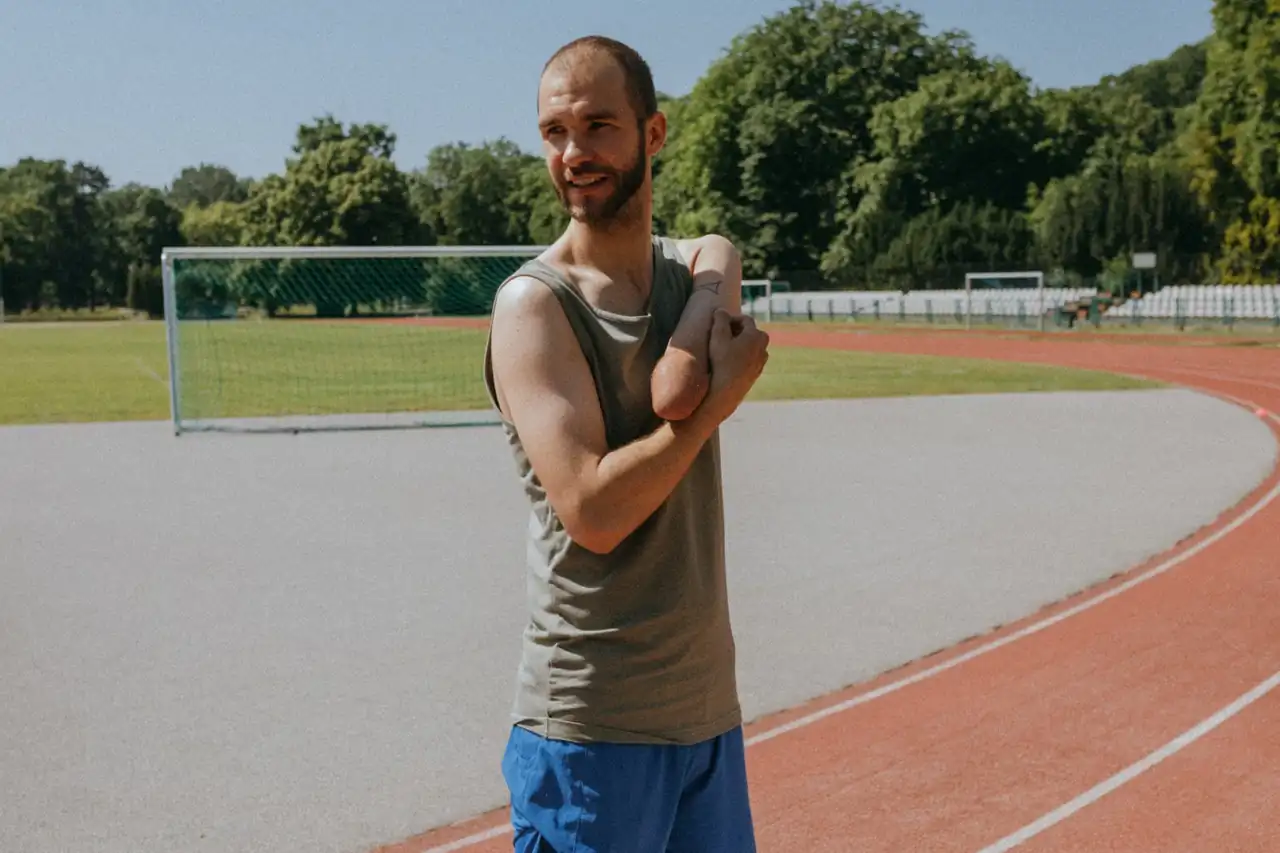
For runners, the heel absorbs every impact like a small concrete foundation, which is why changes in gait, running volume or footwear can lead to pain. In many cases, the cause is a combination of overload and irritation in the tissues that cushion each step, although a specific injury, such as a sprain, a fall or a bone crack, can also be responsible.
In runners, frequent walkers, and people who spend many hours on their feet, the symptom usually appears in a very recognizable way: discomfort on weight-bearing in the morning, a sharp pain when starting to walk, or persistent tenderness in the back or underside of the heel. The location of the pain, its intensity, and when it appears provide valuable clues about the cause and make the difference between a mild irritation and a problem that needs medical evaluation.
What usually throws the heel off balance
The mechanics of the heel depend on a delicate trio: the bone, the plantar fascia, and the Achilles tendon. When one of these elements is strained too much, the body responds with inflammation, stiffness, or stabbing pain. The problem does not always begin with a single movement; many times it builds up little by little, like a rope fraying through repetition.
Among the most common causes is the use of footwear with little cushioning or insufficient support, especially if you are also running on hard surfaces such as asphalt or concrete. Sudden increases in load, very frequent runs, tight calves, and certain foot-strike patterns also play a role by placing more impact on the heel area than is advisable.
Discomfort after exertion can be an early warning sign. A workout longer than usual, several consecutive days without rest, or worn-out shoes can turn a mild sensation into clear inflammation. In that transition, the body stops cushioning properly and the heel starts protesting with every step.
Plantar fasciitis, the most common culprit behind the pain
When the pain is located on the underside of the heel and is most intense with the first steps, plantar fasciitis is often suspected. The plantar fascia is a thick band of tissue that connects the heel to the front of the foot and helps support the arch. If it is overloaded, it becomes irritated and causes a very characteristic sensation, sometimes described as a dry stabbing pain, other times as a brief knife-like pain when getting out of bed.
The classic picture is well known to doctors and runners alike: pain on weight-bearing after rest, partial relief after walking for a few minutes, and recurrence when the foot rests again. That pattern does not always indicate the same severity, but it does point quite accurately to a tissue irritated by repeated traction. People with flat feet, high arches, tight calves, or who have increased training load without a gradual transition are usually more exposed.
The context also matters. Running a lot on asphalt, going from the couch to training without adaptation, or wearing worn-out, unstable shoes creates the perfect combination for the fascia to complain. The pain may start in one foot or both, and sometimes it is mistaken for simple muscle soreness when, in fact, there is already inflammation that requires relative rest and habit correction.
When the problem is behind the heel
Not all heel pain originates in the sole of the foot. If the discomfort is located behind it, near where the Achilles tendon inserts into the bone, the cause may be Achilles tendinopathy, bursitis, or even a bony prominence that rubs against the shoe heel counter. In this area, friction and tension take on a different role, more like a taut rope than an overloaded sole.
Achilles tendinopathy often causes morning stiffness, pain when starting to walk, and tenderness that increases with activity. In runners, it often appears after a sudden increase in intensity, hills, or intervals. The bursa, that small fluid-filled sac that acts as a cushion, can become inflamed from repeated pressure and leave the heel hot, swollen, and uncomfortable even with the simple contact of footwear.
In some cases, Haglund deformity is also involved, a prominence on the back of the calcaneus that causes soft tissue irritation with each rub. The result is a heel that does not tolerate stiff shoes or high heel counters well. The clearest clue is pain from rubbing the area and visible swelling at the back, something that deserves attention if it persists over time.
The bone also speaks when something is wrong
A fall, a poorly cushioned jump, or a very hard impact can end in a fracture of the calcaneus, the heel bone. In those cases, the pain is usually intense from the very beginning and the person notices difficulty bearing weight. This is not a subtle discomfort, but pain that forces you to stop and is often accompanied by obvious swelling.
More silent are stress fractures, which form through repeated impacts. They develop progressively, like a crack advancing with each step. At first they may hurt only when running or walking long distances, but over time they can become uncomfortable even at rest. In endurance athletes, in people who suddenly switch to more demanding training, or in those with more fragile bones, this type of injury should not go unnoticed.
A heel spur, by itself, does not always cause pain. It is more of a response of the bone to prolonged traction from the tissues on the sole. The image of the spur as the sole culprit is misleading: often it is a finding associated with plantar fasciitis and not the main source of the problem. That completely changes how the X-ray is interpreted.
Which symptoms point to a specific cause
The shape of the pain matters as much as its intensity. A sharp pain in the first steps of the day usually points to the plantar fascia; discomfort at the back, right where the tendon rubs against the shoe, suggests Achilles tendon issues, bursitis, or Haglund deformity; deeper pain, with difficulty bearing weight after a blow, may indicate a fracture. The exact location is the compass of diagnosis.
It is also worth paying attention to the pattern of discomfort. If it improves as you warm up and worsens after standing for a long time, the pattern suggests overload. If it is accompanied by redness, heat, swelling, or inability to bear weight, the warning level rises. Pain that appears suddenly and intensely, without a clear explanation, deserves special attention because it may hide a more serious injury.
In some patients, the pain is accompanied by calf stiffness, a feeling of tightness in the sole, or changes in gait. This way of walking to avoid properly loading the heel, although it may seem like a logical adaptation at first, can end up overloading other structures in the foot, knee, or hip. The body compensates, but at the cost of moving the entire chain poorly.
What is usually done at home and what should be avoided
Initial measures are usually simple, but that does not make them trivial. Relative rest, ice, supportive footwear, and a temporary reduction in load help break the cycle of irritation. The goal is not to immobilize the foot for weeks without judgment, but to remove what worsens the pain so the tissue can calm down.
Applying cold for 10 to 15 minutes, several times a day, can ease the sensation of inflammation, especially in the first few days. It is also helpful to wear stable shoes with a sole that cushions well and a secure midfoot fit. Worn-out soles, flat sandals, or walking barefoot on hard floors usually worsen the condition more than it seems at first glance.
In cases of plantar fasciitis or Achilles tightness, gentle stretches of the calves and fascia can be useful, but they should be introduced with common sense. Forcing an irritated tissue does not heal it; sometimes it only flares it up more. The best sign is progressive, brief, and tolerable work, not an intense session that leaves the heel even more sensitive the next day.
When pain stops being a minor annoyance
There are situations in which the body calls for a quicker evaluation. If the pain does not improve after two or three weeks of basic care, if it gets worse despite rest, or if it prevents normal walking, it is worth consulting a professional. Persistence alone already says a lot: a mild irritation usually eases; one that becomes chronic needs a different approach.
Sudden, very intense pain, visible swelling, redness, fever, or inability to put weight on the foot are also concerning. These signs may accompany a fracture, significant inflammation, or an infection, although the latter is less common. When the heel becomes hot, red, and hard to bear weight on, the window for waiting gets smaller.
Runners should pay special attention if the discomfort appears after increasing volume, changing shoes, or piling up consecutive days without recovery. In sport, the problem is not always a major injury, but rather a sum of small mistakes that the heel ends up paying for with interest.
What the healthcare professional usually looks for
The medical history and physical examination usually provide many clues. Questions such as when the pain started, whether it appears with the first steps, whether it worsens when running, or whether there was a recent sprain help distinguish between fascia, tendon, bursa, or bone. Afterwards, palpation and gait assessment help refine the diagnosis without the need for elaborate tests.
When needed, an X-ray can detect fractures, spurs, or bone changes, although it does not always explain the pain on its own. In some cases, other imaging tests are needed to better see the soft tissues. A clean X-ray does not rule out plantar fasciitis or tendinopathy, and that is a common misunderstanding that should be avoided.
Treatment depends on the cause. It may range from changes in footwear, orthotics, or night splints to physical therapy, load reduction, or, in specific cases, more advanced procedures. Surgery is reserved for selected situations, not for the vast majority. The common mistake is to chase the symptom without correcting the mechanical origin that keeps it alive.
The heel in runners: a small part with a heavy load
In running, the heel is one of the areas most punished by repetition. It is not just about pace; it is about terrain, mileage, technique, and recovery. A runner can go weeks without noticing anything and then suddenly wake up with a sharp pain that forces them to walk awkwardly. It is usually the result of an invisible accumulation of impacts, not a single bad movement.
Prevention has more to do with training hygiene than with fancy tricks. Gradually increasing volume, alternating surfaces, monitoring shoe wear, and not ignoring morning stiffness are habits that reduce risk. A heel that sends warning signs deserves less heroics and more attention; pushing harder when the body is already complaining usually prolongs recovery and turns a passing discomfort into a persistent problem.
Heel pain is not a single condition, but rather a territory where several possible injuries coexist. The key is to listen to the pattern, observe where it hurts, and recognize when the discomfort is lingering too long. At that point, the heel stops being just another part of the body and becomes a precise indicator of overload, technique, footwear, and sometimes a real injury.
Heel pain in runners: training load, signs and adjustments
Your heel takes load with every stride, so a sudden increase in mileage, several hard sessions in a row or more hills than usual can exceed the tissues’ capacity to adapt. Calf tightness, frequent running on hard surfaces, a footwear change or worn-out shoes may also play a part. There is no single cause for everyone: where the pain is and when it appears both matter.
Pain under the heel that is strongest during your first steps in the morning or after sitting may be associated with irritation of the plantar fascia. Pain at the back of the heel, near the Achilles tendon, may be affected by loading or shoe friction. These patterns can offer clues, but they cannot confirm the cause on their own. Note when the pain starts, whether it eases as you warm up and how it feels the day after a run.
While you have pain, reduce or pause impact sessions that make it worse; do not try to make up for a missed long run by adding extra training later. If walking is comfortable, keep everyday movement gentle and avoid workouts that change your running form. Check that your shoes fit well and are in good condition. Return to running gradually when daily activities are tolerable and exercise does not worsen your symptoms.
If the pain worsens, changes your stride or persists despite adjusting training, seek advice from a healthcare professional. Get assessed if it follows a fall or sprain, or if you have difficulty putting weight on the foot. Do not run through severe pain: responding early can help prevent a minor issue from increasingly disrupting your easy runs, long runs and recovery.
A small pain that reveals a lot about how the body moves
The heel functions as a mechanical alarm: it warns when something in the gait, the load, or the tissue does not fit. Sometimes the warning is mild and all it takes is adjusting routines; other times, you have to stop because there is a structural injury behind it. Understanding that difference prevents improvised treatments and helps avoid trivializing a discomfort that, although common, should not be normalized if it persists.
The most useful reading is simple yet demanding: location, timing of the pain, relation to effort, and progression over time. That clinical map makes it possible to distinguish between overload, fasciitis, Achilles tendon issues, bursitis, fracture, or bone changes. In the end, heel pain is not just about the foot; it also tells us how a person walks, trains, and recovers when the body receives impact every day.
Medical reference: Heel pain, NHS.



How to prevent thigh chafing: causes and real solutions

Women’s running windbreakers: seven jackets and how to choose

Do more workouts get rid of soreness? A guide for runners

Jaén Half Marathon 2026: Record 3,800 Runners Registered

Men’s short running tights: how to choose the right pair

World Triathlon confirms data breach involving medical data

Izan Edo targets podium at Miyazaki World Cup

María Pérez ranks ninth in World Athletics’ 2026 top ten

Dos Santos, Duplantis and Sawe: World Athlete of the Year finalists

San Silvestre Vallecana 2026: 42,000 places, prices and start times

 Races3 months ago
Valencia Half Marathon 2027: date and registration

 Races3 months ago
Valencia Marathon 2026: entry, ballot and course

 Reviews and Comparisons4 months ago
Asics Gel-Roadmiles 3 for men: review and current price

 Reviews and Comparisons4 months ago
Asics Gel Sonoma 8 Gore-Tex: complete analysis for trail and rain

 Sneakers3 months ago
Saucony Endorphin Pro 4: full review and verdict

 News5 months ago
Strava API 2026: what changes for clubs, challenges and runner apps?

 Reviews and Comparisons5 months ago
Nike Alphafly 3: opinions, sensations, and real key points

 Reviews and Comparisons4 months ago
Under Armour running shoes review 2025-2026: models and key features

 Sports Equipment4 months ago
Shoe sizes in cm: a clear guide to getting the right fit for your footwear

 Sneakers3 months ago
Skechers GO RUN Consistent 2.0 analysis: comfort and limits

 News5 months ago
Valencia Marathon 2026 route: key tips to train and run better

 Sneakers4 months ago
Adidas Adizero Boston 13 for men: review and verdict