Health and Nutrition
Walking to strengthen the pelvic floor: what it really offers
Walking improves overall health, although it does not replace specific pelvic floor work.

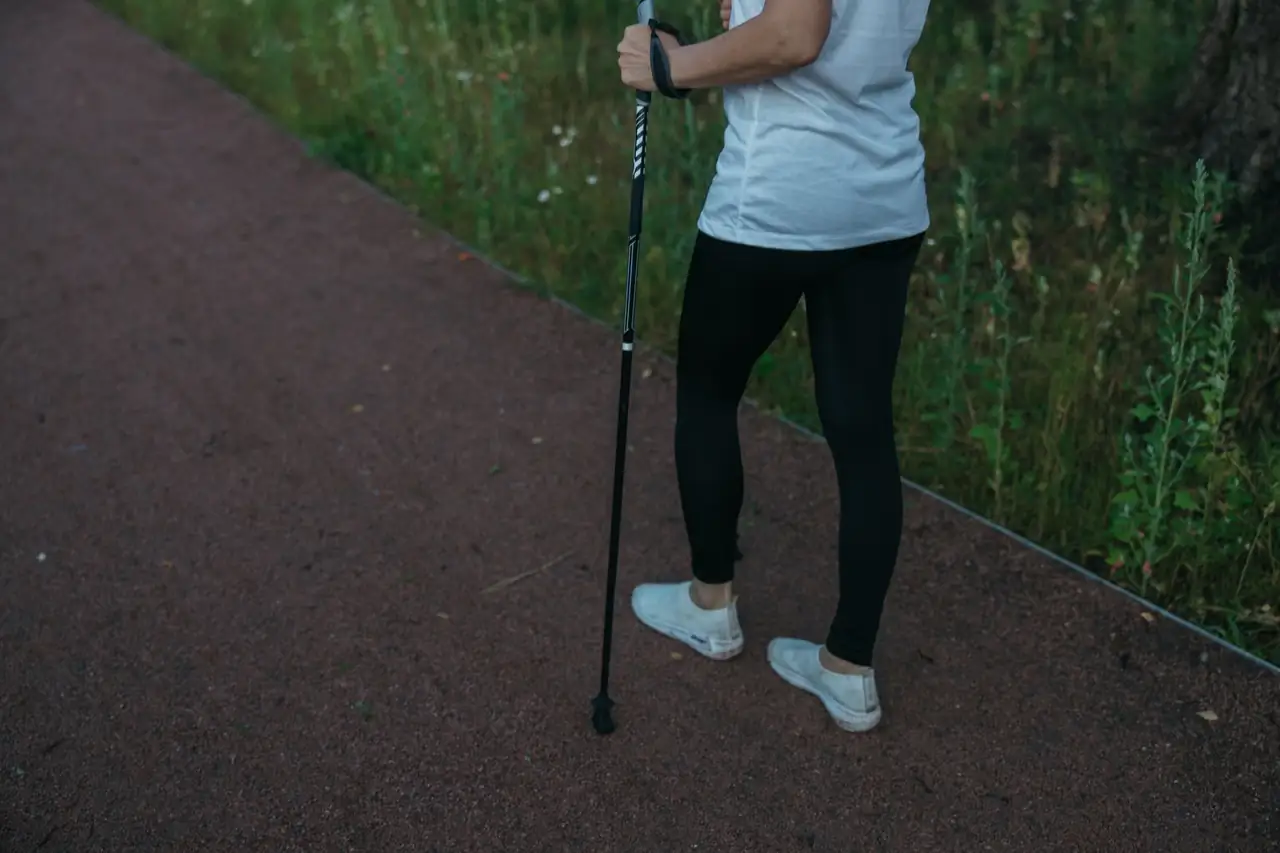
Walking improves circulation, posture, and pelvic mobility, but it is not enough on its own to clearly regain or strengthen the pelvic floor muscles. Its role is valuable, especially as a gentle and consistent activity, although clinical evidence and physiotherapy practice agree on a crucial nuance: walking helps, but it does not replace specific training.
In running and in everyday life, that detail matters. The mechanics of walking distribute loads better than the repeated impacts of other activities, and that is why walking is often recommended as part of an active lifestyle. However, when there is urinary leakage, a feeling of pelvic heaviness, postpartum discomfort, or symptoms consistent with weakness, the benefits of walking fall short compared with exercises that act directly on the area.
What the pelvic floor actually does
The pelvic floor is a system of support, closure, and control. It is not an isolated muscle, but a set of fibers, tissues, and structures that support the bladder, uterus, and rectum, while also helping with continence, trunk stability, and sexual function. It works like a flexible hammock: it holds, gives way, and tightens again depending on breathing, posture, and effort.
Its role becomes more obvious when it fails. A small leak when coughing, a strange pressure at the end of the day, or a feeling of a bulge in the pelvis are often signs that the system is not responding with its usual precision. In women, pregnancy, childbirth, and menopause add load or change tissue quality, although there are also men with pelvic disorders after prostate surgery, persistent constipation, or excessive abdominal pressure.
The key is not just strength, but coordination. A healthy pelvic floor is not clenched all day; it contracts when needed and relaxes afterward. That ability to alternate tension and rest is just as important as tone. That is why any useful strategy must improve strength, elasticity, and breathing control at the same time.
Why walking helps, even if it does not work miracles
Walking activates the deep musculature in a gentle, repetitive way. Each step requires small adjustments from the abdomen, pelvis, and spine. This accumulation of micro-adaptations promotes blood circulation, reduces stiffness, and helps maintain a more functional baseline than sedentary behavior. For many people, walking is also a safe entry point into movement when other activities feel too intense.
Posture matters too. A walk with the torso upright, without collapsing the chest or excessively tilting the pelvis, distributes internal pressures better. Rhythmic breathing prevents pushing downward with each inhale or with each effort, and that respiratory coordination does have an indirect effect on the pelvic floor. It does not strengthen it in a localized way, but it reduces habits that overload it.
However, walking has a very clear biological limit. The mechanical stimulus that the perineum receives while walking is moderate and therefore insufficient to generate a notable improvement in a weakened muscle system. Just as a stationary bike does not replace well-planned strength work, walking does not replace specific exercises once a functional problem already exists.
What a well-done walk can contribute
Walking helps break the cycle of inactivity, tension, and fear of movement. In people with pelvic symptoms, stopping movement altogether often worsens body awareness, stiffness, and loss of confidence. A daily walk, even a short one, can improve the overall sense of control, lift mood, and make a gradual return to other physical activities more tolerable.
It is also useful in specific phases. In the postpartum period, for example, going for a gentle walk can be a prudent way to regain mobility as long as the body tolerates it and no discomfort appears. During menopause, when tissues tend to lose elasticity, walking keeps the body active without adding excessive impact. And for runners with too much weekly training load, walking can serve as active recovery between sessions.
But the benefit is indirect, not strictly therapeutic. Walking may improve posture, exercise tolerance, and body awareness; it does not by itself correct a prolapse, stress incontinence, or perineal hypertonicity. The most common mistake is to confuse general health with specific recovery, as if moving a little were enough to reprogram a complex system.
When walking may fall short
If there is urine leakage when running, jumping, laughing, or coughing, more than walking is needed. The muscles are not responding well to pressure peaks, and those peaks occur precisely in everyday and sports movements. Walking does not generate that demand, so it does not train the response the body needs at the critical moment.
It also falls short when there is a feeling of vaginal heaviness, frequent urinary urgency, difficulty holding in gas, or discomfort during sexual intercourse. These symptoms point to a support problem, excess tension, poor coordination, or a mix of several factors. In those cases, walking may relieve symptoms, but it does not solve the underlying mechanism.
In runners, the difference is even more visible. Running introduces impacts, changes of pace, and breathing demands that multiply pressure on the pelvis. That is why someone may walk without discomfort and still notice symptoms after running for ten minutes. It is not a contradiction; it is simply a matter of load. The body tolerates one intensity and not another.
Which exercises really strengthen it
The most useful exercises are those that teach you to contract and relax with precision. The well-known Kegel exercises are still a basic tool, but they must be done properly, with breathing accompanying the movement and without tightening the glutes, thighs, or superficial abdominal muscles. The contraction should feel internal and contained, never like a global effort of the entire torso.
Diaphragmatic breathing is another pillar. Inhaling without pushing downward and exhaling with gentle activation helps the deep abdomen and pelvic floor work together. When this coordination fails, the body compensates with excessive pressure. And that pressure, repeated many times, wears down more than it trains.
Hip and pelvic mobility also matter. Pelvic circles, gentle tilts, or well-controlled changes of position improve the elasticity of the whole system. The body does not work in isolated parts: the pelvis moves with the spine, diaphragm, and abdomen, and the pelvic floor responds to that dialogue. That is why the most effective programs do not stop at clench-and-release drills.
In some cases, hypopressive exercises or biofeedback devices come into play, as they help build awareness of proper activation. They are not essential for everyone, but they can help when a person cannot localize the muscles well or when there is a poorly learned effort pattern. The important thing is that exercise has purpose, progression, and adaptability.
Signs that should not be ignored
Urine leakage is still the most visible sign, but not the only one. A pelvic floor that does not respond well can also show itself through urinary urgency, difficulty emptying the bladder, constipation with repeated straining, or a feeling of instability in the lower abdomen. Sometimes the symptom appears only when running, lifting weight, or going uphill.
A feeling of heaviness or bulging in the vagina deserves particular attention. It does not always indicate a prolapse, but it does reflect internal pressure that should not be normalized. In women after childbirth, after gynecological surgery, or during the transition to menopause, these signs can go unnoticed for months because they are confused with fatigue, stress, or an adjustment period.
Sexual pain may also be related to a dysfunctional pelvic floor. Sometimes the problem is not lack of strength, but excessive tension. In those cases, insisting on tightening more can worsen the condition. That is why the idea of strengthening should not be reduced to hardening the area; it is about recovering response, elasticity, and control, which do not always move in the same direction.
Walking during pregnancy, postpartum, and menopause
During pregnancy, walking is usually a reasonable, low-impact option. It provides mobility, helps manage body load, and can relieve the sensation of general heaviness. Even so, the weight of the uterus and hormonal changes mean that the pelvis receives extra pressure that walking does not offset on its own. If symptoms appear, specific work becomes even more important.
In the postpartum period, the priority is to regain sensation and tolerance, not to rack up miles. Short, regular walks without sudden movements usually work better than long or irregular efforts. The body needs time to readjust tissues, scars, and motor control. During that period, walking can be a bridge, but not the destination.
During menopause, gentle movement has value because of its overall effect. Reduced estrogen can affect tissue elasticity, and moderate physical activity helps preserve functionality. However, a daily walk does not by itself correct tissue fragility or loss of control. Appropriate exercises, progression, and consistency remain decisive.
The role of walking within pelvic care
The best answer is not yes or no, but how much and for what purpose. Walking is part of a broad health strategy: it keeps the body active, improves the return to exercise, promotes posture, and reduces sedentary behavior. But when the goal is to strengthen the pelvic floor with purpose, walking is a supporting piece, not the main tool.
For people who run, this idea should be kept even more in mind. Running demands a functional base capable of tolerating impact, changes of pace, and variations in intra-abdominal pressure. Many runners can walk without issue and still experience leakage when jogging. The mismatch does not mean walking is useless; it means the load of the movement is not comparable.
Pelvic health is built with precision, not assumptions. Walking adds a lot to the overall picture. But for the pelvic floor to gain real strength, stability, and responsiveness, a more specific stimulus is needed. That is the line between moving and truly training an area that supports much of daily well-being.
A balance worth more than a simple solution
The most honest message is that walking is positive, but insufficient as the only measure. Its value lies in what it prepares, not what it solves. It helps keep the body awake, reduces the burden of sedentary habits, and makes a structured return to movement easier, but it does not replace the fine-tuned work required by a delicate, deeply coordinated muscle group.
That is why, in any serious conversation about the pelvic floor, the key word should not be trend or quick promise, but adjustment. Adjustment of load, breathing, posture, and expectations. Sometimes progress comes as a calm walk; other times, as a series of well-performed contractions maintained with patience. The important thing is not to ask a walk for what only specific training can provide.
In practice, the pelvic floor benefits from movement, but even more from precision. Walking is a good habit, yes. It is healthy, accessible, and compatible with almost any age. But when symptoms appear or the goal is to truly strengthen it, the answer looks more like an internal choreography than a simple stroll around the neighborhood.
Medical reference: Pelvic floor health, NHS.



How to prevent thigh chafing: causes and real solutions

Women’s running windbreakers: seven jackets and how to choose

Do more workouts get rid of soreness? A guide for runners

Jaén Half Marathon 2026: Record 3,800 Runners Registered

Men’s short running tights: how to choose the right pair

World Triathlon confirms data breach involving medical data

Izan Edo targets podium at Miyazaki World Cup

María Pérez ranks ninth in World Athletics’ 2026 top ten

Dos Santos, Duplantis and Sawe: World Athlete of the Year finalists

San Silvestre Vallecana 2026: 42,000 places, prices and start times

 Races3 months ago
Valencia Half Marathon 2027: date and registration

 Reviews and Comparisons4 months ago
Asics Gel-Roadmiles 3 for men: review and current price

 Races3 months ago
Valencia Marathon 2026: entry, ballot and course

 Reviews and Comparisons4 months ago
Asics Gel Sonoma 8 Gore-Tex: complete analysis for trail and rain

 Sneakers3 months ago
Saucony Endorphin Pro 4: full review and verdict

 News5 months ago
Strava API 2026: what changes for clubs, challenges and runner apps?

 Reviews and Comparisons5 months ago
Nike Alphafly 3: opinions, sensations, and real key points

 Reviews and Comparisons4 months ago
Under Armour running shoes review 2025-2026: models and key features

 Sports Equipment4 months ago
Shoe sizes in cm: a clear guide to getting the right fit for your footwear

 Sneakers3 months ago
Skechers GO RUN Consistent 2.0 analysis: comfort and limits

 News5 months ago
Valencia Marathon 2026 route: key tips to train and run better

 Sneakers4 months ago
Adidas Adizero Boston 13 for men: review and verdict