News
Running and pregnancy: symptoms, causes, and prevention with useful tips
Activity can be maintained in many uncomplicated pregnancies, but there are signs and limits worth knowing.

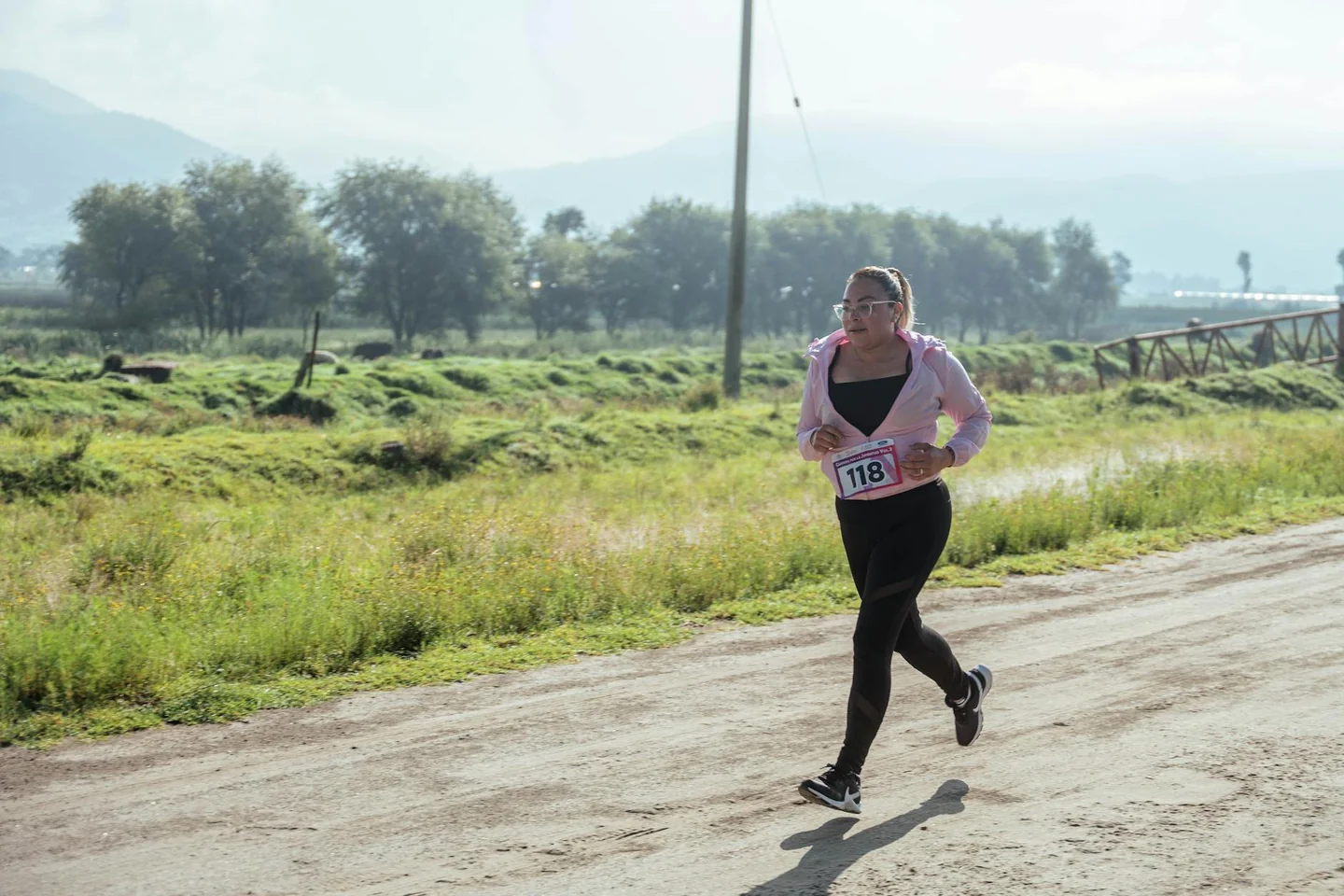
Imagen: Pexels LATAM / Pexels
Running during pregnancy is usually compatible with a healthy pregnancy when the woman was already running before and there are no medical contraindications. The key is not to push through at all costs, but to adjust pace, volume and terrain to a body that changes week by week, sometimes almost day by day.
There is no universal point that marks when to stop running. In most cases, the decision depends on how the pregnant woman feels, her sports background, whether any discomfort appears, and the assessment of the gynecologist or midwife. For some women, jogging will remain possible for a good part of the pregnancy; for others, the body will call for an earlier transition to walking, swimming or gentle strength work.
The real compatibility between running and pregnancy
Pregnancy does not turn exercise into a forbidden activity. On the contrary, current health guidelines maintain that moderate physical activity brings clear benefits in women without complications, as long as it is adapted to the stage of pregnancy. That idea has displaced an old view that pushed almost automatic rest and that today feels too rigid for most normal pregnancies.
In habitual runners, continuity is often possible during the first and part of the second trimester, with a gradual reduction in intensity and distance. What changes is not only the training volume; the perception of effort changes too. The same route can feel like a long climb in the middle of August: the legs respond, but the body no longer negotiates the load in the same way.
Previous experience matters a lot. It is not the same for a woman who has been running three or four days a week for years as for another who decides to start from scratch upon learning she is pregnant. The first usually tolerates impact better and knows how to recognize her limits; the second benefits more from low-impact sports and a very cautious progression. In both cases, clinical supervision remains the reference framework.
What changes in the body and why the pace is no longer the same
Pregnancy changes circulation, breathing and stability. The increase in blood volume, the presence of hormones such as relaxin and the growth of the uterus alter biomechanics, balance and the feeling of fatigue. Running stops being a clean mechanical operation and starts to feel like a stride with extra weight, especially when the abdomen gains weight and the pelvis bears more pressure.
A very familiar phenomenon also appears among pregnant runners: tiredness sets in earlier. Heart rate tends to rise easily, heat is harder to tolerate and recovery after each outing needs more time. That is why the criterion of being able to speak without interruptions, known as the talk test, is more useful than chasing specific heart rates as if they were a fixed law. In practice, if you cannot maintain a comfortable conversation, the intensity is already too high.
The change is not only physical; it is also sensory. Some women notice pressure in the lower abdomen, heaviness in one leg, lower back tightness or a strange feeling when landing. Others simply feel that the body no longer wants to run with the same joy. These signs do not always indicate danger, but they do show that the margin of tolerance is narrowing.
How long to keep running without forcing the machine
There is no exact week to stop. Some runners continue well into the third trimester and others stop before the seventh month because breathing, the pelvic floor or abdominal pressure no longer cooperate. The useful decision is not made by looking at the calendar, but by observing the sum of sensations, the evolution of the pregnancy and the terrain on which you run.
In journalistic and medical practice, the most sensible guideline is simple: while the pregnancy is low-risk, there is no bleeding, significant pain, dizziness or contractions, and the activity feels comfortable, a gentle jog can be maintained. When repeated discomfort appears, duration is reduced, the pace is lowered or you switch to walking. It is not a dramatic withdrawal, but a gear change similar to what a car makes when the road narrows.
The second trimester is usually the kindest for many women. Early nausea often eases, the body has already taken on part of the changes and the belly is not yet so heavy nor stability so bothersome. By contrast, the third trimester calls for more caution, especially because the risk of falls, pelvic discomfort and shortness of breath increases. That stage does not automatically force you to stop running, but it does require a complete redefinition of the idea of training.
Signs that force you to stop and seek advice
There are symptoms that should not be normalized. Vaginal bleeding, chest pain, difficulty breathing at rest or with mild effort, dizziness, marked weakness, fluid loss, severe headache or a decrease in fetal movements require medical assessment. Pain in the calf, asymmetric swelling and any contractions before term also deserve attention.
Other signs, though less dramatic, also matter. A pelvic floor that protests with urine leakage, persistent pressure in the vagina, a feeling of heaviness downward or pain that always appears in the same area after running are alerts of excessive load. The body usually speaks first in a low voice; ignoring it for too long ends up turning up the volume.
Fever, overheating and dehydration deserve special caution. Pregnancy reduces tolerance to very hot days, and running in high temperature or humidity increases the risk of exhaustion. Saunas, jacuzzis and steam baths do not exactly help in an environment that is already demanding for thermoregulation.
What staying active contributes if the pregnancy is going well
Medical evidence associates prenatal physical activity with several concrete benefits. In uncomplicated pregnancies, moving regularly can help reduce the risk of gestational diabetes, hypertension, back pain, constipation and excessive weight gain. It also usually improves sleep, mood and the overall feeling of energy, which is no small thing in a stage where rest often becomes fragmented.
In addition, moderate exercise helps maintain cardiovascular endurance and muscle tone, two useful elements for labor and the postpartum period. The point is not to turn pregnancy into a competition or chase personal bests, but to maintain a functional base that makes everyday life easier. Climbing stairs, standing more upright or tolerating long hours better stop being minor details when the body changes so quickly.
There is also an emotional component. For some runners, keeping moving softens the sense of rupture that sometimes comes with pregnancy. Routine brings order, going out into the open air clears the mind and the body finds a familiar rhythm in the middle of a very changing period. That subjective stability is worth as much as any heart rate chart.
The right intensity and the role of medical monitoring
Current recommendations point to moderate activity, not strenuous effort. In women who already trained before, keeping part of the routine may be reasonable as long as the effort is adjusted. For those who did not run, pregnancy is usually not the best time to start a running plan from scratch; walking briskly, swimming or doing gentle mobility work usually makes more sense and is safer.
As a general reference, many guidelines place the weekly volume at around 150 minutes of moderate activity in uncomplicated pregnancies. That does not mean automatically running those two and a half hours, far from it, nor forcing the body to meet a number. It means that regular, non-extreme activity fits well into pregnancy when there are no medical reasons to restrict it.
Professional monitoring makes the difference between a healthy habit and overload. A pregnant woman with placenta previa, threatened preterm labor, gestational hypertension, significant anemia, heart problems, bleeding or pain should not improvise. In these contexts, running may be left out of the equation or become secondary, very much conditioned by the clinical course.
What terrain, what weather and what gestures really matter
The place where you run matters almost as much as the exercise itself. As pregnancy advances, smooth asphalt and stable paths usually make more sense than technical trails, aggressive descents or surfaces with a risk of tripping. The body loses some agility and reaction margin, and a bad step stops being a minor incident.
Humid heat, long hills and solo outings also call for more caution. Carrying water, avoiding the middle of the day and choosing short, familiar routes reduces unnecessary problems. In the mountains, in particular, pregnant runners should be more conservative than heroic: less elevation gain, less risk, more predictability.
Clothing and support also matter. A sports bra with good support, clothes that do not squeeze the abdomen and stable footwear help the overall feeling be more comfortable. These are not cosmetic details; they affect mechanics, breathing and the way the body handles each kilometer.
Pelvic floor, impact and why it is worth watching closely
The pelvic floor bears a growing load during pregnancy and running adds repeated impact. That does not make running forbidden, but it does mean paying close attention if urine leakage, vaginal heaviness or pain during effort appear. When that happens frequently, the signal is usually not to push harder, but to reduce impact and review the situation with a healthcare professional.
Kegel exercises, breathing awareness and gentle stability work have been associated with better muscle control at this stage, although they must be adapted to each case. Hypopressive exercises, on the other hand, generate more debate and should not be confused with a universal recommendation. In every scenario, the underlying message is the same: the pelvic floor is not trained blindly, just as a watch is not fixed with a hammer.
Prevention matters more than recovery. Someone who reaches pregnancy with a good base of strength, mobility and sports experience usually has more resources to adapt. Someone already dealing with lower back pain, leakage or a feeling of instability would do well to ease off before the problem becomes chronic. Prudence here is a form of physical intelligence.
What alternatives fit when jogging no longer goes along with you
Stopping running does not mean stopping movement. Swimming, water workouts, walks on flat ground, stationary bike sessions and certain mobility or gentle strength routines can maintain fitness without so much impact load. These are changes of tool, not absolute renunciations.
Many runners find brisk walking a reasonable substitute when long strides are no longer comfortable. Others prefer combining floor exercises, breathing and stability with short, controlled sessions. What matters is not imitating the same movement as before, but keeping the habit of moving regularly without putting the body into an unnecessary fight.
The transition is more like changing lanes than braking suddenly. The pregnant body rarely appreciates extremes. If one day running becomes a heavy task, a brisk walk can offer almost the same emotional and cardiovascular benefit, with much less mechanical friction.
After birth, the return also calls for patience
The postpartum period is not a repeat of the starting point. Recovery depends on the type of delivery, the condition of the pelvic floor, healing and the available rest, which is usually irregular. Returning to running too soon increases the likelihood of discomfort and of prolonging problems that could have been resolved with more time.
Resuming usually needs a prior step of walking, basic strength and postural control. It is not a matter of ambition, but of tissues: ligaments, fascia, abdomen and pelvis have gone through a real transformation. Treating them as if nothing had happened usually ends up colliding with reality in the form of pain, leakage or a feeling of instability.
Body memory exists, but it does not work miracles. Many women recover sooner than they imagine and others take much longer. The good news is that running does not disappear; it just waits until the system is ready to handle it with judgment.
Active pregnancy as a stage, not an exam
Running during pregnancy can be part of a healthy pregnancy when the body tolerates it, the doctor approves it and your own experience does not raise warning signs. The useful question is not the exact number of weeks you can keep going, but which symptoms, which context and which sensations allow you to maintain the activity safely.
The realistic answer comes down to a very simple balance to describe and harder to practice: less obsession with performance, more attention to the body, more respect for heat, ground and fatigue, and less romanticism about the idea of pushing through out of pride. In pregnancy, the smart stride is usually the one that knows when to ease off in time.
In the end, the best reference is not the clock or the race bib, but maternal and fetal health. When running still feels comfortable, it can accompany pregnancy with benefits. When it no longer does, changing activity does not mean losing anything essential; it just means adapting the story to a different stage, heavier, slower and also more demanding to listen to.
Este artículo contiene enlaces de afiliado: si compras a través de ellos, se genera una pequeña comisión sin coste adicional para ti. Más información.



How to prevent thigh chafing: causes and real solutions

Women’s running windbreakers: seven jackets and how to choose

Do more workouts get rid of soreness? A guide for runners

Jaén Half Marathon 2026: Record 3,800 Runners Registered

Men’s short running tights: how to choose the right pair

World Triathlon confirms data breach involving medical data

Izan Edo targets podium at Miyazaki World Cup

María Pérez ranks ninth in World Athletics’ 2026 top ten

Dos Santos, Duplantis and Sawe: World Athlete of the Year finalists

San Silvestre Vallecana 2026: 42,000 places, prices and start times

 Races3 months ago
Valencia Half Marathon 2027: date and registration

 Races3 months ago
Valencia Marathon 2026: entry, ballot and course

 Reviews and Comparisons4 months ago
Asics Gel-Roadmiles 3 for men: review and current price

 Reviews and Comparisons4 months ago
Asics Gel Sonoma 8 Gore-Tex: complete analysis for trail and rain

 Sneakers3 months ago
Saucony Endorphin Pro 4: full review and verdict

 News5 months ago
Strava API 2026: what changes for clubs, challenges and runner apps?

 Reviews and Comparisons5 months ago
Nike Alphafly 3: opinions, sensations, and real key points

 Reviews and Comparisons4 months ago
Under Armour running shoes review 2025-2026: models and key features

 Sports Equipment4 months ago
Shoe sizes in cm: a clear guide to getting the right fit for your footwear

 Sneakers3 months ago
Skechers GO RUN Consistent 2.0 analysis: comfort and limits

 News5 months ago
Valencia Marathon 2026 route: key tips to train and run better

 Sneakers4 months ago
Adidas Adizero Boston 13 for men: review and verdict